South Korea Offers Duty-Free and Lucrative Market Gateway for Turkish Home Textiles
The Turkey-Korea FTA tariff elimination and unmet demand in South Korea's $2.6B home textile market present a strategic opening for Turkish mills, particularly across luxury bedding and contract curtains.
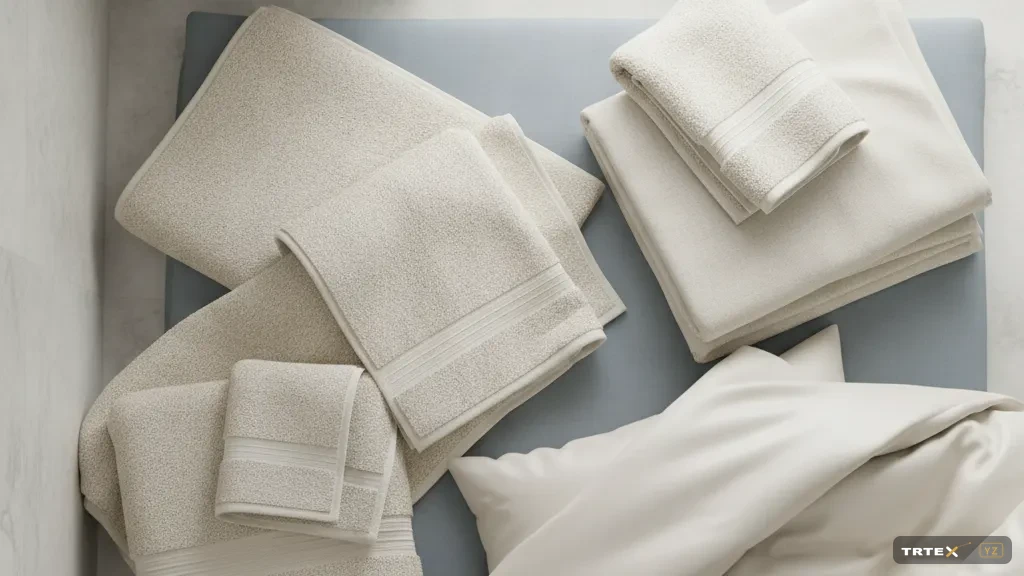
For the Turkish home textile, drapery, upholstery, and engineered shading sectors, South Korea represents a strategic frontier that can no longer be overlooked. The bilateral Free Trade Agreement (FTA) that entered into force between Turkey and South Korea in 2013 secures complete duty-free entry for Turkish industrial manufactures. With the South Korean home textile market projected to reach $2.6 billion by 2025 and $4.1 billion by 2034—growing at an attractive 4.85% CAGR according to IMARC research—this dynamic economy presents virtually unchartered commercial territory for Turkish mills.
This structural opening allows Turkish textile manufacturers, renowned for design sophistication and technical innovation, to bypass low-margin price competition from China by targeting South Korea's affluent premium residential and luxury hospitality segments. The stark trade asymmetry—Turkey's total exports to South Korea hovering around $969 million in 2024 (with textiles noticeably absent from the top 13 export categories) versus over $10.26 billion in imports from Korea in 2025 (UN COMTRADE data)—confirms that home textiles represent an immense, untapped blank canvas for Turkish mills.
Market Dynamics and High-Growth Segments in South Korea
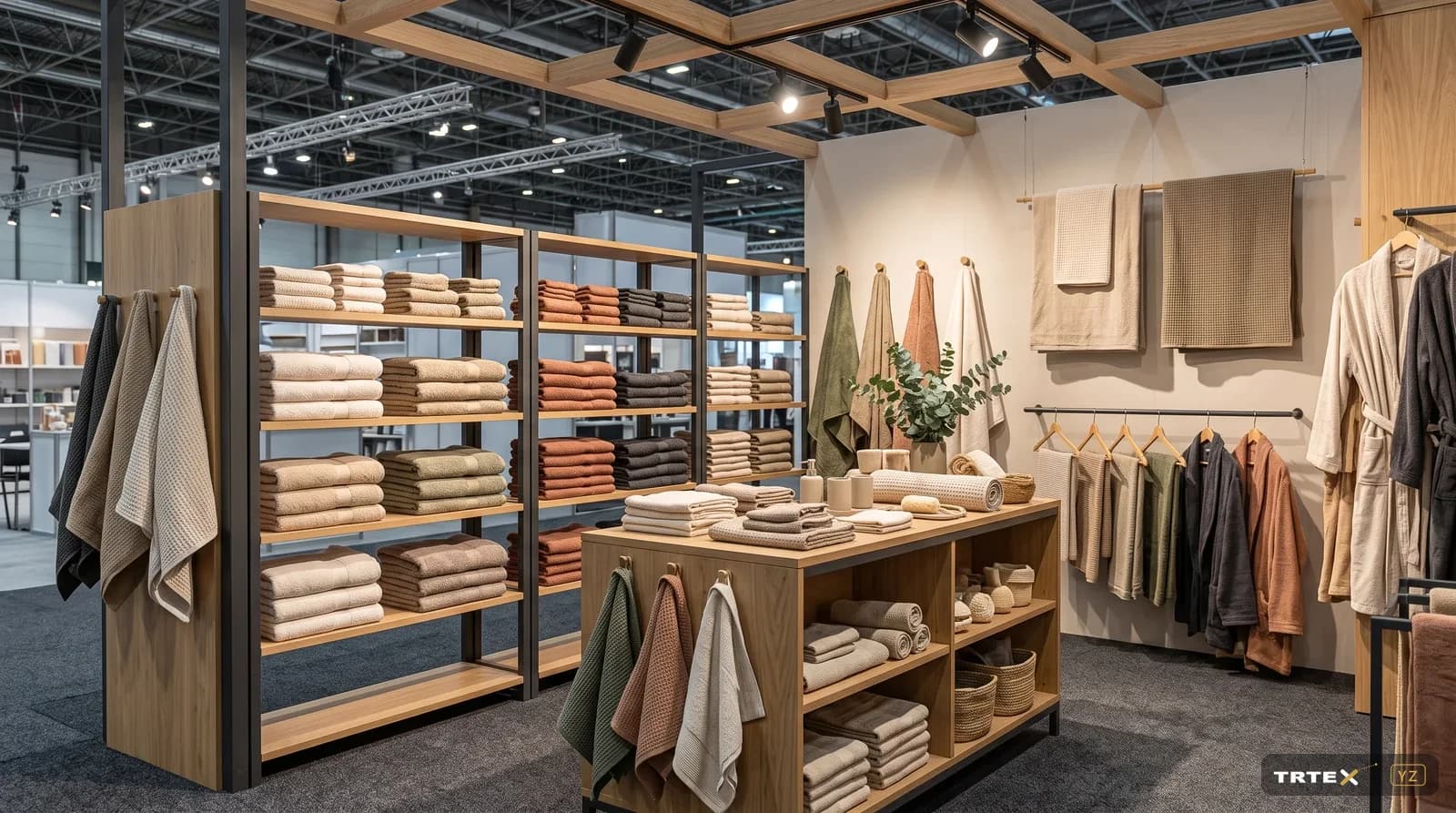
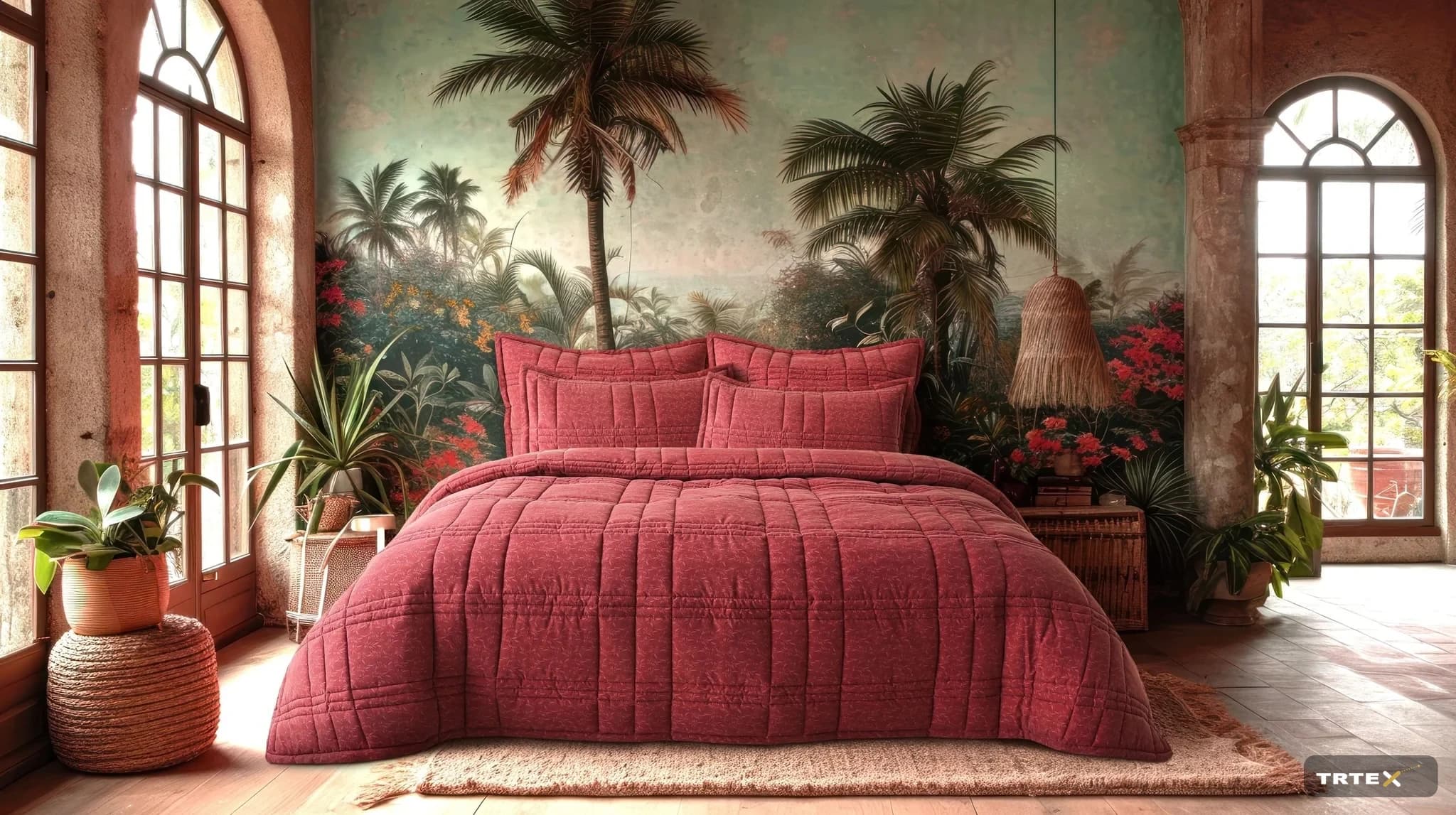
The South Korean home textile landscape is anchored predominantly by the bedding category. According to IMARC market intelligence, bed linens, duvets, and pillows constitute approximately 45% of total sector revenues, standing as the primary product pillar. Concurrently, comprehensive market studies by Grand View Research and Horizon indicate that window coverings, curtains, and architectural roller blinds represent the fastest-growing sector by a substantial margin. This expansion is propelled by high-density urban residential developments and an uncompromising consumer demand for minimalist aesthetic finishes paired with solar heat management.
In particular, extensive luxury resort developments across Jeju Island are fueling surging specifications for certified flame-retardant draperies and performance upholstery fabrics. This creates an exceptionally lucrative niche for Turkish mills capable of engineering high-end aesthetic fabrics that conform rigorously to international life safety standards. Furthermore, the explosive growth of digital-native home furnishing brands and omnichannel e-commerce platforms across South Korea (MarkWide Research) equips Turkish producers with direct-to-consumer and B2B marketplace avenues to enter the market swiftly without cumbersome traditional brokerage tiers.
When executing market penetration strategies, manufacturers must acknowledge China's entrenched price dominance within basic commodity products. However, by leveraging their decisive zero-tariff FTA advantage and superior craftsmanship, Turkish producers can firmly entrench their presence across premium contract segments—particularly luxury hotels, branded wellness resorts, and high-spec architectural residences. Turkey's capacity for bespoke project solutions and agile sampling offers an alluring alternative for discerning Korean architectural specifiers.
Bilateral Trade Advantages and Strategic Market Barriers
The Turkey-Korea Free Trade Agreement provides a critical commercial edge for Turkish textile exporters. Official trade data released by the Turkish Ministry of Trade confirms that customs tariffs on industrial manufactured goods have been progressively eliminated down to zero under the agreement. Consequently, Turkish home textile goods enter South Korean ports entirely duty-free, conferring a vital 8% to 13% cost advantage over non-FTA competitor nations such as China.
Nevertheless, successful market entry demands thorough understanding of local regulatory hurdles. In South Korea, product introduction cycles can require 4 to 6 months due to rigorous testing regimens overseen by the Ministry of Food and Drug Safety (MFDS) and testing accreditation bodies operating under KOLAS (Korea Laboratory Accreditation Scheme), especially concerning antimicrobial and anti-allergen claims. While these compliance testing protocols demand advance technical preparation from Turkish exporters, they simultaneously filter out inferior imports, establishing a profound benchmark of trust and premium positioning for manufacturers that achieve certified status.
- Decisive Tariff Exemption: Total duty exemption granted under the Turkey-Korea FTA delivers unbeatable landed cost advantages over Asian commodity rivals.
- Substantial Market Vacuum: Minimal existing Turkish textile presence in South Korea leaves vast room for pioneering brand expansion and distribution agreements.
- Premium and Contract Focus: Significant commercial margins achievable by supplying luxury residences, boutique hotels, and Jeju Island wellness resorts with certified performance fabrics.
- E-Commerce and Direct B2B Distribution: South Korea's hyper-digitalized retail ecosystem facilitates rapid digital B2B catalog integration and agile omnichannel distribution.
Regulatory Certification Protocols and Cultural Market Adaptation
Turkish textile enterprises targeting the Korean market must allocate technical resources toward mastering local certification protocols mandated by MFDS and KOLAS-accredited testing institutes. These regulatory certifications rigorously validate physical performance, chemical non-toxicity, and biological safety. For technical fabrics engineered with antimicrobial, anti-dust mite, or air-purifying finishes, verified laboratory certification is non-negotiable. Planning for these 4 to 6-month laboratory testing lead times within export launch calendars prevents costly commercial delays.
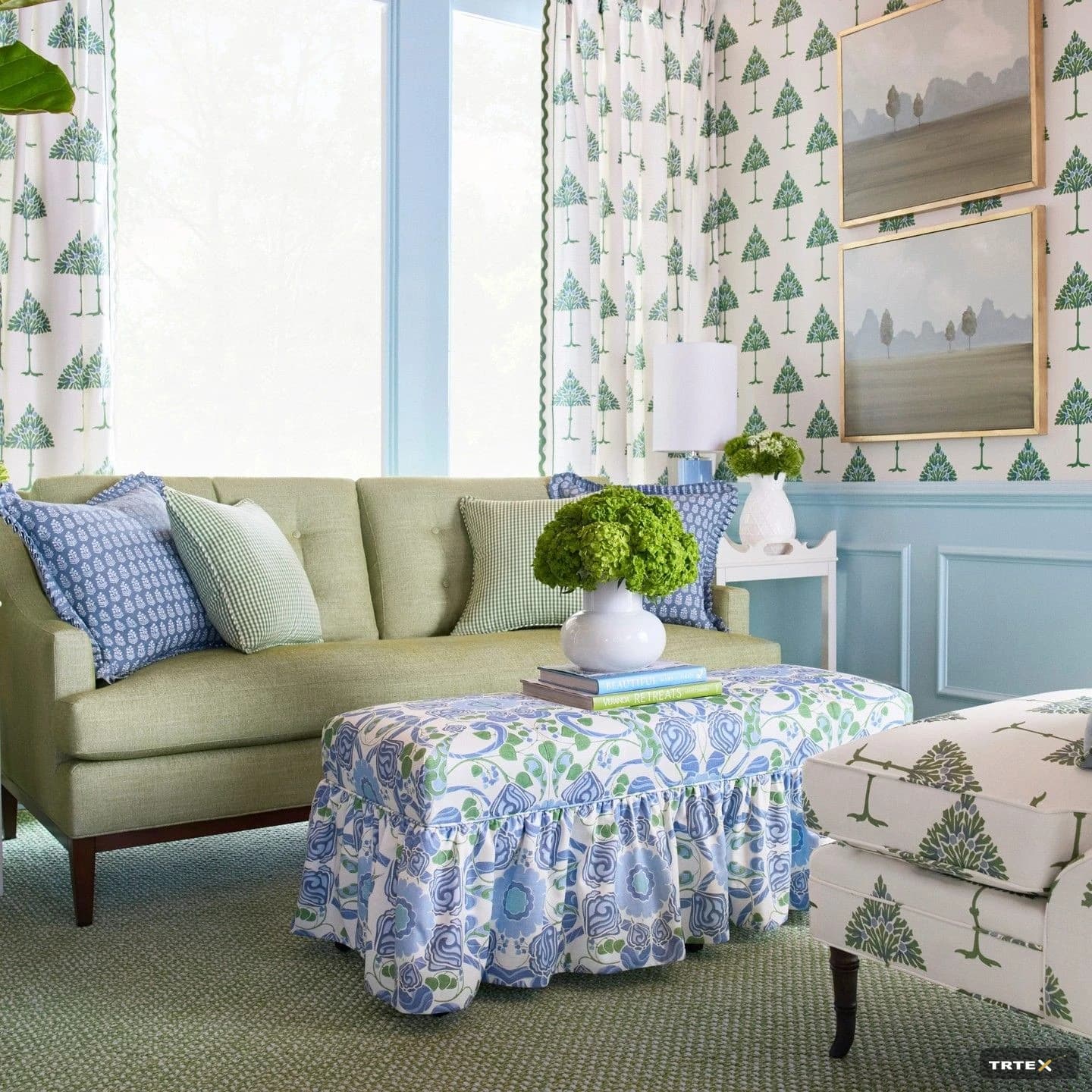
Beyond regulatory compliance, understanding Korean cultural aesthetics and modern interior lifestyles is vital. Understated minimalist designs, tactile neutral color palettes, modular functionality, and seamless smart-home integration represent paramount design criteria across Korean metropolitan interiors. Aligning product collections with these refined aesthetic expectations while securing collaborative alliances with reputable Seoul-based contract distributors will prove decisive for long-term commercial success.
Strategic Opportunity and Future Outlook for Turkish Textile Exporters
South Korea represents an outstanding strategic opportunity for the Turkish home textile and window covering sector, combining full FTA tariff exemptions, a largely uncontested market vacuum, and enormous purchasing power within affluent consumer tiers. Rather than competing against commodity price wars, Turkish mills can combine design heritage, bespoke flexibility, and duty-free access to dominate prestigious residential, hotel, and architectural projects.
Industry initiatives—such as high-level diplomatic and trade visits conducted by TETSİAD to the South Korean Consulate General—demonstrate growing institutional momentum. Turkish mills must take proactive measures: invest in mandatory KOLAS/MFDS laboratory testing, craft tailored design collections tailored to Korean living spaces, and establish reliable local distribution ties. Approached with meticulous strategic discipline, South Korea is poised to become an extraordinarily lucrative growth engine for Turkish textile exports.