New Equilibria Across Global Supply Chains: The Ascendance of China and India
Global supply networks across home textiles and drapery are undergoing realignment. China's continued export expansion and India's strategic moves generate fresh market dynamics for Turkish manufacturers.
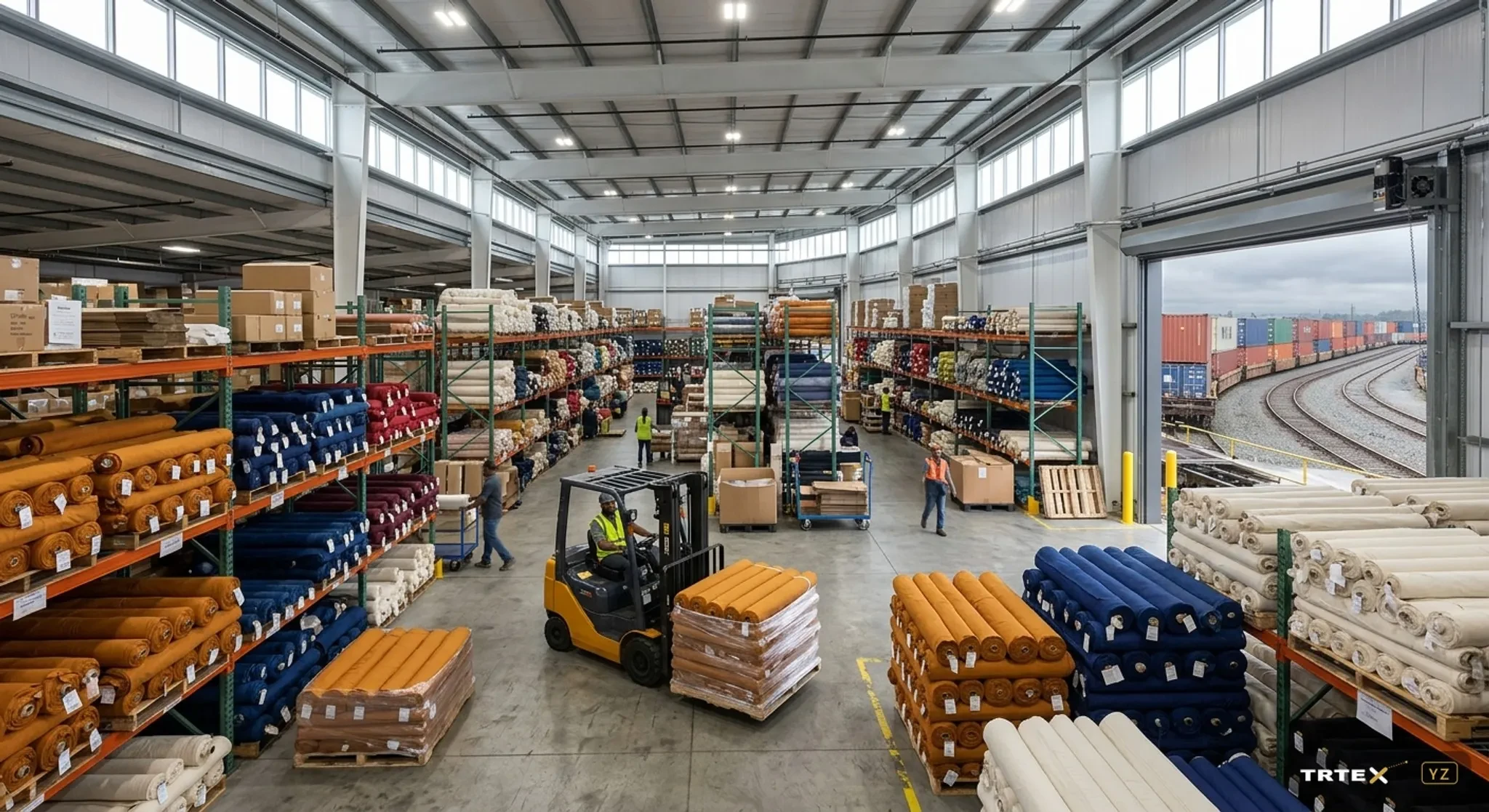
The home textile, curtain, and upholstery sectors are undergoing pivotal transformations across global supply chains. Dynamics across Asian production centers in particular closely affect manufacturers and buyers worldwide. According to International Trade Centre (ITC) statistics, China's sustained leadership with an approximate 40% market share in global home textile exports in 2023, coupled with India recording a 15% growth rate over the past five years, sends definitive signals regarding the sector's trajectory. These shifts necessitate proactive strategic positioning and competitive reassessment among Turkish textile mills, distributors, and exporters.
Global economic volatility, escalating energy overheads, and geopolitical fragmentation have intensified supply chain vulnerabilities, prompting consumer nations to cultivate alternative sourcing corridors. This search has renewed global attention on the Far East's cost competitiveness and vast industrial capacity, particularly in commodity home linens and mechanical roller blinds. The Turkish textile ecosystem must execute proactive initiatives to safeguard and expand its competitiveness within this shifting landscape.
China's Sustained Global Scale and India's Strategic Expansion
China has long anchored global home textile manufacturing and trade. Despite rising domestic labor costs and tightened environmental compliance standards, the country's immense manufacturing base, vertically integrated raw material networks, and advanced port infrastructure sustain its competitive edge. Price efficiency, especially across mid-tier and budget merchandise, ensures China remains indispensable for multinational volume retailers. In 2023, Chinese home textile exports advanced by 5% year-on-year, propelled substantially by investments in smart automation and direct cross-border B2B digital export ecosystems.
Concurrently, India is consolidating its stature as a rising manufacturing force in home textiles. Its competitive edge in premium long-staple cotton goods and eco-conscious production systems makes it increasingly attractive to Western retail conglomerates. Proactive industrial incentive policies and infrastructure grants from the Indian government continue to expand factory output and international reach. Over the past five years, Indian home textile export volumes expanded by approximately 15%. Growing demand across US and European retail channels reflects New Delhi's deliberate pivot toward value-added fabrications and long-term procurement partnerships.
The consolidation of these two Asian manufacturing hubs presents both competitive pressure and strategic opportunity for neighboring supplier nations. The Turkish textile community must closely track these shifts to define dedicated premium niches and consolidate structural competitive advantages.
Opportunities and Vulnerabilities for the Turkish Home Textile Industry
Turkey possesses deep industrial heritage, recognized manufacturing excellence, and high operational flexibility across curtains and furnishing fabrics. Geographic proximity to European markets, short transit times, and strong design-driven development capabilities deliver compelling advantages. Nonetheless, price pressure from Asian commodity producers and volatile domestic energy tariffs represent tangible ongoing risks.
- Targeting High-Value-Added Niches: Rather than competing in standard commodity linens, Turkish mills must focus on design-led, technically innovative, and sustainable product lines. Organic cottons, post-consumer circular yarns, and smart functional textiles open resilient market segments.
- Digital B2B Infrastructure and Cross-Border Commerce: To streamline access to overseas buyers and expand client rosters, digital B2B sourcing platforms and digital showrooms must be utilized systematically. These tools play a pivotal role in establishing direct connections with international buyers and amplifying brand prestige.
- R&D and Technological Innovation: Dedicated investments in applied research are essential to elevate operational yields, optimize unit costs, and commercialize next-generation finishes. Breakthroughs such as self-cleaning fabric finishes pioneered by Sakarya University illustrate the technological potential within the domestic ecosystem.
- Geographic Market Diversification: Beyond consolidating market share across mature European territories, expanding purposefully into North America, the Gulf Cooperation Council (GCC), and emerging African economies helps mitigate regional demand shocks.
Sustainability Imperatives and Advanced Technology Integration
Across the contemporary global marketplace, environmental sustainability has evolved from an optional marketing differentiator into an absolute commercial mandate. The European Union's Green Deal and heightened consumer scrutiny require certified adherence to rigorous ecological and social benchmarks. Turkish textile mills must accelerate water and energy conservation, modernize effluent and waste handling, and embed circular design principles. Securing globally accredited certifications such as GOTS (Global Organic Textile Standard) and OEKO-TEX provides indispensable leverage in institutional procurement.
Technological modernization remains the critical lever for driving operational velocity and quality control from spinning to dispatch. Industry 4.0 shopfloor controls, generative AI design software, and automated robotic handling lower production unit costs while eliminating defect rates. In the window coverings arena, smart home motorization, thermal-reflective barrier fabrics, and remote-controlled shading architectures represent the defining future trends.
Market Outlook and Strategic Directives for Turkish Textile Mills
International competition within home furnishings and window drapery is set to intensify. The aggressive capacity expansions and pricing strategies of Far Eastern mills demand continuous operational adaptation from Turkish manufacturers. Nevertheless, Turkey's strategic location, skilled artisan workforce, agile batch flexibility, and refined design sensibilities provide an enduring competitive foundation.
By interpreting realignment across global supply chains with precision, the Turkish textile sector must maintain disciplined investments in research, digital transformation, and green manufacturing protocols. Leveraging digital platforms to penetrate untapped territories, engineering proprietary collections, and elevating brand recognition will safeguard the industry's leadership. The successful industrial clustering models demonstrated in Bursa and Denizli offer an actionable blueprint for regional collaboration. These strategic steps will position the Turkish home textile and curtain industry on a resilient, high-margin growth path worldwide.
Background: our earlier coverage
- Emerging Dynamics Across Global Textile Supply Chains: The Far East Influence
Recent industrial developments across China and Pakistan's home textile ecosystems are driving major realignments throughout international sourcing channels, offering strategic opportunities and competitive challenges for Turkish mills.
- New Equilibria in the Far East Home Textile Market: Implications for Turkish Manufacturers
Recent developments across China and Pakistan's home textile industries are driving major structural shifts in global supply chains. This analysis examines strategic implications for Turkish textile mills, wholesalers, and exporters.
- US Customs Regime Shifts: New Strategic Advantages for Turkish Home Textiles
New US customs regulations, especially Section 301 additional tariffs, position Turkish home textile manufacturers favorably against global rivals. Manufacturers must verify their HTS product codes.