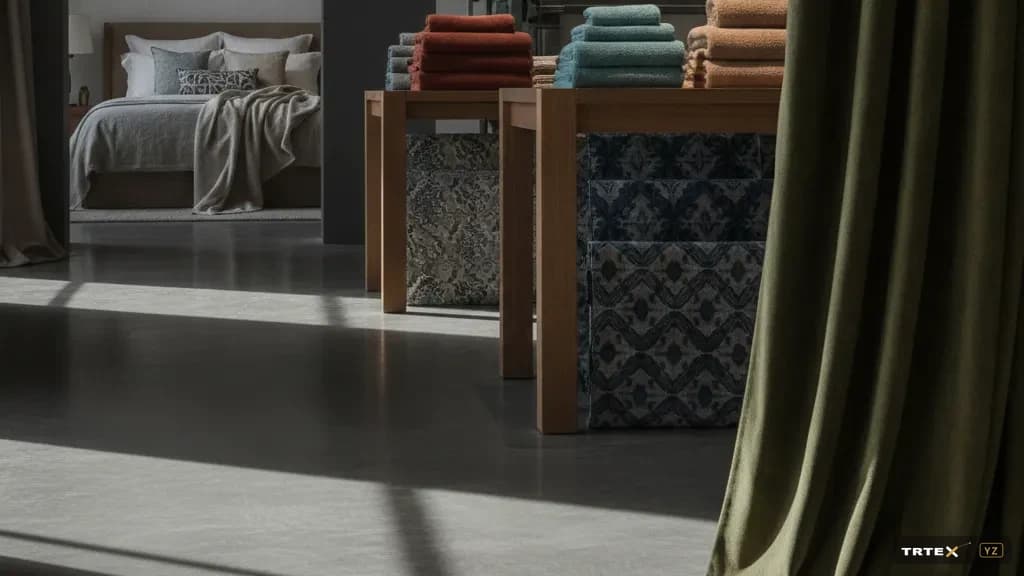
Behind the Scenes of the 'Silent Revolution' in Motorized Roller Zebra Blinds: Micro Motor Supply Secrets
The rise of whisper-quiet motorized roller and zebra blinds triggers a silent supply crisis for precision micro motors. Manufacturers battle rising costs and quality scrutiny behind closed doors.
Today, Wednesday, July 1, 2026
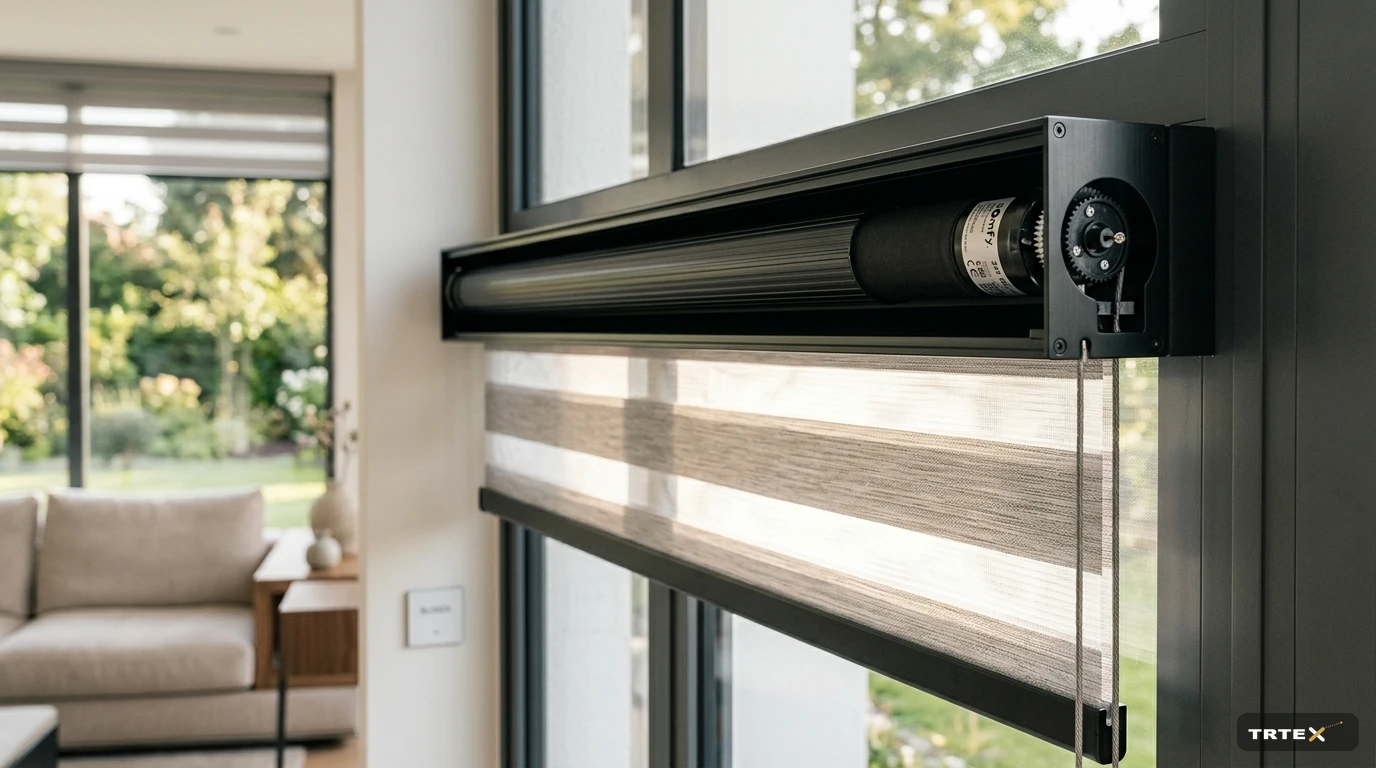
Behind the whisper-quiet motorized roller and zebra blinds rising across modern residences and contemporary corporate offices, a global micro motor supply bottleneck is quietly intensifying. Contrary to outward appearances, key players in home textiles and architectural window decor are grappling behind the scenes with surging input costs and relentless quality benchmarks.
In recent years, the rapid penetration of smart home automation and elevated comfort expectations have accelerated the migration of mechanical roller and zebra blinds from manual operation to automated motorized systems. Especially in private bedrooms, home theaters, and executive boardrooms where acoustic isolation and light control are paramount, motorized drapery operating at whisper-quiet decibel levels with remote and smartphone integration commands surging demand. From Germany and Poland to the United States and Saudi Arabia, motorized shading has become an indispensable hallmark of high-end interior architecture and large-scale retail programs alike.
A senior industry insider reveals: "A few years ago, the whisper-quiet acoustic signature was reserved strictly for luxury penthouse suites and bespoke villas. Today, it has become a baseline requirement expected by everyday homeowners purchasing motorized shading. Yet sourcing micro motors engineered to deliver such acoustic precision feels like digging a well with a needle."
The root cause resides in the extreme engineering precision and constrained supplier base required for these specialized actuators. Unlike conventional industrial drives, micro motors tailored for roller and zebra cassettes must deliver high torque within ultra-compact form factors, virtually zero operational vibration, negligible noise emissions, and decades of reliable duty cycles. Achieving this level of precision demands proprietary alloys, high-grade neodymium magnets, and specialized coil winding techniques dominated by a handful of Japanese, Swiss, and German specialist manufacturers. Volatility in raw rare earth quotes coupled with semiconductor bottlenecks have inflated production costs by 25% to 30% over the past twelve months.
The Covert Struggle Among Manufacturers: Secrets Behind the Shading Cassette
Manufacturers of shading systems across Turkey and international markets are actively seeking strategic contingencies. A senior executive from a leading Turkish architectural shading manufacturer, speaking on condition of anonymity, explained: "The identical high-precision motors that we procured with a three-month lead time last year now carry a 30% price premium and require at least six months for delivery. Price competition in export markets is merciless, preventing us from passing these surcharges onto commercial clients. Profit margins are being severely compressed."
While established manufacturers manage exposure through long-term supply agreements and multi-origin sourcing strategies, maintaining zero tolerance on noise thresholds and mechanical longevity remains a delicate balancing act. Concurrently, industry circles report that certain fringe assemblers have turned to lower-tier, noisier actuators to trim costs—a shortcut that risks brand equity, warranties, and client satisfaction over the product lifecycle.
This dynamic is simultaneously catalyzing technical innovation across the sector. Several forward-thinking manufacturers in Turkey and Europe are collaborating with local precision engineering laboratories to prototype proprietary, cost-effective domestic micro motor platforms. However, given the protracted validation timelines and substantial R&D outlays required, domestic alternatives remain a medium-term horizon rather than an instant remedy.
Future Projections: Trade Exhibitions and Emerging Horizons
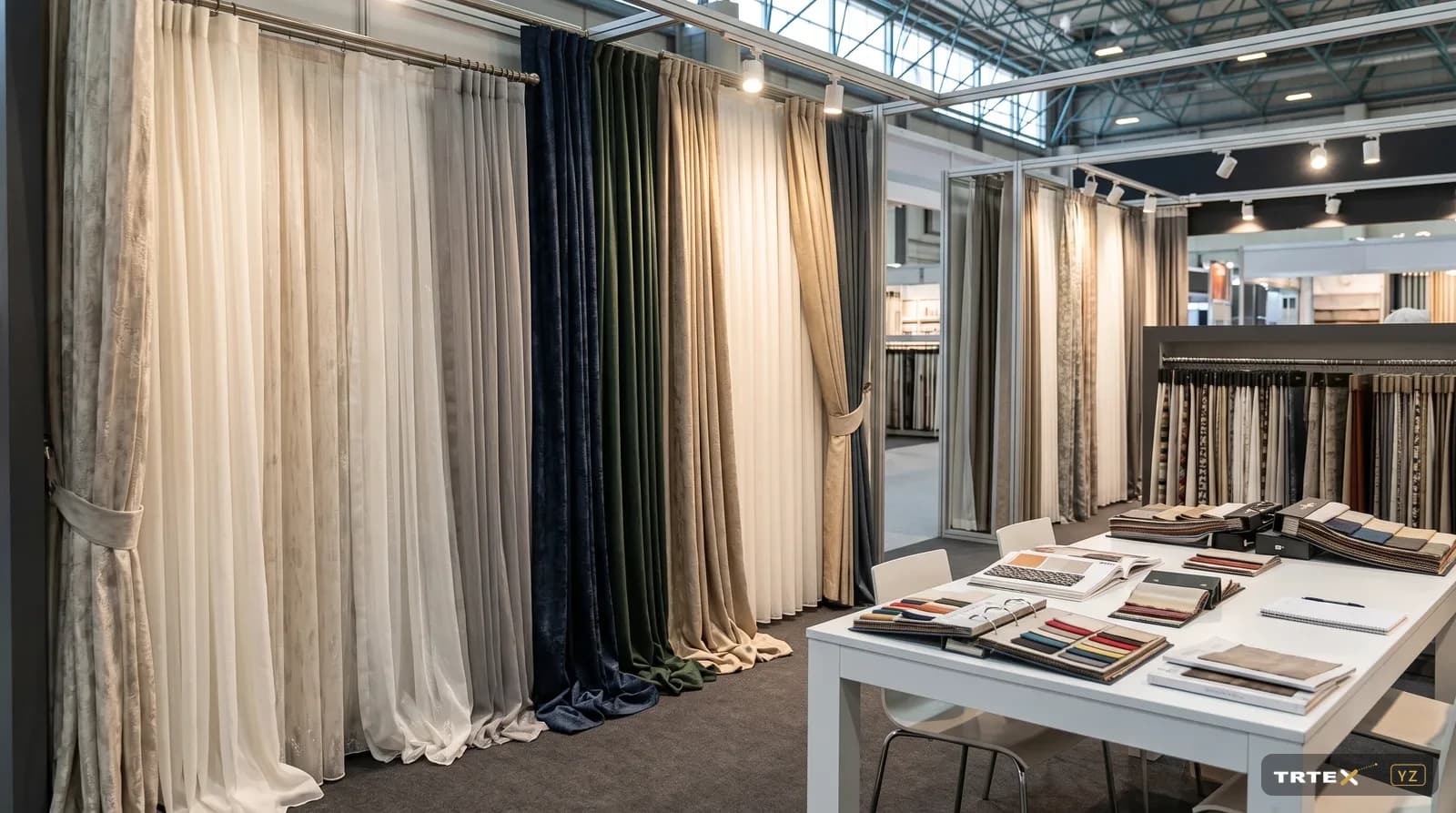
In the coming weeks, marquee textile and home decoration exhibitions including HGH India in Mumbai (July 2, 2026), Atlanta Market in the US (July 14, 2026), and Decor + Design in Melbourne (July 16, 2026) will spotlight surging global appetite for next-generation automated window shading. The sleek collections on display will celebrate the marriage of aesthetics and smart living. Yet behind the showroom glamour, the consistent procurement of whisper-quiet micro motors will remain the decisive operational benchmark for shading fabricators.
Rising consumer expectations for seamless home automation have tethered window covering manufacturers more closely than ever to precision electromechanical component pipelines. This dependency means that even minor upstream hiccups generate immediate ripple effects across the value chain. Fabricators must now master motor engineering with the same rigor traditionally reserved for textile weaving. Otherwise, the serenity promised by this silent revolution risks being drowned out by the noise of supply chain turmoil.
The silence of the blinds will continue to reflect the tempest within the supply chain.