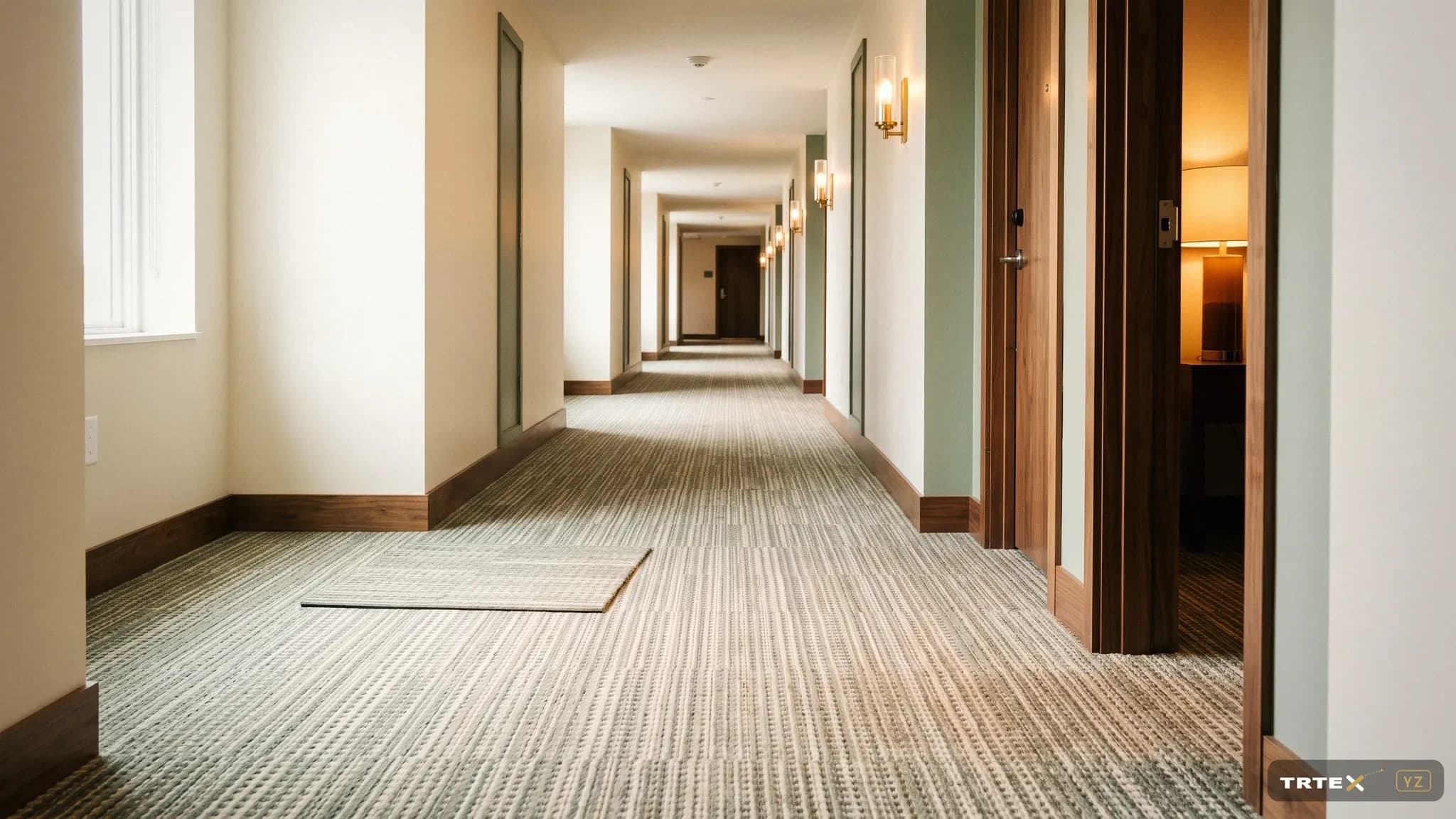
Indoor Air Quality in Carpets: Green Label Plus Required from Exporters
For Turkish carpet manufacturers aiming to take part in green building projects, indoor air quality standards and CRI certification processes are gaining critical importance.
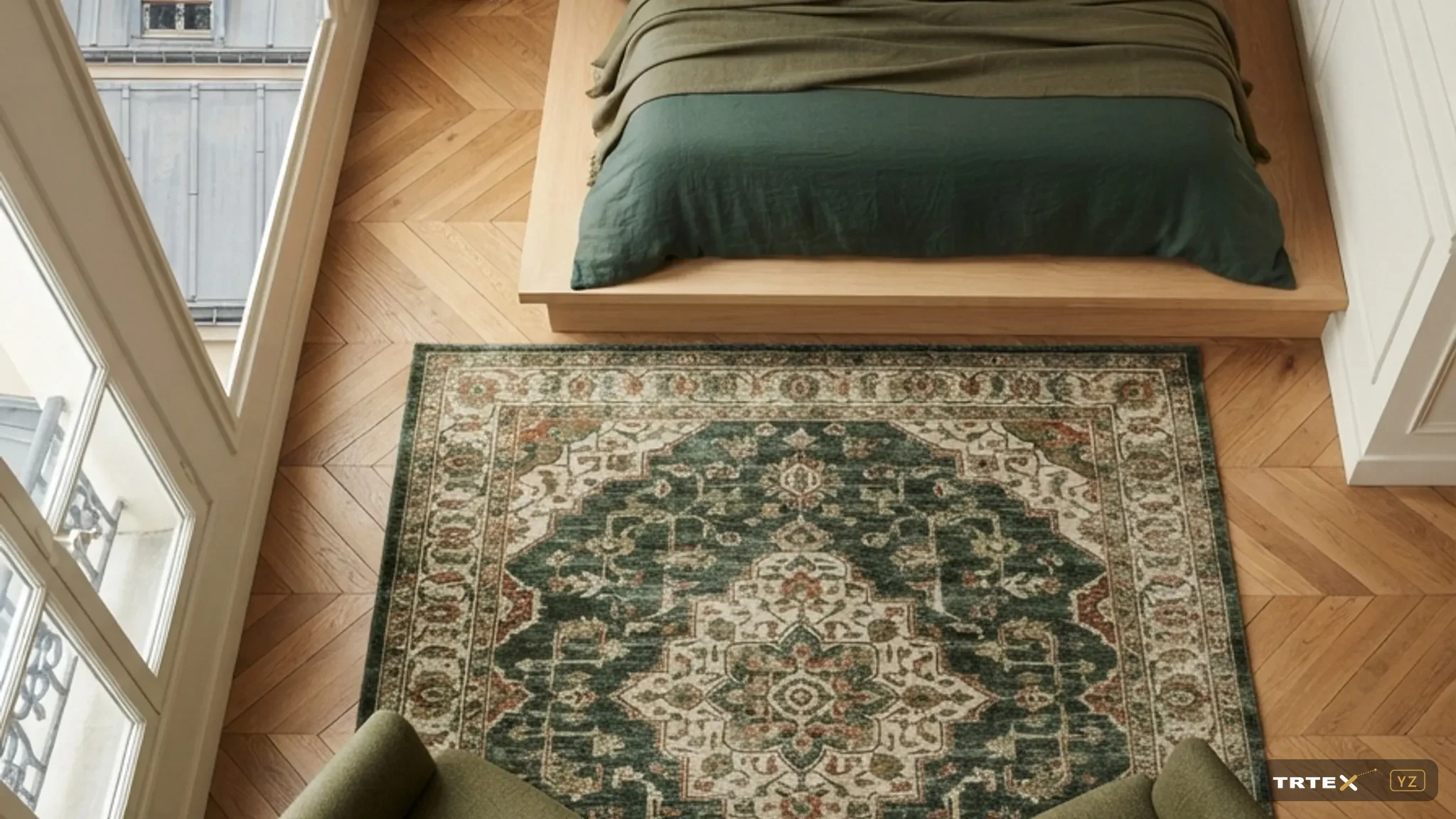
As sustainability and occupant well-being take center stage in contemporary architecture, the impact of interior finishes on air quality has become a vital selection criterion. In carpet and flooring materials that blanket large floor surfaces, volatile organic compound (VOC) emissions rank among the very first technical parameters evaluated by project architects. For Turkish carpet manufacturers seeking to expand their global market footprint, meeting these stringent demands relies on internationally recognized certifications.
Key Analysis
To validate indoor air quality across the carpet and floorcovering sector, testing programs developed by the Carpet and Rug Institute (CRI) are regarded as the global benchmark. Two primary certifications stand out under this framework:
- CRI Green Label Plus: An independent testing and labeling program certifying that carpets, adhesives, and cushion materials maintain extremely low VOC emissions without degrading indoor air quality. Directly awarding points in green building schemes (such as LEED and CHPS), this credential proves that certified floorcoverings belong to the lowest-emitting category on the market. For detailed criteria, consult the official CRI — Green Label Plus testing program.
- CRI Seal of Approval: A testing initiative that evaluates the effectiveness of carpet cleaning formulations, vacuum cleaners, extractors, and deep-cleaning systems. It certifies that maintenance equipment cleans thoroughly without compromising pile fiber integrity. For technical guidelines, refer to the CRI — Seal of Approval standards.
The CRI Green Label Plus program employs scientific laboratory methods to gauge how well carpets preserve indoor air purity. These evaluations track chemical off-gassing from commercial and residential carpets, as well as the adhesives utilized during installation. The exact chemical emission thresholds are determined by independent laboratory protocols rather than enumerated numerically in the general overview source.
Why It Matters
Specifying architects and green building auditors explicitly mandate low-emission certifications within project specifications. Holding these credentials enables Turkish carpet manufacturers to win preference in prestigious commercial tenders and outpace international competitors.
What Should Be Done
To enhance export capabilities and secure inclusion in architectural tender schedules, manufacturers are advised to take the following steps:
- Product Testing and Application: Submit yarn, backing, and adhesive components from your production lines to CRI — Green Label Plus testing protocols to determine baseline VOC emission profiles.
- Update Maintenance Guidelines: Mandate in client maintenance manuals the exclusive use of equipment and cleaning solutions validated by CRI — Seal of Approval to safeguard carpet longevity.
- Prepare Technical Documentation: Equip sales and architectural specification teams with updated documentation packets detailing certified low-emission ratings to facilitate bidding on green building projects.
이 콘텐츠는 명시된 출처를 바탕으로 AI의 도움을 받아 작성되었습니다. (EU 2024/1689 제50조)