AI Breeze in Curtains and Upholstery: The Key to Personalized Homes
Artificial intelligence transforms the home textile sector from design studios to production lines. This innovative approach promises personalized living spaces and operational efficiency, reshaping the sector's future.
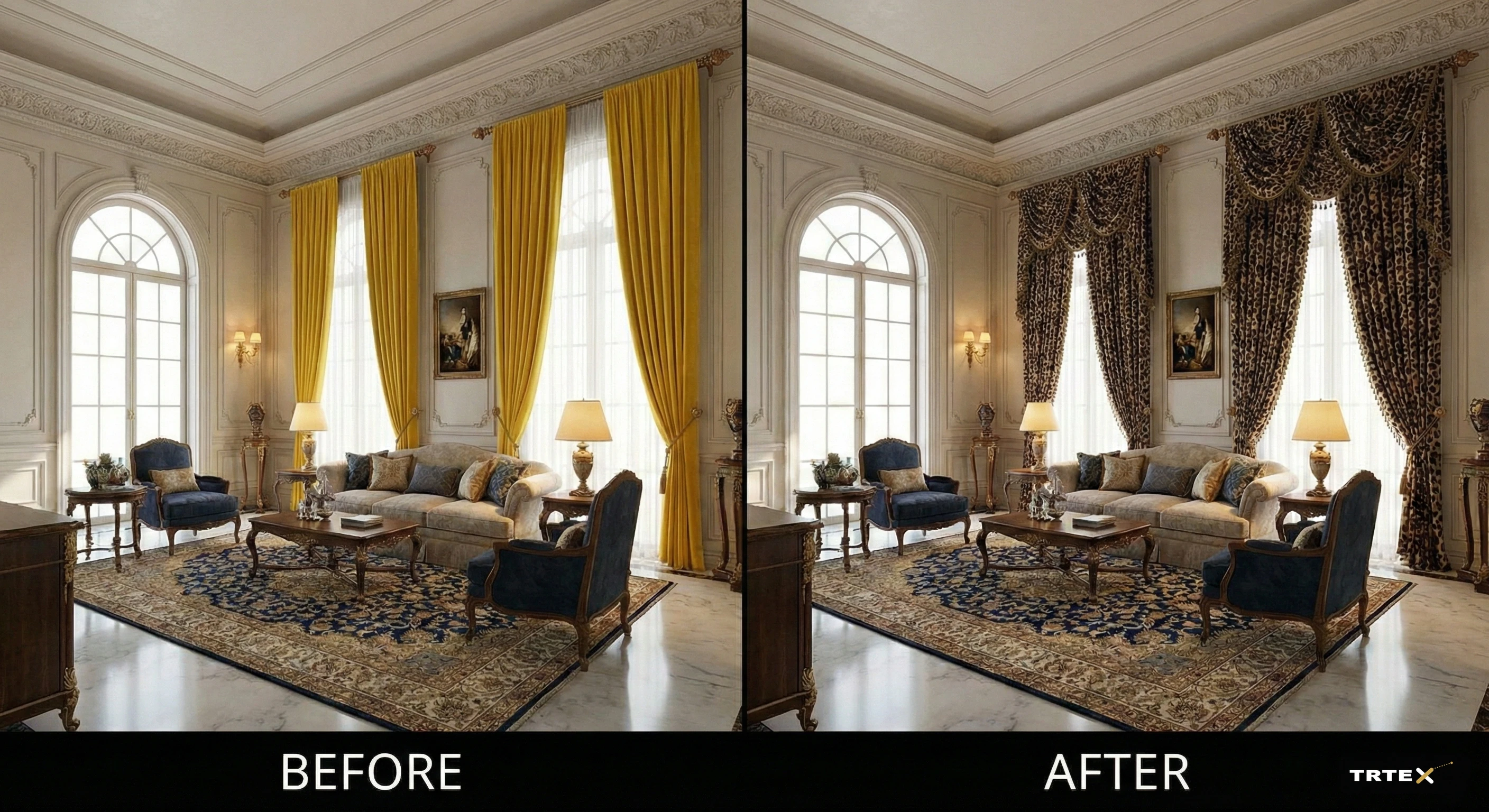
The transformative breeze of artificial intelligence (AI) sweeping through the home textile and curtain sector is radically altering workflows from design studios to factory floors, unlocking the door to personalized living spaces. This technological evolution redefines conventional operating paradigms, simultaneously elevating operational productivity and enabling agile, data-driven responses to evolving consumer aspirations.
The Problem
The traditional home textile and drapery industry historically struggled with prolonged design cycles, exorbitant sampling expenses, and difficulties in staying aligned with rapidly fluctuating consumer tastes. While bespoke demand for unique, individualized products climbed steadily, rigid mass-production models proved ill-equipped to fulfill these expectations. Subjective decision-making in selecting colors, weaves, and patterns prolonged time-to-market, eroding the competitive edge of manufacturers. Furthermore, elevated scrap rates throughout manufacturing, complex inventory dynamics, and inaccuracies in demand forecasting placed intense pressure on profitability margins. In upholstery fabrics, manual visual defect inspection elevated human error margins, while unoptimized fabric yields in drapery cutting led to substantial financial losses. The sector urgently required an agile, data-empowered architecture capable of seamless market adaptation.
The Solution
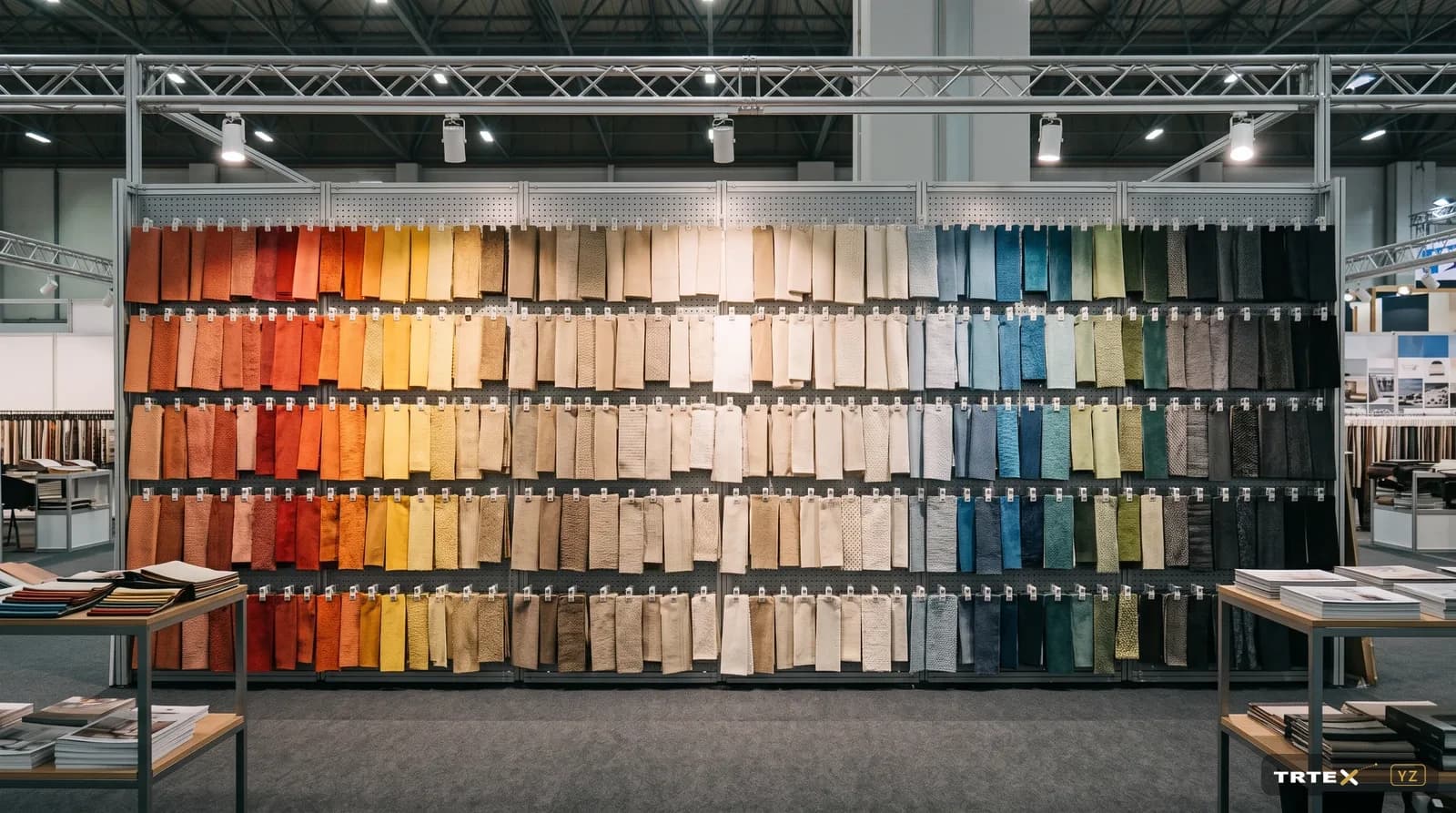
Artificial intelligence delivers comprehensive and groundbreaking solutions to the multifaceted bottlenecks faced by the home textile and window treatment sectors. At the conceptual stage, generative algorithms synthesize thousands of distinct pattern, chromatic, and tactile iterations in seconds. By evaluating customer design preferences, demographic trends, and live social media metrics, fully personalized drapery and upholstery proposals can be generated dynamically. This empowers creative designers while expanding product assortments at an unprecedented pace.
On the factory floor, AI revolutionizes fabric nesting and automated cutting. Computer-controlled cutting systems minimize fabric waste across intricate patterns, yielding significant material cost reductions. In quality inspection, AI models integrated with industrial computer vision detect minuscule surface irregularities, broken threads, or tonal discrepancies far more swiftly and consistently than human inspectors. This prevents defective merchandise from entering distribution channels, safeguarding brand equity and elevating consumer satisfaction.
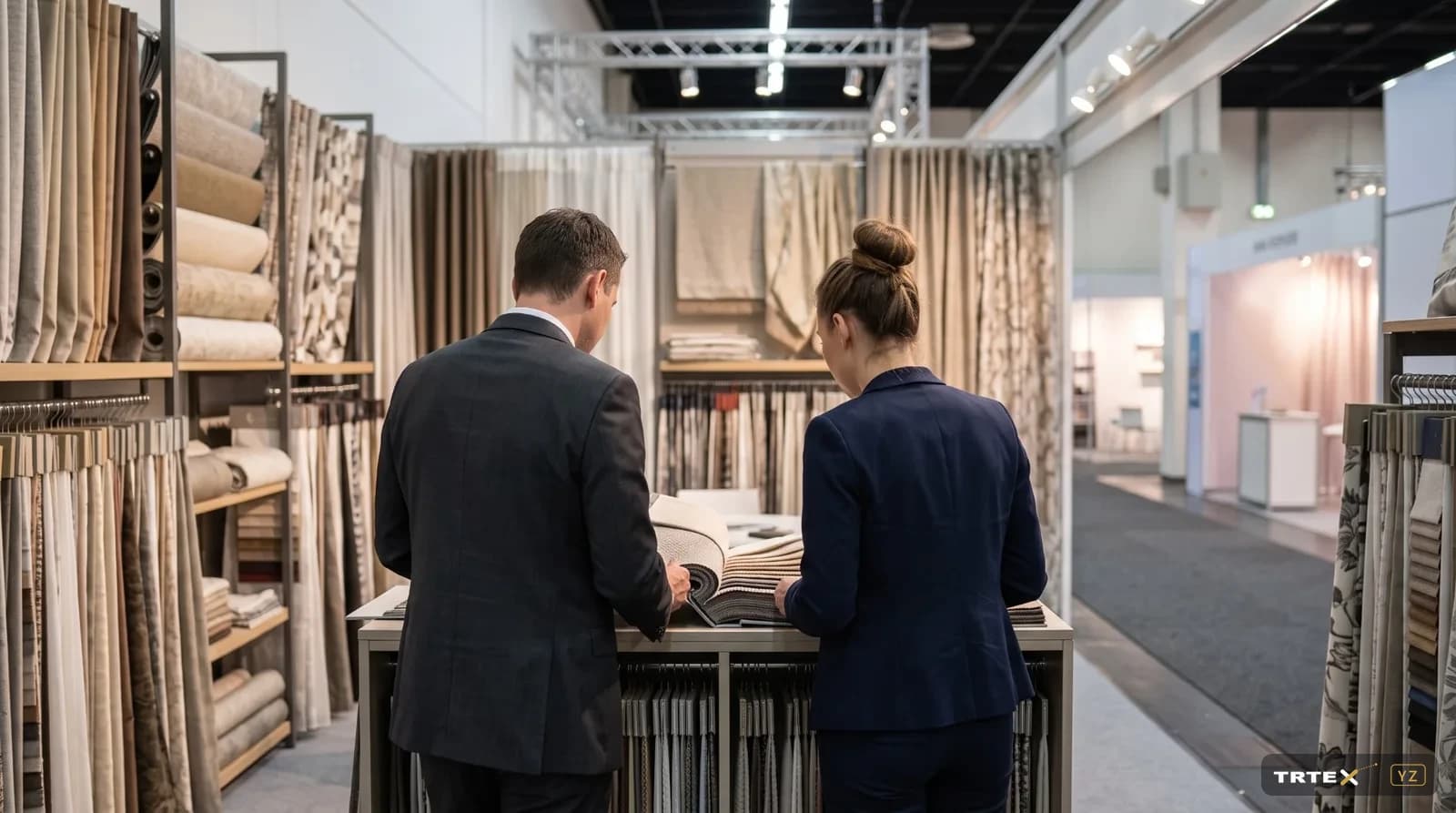
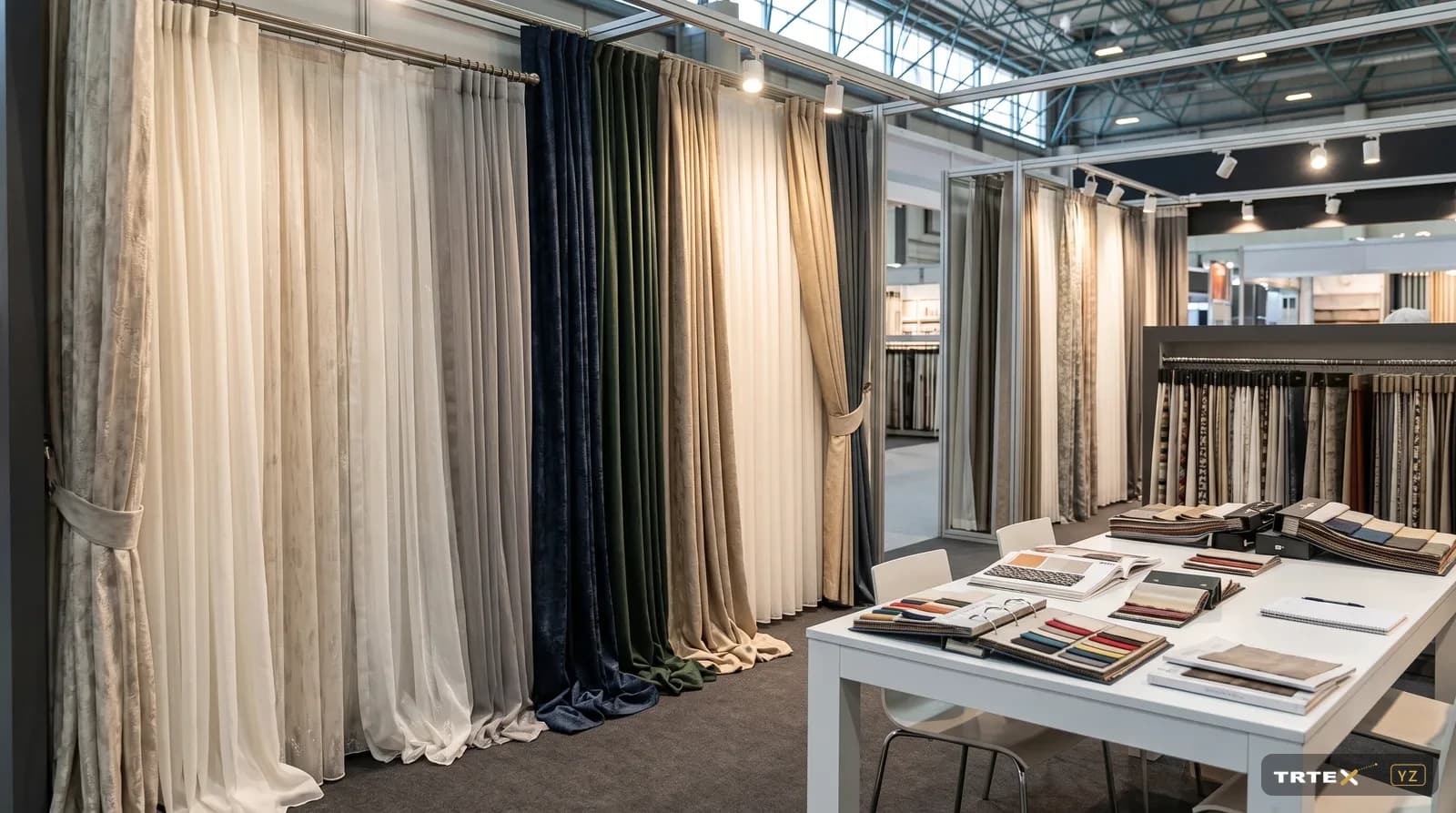
For shoppers curious about how draperies or upholstery will look inside their homes, augmented reality (AR) and virtual reality (VR) applications powered by AI enable photorealistic digital placement directly within personal spaces. Consequently, clients experience textiles in their living environments prior to finalizing orders, boosting e-commerce conversion while curtailing costly returns. Furthermore, AI optimizes supply chain mechanics by sharpening demand forecasting and managing inventory buffers. These cutting-edge frameworks are anticipated to take center stage at major upcoming trade forums such as the Atlanta Market (July 14) and Decor + Design (July 16), where industry leaders will explore expanding frontiers of AI adoption.
| Parameter | Pre-AI Average Value | Post-AI Observed Value | Improvement Rate |
|---|---|---|---|
| New Pattern Development Cycle | 4-6 Weeks | 1-2 Weeks | 50-75% Reduction |
| Fabric Cutting Waste Ratio | 10-15% | 3-5% | 60-70% Reduction |
| Customer Satisfaction (Personalization Driven) | Moderate | High | 30%+ Increase |
| Manufacturing Defect Detection Rate | 80% | 98% | 20% Increase |
| Time-to-Market Window | 3-4 Months | 1-2 Months | 50% Reduction |
Conclusion
Artificial intelligence is establishing itself not merely as a passing technological trend within the home textile and drapery sector, but as an indispensable strategic competitive differentiator. By infusing unparalleled efficiency and innovation across design, manufacturing, commercialization, and customer engagement, it empowers firms to capture market share and pioneer scalable business models. As appetite for bespoke interiors escalates, the speed and flexibility unlocked by AI become existential determinants of enduring success. By embracing this technological frontier, the industry advances confidently toward a sustainable, consumer-centric tomorrow, establishing new benchmarks of craftsmanship for every fabric that graces our homes.