Impact of Organic Fabrics on Green Fashion: Turkish Textiles
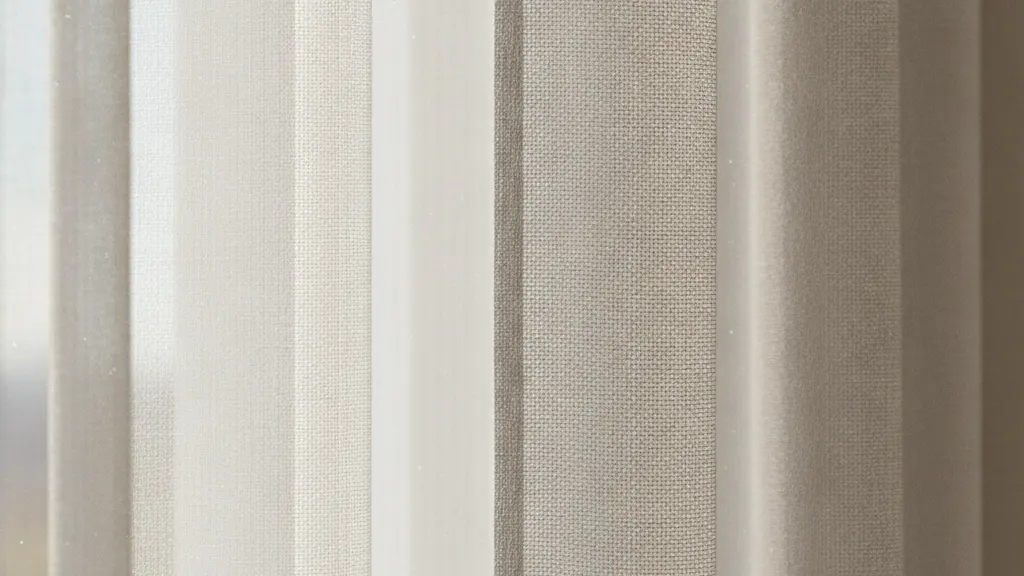
Explore how organic fabrics and sustainable certifications like GOTS drive green fashion, highlighting Denizli's $150M US export target by 2026.
The global textile industry stands on the brink of a sustainability-driven transformation. With rising consumer environmental awareness, organic fabrics have transitioned from a niche preference into a foundational pillar of the green fashion and interior ecosystem. Across home textiles, drapery, and upholstery sectors, integrating natural fibers and eco-conscious manufacturing processes plays a decisive role in securing brand competitiveness. This industry-wide evolution creates fertile commercial avenues for Turkish textile producers and exporters while necessitating agile operational adaptation and technological innovation.
According to an analysis featured in North Penn Now, the strategic prominence of organic fabrics in green fashion stems from their proven potential to reduce environmental footprints and elevate ethical production benchmarks. Sourced from natural staples such as organic cotton, linen, hemp, and bamboo, these textiles eliminate synthetic fertilizers and harmful pesticides, safeguarding soil biodiversity and curbing water consumption. As sustainable procurement accelerates across European and North American retail networks, Turkish textile expertise and integrated supply chains occupy a vital strategic position.
Market Growth Dynamics and Turkey's Strategic Position
The organic fabric sector has attained remarkable growth momentum in recent years. Industry market intelligence forecasts double-digit annual expansion for the global organic textile market over the next five years. Primary catalysts behind this trajectory include expanding eco-conscious demographics, aggressive corporate sustainability targets, and increasingly stringent international environmental mandates. Backed by centuries of textile heritage and modern manufacturing capacity, Turkey stands among the most versatile suppliers in this market.
Capitalizing on deep technical expertise in organic cotton and linen processing, Turkish mills maintain commanding market share across European and US hospitality channels. Notably, Denizli-based home textile exporters have established an ambitious $150 million export target by the end of 2026 dedicated to GOTS-certified bathrobes for the US sustainable luxury hotel segment. This landmark milestone underscores deep regional confidence and substantial capital investment in eco-certified manufacturing, elevating Turkey's global brand equity and commercial resilience.
Green consumer trends continue to stimulate substantial export demand across the European contract and home textile sectors. Conformance with rigorous ecological criteria propels export volumes to unprecedented levels. To satisfy this sustained international pull, Turkish weavers are expanding capacity while directing focused R&D investments toward next-generation sustainable fiber blends, positioning Turkey not merely as an assembly hub, but as an internationally recognized center for eco-textile innovation.
Sustainable Supply Chains and Critical Certifications
Alongside the rise of organic fibers, establishing verifiable supply chains and maintaining premier international certifications represents a vital operational imperative for Turkish mills. Discerning global buyers demand that products not only feature organic inputs, but also adhere strictly to verified environmental and social governance standards across every processing tier.
- GOTS (Global Organic Textile Standard) Certification: GOTS represents the world's leading standard for organic fiber processing. Covering the entire supply chain from raw harvesting through ethical finishing, it guarantees chemical safety and social compliance, serving as an indispensable passport into Western retail markets.
- OEKO-TEX Standard 100: This benchmark guarantees that finished textile articles remain entirely free from harmful chemical residues. Understanding the operational distinction between OEKO-TEX safety verification and GOTS organic certification provides Turkish mills with a pronounced competitive edge.
- Supply Chain Traceability: Modern institutional buyers require verifiable transparency regarding fiber provenance and processing history. Blockchain tracking platforms and digital tracing solutions reinforce brand authenticity and mitigate greenwashing risks.
- Water and Energy Efficiency: Closed-loop dyeing installations and low-liquor ratio machinery significantly reduce manufacturing overhead while lowering carbon footprints, driving comprehensive ecological modernization across Turkish production facilities.
Technical Processes and Industrial Implementation
Manufacturing certified organic fabrics demands far more specialized engineering controls than conventional textile processing. From field harvesting to spinning, weaving, and wet finishing, synthetic chemical auxiliaries are replaced with non-toxic, plant-based alternatives. Industrial dyehouses utilize closed-loop filtration mechanisms and low-impact reactive dyestuffs to minimize effluent toxicity and conserve freshwater resources.
Achieving and retaining internationally recognized certifications involves exhaustive documentation and recurring third-party audits. Weavers must maintain full batch segregation and traceability from yarn procurement to final shipping carton. Turkish mills have established exemplary track records in audit compliance, cementing their standing as reliable Tier-1 partners for global luxury retail brands.
Future Outlook and Strategic Directives
The organic textile revolution presents Turkish manufacturers with an unprecedented opportunity to capture premium margins and expand global market share. Capitalizing on shifts in consumer preferences requires disciplined, forward-looking strategic execution across several pivotal operational domains.
Primary focus must center on R&D investment in circular fibers, including mechanically recycled organic cotton and bio-based regenerated staples. Secondly, deepening compliance with emerging circularity frameworks ensures uninterrupted access to Western European markets. Thirdly, expanding digital B2B discovery channels enables mills to effectively convey their sustainability credentials directly to international procurement teams. Finally, fostering cooperative vertical alliances strengthens ethical standards from spinning mill to finished export package.
Looking forward, organic and circular textiles will capture an expanding share of the global home and contract market. By spearheading sustainable innovation and rigorous certification, Turkish textile enterprises will continue to propel economic growth while leading the international transition toward an ethical, green fashion future.