EU Ban on Destroying Unsold Textiles: A Roadmap for Turkish Exporters
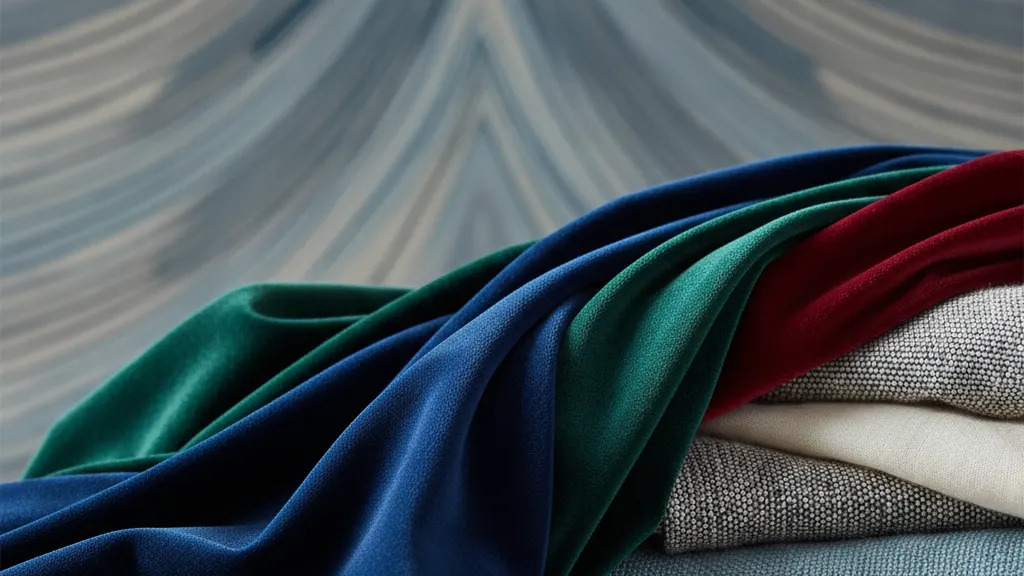
Effective July 19, 2026, the European Union's ban on the destruction of unsold textile goods necessitates strategic adaptations in inventory control and circular sustainability for Turkish textile exporters.
The European Union is enacting a profound transformation within the consumer goods landscape: effective July 19, 2026, the destruction of unsold or customer-returned textile products and footwear will be strictly prohibited across member states. While primarily directed at multinational apparel chains, fashion conglomerates, and expansive retail groups, this milestone regulation imposes a mandatory adaptation cycle upon Turkish home textile, curtain, upholstery, and technical shading manufacturers, wholesalers, and exporters servicing European markets. The principal regulatory objective is to halt systematic textile waste, accelerate circular economy mechanisms, and radically curtail industrial carbon emissions. Far from representing merely an administrative encumbrance, this new legislative era unlocks unprecedented avenues for competitive differentiation through agile, circular commercial models.
The directive establishes a legal mandate requiring unsold inventory to be prioritized for charitable donation, remanufacturing, certified refurbishment, or secondary distribution channels before any end-of-life processing is contemplated. Consequently, European brand buyers are overhauling enterprise resource planning, demand forecasting, and inventory lifecycle methodologies. In lockstep with their European principals, Turkish manufacturing partners must restructure production flexibility, minimize dead-stock risks, and institutionalize circular textile design protocols across all operational stages. The Turkish textile sector possesses the technical agility and industrial depth required to leverage this regulatory pivot and strengthen its commanding presence in European commerce.
Scope of the EU Regulatory Ban and Operational Repercussions for Exporters
The core philosophy propelling this European Union ban is the definitive dismantling of linear "take-make-waste" industrial habits and systematic overproduction. By legally prohibiting commercial conglomerates from incinerating or shredding excess inventories, the directive compels brand owners to redirect surplus goods toward structured donations, professional repair ecosystems, and accredited resale networks. For Turkish manufacturers supplying home textiles, draperies, and upholstery fabrics to European retail brands, this policy shift triggers sweeping recalibrations in contracting frameworks, production batch volumes, and warehouse buffer planning. Eliminating overproduction risks requires transitioning away from speculative volume runs toward highly responsive, demand-synchronized manufacturing frameworks.
As documented in industry reports by Innovation in Textiles, post-market inventory management in the European theater will be governed by stringent oversight frameworks and auditable traceability obligations. Turkish exporters must rapidly adapt to the new procurement specifications and verification standards formulated by European tier-one buyers. Increased supply chain visibility, auditable environmental footprint statements, and certified fiber recyclability will become baseline contractual requirements. Manufacturers must therefore expand their focus beyond classical visual aesthetic and structural longevity to actively authenticate the circular attributes of every textile article delivered.
Historically, destroying surplus inventory was standard commercial protocol for luxury brands seeking to preserve exclusive pricing and protect trademark equity. The EU's decisive legislative intervention terminates this wasteful practice permanently. Turkish exporters must decisively re-evaluate traditional large-scale minimum order quantity (MOQ) structures, adopting agile, on-demand, and circular production models designed to eliminate dead stock before it materializes.
Emerging Market Trajectories and Strategic Commercial Opportunities
This European legislative landscape unlocks compelling commercial avenues and innovative market niches for Turkish textile exporters. In an effort to eliminate systematic inventory surpluses, European Union consortia are funding on-demand manufacturing micro-factories positioned directly near regional consumption centers. This systemic transition presents extraordinary opportunities for Turkish home textile producers capable of delivering accelerated lead times and hyper-flexible batch runs. By integrating into distributed micro-manufacturing networks and investing in agile production cells, Turkish manufacturers can capture substantial premium market share across Europe.
- Inventory Management Optimization: Turkish exporters will encounter intensified demands from European retail partners to suppress buffer inventories and eliminate surplus stock risks. Meeting these benchmarks demands advanced algorithmic sales forecasting, just-in-time loom setups, and compressed delivery logistics.
- Outlet and Secondary Market Integration: European brands will actively channel excess goods into certified outlet stores, secondary recommerce platforms, and accredited philanthropic initiatives. Turkish manufacturers can develop purpose-built collections optimized for multi-cycle durability or orchestrate circular reverse logistics partnerships.
- Circular Design and Eco-Engineered Production: Procurement demand will favor home textiles engineered for extended lifespans, easy disassembly, and mechanical or chemical recyclability. Turkish mills adopting mono-material fiber blends and closed-loop dyeing chemistries will achieve superior competitive distinction.
- Contractual Risk-Sharing Architecture: European brand buyers increasingly seek strategic partnerships that distribute inventory liability equitably across the value chain. Turkish suppliers that formulate flexible production contracts and shared-risk manufacturing protocols will emerge as preferred tier-one partners.
Technical Standards, Regulatory Frameworks, and Certification Protocols
Complementing the revised EU Waste Framework Directive, the Ecodesign for Sustainable Products Regulation (ESPR) published in the Official Journal of the European Union establishes that by the end of 2026, textile goods exported to the European Union will be subjected to mandatory circularity criteria and certified recycled content standards like GRS (Global Recycled Standard). Turkish manufacturers must accelerate their compliance schedules to guarantee uninterrupted customs clearance. GRS certification authenticates post-consumer recycled fiber proportions while verifying social, environmental, and chemical management rigor across production facilities.
The ESPR ecodesign mandate evaluates the environmental profile of textile articles from conceptual drafting onward. Beyond merely utilizing recycled yarns, the framework mandates rigorous assessments of fabric tensile durability, repairability, microplastic fiber shedding rates, and post-consumer recyclability. Turkish manufacturers must operationalize a comprehensive "design for circularity" methodology. Concurrently, new digital tracking, product passport interfaces, and verifiable traceability mechanisms will govern all customs entry points. Demonstrating holistic social and environmental compliance across every processing tier is an absolute condition for operating within the European sphere.
Strategic Action Roadmap and Industry Projections for Turkish Textiles
The European Union's statutory ban on destroying unsold textile goods marks the dawn of a transformative industrial paradigm for the Turkish home textile, curtain, and upholstery manufacturing sectors. Navigating this transition successfully requires domestic exporters to deploy proactive adaptations across operational planning, chemical transparency, and sustainable material procurement. Rather than treating these environmental mandates as regulatory hindrances, Turkish industrialists should capitalize on them as historic opportunities to capture premium European accounts and lead global circular textile innovation.
Moving forward, sustained export leadership across European markets will belong to Turkish enterprises that aggressively invest in automation, advanced shop-floor digitization, and agile short-run production capabilities while embedding circular design principles into their core collections. Strengthening collaborative partnerships with European brand principals to co-create compliant, zero-waste supply solutions will ensure long-term commercial dominance. By championing this systemic transition, the Turkish textile sector can decisively anchor its status as the world's most resilient and forward-looking hub for sustainable home textiles.
Effective July 19, 2026, the European Union's ban on the destruction of unsold textile goods necessitates strategic adaptations in inventory control and circular sustainability for Turkish textile exporters.