Winds of Sustainability and Digitalization Across the Global Home Textile Market
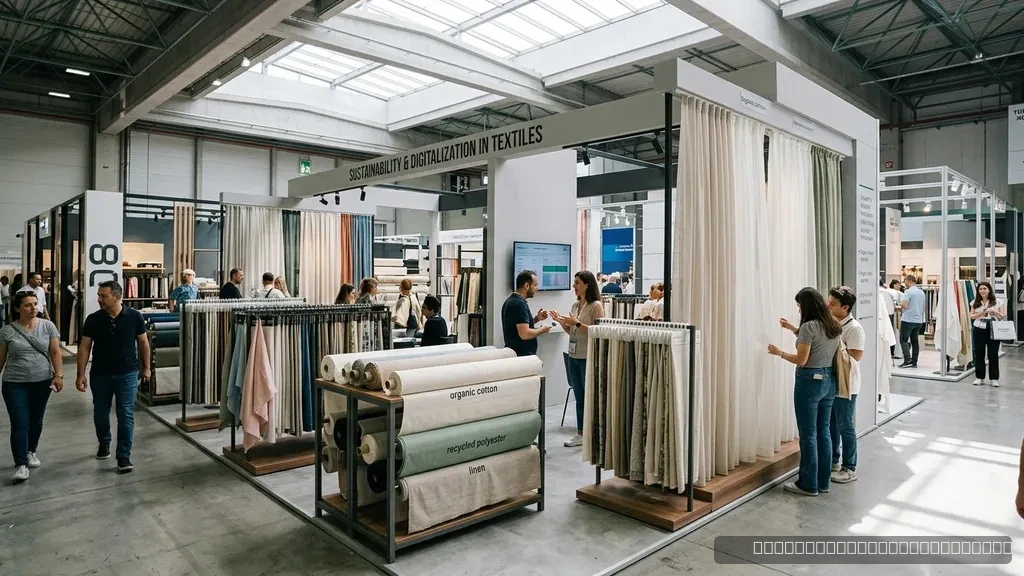
The global home textile landscape is being transformed by sustainability imperatives and digital technologies, creating new market opportunities and strategic paradigms for Turkish manufacturers.
The global home textile, curtain, and upholstery industries are undergoing major structural transformation driven by sustainability innovations and digital technology integration. Escalating environmental consciousness among global consumers alongside rapid adoption of smart home automation compels manufacturing enterprises to reorganize operations from weaving floors to design studios. This systemic transition directly impacts procurement strategies of multinational retail leaders while opening new competitive advantages and premium market dynamics for Turkish textile mills and exporters.
Projections indicate the global home textile sector will sustain steady expansion through 2026, fueled by rising disposable incomes, accelerated urbanization, and vigorous residential construction across emerging economies. However, the true transformative catalyst remains the convergence of ecological accountability and digital process integration. These dual pillars are fundamentally reshaping value chains, providing an exacting benchmark for the adaptive capacity and innovation readiness of the Turkish textile industry.
Post-Heimtextil 2026: Sustainable Craftsmanship and Intelligent Weaving Technologies
Heimtextil 2026 in Frankfurt, the premier global barometer for residential and contract textiles, concluded with exceptional international engagement exceeding industry forecasts. The trade fair spotlighted pioneering product lines and collaborative ventures anchored in sustainable craftsmanship and intelligent weaving technologies. Exhibitors presented collections incorporating organic cottons and post-consumer recycled polyesters alongside smart, energy-efficient draperies and upholstery engineered for active solar and thermal regulation. These showcases confirmed that international buyers increasingly prioritize products combining design aesthetics with rigorous functional performance.
Another dominant trend at Heimtextil 2026 was the ascendance of modular, personalized architectural fabrics. The consumer drive to tailor living spaces prompted mills to introduce versatile, responsive collection architectures. Motorized roller shades and venetian systems engineered for seamless integration into building management and smart home protocols generated intense interest. Enabling users to control ambient daylight and thermal gain via mobile applications or voice interfaces, these systems unify comfort with measurable energy savings. This market direction offers a precise development roadmap for Turkish manufacturers seeking higher export margins.
Post-exhibition assessments emphasized that digitalization plays a decisive role across commercial marketing and distribution architectures as well as automated manufacturing. Virtual reality (VR) and augmented reality (AR) visualization engines enabled procurement teams to render fabrications in photorealistic 3D environments, dramatically accelerating contracting cycles. Adopting these digital visualization suites is essential for Turkish firms seeking to reinforce global market share.
The Global Home Textile Landscape and Multinational Enterprise Strategies
Multinational home furnishing powerhouses are deploying extensive capital into circular sourcing and applied technical innovation. For example, Scandinavian retail giant IKEA is systematically expanding sustainable cotton procurement while scaling merchandise lines fabricated from recycled plastic waste. Concurrently, US-headquartered industrial leaders such as Springs Global are differentiating product lines through smart fabric finishes and digital pigment printing. By institutionalizing clean manufacturing, these corporate entities elevate brand prestige while answering the demands of environmentally vigilant consumers.
- Sustainability Accreditation Frameworks: Institutional procurement directors and international retail chains mandate certified compliance with global sustainability standards, notably GOTS (Global Organic Textile Standard) and OEKO-TEX. Rigorous adherence to these benchmarks directly determines the market access of Turkish producers.
- Supply Chain Traceability: Heightened buyer scrutiny regarding product provenance and ethical manufacturing is driving brands to demand transparent supply chains. Solutions such as distributed blockchain ledgers provide verifiable end-to-end lifecycle tracking.
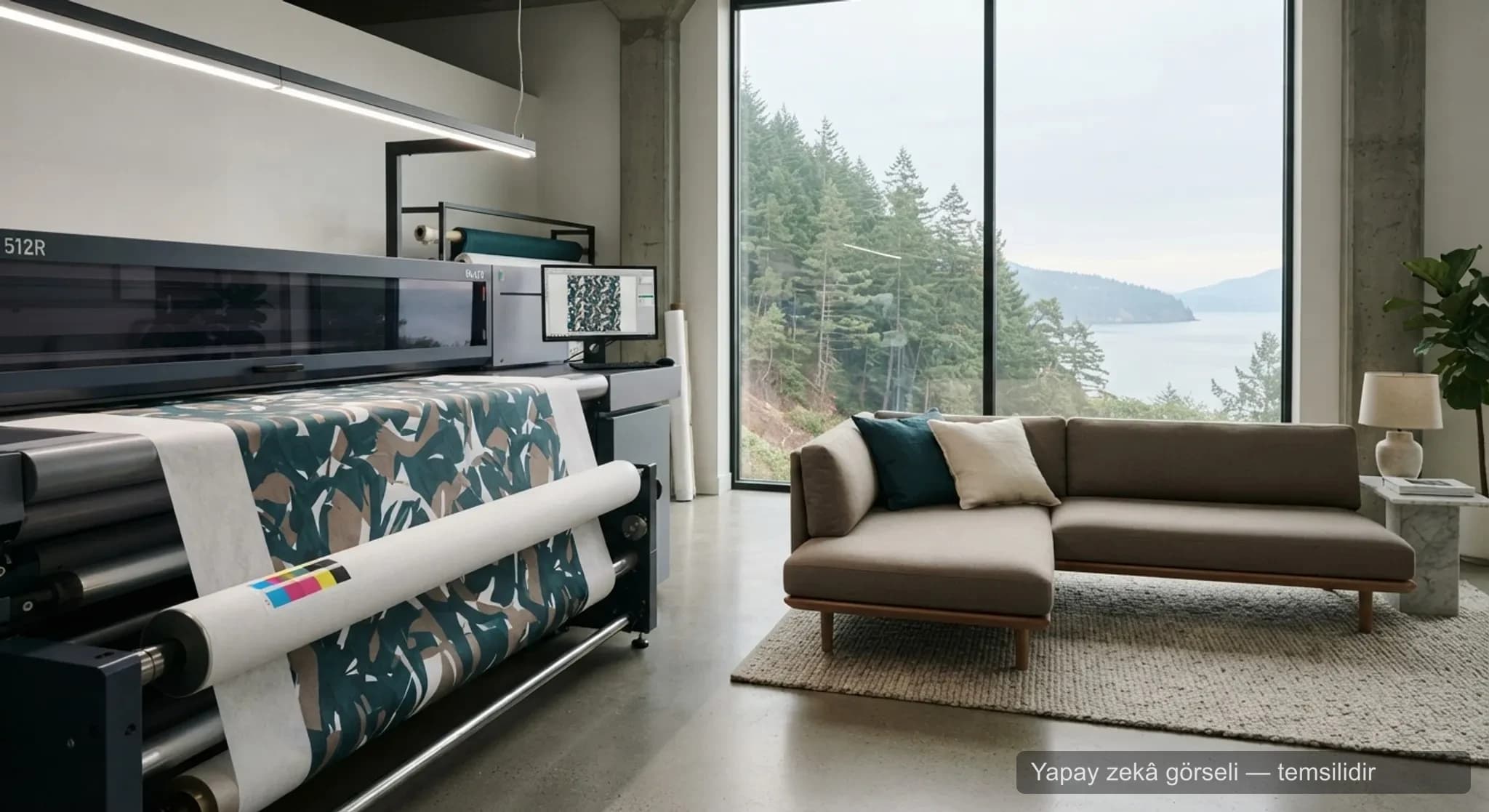
- Digital Manufacturing Transformation: Robotic shopfloor automation, artificial intelligence in CAD development, and virtual 3D fabric sampling substantially compress development lead times while eliminating physical sample waste. Turkish mills integrating these digital capabilities will bridge productivity differentials with foreign competitors.
- E-Commerce and B2B Digital Marketing: The rapid growth of digital distribution channels makes online portals indispensable for direct commercial reach. Multinational corporations are investing heavily in proprietary B2B client portals and data-driven marketing, highlighting the necessity for Turkish manufacturers to optimize digital channels.
The Technological Wave in Smart Textiles and Motorized Window Shading
The interior textile industry is experiencing a profound technological convergence with smart home automation. Smart textiles and motorized shading systems deliver thermal insulation and operational convenience, unlocking high-margin commercial avenues for Turkish producers. These installations are transitioning from luxury private residences into corporate offices, healthcare facilities, and hospitality properties. Escalating building energy costs and green building standards like LEED have elevated motorized shading into a core architectural requirement.
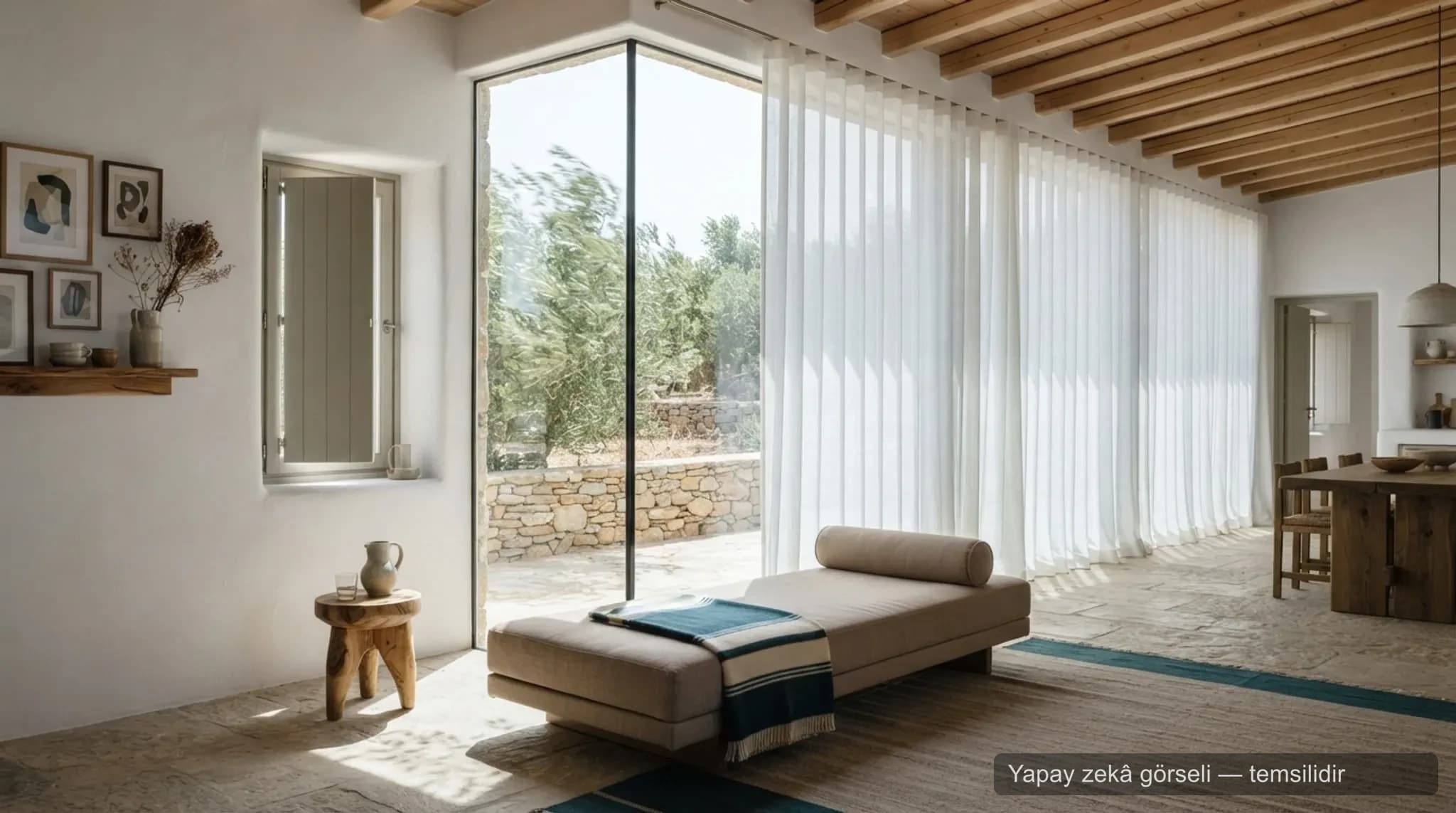
Motorized drapery and roller shades optimize solar heat gain, significantly lowering HVAC electricity loads while enhancing privacy and acoustic control. Designing and commissioning these systems demands multidisciplinary technical mastery. By stepping up dedicated R&D allocations, Turkish manufacturers can engineer proprietary integrated shading systems that command premium pricing. Focusing on accredited electrical safety and performance certifications will establish enduring credibility across international engineering channels.
Actionable Takeaways and Strategic Directives for Turkish Textile Mills
The dynamic restructuring of the global home furnishings market brings substantial commercial opportunities alongside complex operational imperatives for Turkish manufacturers, wholesalers, and exporters. As underscored by Heimtextil 2026, green manufacturing and technological integration are non-negotiable prerequisites. To maintain international competitiveness, Turkish firms must execute decisive strategic actions:
First, direct capital expenditures toward certified sustainable raw materials and low-carbon production technologies. Textiles engineered from organic, recycled, and biodegradable yarns are commanding priority consideration among global procurement directors. Second, concentrate product development on high-tech functional weaves and motorized shade mechanisms, where targeted R&D partnerships can open lucrative contract markets. Third, expand investments in digital marketing architectures and B2B trade platforms to engage international buyers directly. Finally, comprehensive compliance with accredited international certifications and verifiable supply chain traceability remain essential baselines for securing long-term multinational contracts. The Turkish textile sector possesses the technical resilience, agile production capacity, and design sophistication needed to turn this global transformation into an enduring competitive triumph.
Future market projections confirm that personalized customer experience and emotional resonance will dominate interior textiles. Modern consumers seek authentic narratives and design integrity alongside functional performance. By merging its centuries-old weaving heritage with contemporary architectural styling, the Turkish textile industry can deliver distinctive high-value solutions, transforming from an outsourced supplier into an international trendsetter and innovation hub.
The global home textile landscape is being transformed by sustainability imperatives and digital technologies, creating new market opportunities and strategic paradigms for Turkish manufacturers.