US Customs Regime Shifts: New Strategic Advantages for Turkish Home Textiles
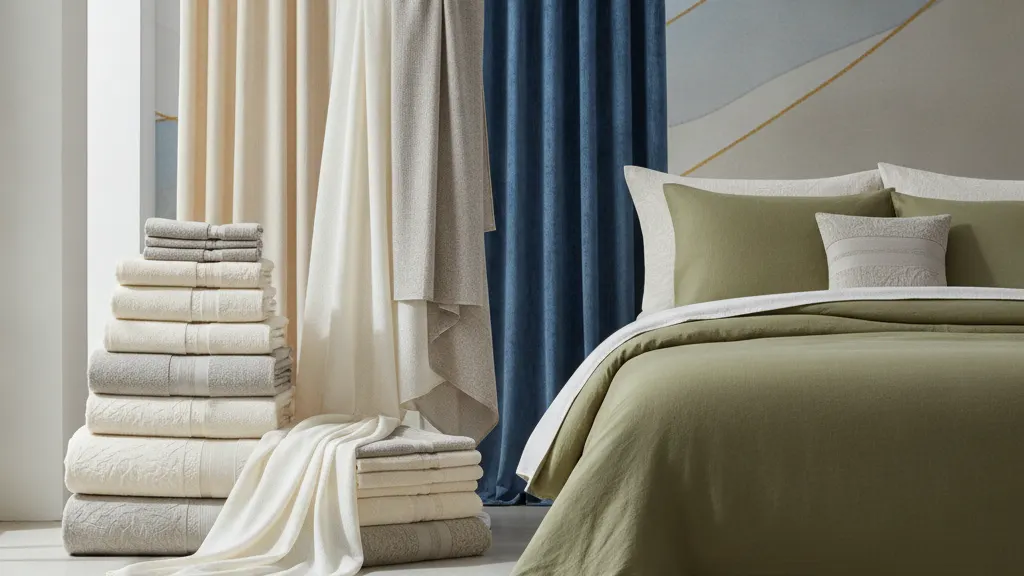
New US customs regulations, especially Section 301 additional tariffs, position Turkish home textile manufacturers favorably against global rivals. Manufacturers must verify their HTS product codes.
The United States is recalibrating global trade balances with newly updated customs regulations entering into force on July 24, 2026. Under Section 301 provisions, additional customs duties ranging from 10% to 12.5% imposed across 60 economies will primarily impact major textile-producing nations including China, India, Vietnam, and Thailand. This regulatory realignment offers a decisive competitive advantage for the Turkish home textile sector, unlocking substantial potential to expand its market share across the US.
Industry analysts emphasize that these tariff adjustments could signal the dawn of a transformative era for Turkish textile and soft furnishing exporters. Primarily enacted to address supply chain vulnerabilities and labor governance concerns, these surcharges compel US importers to restructure procurement, spotlighting reliable partner nations like Turkey that boast certified sustainable manufacturing infrastructures.
New US Customs Policies and Sectoral Impacts on Global Textiles
Pursuant to determinations by the Office of the United States Trade Representative (USTR), the supplemental tariffs effective July 24, 2026 will substantially elevate import costs for select competitor countries. While leading textile exporters like China, India, Vietnam, and Thailand face the upper 12.5% surcharge tier, Turkish goods remain subject to markedly lower effective rates. This tariff differential confers a distinct commercial pricing advantage upon Turkish manufacturers operating in the American market.
For instance, while cumulative Section 301 duties push the effective import tariff on Chinese textiles up toward approximately 35%, Turkish merchandise incurs an effective band of only 10% to 15%. This structural price gap renders Turkish collections significantly more appealing to American commercial buyers, paving the way for accelerated market penetration. Over the medium term, this dynamic is poised to expand Turkey's current 11.8% volume share in the US home textile market.
Nevertheless, the precise commercial upside hinges upon granular Harmonized Tariff Schedule (HTS) classification. While the headline 12.5% surcharge applies primarily to apparel (HTS Chapters 61-62), home textile products (HTS Chapter 63: bed linens, curtains, terry towels) and drapery piece goods (HTS Chapters 50-60) are governed by the specific HTS-line schedule outlined in Annex II. Consequently, mills must audit their precise export product codes with absolute diligence.
Market Dynamics and Commercial Opportunities for Turkish Mills
The revised US customs regime is set to trigger widespread restructuring throughout North American retail supply chains. For Turkish home textile producers, this shift unlocks not only near-term price competitiveness but also the strategic opportunity to establish long-term standing as dependable, ethically verified vendors. As American corporate buyers seek diversified sourcing to mitigate geopolitical exposure, Turkey's integrated manufacturing base, technical versatility, and logistical agility come to the fore.
- Price Competitiveness: Lower applicable tariff burdens compared to Asian competitors enable Turkish textiles to be offered at highly competitive delivered wholesale pricing across the US.
- Supply Chain Security: Confronting trade policy turbulence, US importers are actively de-risking single-source dependencies. Turkey stands out as an established, diplomatically stable industrial partner.
- Quality and Verified Sustainability: Renowned for premium finishing and stringent adherence to environmental standards, Turkish mills cater directly to the surging American retail demand for ethically certified goods.
- Operational Agility and Rapid Fulfillment: Favorable maritime logistics and well-developed air freight infrastructure facilitate shorter lead times, helping American retailers minimize warehouse holding costs.
Technical Specifications and Strategic Roadmap for Exporters
The official effective date for the revised customs regulations is July 24, 2026, at 12:01 AM Eastern Daylight Time. A limited transit exemption window extends until July 28. Notably, merchandise already covered under Section 232 protocols, USMCA (Canada/Mexico originating goods), and qualified CAFTA-DR textiles remain exempt from these specific additional duties.
To capitalize effectively on this shifting regulatory landscape, Turkish home textile manufacturers should execute a proactive operational playbook:
Manufacturers must immediately audit the 10-digit HTS classifications of their export lines against the published Annex II tariff schedules. Rigorous verification is essential to determine exact duty liabilities prior to container dispatch. Authoritative portals such as Global Trade Alert, Morgan Lewis customs advisories, and the official USITC HTS database represent critical technical resources for regulatory validation.
Strategic Conclusions and Outlook for Turkish Textile Exporters
The restructuring of the US tariff architecture places the Turkish home textile industry in an enviable strategic position vis-à-vis global competitors, particularly China. However, because tariff exposure across home furnishings remains tied to discrete tariff subheadings, manufacturer-level classification audits remain imperative. Seizing this historic opportunity requires disciplined market research, active trade representation, and agile product development.
By leveraging its fundamental strengths—superior product longevity, verified eco-credentials, and responsive contract manufacturing—the Turkish textile sector is primed to maximize export earnings. Deepening commercial relationships with US importers and institutional retail buyers will enable Turkish mills to transform this regulatory pivot into enduring global market leadership.
New US customs regulations, especially Section 301 additional tariffs, position Turkish home textile manufacturers favorably against global rivals. Manufacturers must verify their HTS product codes.