Küçükçalık Since 1940: Five Sectors Across 200,000 m² — Home + Technical Textiles Under One Roof for Buyers
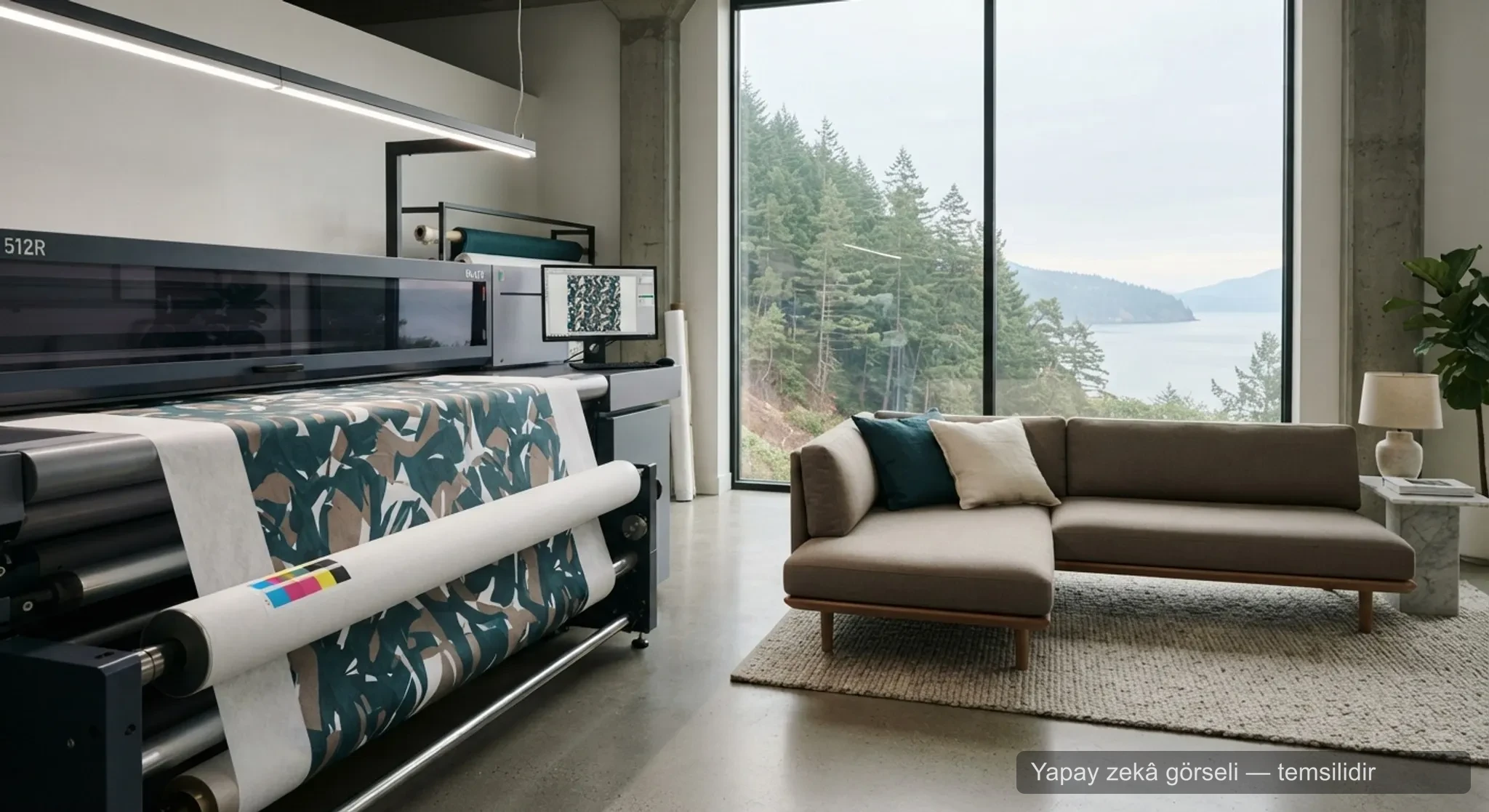
From its beginnings in 1940, Küçükçalık Group operates across 200,000 m² of enclosed facilities, spanning five sectors from home textiles to medical and automotive fabrics.
Küçükçalık Group of Companies, which commenced commercial operations in 1940, today continues its activities on a global scale with manufacturing facilities in Turkey and Egypt. According to official corporate history records, operations are carried out across 200,000 square meters of enclosed production area with an international workforce of approximately 3,000 employees. The production structure, which originated with home textiles, has today expanded across five distinct manufacturing sectors encompassing technical textiles, medical fabrics, and automotive textiles.
This integrated manufacturing infrastructure within the group represents a technical model of industrial transformation and market diversification for Turkish textile manufacturers and exporters. Merging home textile production lines with technical textile standards enables the development of high-value-added product groups within the global supply chain. This capability constitutes substantial capacity, particularly in fulfilling contract (hospitality) and technical textile demands across European and Middle Eastern markets.
Industrial Capacity and Integration Process from 1940 to the Present
According to data from the official corporate history page of Küçükçalık Group, the foundations of the enterprise were laid in 1940 by Nuh Mehmet Küçükçalık through fabric trading in Kayseri. Following the expansion of trading activities to Istanbul Sultanhamam, production investments reached industrial scale with the establishment of the first weaving mill in 1990. In 1992, the integrated manufacturing structure was completed with the commissioning of dyeing and printing mills alongside the opening of the garment manufacturing unit.
Today, the company ranks among Turkey's Top 500 Industrial Enterprises according to official listings. Manufacturing operations continue in facilities located in Turkey as well as Egypt, conducting operations over a combined 200,000 square meters of covered space. Managed from headquarters in Istanbul Merter, this operational network is supported by an international team of approximately 3,000 people.
This historical evolution illustrates the stages of transition from traditional fabric commerce to fully integrated industrial manufacturing. Combining weaving, dyeing, printing, and confection processes under a single roof remains an industrial imperative for standardizing product quality and optimizing delivery lead times.
Diversified Product Portfolio Across Five Sectors and Technical Textiles
Moving beyond conventional home textile manufacturing, the group operates across five core sectors: home textiles, apparel fabrics, hotel/contract (hospitality) textiles, medical textiles, and automotive textiles. Manufacturing across technical textile domains such as medical and automotive alongside home furnishings demonstrates the company's R&D depth and manufacturing agility.
An examination of active product lines highlights the following key technical and aesthetic categories:
- Blackout fabrics and technical roller blind base materials,
- Sheer and embroidery collections,
- Bed linen collections,
- Velvet and canvas upholstery fabric collections.
While the hospitality and contract textile segment necessitates compliance with international fire retardancy standards, automotive and medical textile domains are governed by technical criteria such as high tensile strength and specialized filtration properties. This broad diversification provides a stabilizing buffer that mitigates exposure to cyclical market fluctuations.
Sakarya Hendek Investment and Global Supply Power
According to new investment announcements published in corporate news releases, a new facility investment totaling 40 million USD is currently underway in Sakarya Hendek. This investment aims to expand manufacturing capacity while deploying modern production technologies. Investments of this scale serve as a vital benchmark for preserving the global competitiveness of the Turkish textile industry.
Market presence across global regions is further reinforced by digital product traceability on B2B platforms. The company maintains 59 visual swatch products within digital product libraries, enabling international procurement teams to inspect technical specifications and patterns via digital channels.
Scale and Technical Textile Synergy for the Turkish Textile Industry
For Turkish home textile manufacturers and exporters, Küçükçalık's operational structure demonstrates how traditional home textile production can be coupled with high-value technical textile segments. This multi-faceted manufacturing framework operating over 200,000 square meters showcases not only volumetric scale, but also the capability to enter stringent regulatory sectors including automotive and medical. Sektoral stakeholders benefit significantly from analyzing such integration models and R&D-led diversification strategies to strengthen their standing across global supply chains.
This content was compiled with AI assistance from the cited source — Küçükçalık Tekstil (resmî tarihçe sayfası). (AB 2024/1689 Md. 50)
From its beginnings in 1940, Küçükçalık Group operates across 200,000 m² of enclosed facilities, spanning five sectors from home textiles to medical and automotive fabrics.