Two Landmark Investments and Technological Transformation in Turkish Home Textiles
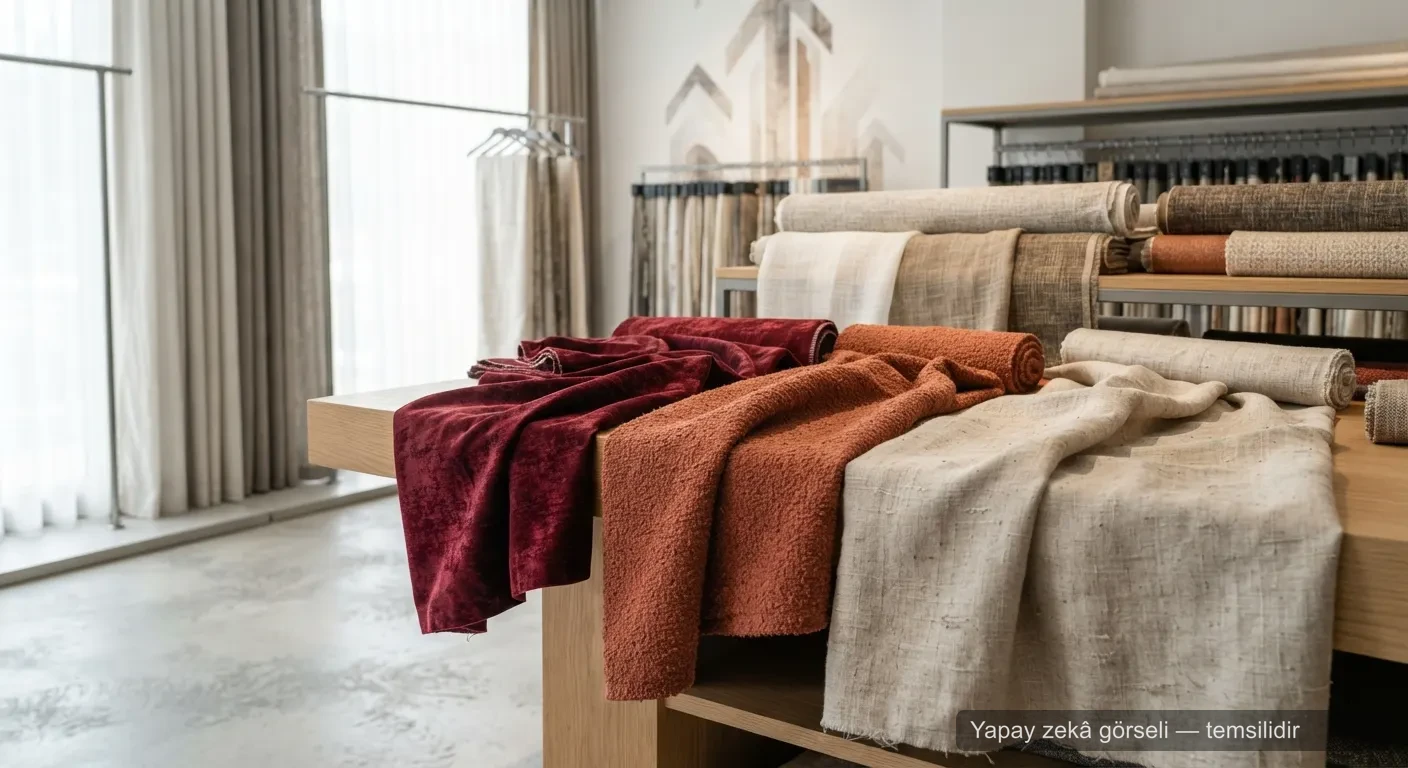
Özyurt Tekstil's €6.2M Staubli jacquard investment in Bursa and KTO Çarşaf's 85M TRY facility in Konya are accelerating Turkey's technical home textile capabilities.
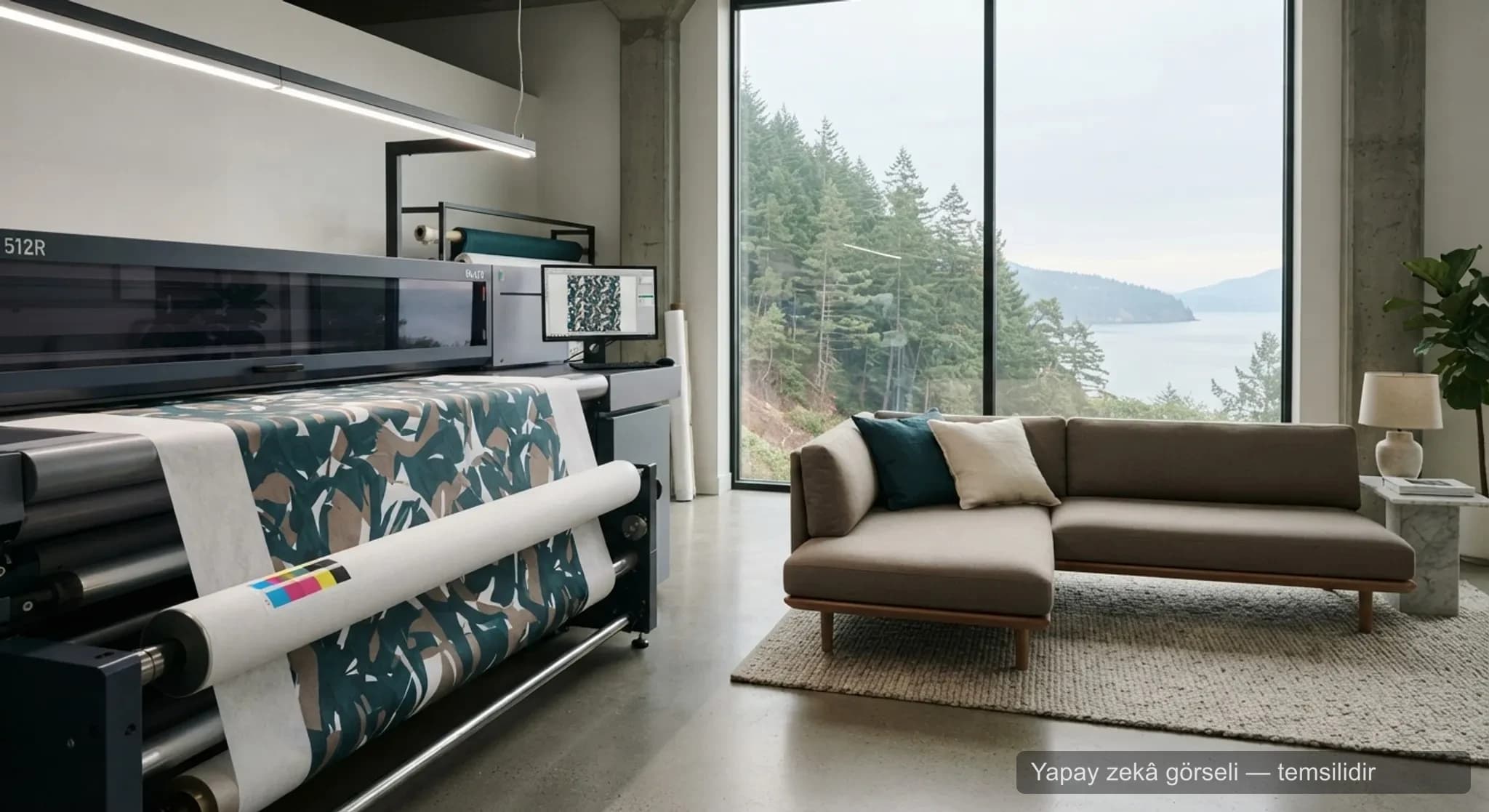
The Turkish home textile sector is consolidating its competitive prowess across global markets through two landmark investment initiatives centered on high-value-added manufacturing and advanced technological modernization. Bursa-based fabric weaver Özyurt Tekstil has finalized a €6.2 million agreement with French manufacturer Staubli to overhaul its jacquard infrastructure and double overall production capacity. Concurrently, KTO Çarşaf ve Ev Tekstili A.Ş., operating in the Konya Organized Industrial Zone, announced an 85 million Turkish Lira investment to establish a dedicated antimicrobial medical sheet production facility. These strategic expansions underscore that Turkish textile manufacturing has entered a transformative era in terms of both volumetric capacity and technical product sophistication.
These capital expenditures reflect proactive positioning by Turkish manufacturers amidst shifting global supply chain alignments and tightening international hygiene standards, crucial for defending export market share. Modernizing manufacturing pipelines and scaling technical textile output have become unavoidable imperatives, especially under the European Union Green Deal framework and escalating sustainability mandates. Capacity scaling in Bursa and the specialized medical textile line in Konya accelerate Turkey's transition from traditional home textiles toward high-tech industrial manufacturing. For Turkish exporters connecting with international buyers via digital B2B channels, these developments substantiate a market posture anchored in quality and technological innovation alongside competitive pricing and rapid fulfillment.
Production Infrastructure Upgraded in Bursa and Konya: €6.2M and 85M TRY Capital Commitments
The €6.2 million deployment of advanced French Staubli jacquard technology by Özyurt Tekstil, one of Bursa's premier weaving houses, establishes a state-of-the-art infrastructure configured to double aggregate production capacity. Through this modernization, the enterprise aims to meet international standards for premium upholstery and curtain fabrics while executing large-scale institutional orders under condensed lead times. Simultaneously, KTO Çarşaf's 85 million TRY investment rising in the Konya Organized Industrial Zone is engineered to supply high-spec medical and antimicrobial linens for domestic healthcare systems and international export markets. Both initiatives strengthen Turkey's stature as a regional manufacturing hub while generating direct economic stimulus for local labor and upstream supplier industries.
From an engineering perspective, Staubli jacquard systems incorporate high operating speeds, enhanced energy efficiency, and minimal mechanical downtime, enabling Özyurt Tekstil to optimize unit operating costs. The exceptional precision delivered across weaving operations allows intricate designs to be woven with near-zero defect tolerances, elevating Turkish fabric standards in international luxury segments. At KTO Çarşaf's Konya facility, specialized finishing and weaving lines are being deployed for technical textiles endowed with antimicrobial barriers and liquid repellency. Meeting stringent healthcare hygiene specifications will position Turkey as an agile front-runner in global technical home textiles—a sector witnessing sharp post-pandemic demand spikes.
Historically, the Turkish home textile industry expanded for decades on a contract manufacturing (facon) framework before evolving over the past twenty years into an ecosystem creating original design collections and proprietary brands. Today, competitive advantage is increasingly determined not merely by design, but by investments in process engineering and functional performance textiles. The synthesis of Bursa's historical craftsmanship in jacquard weaving with Konya's industrial manufacturing power transforms Turkey's role from a contract supplier into a strategic manufacturing partner. Domestically producing sophisticated technical textiles previously reliant on imports contributes directly to strengthening foreign trade balances.
Global Market Competition and Emerging Commercial Opportunities
Amidst intensifying rivalry across global home textile markets, pivoting toward high technology and functional niche segments represents the optimal strategic avenue for Turkish manufacturers. Özyurt Tekstil's capacity doubling and KTO Çarşaf's specialized antibacterial capabilities not only bolster volume, but substantially elevate export value per kilogram. As European and Middle Eastern markets demand certified, performance-verified textiles, these capital projects empower Turkish exporters to penetrate high-margin institutional channels. Commercial clients procuring large volumes—including luxury hotel chains, healthcare conglomerates, and governmental institutions—consistently favor suppliers operating certified, high-technology manufacturing facilities.
- Critical parameter 1 — Özyurt Tekstil's €6.2 million Staubli deployment doubles company weaving capacity, enabling fulfillment of high-volume contracts across international markets.
- Critical parameter 2 — KTO Çarşaf ve Ev Tekstili A.Ş.'s 85 million TRY Konya facility targets leadership as Turkey's premier medical and antibacterial linen manufacturer.
- Critical parameter 3 — Stricter global biocidal product regulations and certification demands represent both a compliance barrier and a high-margin opportunity for technical textile producers.
- Critical parameter 4 — Turkish textile manufacturers are urged to invest in domestic R&D breakthroughs alongside conventional lines, such as Sakarya University's self-cleaning titanium dioxide nanotechnology fabric coatings.
Technical Standards and Advanced Implementation Frameworks
Rigorous compliance with international testing protocols represents the primary foundation for sustainable export growth in technical textiles and high-speed weaving. Antibacterial products manufactured by KTO Çarşaf must satisfy rigorous global standards, notably ISO 20743 (determination of antibacterial activity in textile products) and OEKO-TEX Standard 100 certification. For hospital and medical facility applications, fabrics must withstand industrial laundry thermal cycles (ISO 15797) without degrading antimicrobial efficacy—a core technical requirement. The company plans to validate consistent compliance through on-site testing laboratories and automated quality verification protocols.
Meanwhile, the Staubli jacquard units being installed at Özyurt Tekstil feature software architectures fully integrated with Industry 4.0 standards. Yarn breaks, pattern anomalies, and machine stoppages are monitored instantaneously via digital operator panels and automated plant networks, enabling real-time optimization. High-level digitalization reduces energy consumption while eliminating raw material scrap during weaving setup. Furthermore, the immense versatility of modern jacquard heads allows diverse yarn counts and fiber blends to be processed interchangeably on identical equipment with high operating yields.
Future Projections and Strategic Roadmap for Turkish Home Textiles
The major capital investments completed in Bursa and Konya demonstrate that the Turkish home textile sector is not merely withstanding economic turbulence, but taking proactive, forward-looking steps toward high-value manufacturing. For international B2B buyers and global brands, Turkey is evolving beyond a cost-effective manufacturing location into a strategic development partner capable of delivering engineered, multifunctional textile solutions. Sustaining this momentum requires companies to optimize digital B2B channels, highlight advanced technological differentiators at premier trade fairs, and allocate steady funding toward industrial R&D.
In the upcoming period, transitioning domestic research breakthroughs—such as the self-cleaning nanotechnological finishes developed at Sakarya University under Prof. Dr. Mehmet Yılmaz—into commercial textile lines will be decisive. University-industry collaboration frameworks that commercialize proprietary technologies will decisively separate Turkish textile producers from lower-cost global competitors. By leveraging investment incentives, green transition funds, and R&D support programs to modernize infrastructure, the Turkish textile sector will reinforce and advance its leadership across global markets.
Özyurt Tekstil's €6.2M Staubli jacquard investment in Bursa and KTO Çarşaf's 85M TRY facility in Konya are accelerating Turkey's technical home textile capabilities.