European Demand for Home Textiles Surges: New Strategic Horizons for Turkish Mills
European Union demand for home textiles, curtains, and upholstery experiences pronounced growth. Turkish manufacturers leverage flexible capacity, sustainability credentials, and proximity.
According to recent industry trade analytics, demand across European Union member states for home textiles, curtains, and upholstery fabrics has embarked upon a pronounced upward growth trajectory over the past six months. This structural resurgence reflects accelerating private investments in residential living environments paired with consumer preferences pivoting decisively toward verified sustainability. Backed by extensive manufacturing heritage, agile production versatility, and compelling logistical advantages, the Turkish textile industry is uniquely positioned to fulfill this burgeoning demand.
This escalating European appetite opens a strategic window for Turkish textile mills, both to solidify incumbent market share and to forge long-term institutional partnerships. At a commercial juncture where technically sophisticated, value-added products command decisive premiums, enhancing global competitiveness through continuous innovation and targeted R&D capital expenditure represents a paramount priority.
Demand Drivers Across the European Single Market and the Pivotal Role of Turkish Textiles
The pronounced resurgence in European home textile demand is propelled by multiple structural drivers. Renewed momentum across residential housing sectors, the widespread proliferation of architectural renovation initiatives, and an expanded portion of consumer leisure spent at home have spurred robust willingness to invest in superior interior decor. In particular, growing consumer fascination with durable, eco-friendly, and multi-functional textiles governs baseline market specifications. Leading national economies including Germany, France, the United Kingdom, and the Netherlands stand at the vanguard of this commercial surge.
The Turkish textile industry occupies a formidable stature across Europe, anchored in premium cotton mastery and delivered cost competitiveness. In fulfilling surging seasonal orders, Turkish mills deliver decisive advantages through rapid order turnaround and highly flexible, customer-aligned manufacturing protocols. Nevertheless, stringent EU environmental mandates and evolving Corporate Sustainability Due Diligence frameworks highlight critical compliance frontiers where Turkish exporters must demonstrate proactive alignment.
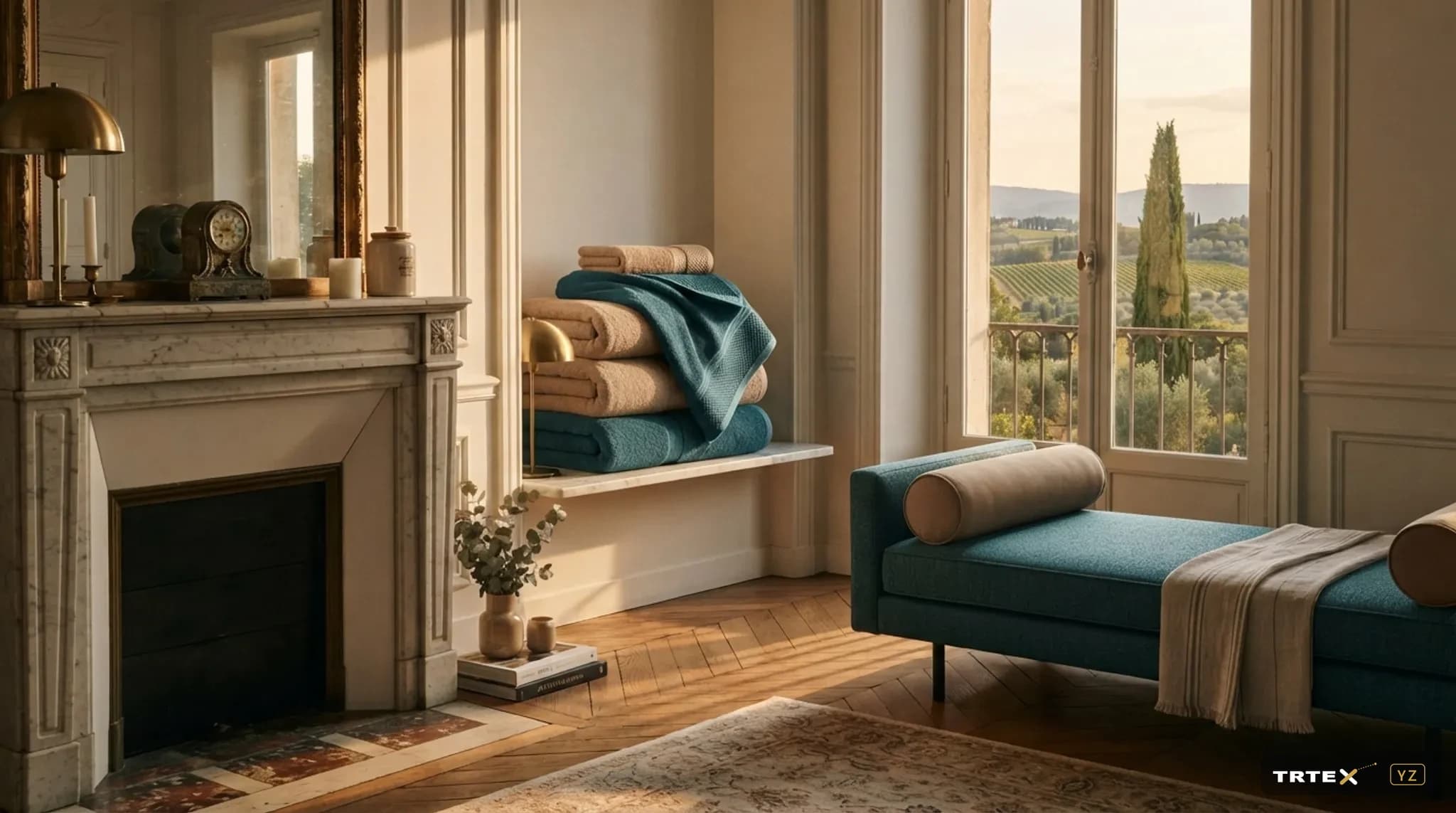
Comprehensive market research confirms that Turkish suppliers fulfill a substantial proportion of overall EU home textile imports. Turkish goods command strong preferences across core commodity and contract categories—most notably luxury bed linens, terry towels, decorative draperies, and performance upholstery. This established prominence provides tangible proof of Turkish manufacturing reliability, certified quality consistency, and enduring brand equity among European procurement executives.
Sustainability, Innovation, and Digitalization: The Core Catalysts of the New Era
Alongside accelerating demand volumes, European retail conglomerates and architectural specifiers are demanding elevated benchmarks across sustainability, material innovation, and digital fulfillment. Seamless adaptation to these sophisticated expectations is essential for Turkish mills aiming to secure defensible competitive advantages.
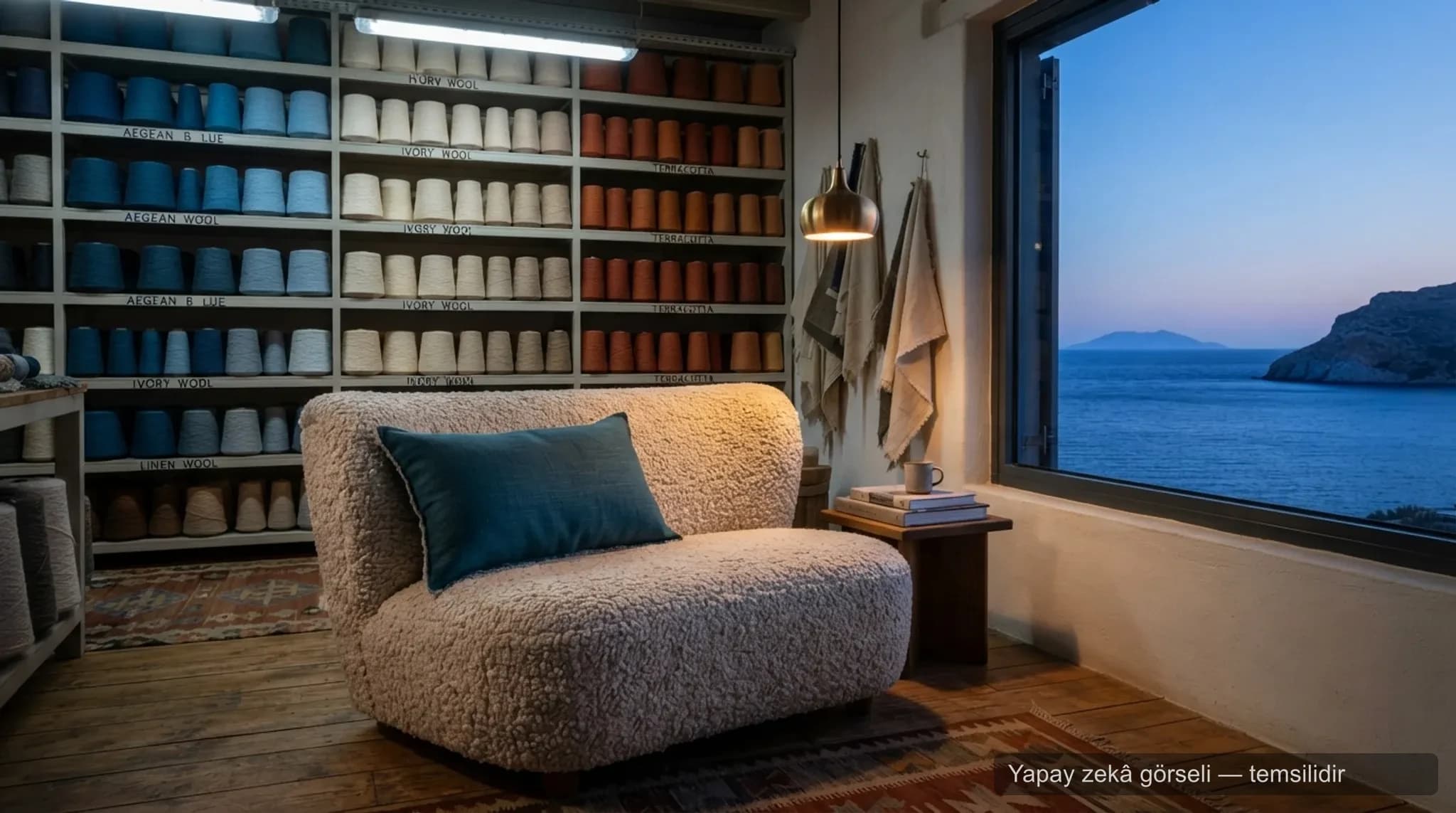
- Certified Sustainable Manufacturing: Incorporating GOTS-certified organic cotton, certified recycled yarns (such as GRS-traceable polyester), and low-impact, water-conserving dye chemistry has become non-negotiable for European buyers. Securing respected environmental certifications (OEKO-TEX, GOTS, Cradle to Cradle) substantially streamlines market access.
- High-Performance Functional Textiles: Textiles engineered with specialized functional finishes—including certified antimicrobial resistance, PFC-free stain repellency, inherent flame retardancy, and solar-reflective thermal buffering—capture elevated commercial margins. Smart automated shading systems represent prime examples of high-tech innovation.
- Digital Commerce and B2B Omni-Channel Infrastructure: Engaging European procurement specifiers through advanced digital B2B portals and dedicated showroom channels represents an exceptionally effective lever for export expansion. Interactive virtual showrooms and 3D architectural digital models enrich buyer engagement.
- Near-Shoring Supply Chain Resilience: Lingering maritime vulnerabilities across Asian trade routes have redirected European demand toward dependable near-shore partners. Turkey's immediate geographic proximity and swift transit times provide decisive supply chain reassurance.
Ascending Paradigms in Engineered Shading and Performance Upholstery
Within the broader home textile sector, engineered shading solutions and high-traffic upholstery fabrics stand out as exceptionally high-growth niches. Driven by the proliferation of smart home building automation, commercial specifications for motorized draperies, remote-controlled Venetian blinds, and automated roller shades are accelerating dynamically. These architectural systems are prized for delivering effortless tactile luxury, precise daylight harvesting, and measurable indoor energy savings.
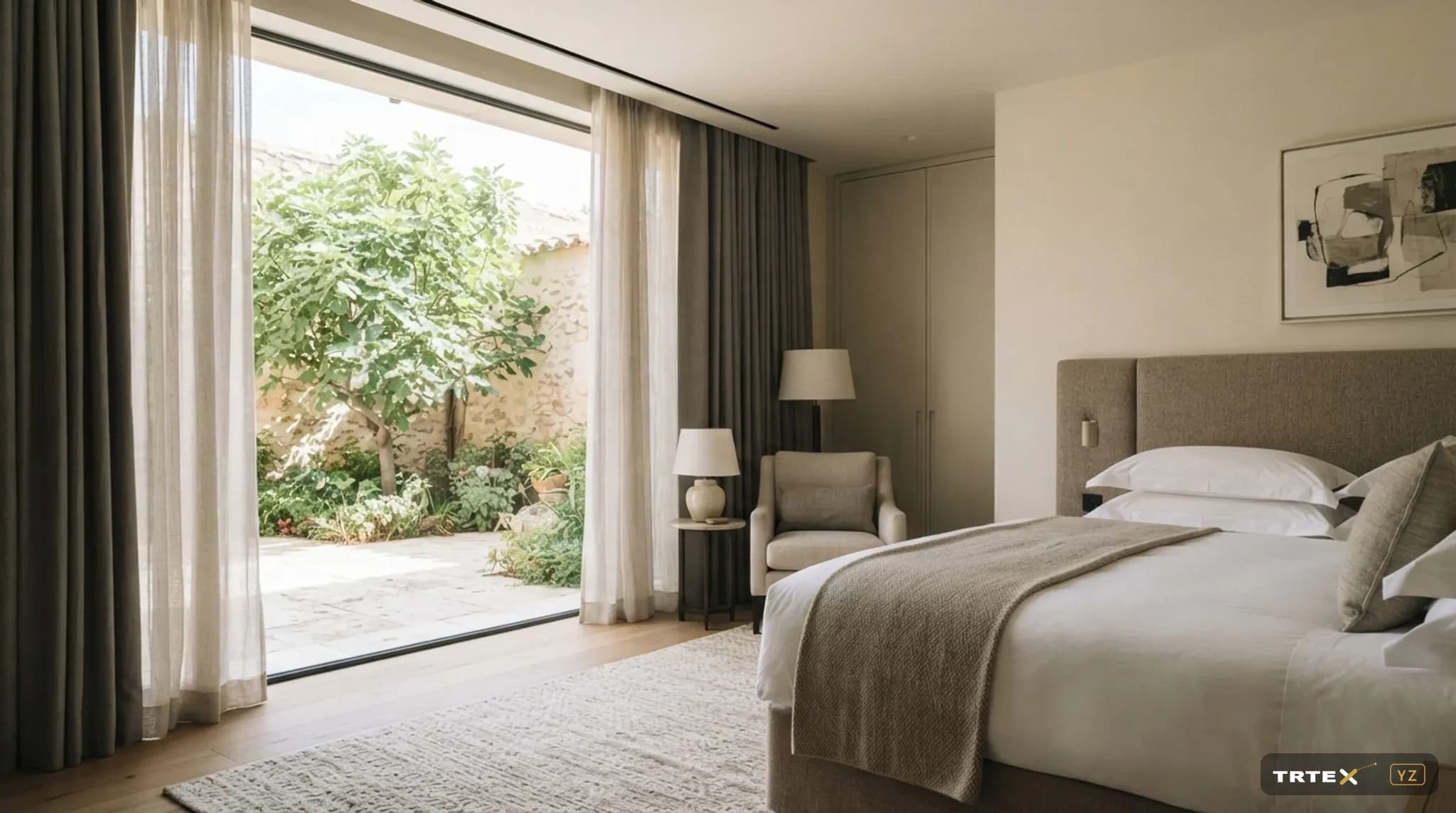
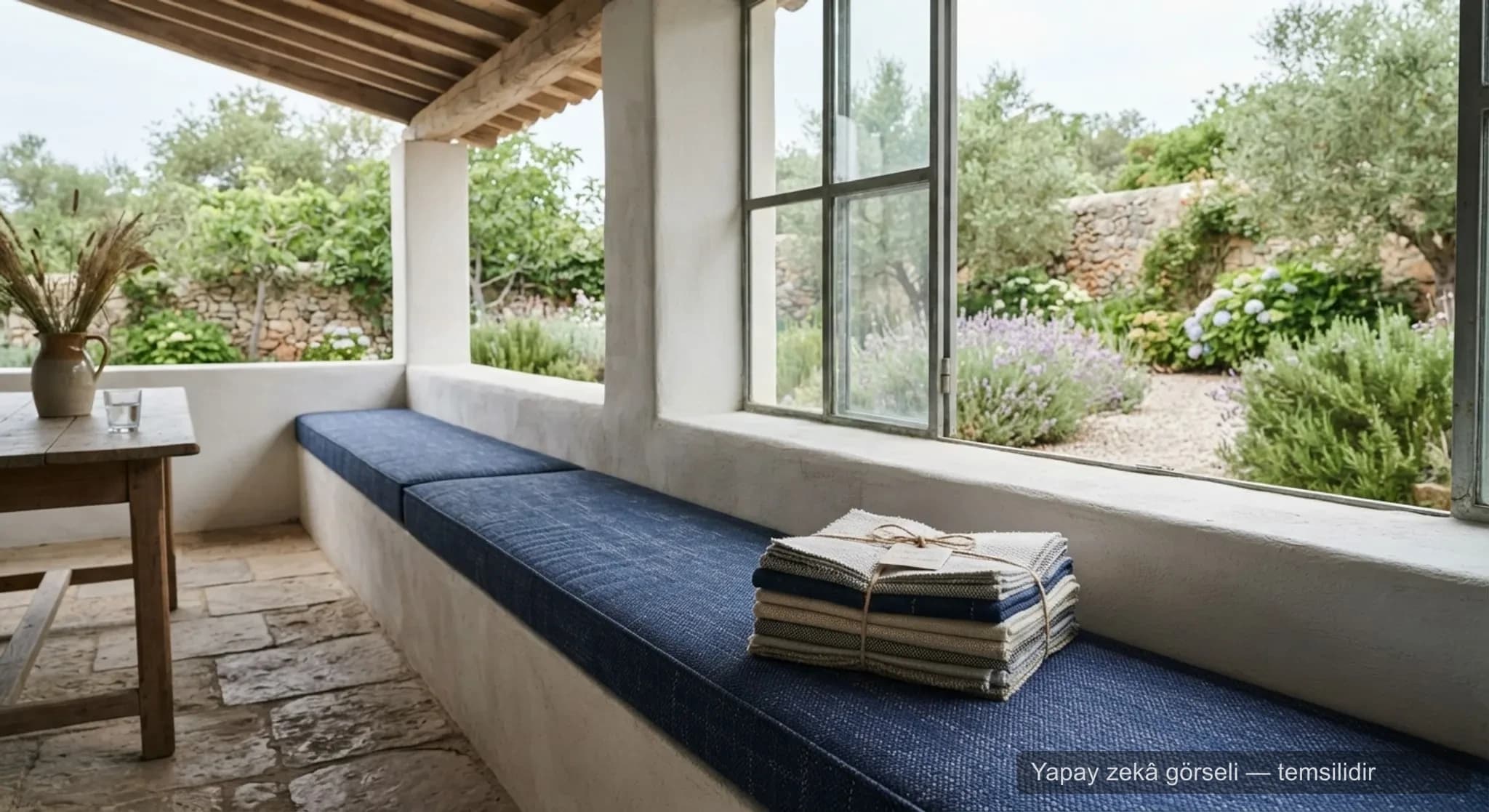
Across the upholstery landscape, severe durability, maintenance simplicity, and bespoke aesthetics form the deciding criteria. Pet-friendly weaves, PFC-free stain-resistant barriers, and water-repellent performance fabrics address the rigorous demands of contemporary urban living. Alongside noble natural fibers, heavy-duty upholstery engineered from post-consumer recycled polymers is expanding its market share dramatically. Turkish mills can consolidate their leadership by deploying targeted R&D to engineer cutting-edge solutions across these lucrative contract categories.
Strategic Forecast and Actionable Roadmap for the Turkish Textile Sector
The sustained resurgence in European home textile demand presents extraordinary commercial momentum for Turkish manufacturers. To convert these favorable macro tailwinds into enduring export revenues, Turkish leadership must execute disciplined strategic initiatives. Paramount among these is prioritizing green industrial transformation: aligning production ecosystems with the rigorous decarbonization mandates of the EU Green Deal is a mandatory prerequisite for long-term survival.
Investing aggressively in R&D to pioneer functional, high-value textiles will directly elevate average unit export prices and expand operating profit margins. Utilizing digital B2B marketing channels to establish direct contact with European architects, contract distributors, and commercial retail chains will consummate high-yield partnerships. Backed by decades of artisanal mastery and agile operational capacity, the Turkish textile sector possesses all required assets to master modern regulatory challenges, perpetually reinforcing its commanding supremacy across the European continent.
European Union demand for home textiles, curtains, and upholstery experiences pronounced growth. Turkish manufacturers leverage flexible capacity, sustainability credentials, and proximity.