Production Downturn in Bursa Textiles and KOSGEB Employment Protection Activated
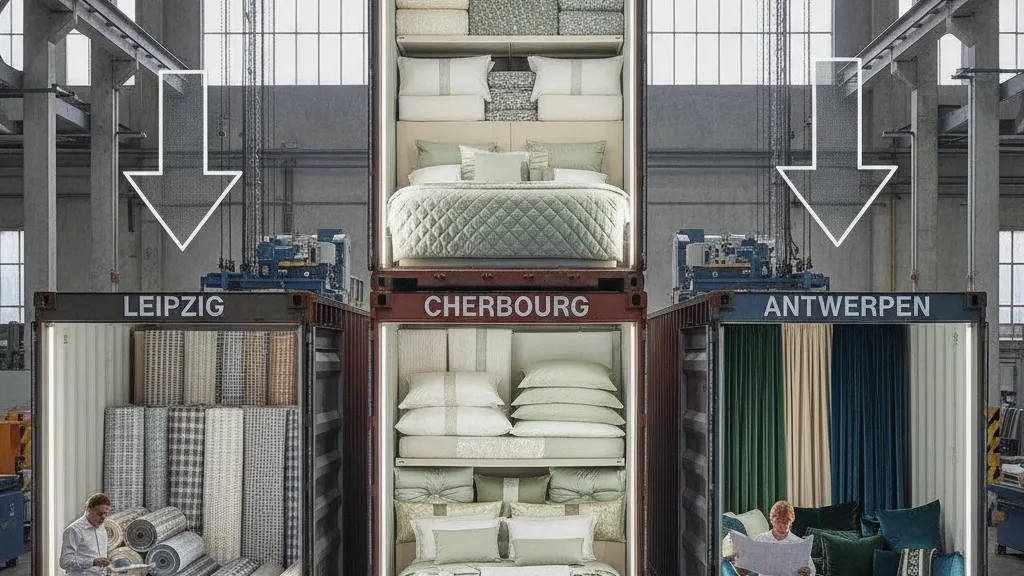
With textile output in Bursa contracting by 40%, KOSGEB's Employment Protection Support granting 3,500 TL monthly per employee has been enacted. Trade representatives urge streamlined access to incentive mechanisms.
In Bursa—the historic epicenter of Turkey's home textile, curtain, upholstery fabric, and technical sun-shading sectors—recent macroeconomic volatility and decelerating global demand have precipitated a marked contraction in manufacturing output. According to prominent industry representatives, local mills are grappling with an approximate 40% downturn in textile output, sparking grave concerns across domestic fabricators, wholesale merchants, and international exporters. This acute contraction has catalyzed an urgent search for policy remedies to defend industrial employment and maintain international competitiveness.
In response to this severe commercial contraction, governmental support mechanisms and fiscal relief packages are mobilizing to supply vital liquidity. Most notably, the Employment Protection Program (İstihdamı Koruma Programı) administered by KOSGEB serves as an indispensable lifeline for manufacturing enterprises throughout the textile value chain. Nonetheless, industry leaders unanimously emphasize that administrative access to these subventions must be streamlined and expedited without bureaucratic delay.
The 40% Manufacturing Slump in Bursa Textiles and Its Structural Consequences
Bursa commands a venerated industrial heritage and highly integrated infrastructure spanning domestic bedding, sheer curtains, jacquard draperies, and motorized shading systems. However, sectoral analysts confirm that a toxic confluence of depressed international demand, escalating electrical and gas tariffs, and sharp raw material price swings has severely eroded regional mill throughput. The resulting 40% production drop impacts not merely physical fabric yardage, but equally imperils industrial payrolls, export contracts, and regional commercial stability. Small and medium-sized enterprises (SMEs) have borne the brunt of this industrial contraction.
This sharp output slump also jeopardizes ongoing capital allocations into advanced technical textiles and functional fabrics. Specialized R&D initiatives developing phase-change thermal fabrics, breathable membranes, and antimicrobial upholstery finishes face operational austerity under present commercial pressures. As Bursa Chamber of Commerce and Industry (BTSO) President İbrahim Burkay has repeatedly underlined, sustained R&D, high-value-added manufacturing, and continuous technology transformation are indispensable for winning global market share—yet shop-floor contractions directly undermine these vital objectives.
Historically, Bursa's textile cluster has successfully weathered recurrent macroeconomic crises through exceptional industrial agility and product diversification. Nevertheless, the sheer magnitude of the present contraction demands immediate, targeted interventions. Sustaining factory solvency and protecting future growth potential requires coordinated public support alongside robust cross-enterprise solidarity.
KOSGEB Employment Protection Grant: Vital Liquidity for Industrial Mills
To counteract the severe production decline across Bursa's manufacturing base, KOSGEB's Employment Protection Program delivers crucial financial breathing room for distressed enterprises. Under official KOSGEB guidelines, eligible SMEs registered under designated NACE industrial codes—expressly including textile manufacturing (NACE 13)—qualify for a non-repayable monthly grant of 3,500 TL per retained employee. This cash infusion provides critical relief at a juncture where labor costs constitute heavy overheads and factory managers struggle to avert workforce cuts.
- Substantial Grant Volume: The non-repayable subvention of 3,500 TL per employee directly eases short-term cash flow constraints, functioning as an effective deterrent against industrial layoffs.
- Comprehensive Sectoral Eligibility: Textile manufacturing (NACE 13) stands at the core of the program's target beneficiaries, guaranteeing that curtain fabricators, bedding weavers, and upholstery mills can readily access these funds.
- Operational Strategy and Streamlining: To draw down these funds, enterprises must fulfill KOSGEB's statutory application benchmarks. Simplifying digital filing workflows and expanding institutional guidance will maximize fund uptake across the cluster.
- Risk Mitigation and R&D Preservation: While sheltering payrolls, this liquidity support equally empowers enterprises to sustain vital R&D programs, safeguarding future technological competitiveness.
- Industry Policy Recommendations: Trade associations urge policymakers to extend the duration of this program while introducing complementary relief mechanisms targeting industrial energy tariffs and yarn import costs.
Application Workflows and Administrative Implementation Steps
Manufacturing enterprises seeking to participate in the KOSGEB Employment Protection Program must execute their applications directly via KOSGEB's official digital portal. Compliance with designated NACE codes, meeting formal SME criteria, and satisfying regulatory solvency requirements represent mandatory milestones. During dossier review, applicants must furnish verified payroll records, social security clearance certificates, and audited balance sheets. Following institutional appraisal, KOSGEB dispatches grant disbursements directly, providing predictable cash flows for corporate budget planners.
The efficacy of this state support extends beyond immediate balance sheet relief, imparting invaluable commercial morale across industrial leadership. Given the Bursa cluster's immense potential to drive high-margin technical textiles—ranging from automotive seating to medical barrier draperies—these subsidies protect the human capital indispensable for high-value manufacturing.
Future Outlook and Strategic Projections for Turkish Textile Exporters
While the acute manufacturing slowdown in Bursa reflects a formidable business environment, public interventions such as KOSGEB's Employment Protection Grant offer a beacon of industrial resilience. Enterprises that strategically deploy these funds to protect skilled payrolls, maintain loom availability, and advance modernization programs will exit the slump in a commanding market position. Relentlessly pursuing bureaucratic deregulation and accelerated grant processing remains paramount.
The Turkish textile industry must continuously reinvent itself to defend its global market prominence. Deepening capital investments in smart fabrics, green circularity, and digital commerce will define future competitiveness. Astute strategic management combined with effective public support will enable Bursa's textile cluster to surmount current headwinds, reinforcing Turkey's undisputed status as a world leader in premium home textiles.
With textile output in Bursa contracting by 40%, KOSGEB's Employment Protection Support granting 3,500 TL monthly per employee has been enacted. Trade representatives urge streamlined access to incentive mechanisms.