New Pathways for Home Textile and Curtain Manufacturers

The Turkish home textile and curtain sector seeks transformation in the face of global competition and shifting consumer expectations. This article analyzes current challenges, examining strategies centered on innovation, digitalization, and niche markets.
The Turkish home textile, curtain, and upholstery sector is navigating a critical turning point amidst fierce competition in the global market, escalating production costs, and changing consumer expectations. In an environment where traditional manufacturing and marketing strategies fall short, conducting in-depth analysis and discovering new pathways have become inevitable for the sector to achieve sustainable growth and profitability. Particularly in recent years, supply chain disruptions and surging energy costs are compelling Turkish producers to cultivate more resilient and adaptable business models.
In this context, developing high-value-added products, technological innovations, and customer-centric solutions must serve as a top priority for Turkish textile manufacturers, wholesalers, and exporters, rather than relying strictly on a cost-advantage competition strategy. The future of the sector depends on its agility in aligning with fundamental dynamics such as digitalization, sustainability, and market diversification.
Global Trends and the Position of the Turkish Sector
A distinct transformation is occurring across the global home textile and curtain industry. Integration with smart home systems, acoustic products, and digital printing technologies stand out among the principal trends shaping the future of the sector. Consumers no longer demand aesthetics alone, but also functionality, comfort, and environmentally friendly solutions. For instance, motorized and remote-controlled curtain systems compatible with smart home technologies attract immense interest by offering energy efficiency and ease of use. This reality demonstrates the necessity for Turkish manufacturers to move beyond traditional operational models and invest in R&D and innovation.
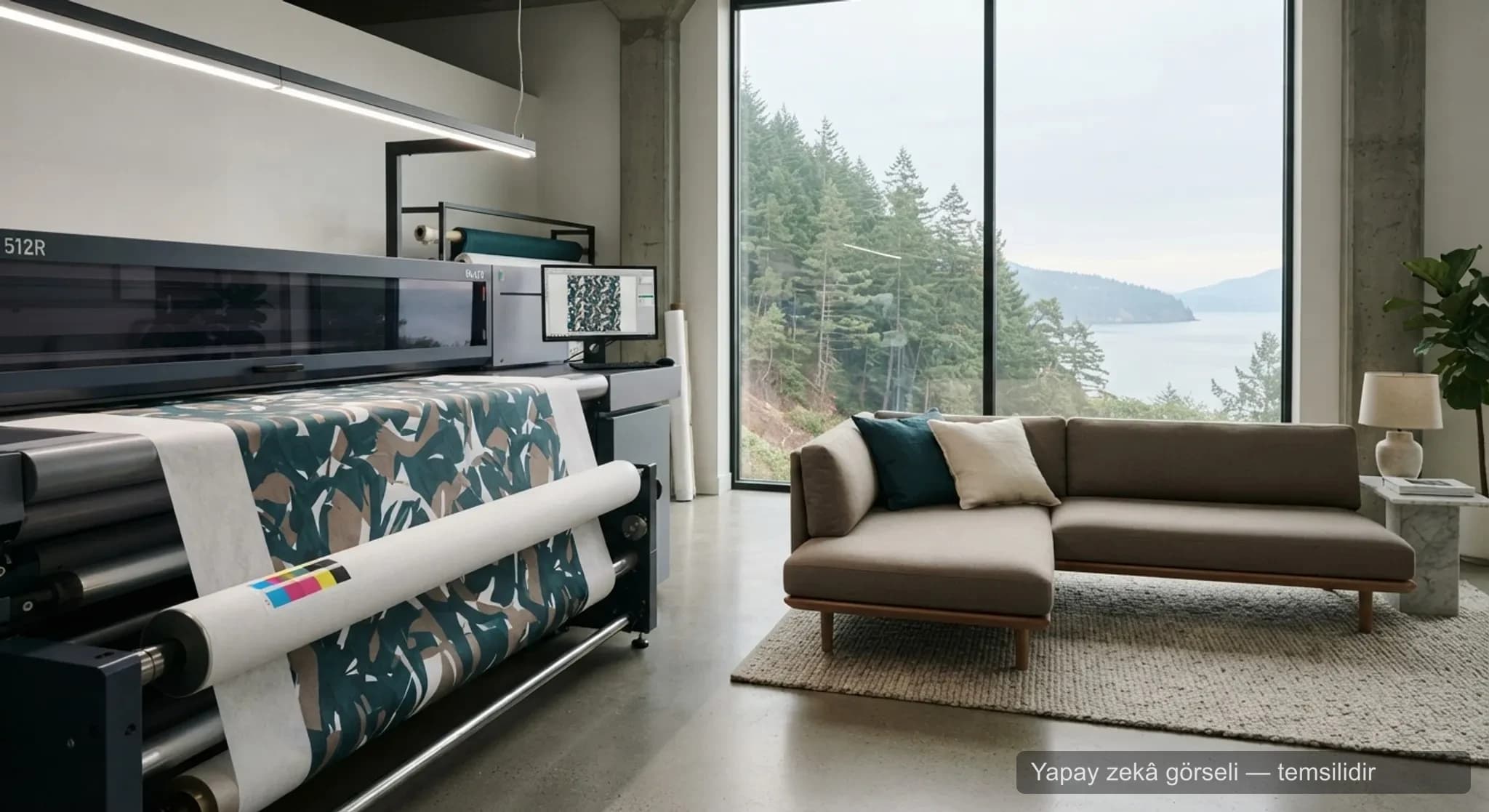
Furthermore, alongside the intensification of urban life and the widespread prevalence of open-office layouts, products such as sound-insulating acoustic curtains offer vital solutions enhancing comfort in both residential and office environments. These niche areas harbor high-potential markets where Turkish producers can specialize and establish a decisive competitive edge. Meanwhile, digital printing technologies offer even small and medium-sized manufacturers extensive design freedom and market agility through personalized motifs and expedited production cycles.
Market Diversification and Focus on Niche Segments
Market diversification is paramount for Turkish home textile and curtain producers aiming to reinforce their global footprint. In addition to conventional European markets, steering toward emerging markets such as North America, the Middle East, and Africa holds significant potential to distribute risks and establish fresh growth corridors. However, entering these markets requires meticulous analysis of cultural nuances, local regulations, and distribution channels. Furthermore, expanding product lines to offer bespoke solutions for contract hospitality, healthcare, and corporate office projects can secure consistent, large-volume contract orders for the industry.
- Smart Textile Solutions: The integration of intelligent sensors, thermal insulation, and optical control into curtain and upholstery products creates high-value-added offerings. Enterprises investing in this domain can effectively cater to the premium segment.
- Sustainable Manufacturing and Materials: Utilizing eco-friendly materials such as recycled fibers, organic cotton, and bamboo, coupled with water and energy efficiency in production processes, generates robust demand, particularly across Western markets. This reinforces brand equity while answering the expectations of next-generation consumers.
- Personalized Design and Digital Printing: The consumer pursuit of individuality can be seamlessly empowered by digital printing technologies. Customized designs for draperies, cushion covers, or table linens unlock direct access to global niche markets via modern e-commerce channels.
- Acoustic and Functional Fabrics: Fabrics engineered with specialized capabilities such as sound absorption, flame retardancy, and antimicrobial properties possess immense market demand across corporate offices, hotels, and healthcare facilities. Dedicated R&D initiatives in this arena can grant Turkish manufacturers a distinct competitive edge.
Technological Adaptation and Digital Transformation
Digital transformation within the curtain and home textile sector extends far beyond optimizing factory floor processes; it radically reshapes marketing and sales paradigms. In alignment with Industry 4.0 principles, automation, AI-driven design suites, and predictive data analytics elevate operational productivity while driving error rates down. Enabling manufacturers to engage global buyers through B2B e-commerce platforms, virtual showrooms, and interactive digital catalogs dramatically multiplies export opportunities. Additionally, 3D visualization tools allow prospective clients to experience textiles virtually within architectural spaces, accelerating purchasing decisions and elevating client satisfaction.
Throughout this modernization cycle, government incentives and sectoral clustering initiatives play an indispensable role in facilitating technology acquisition and adoption for small and medium-sized enterprises (SMEs). Comprehensive training curricula and structured technology transfer programs will elevate the broader competitiveness of the entire manufacturing base.
Concluding Analysis and Strategic Recommendations for the Sector
For the Turkish home textile, curtain, and upholstery sector to sustain its role as a formidable powerhouse in the international market, executing proactive and strategic steps is non-negotiable. In an era where legacy cost advantages are rapidly diminishing, engineering high-value-added, innovative, and sustainable product ecosystems represents the primary catalyst for long-term growth. Manufacturers will consolidate their market influence by concentrating on specialized niches such as smart home integration, acoustic engineering, and high-precision digital printing.
The overarching outlook for the Turkish textile ecosystem in the upcoming period relies not merely on expanding raw manufacturing capacity, but firmly on elevating design prowess, international brand recognition, and advanced engineering acumen. Accelerating market diversification, solidifying cross-border e-commerce channels, and fostering strategic global partnerships will serve as linchpins in achieving sustainable growth benchmarks. Executing these strategic priorities with precision will elevate the Turkish home textile and curtain industry to a resilient and dominant position on the global stage.
The Turkish home textile and curtain sector seeks transformation in the face of global competition and shifting consumer expectations. This article analyzes current challenges, examining strategies centered on innovation, digitalization, and niche markets.