Curtain Fullness: The Balance of 150% and 200% under UFGS Standards
We examine curtain fullness calculation methods under UFGS and Silent Gliss standards to analyse the balance between fabric cost and aesthetic appearance.

For home textile and curtain manufacturers, one of the greatest technical dilemmas in export markets is striking the delicate balance between curtain fullness and fabric cost. While there is no single mandatory global standard for every project, specific norms are recognized in international specifications. Foremost among these are the Unified Facilities Guide Specifications (UFGS) referenced in US military and public projects, which provide clear definitions that simplify decision-making for manufacturers and exporters.
Technical Analysis and Fullness Ratios
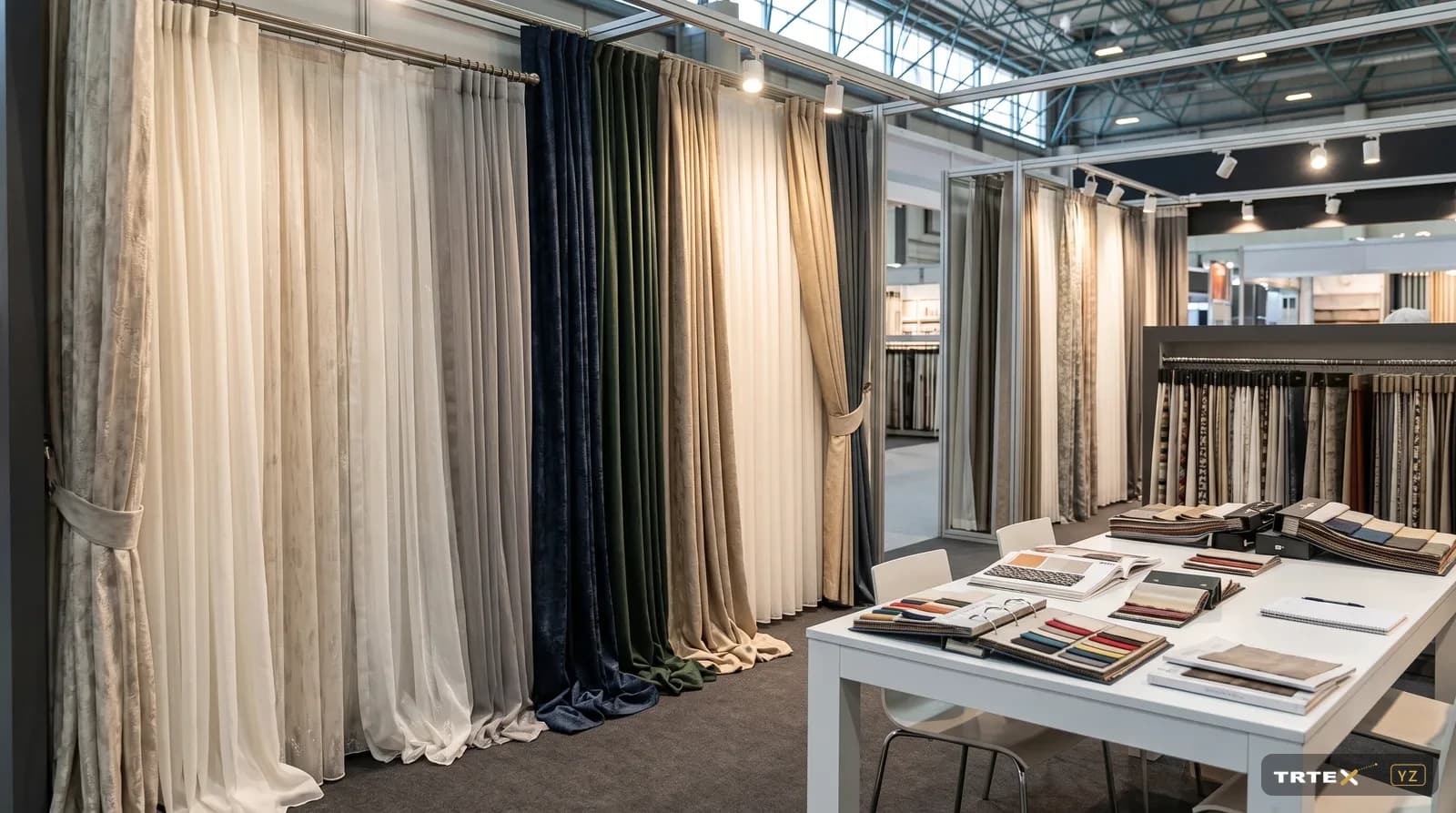
When balancing cost and aesthetic appearance, accurate analysis of the ratios specified in tender documents is a technical necessity. According to UFGS 12 22 00 Curtains and Drapes (August 2026), a 150% fullness ratio in pinch pleat designs offers a cost-effective solution while preserving the pleated appearance. However, the specification clearly stresses that 200% fullness is typical across standard projects. This clarifies the distinction between budget-constrained and standard projects.
The same specification also defines the calculation methodology. A 200% fullness ratio is defined as twice the rod width plus allowances for overlaps and returns. Physical returns and overlaps must therefore be added to calculations based on net track measurements; otherwise, gaps at the edges or incomplete closure can occur during installation.
Another critical factor in manufacturing is joining fabric widths. Section 2.3.1.3 (seams) of UFGS 12 22 00 requires panel widths to be joined using serging, overlock, and safety stitch techniques. These standards ensure long-term durability in high-traffic public facilities.
In mechanical curtain systems and wave pleat models, fullness varies with track glider spacing. An important note in the Silent Gliss - Wave Curtain Workroom Guide (August 2019) states that tabulated ratios apply strictly to "finished curtain fabric". Workrooms must add extra fabric for joining seams, side hems, and standard workshop tolerances, without which wave pleats will not hang correctly.
Why It Matters
For Turkish textile makers and exporters, these technical details are essential for accurate bidding in global tenders and avoiding disputes upon delivery. Incorrect fullness calculations lead either to fabric shortages or excessive offcut waste that erodes margins.
What to Do
- Calculate According to Specifications: When bidding for international contracts, base calculations on the 150% and 200% fullness ratios in UFGS 12 22 00, adding return and overlap allowances to track width.
- Institutionalize Seaming Standards: Standardize panel joining on export lines with serging, overlock, and safety stitching to guarantee seam integrity.
- Determine Workshop Tolerances in Advance: For wave systems, remember per the Silent Gliss guide that table ratios reflect finished fabric dimensions, and add sewing and folding tolerances during cutting.
このコンテンツは、記載の情報源をもとに AI の支援を受けて作成されました. (EU 2024/1689 第50条)