OEKO-TEX 2026: Strict Regulations on Chemical Limits in Home Textiles
OEKO-TEX 2026 tightens limits on hazardous substances including PFAS and specific azo dyes in home textile products, aiming to safeguard consumer health and elevate environmental standards.
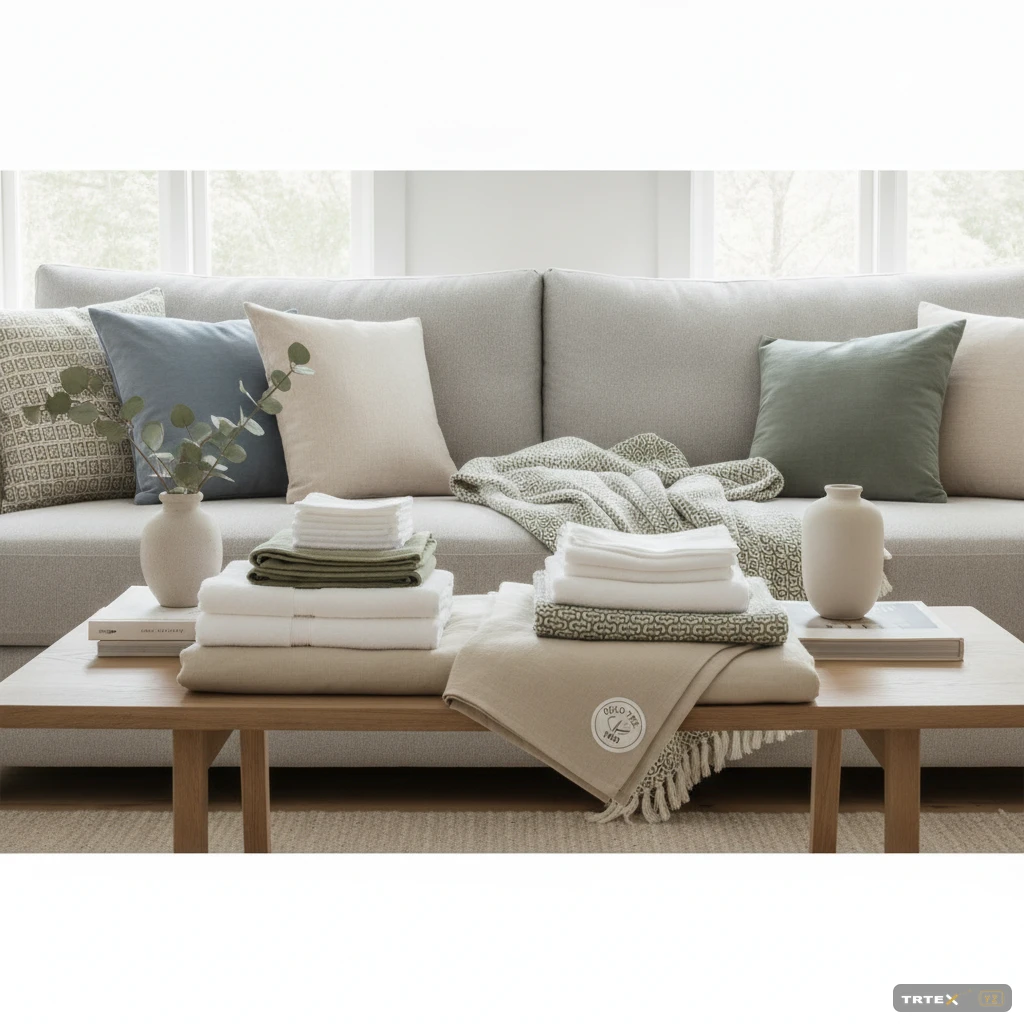
The OEKO-TEX Association has unveiled the 2026 edition of its globally recognized Standard 100 certification program, introducing a major revision directly impacting the international home textile industry. This forward-looking measure imposes substantially stricter chemical thresholds for Product Class 4, which covers articles intended for domestic use such as bedspreads, towels, curtains, and upholstery fabrics. Manufacturers worldwide, including prominent textile centers in Turkey such as Denizli and Bursa, are facing intensified restrictions on per- and polyfluoroalkyl substances (PFAS) and specific azo colorants. These regulatory changes aim to improve environmental performance and maximize consumer safety, sparking a sustainability-driven transformation across the sector.
OEKO-TEX Standard 100 serves as a globally trusted benchmark for testing and certifying textiles free from harmful substances. Adopted annually by thousands of manufacturers, the standard provides buyers with an undisputed guarantee of product safety. The revisions taking effect in 2026 seek to encourage innovative, eco-friendly manufacturing methodologies across home textiles. Proactive adaptation to these tightened requirements is vital for manufacturers seeking to sustain their competitive advantage in global markets.
The new limits specifically target the persistent PFAS chemical family and hazardous azo dyes. PFAS compounds have historically been widespread in drapery and furnishing fabrics due to their water and stain repellency. However, their prolonged negative impacts on human health and ecosystems have been scientifically established. Similarly, certain azo dyes pose severe health hazards by releasing carcinogenic aromatic amines. These restrictions embody a firm commitment to mitigating environmental and health risks across the entire product lifecycle.
These extensive updates mark a strategic milestone compelling home textile manufacturers, supply chains, and product developers to realign their operations around sustainability. Industry stakeholders must review every stage of manufacturing, from virgin raw material procurement to finished good inspection. Ensuring that intermediate components delivered by upstream suppliers meet the new criteria will substantially bolster transparency and traceability across the global textile value chain, enhancing brand credibility among consumers.
Sustainability and Consumer Trust Dynamics
Compliance with the updated criteria necessitates considerable R&D investments and innovative approaches from home textile producers. Companies must focus on formulating safe, bio-compatible water-repellent finishes to substitute PFAS chemistries. Simultaneously, research into dyeing techniques and alternative pigments that eliminate hazardous azo compounds will gain momentum. This transition fosters a holistic approach encompassing both chemical composition and the overall ecological footprint of production.
Global market dynamics reflect surging demand for eco-conscious textile goods. Consumers, particularly across European and North American markets, expect home furnishings to adhere to rigorous ecological guidelines. OEKO-TEX Standard 100 certified items provide a compelling marketing asset that satisfies this consumer expectation while securing an international competitive edge. Beyond regulatory compliance, forward-thinking manufacturers can expand their market share by appealing to environmentally aware customer demographics.
End-to-end transparency and traceability throughout supply chains represent primary pillars of the 2026 revisions. The compliance of chemicals applied at every processing phase—from spinning and weaving to dyeing and finishing—will undergo meticulous auditing. For businesses relying on subcontracted operations, this necessitates thorough supplier evaluation protocols. Partnering with certified, reliable vendors mitigates legal liabilities and enhances product marketability, fostering broader adoption of digital supply chain tracking and blockchain-enabled provenance platforms.
Global Competitiveness and Regulatory Harmonization
The adaptation of the home textile industry to these updated standards plays a pivotal role in realizing overarching international sustainability goals. Initiatives like the EU Green Deal mandate comparable chemical restrictions across textile consumer goods. The 2026 update of OEKO-TEX Standard 100 prepares the sector in advance for such global legislative changes, bolstering the stature of Turkish textile producers in international trade. Thanks to Turkey's high-quality, eco-compliant manufacturing ecosystem, the country is well positioned to lead this transformation.
These restrictions fortify brand equity while simultaneously supporting health and environmental awareness among end consumers. Discerning buyers reward conscientious brands, prompting suppliers to champion transparency and corporate responsibility. As OEKO-TEX certification becomes a baseline requirement in hotel textiles and institutional procurement, it unlocks new business models and growth pathways.
The 2026 revision of OEKO-TEX Standard 100 is not merely a compliance burden for the home textile industry, but a strategic investment in the future. By anchoring environmental sustainability and consumer wellness at the core of textile manufacturing, these standards foster a more accountable, transparent, and resilient industrial ecosystem. Embracing this shift will elevate brand value and secure enduring commercial success in international markets.