Rising Yarn Raw Material Costs Pose Heavy Challenges for the Textile Sector in 2026
Surging prices for cotton and synthetic yarn raw materials continue to pressure the textile sector in 2026, driven by escalating energy tariffs and global logistical disruptions that squeeze operating margins.
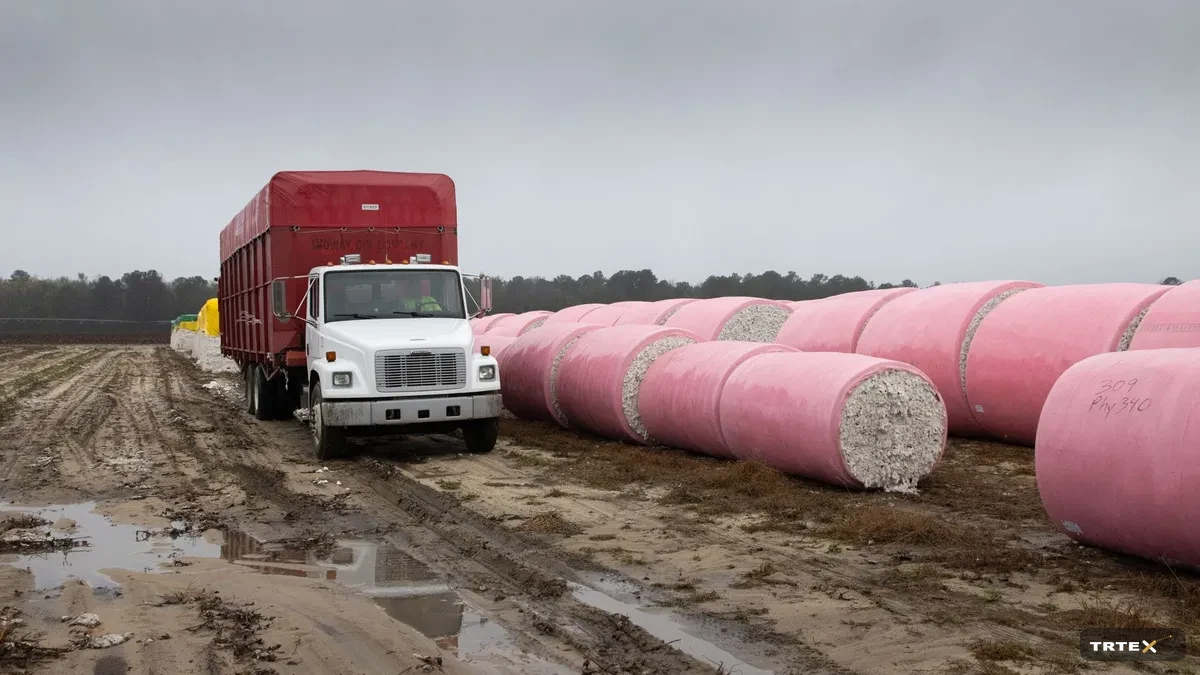
The textile industry continues to battle escalating yarn raw material costs throughout 2026. Ongoing uncertainties surrounding the global cotton harvest, sharp price increases in petroleum derivatives required for synthetic yarn manufacturing, and widespread inflationary pressures are driving production expenditures upward. This environment adversely impacts the operating margins of home textile and apparel manufacturers, creating substantial pressure that inevitably trickles down into consumer retail pricing. Under these demanding market circumstances, industrial producers are compelled to deploy novel cost-mitigation strategies to sustain their international competitiveness.
Surging energy costs represent one of the heaviest overhead expenditures in spinning and yarn processing. Steep increases in industrial electricity and natural gas tariffs directly inflate the manufacturing costs of spinning mills. Furthermore, recurring bottlenecks across global logistical corridors and elevated freight rates compound raw material procurement challenges, driving landed costs higher. Consequently, manufacturing firms are increasingly seeking long-term supply agreements and actively strengthening nearshore regional supplier ecosystems to safeguard operational continuity.

The escalating prices of yarn raw materials profoundly affect not only large conglomerates but also small and medium-sized enterprises (SMEs). Operating with more constrained financial reserves, SMEs remain particularly vulnerable to abrupt commodity price swings. Industry representatives emphasize the critical necessity of governmental support packages and multilateral international collaborations to stabilize primary material markets. Concurrently, researching alternative biomass sources and accelerating the commercial adoption of recycled, sustainable fibers represent vital strategic pathways toward alleviating raw material dependencies.
Looking ahead, volatility across yarn raw material pricing is projected to persist. Therefore, textile manufacturers must transition toward more agile manufacturing frameworks, reinforce rigorous internal cost-control mechanisms, and expand R&D investments dedicated to high-value-added technical textiles. Despite challenging macroeconomic conditions, the textile sector strives to maintain its resilience and safeguard its strong standing across global export markets through continuous innovation and rapid operational adaptation.