Transformation in Home Textiles with Artificial Intelligence: An In-Depth Look from Design to Customer Experience
Artificial intelligence is creating a broad transformation in the home textile sector from design processes to production optimization and personalized customer journeys. This in-depth analysis examines the opportunities and future projections AI brings to the industry.

The home textile industry stands on the brink of a profound revolution driven by innovative solutions powered by artificial intelligence (AI), fundamentally redefining traditional modes of doing business. Spanning across design studios, modern production floors, and the ultimate consumer experience, this comprehensive transformation presents sector stakeholders with both operational challenges and unparalleled commercial opportunities.
AI-Powered Design: Expanding the Frontiers of Creative Vision
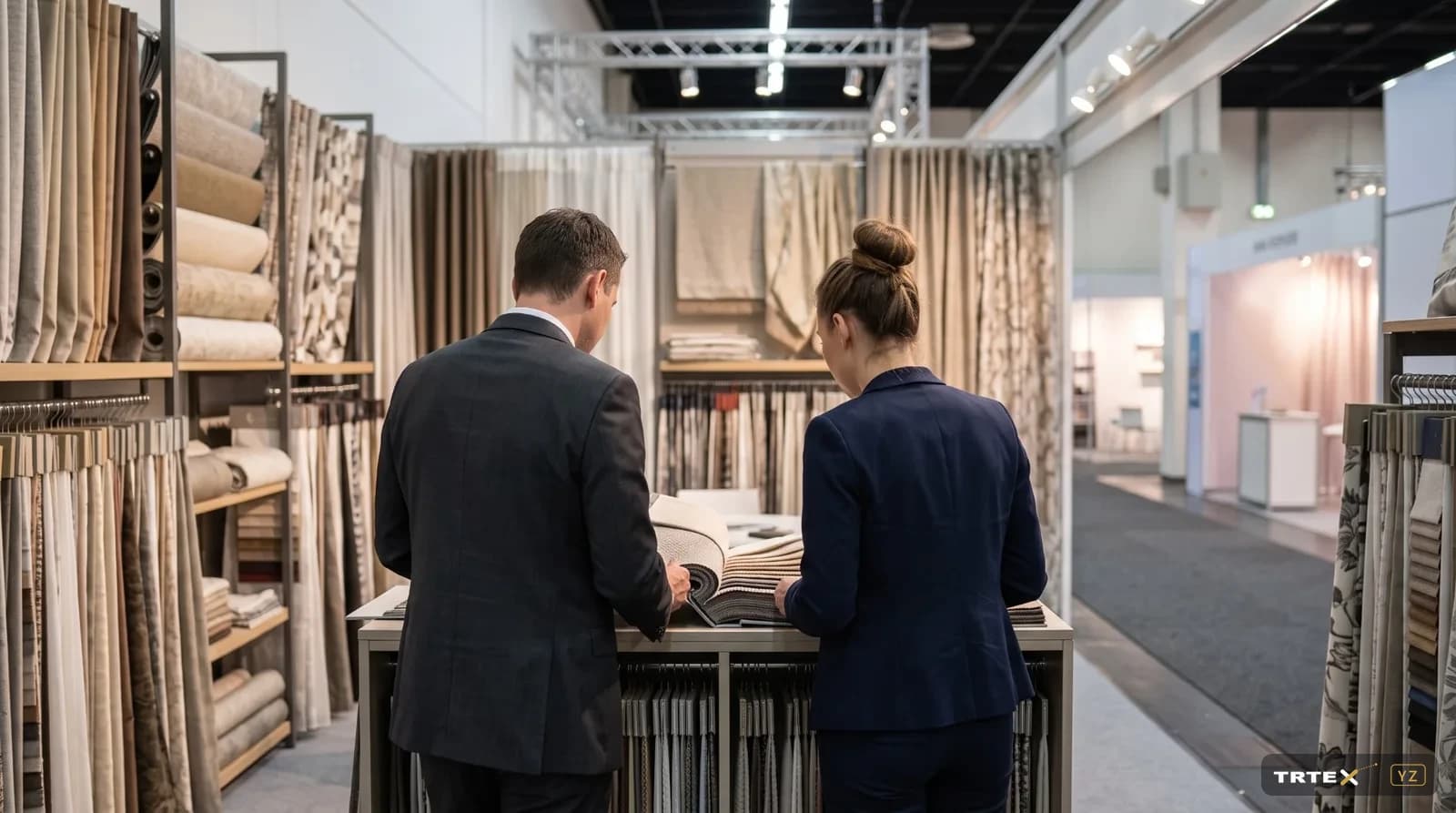
Artificial intelligence serves as a true catalyst across home textile design workflows. In sharp contrast to the time-consuming nature of conventional design cycles, generative AI algorithms can synthesize thousands of distinct pattern, texture, and chromatic combinations in mere seconds. Rather than restricting human designers, this technology equips them with a formidable creative co-pilot that unlocks unexplored aesthetic horizons. For instance, innovative motifs for drapery and upholstery fabrics can be procedurally generated by drawing inspiration from a nation's cultural heritage or specific historical art movements. Industry experts forecast that this capability will dramatically enrich the diversity and authenticity of collections exhibited at premier global trade events such as the Atlanta Market.
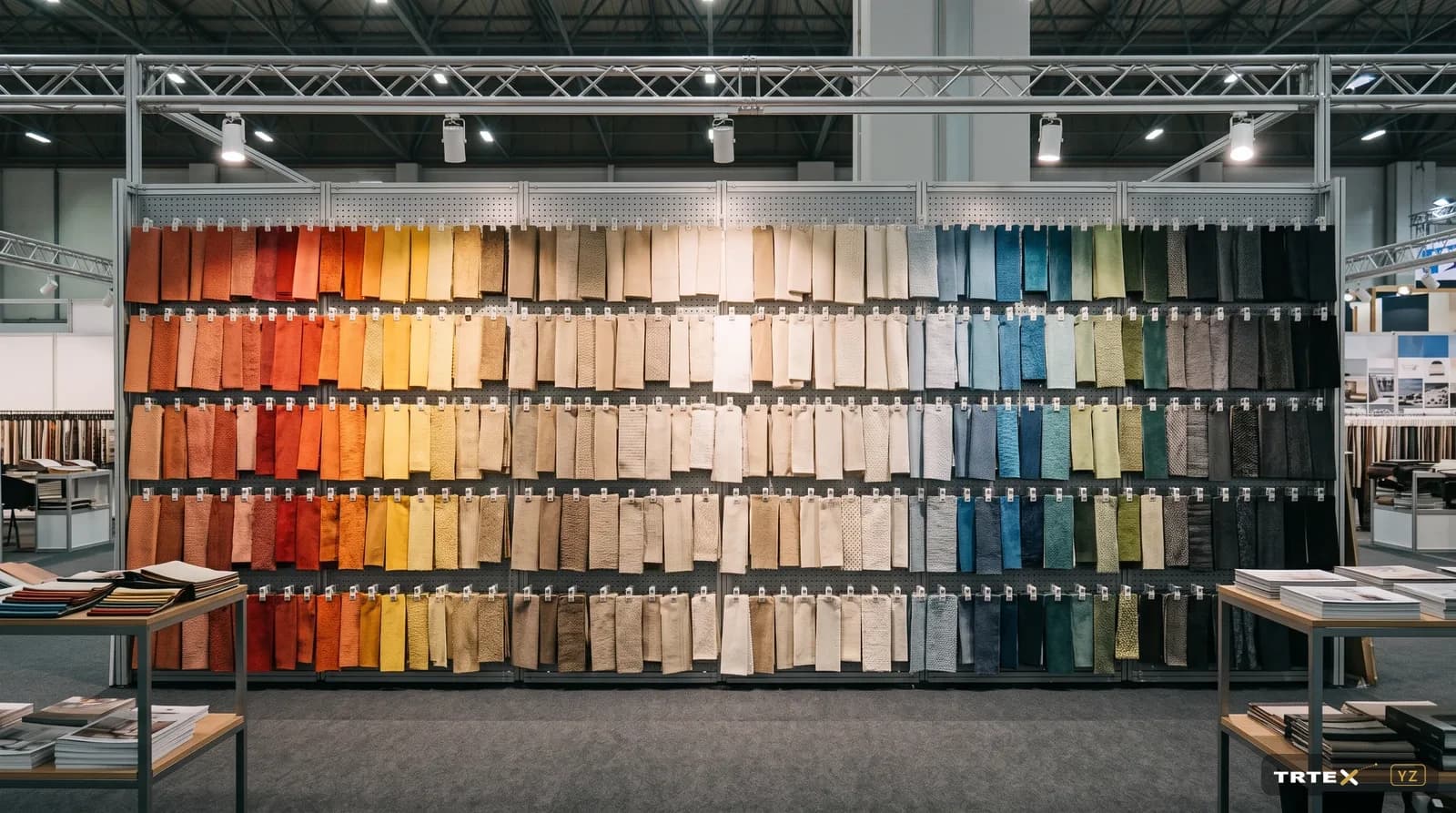
Another pivotal application of AI lies in predictive trend forecasting. By aggregating historical sales metrics, social media consumer sentiment, international design fairs (such as HGH India and Decor + Design), and broader macroeconomic variables, AI models forecast upcoming seasonal color palettes, material choices, and pattern directions with remarkable precision. As a result, home textile manufacturers can calibrate their production schedules and inventory commitments with unprecedented accuracy, matching rapid seasonal shifts to secure a decisive competitive advantage.
Intelligent Manufacturing and Operational Excellence
Artificial intelligence extends far beyond the designer's drafting board, elevating productivity and quality benchmarks directly on the factory floor. In textile fabrication—particularly throughout weaving, finishing, and cutting phases—waste minimization is paramount. AI-driven nesting algorithms optimize pattern cutting to eliminate fabric scrap, delivering substantial cost efficiencies while advancing corporate sustainability benchmarks.
Automated quality control is similarly redefined through AI integration. High-speed computer vision systems paired with deep learning models scan woven surfaces to detect micro-defects, thread breakage, and subtle shade variances with far greater speed and consistency than the human eye. This drastically drives up first-time-yield rates while curbing rework and reclaim expenses. Furthermore, by analyzing telemetry data from machinery sensors, AI facilitates predictive maintenance, preempting mechanical breakdowns before downtime occurs and ensuring uninterrupted production workflows.
Personalized Customer Experiences and Modern Retailing Strategies
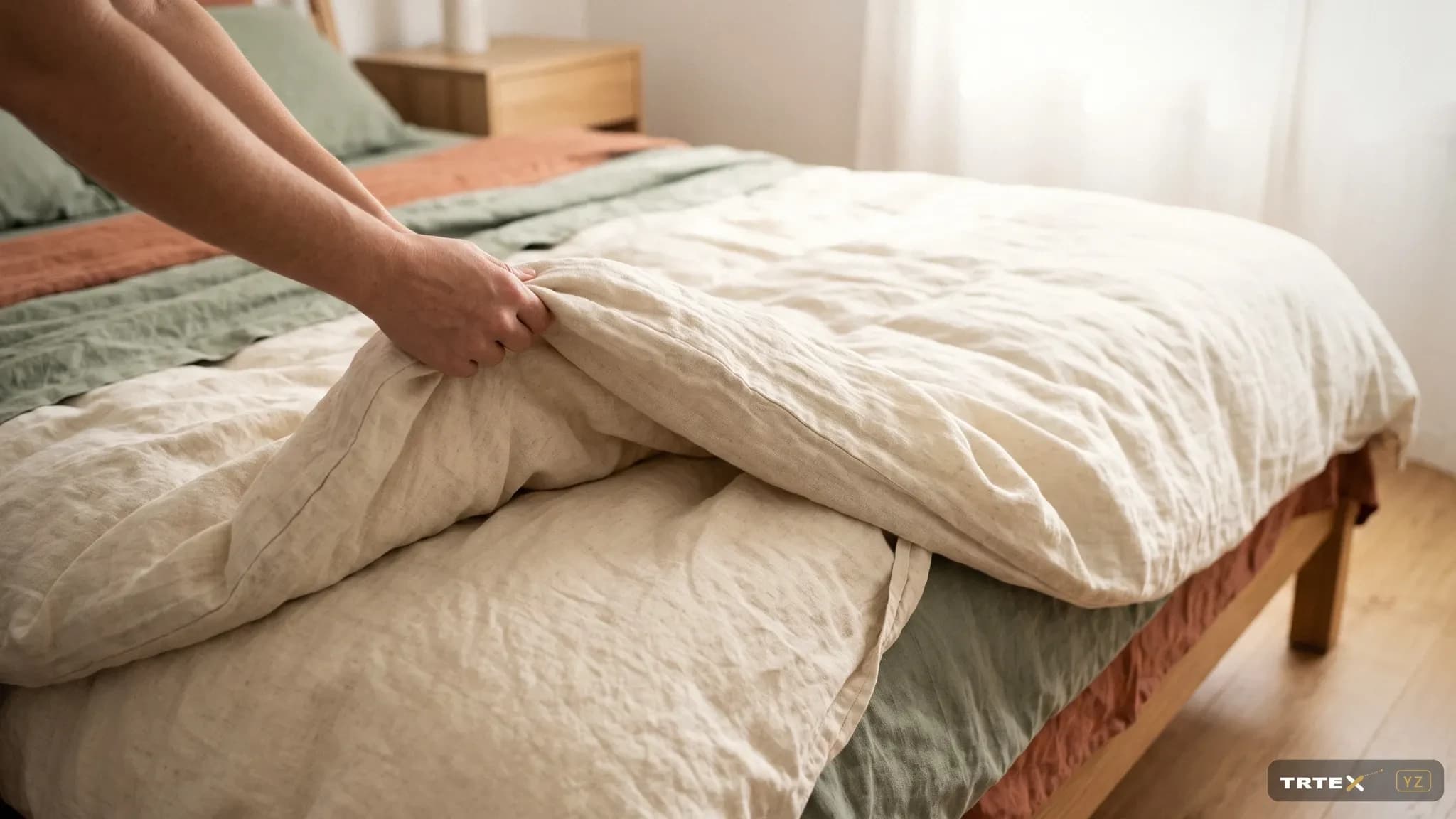
Today's consumers demand bespoke and highly individualized experiences when curating home furnishings. Artificial intelligence provides the technological scaffolding necessary to fulfill these expectations. On digital retail portals, AI recommendation engines analyze browsing behavior, prior transactions, and design style quizzes to deliver tailored product ensembles—from luxury bedding suites to coordinating draperies, rugs, and decorative cushions. This seamless discovery accelerates buyer journeys and significantly elevates conversion rates.
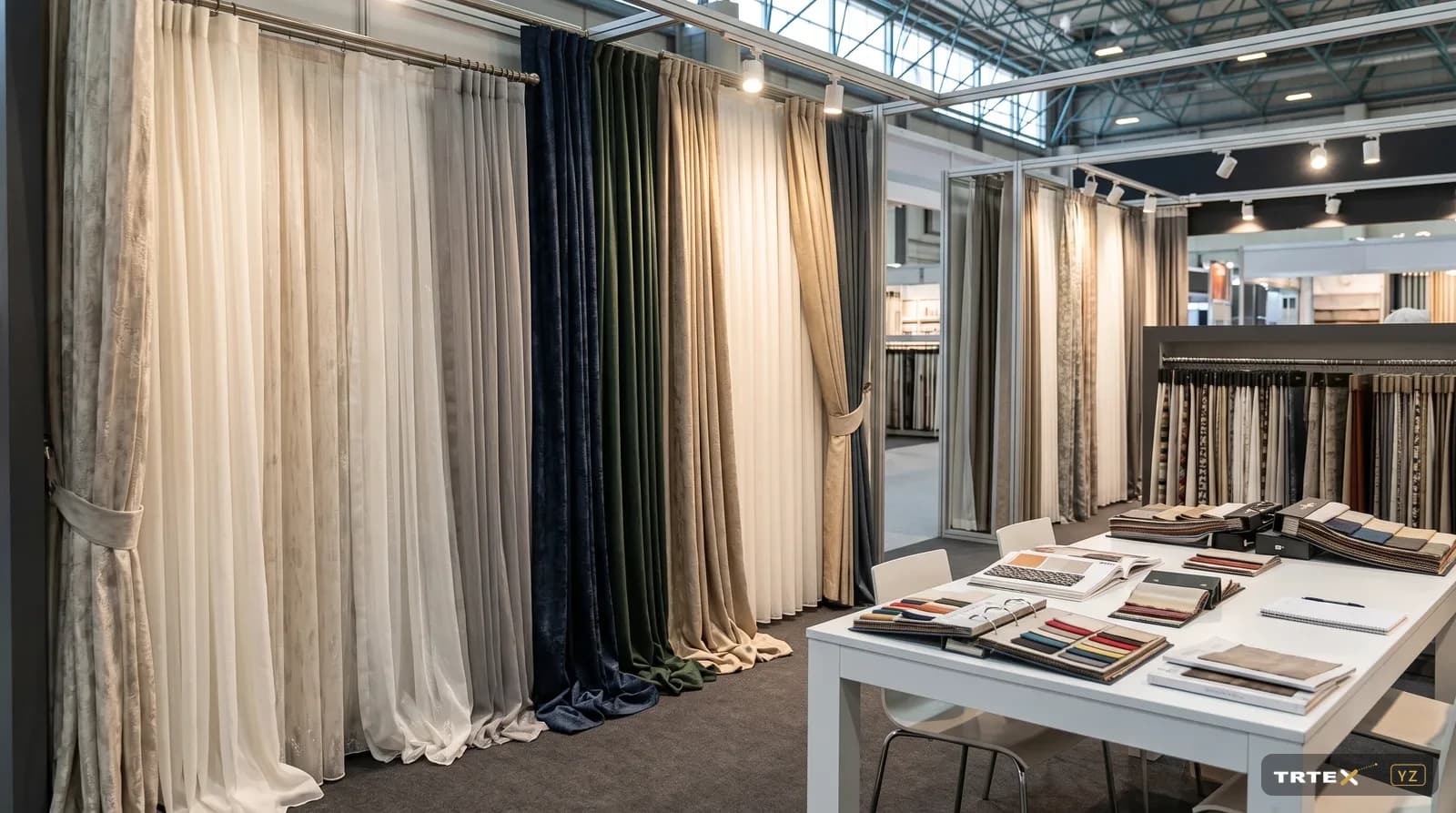
Integrating AI with augmented reality (AR) empowers consumers to visualize curtains, carpets, or upholstery fabrics within their actual living spaces before placing an order. A homeowner simply snaps a photo of their interior via smartphone, and the computer vision engine renders selected textiles with lifelike spatial realism, accurate drape physics, and authentic lighting interaction. This immersive pre-purchase visualization fosters buyer confidence, sharply curbs return rates, and cements brand loyalty. Moreover, in smart motorized shading systems, AI algorithms adjust louvers autonomously according to ambient weather and daylight, optimizing indoor comfort and residential energy efficiency.

Sustainability and AI: Engineering the Green Textiles of Tomorrow
Sustainability has become an indispensable imperative for the home textile trade, and artificial intelligence provides essential tools to accelerate this green transition. AI models optimize water consumption, dye recipes, and thermal energy use throughout wet processing, reducing the environmental footprint of finishing mills. Machine learning parameters identify recipes that achieve exact colorfastness with minimal chemical auxiliaries, preserving natural ecosystems and streamlining certification compliance with rigorous standards such as OEKO-TEX.
Moreover, AI enhances transparency and supply chain traceability for circular raw materials, supporting verifiable audits against frameworks like the Global Recycled Standard (GRS). By analyzing textile scrap fractions and determining mechanical recycling potential, predictive software accelerates the transition toward closed-loop manufacturing. Through these technological breakthroughs, the textile industry takes decisive strides toward reconciling ecological integrity with robust commercial viability.
In conclusion, artificial intelligence does not merely optimize operational efficiency; it propels the home textile sector toward a more imaginative, personalized, and environmentally sustainable future. This technological evolution demonstrates that continuous innovation and agile adaptation are existential imperatives for all industry participants. The living spaces of tomorrow are being intricately woven with the touch of AI.