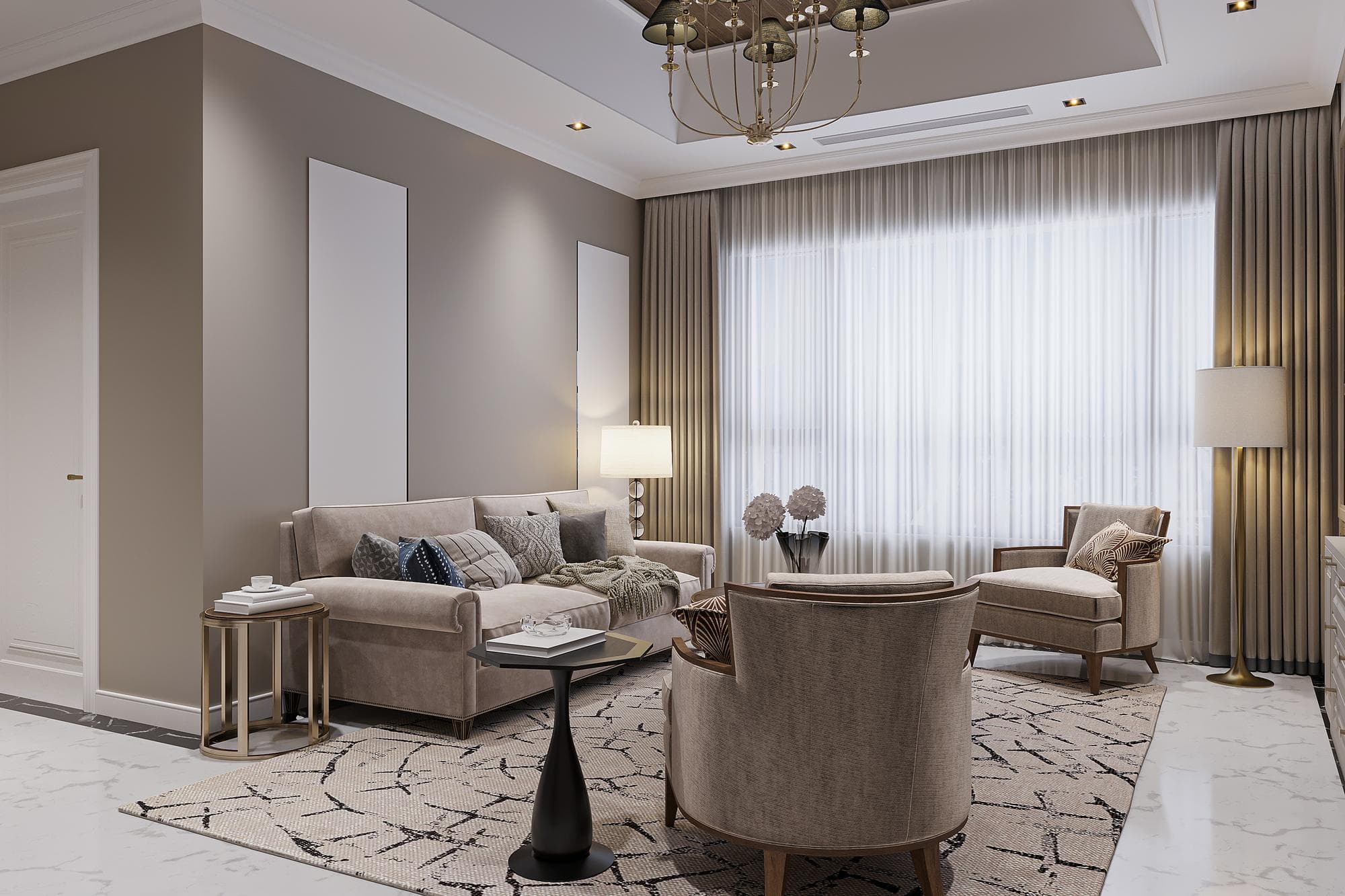
Transition to Smart Curtains: Cost and ROI Analysis in Hotels and Residences

Smart curtain systems are a significant technological innovation providing guest experience, comfort, and energy efficiency in hotels and residences. This article examines the initial costs, components, and long-term return on investment (ROI) analysis of smart curtain systems within the context of the Turkish textile sector.
In today's competitive hotel and residence sector, technological innovations have become one of the most important factors directly affecting guest experience and operational efficiency. Smart curtain systems, in particular, are on the radar of investors and project developers due to their potential to provide comfort, aesthetics, and energy efficiency. The initial costs and long-term return on investment (ROI) calculations for transitioning to these systems play a critical role in decision-making processes. The sector is undergoing a significant transformation from traditional curtain solutions to smart and integrated systems.
For Turkish home textile, curtain, and upholstery sector manufacturers, wholesalers, and exporters, this transformation creates new market opportunities and necessitates reshaping product ranges and production strategies. The adoption of smart curtain systems in hotel and residence projects not only increases the value offered to the end-user but also constitutes an important step towards achieving sustainability goals. This article will examine the cost and ROI analysis of smart curtain systems within the context of the Turkish textile sector's global competitiveness.
Initial Costs and Components of Smart Curtain Systems
The cost of transitioning to smart curtain systems varies depending on the project size, the complexity of the chosen technology, and the level of integration. Initial costs typically consist of motorized curtain mechanisms, control units, sensors, software, and installation services. On average, equipping a standard room with a smart curtain system can be 50% to 150% more expensive than a manual system. However, this difference is balanced by the long-term benefits. For example, the quality of motorized mechanisms, the type of fabric used, and the depth of integration with smart home automation directly affect the cost. Especially in large-scale hotel chains or luxury residence projects, integration with central control systems and building management systems (BMS) can increase the unit cost but optimizes overall efficiency.
System components typically include DC or AC motors, RF or Wi-Fi-based control modules, daylight and temperature sensors, remote controls, wall switches, and mobile application interfaces. Installation costs include items such as cabling infrastructure, system testing, and programming. Since the installation of these systems requires more technical expertise than traditional curtain mounting, the cost of skilled labor should also be considered. Furthermore, there are significant price differences among the solution sets offered by different brands and technologies. In European and North American markets, systems in the premium segment are offered at prices 30-60% higher than more economical Asian-made solutions.
From a technical perspective, features such as torque capacity, noise level (dB), speed settings, and energy consumption of the motors used in motorized curtain systems are important. RF (Radio Frequency) technology is frequently preferred due to its unobstructed communication range and reliability, while Wi-Fi-based systems offer easy integration with existing network infrastructure. Protocols like Zigbee or Z-Wave stand out with lower energy consumption and broad device compatibility. The selection of these technologies should be made based on the project's scale, budget, and desired level of automation.
Return on Investment (ROI) and Long-Term Advantages
The return on investment (ROI) for smart curtain systems depends on various factors and is typically calculated based on energy savings, operational efficiency, guest satisfaction, and increased property value. Energy efficiency is one of the most significant advantages of these systems. Curtains that automatically adjust according to daylight and room temperature can provide 10% to 25% savings in heating and cooling costs. Especially in buildings with large glass surfaces, these savings rates increase further. The use of sunlight for passive heating and lighting optimizes energy consumption.
- Energy Savings: Smart curtains reduce heating and cooling loads by maximizing the use of sunlight or preventing excessive heat gain through daylight sensors and timers. This constitutes a significant savings item, especially in regions with high energy costs.
- Operational Efficiency: Manually adjusting curtains in hotel rooms or residences requires staff time and cost. The ability to manage all curtains from a single point through central control systems increases operational efficiency and reduces labor costs.
- Guest and User Satisfaction: For guests with high expectations for comfort and technology, smart curtains offer a modern accommodation experience. The ability to control curtains with a single button or voice command enriches the user experience and increases customer loyalty. In residences, it enhances the quality of life.
- Increased Property Value: Hotels and residences equipped with smart home technologies become more attractive from a marketing perspective and hold a higher value for potential buyers or tenants. Such features can increase the market value of the property by an average of 5% to 10%.
- Sustainability and Green Building Certifications: Smart curtain systems that contribute to energy efficiency can earn additional points in green building certification processes such as LEED or BREEAM. This provides a significant advantage in terms of corporate social responsibility and brand image.
Technical Details, Standards, and Integration Processes
The installation of smart curtain systems is a process that requires both electrical and mechanical engineering knowledge. Correct motor selection, appropriate cabling infrastructure, and reliable control units are essential for the smooth operation of the systems. International standards define the safety and performance of motorized curtain systems. For example, UL (Underwriters Laboratories) and CE (Conformité Européenne) certifications indicate that products comply with specific safety and quality standards. Turkish textile manufacturers must ensure they offer products with these certifications to compete in export markets.
Integration processes involve smart curtain systems working harmoniously with building management systems (BMS), lighting automation, HVAC systems, and security systems. Industrial automation protocols such as KNX, Modbus, and BACnet provide seamless communication between different systems. These integrations allow hotel and residence managers to control all building functions from a single interface. Close collaboration between architects, interior designers, electrical engineers, and system integrators is required during the installation phase. Proper planning and implementation directly affect the system's performance and longevity.
The selection of curtain fabrics also plays a critical role in the performance of smart systems. Functional fabrics offering sun control, thermal insulation, and blackout properties increase the system's contribution to energy efficiency. Curtains with acoustic properties enhance comfort by providing sound insulation, especially in hotels and meeting rooms. Personalized and aesthetically rich designs can be offered through digital printing technologies, increasing the uniqueness and attractiveness of projects.
Concluding Analysis and Outlook for the Turkish Textile Sector
Investing in smart curtain systems is not just a cost item for hotel and residence projects but also a long-term strategic investment. The initial high costs can be quickly offset by factors such as energy savings, operational efficiency, increased guest satisfaction, and property value. While ROI calculations vary depending on project characteristics and geographical location, a payback period of generally 3 to 7 years is anticipated.
For Turkish textile manufacturers, wholesalers, and exporters, this trend offers an opportunity to develop high value-added products and gain a competitive advantage in the global market. Investing in R&D for smart curtain mechanisms, control systems, and functional fabrics is critical for the sector's future growth. Especially in European and North American markets, the demand for energy efficiency and smart home technologies is increasing daily. Turkish companies can increase their export volumes by offering innovative and quality solutions to meet this demand.
In the future, smart curtain systems are expected to become even more widespread and enriched with AI-supported personalized control options. The Turkish textile sector must closely follow this technological transformation, specializing not only in production but also in design, engineering, and integration services. In this way, it can achieve sustainable growth by becoming a preferred business partner in global hotel and residence projects.
Smart curtain systems are a significant technological innovation providing guest experience, comfort, and energy efficiency in hotels and residences. This article examines the initial costs, components, and long-term return on investment (ROI) analysis of smart curtain systems within the context of the Turkish textile sector.