アカデミー記事
OEKO-TEX STANDARD 100 New Limits and Restrictions
T
著者: TRTex Editorial Team
公開日: 2026年6月24日 · 最終確認日: 2026年9月29日 · ⏱️ 2 分で読めます
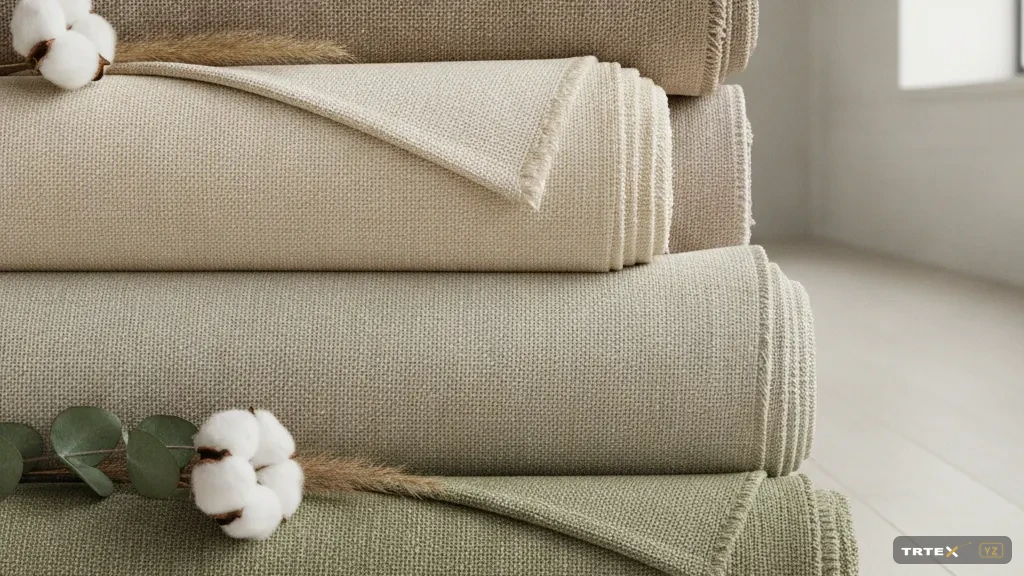
OEKO-TEX STANDARD 100 Regulatory Rationale
OEKO-TEX STANDARD 100 is an independent certification system under which textiles from yarns to finished articles are tested for harmful substances [1], [4]. As explicitly stressed in standard documents, STANDARD 100 is not a quality assurance certificate or broad sustainability label; it is a technical safety document proving that hazardous chemical substances potentially harmful to human health have been audited through laboratory analyses [1], [4].The system evaluates textile products under four separate product classes according to degree of contact with the human body [1], [4]. Product Class I covers infant and children's articles up to 3 years of age and features the strictest threshold limits [1], [4]. Product Class II covers articles with direct skin contact such as bed sheets and duvet covers [1], [4]. Product Class III is for items without direct skin contact [1]. Product Class IV covers home textiles and decorative furnishings including curtains, upholstery and table linen [1], [4].
2026 New Limits and Chemical Restrictions
Under the regulatory update binding as of June 1, 2026, the threshold limit for bisphenol B, bisphenol F, bisphenol S and bisphenol AF has been lowered to 200 mg/kg [2]. In addition, threshold limits for p-Anisidine and TPP (triphenyl phosphate) have been revised [2].Since 2023, OEKO-TEX has prohibited intentional use of PFAS under STANDARD 100; limit values are enforced for trace contamination [2], [5].
Flame Retardants and Certification Cycle
For home textile and curtain producers, deployment of flame retardant (FR) chemicals is subject to specific mandates [2], [3]. Flame retardant and PFAS rules are identical across all product classes without exception from Class I to Class IV [2], [4]. Flame retardant substances utilized in fabrics must be evaluated and accepted beforehand by OEKO-TEX [3], [4]. Flame retardant agents listed in Annex 5 of the standard (e.g. PBB, PBDE, HBCDD and TCEP) are strictly banned [3], [4].The certification process is administered by authorized OEKO-TEX institutes such as Hohenstein and Centexbel [7]. Issued certificates remain valid for 1 year and are renewed annually through re-testing of samples [1]. Manufacturers wishing to certify that facilities operate in accordance with eco-friendly and socially responsible conditions can apply for the MADE IN GREEN label [9]. Buyers can verify the certificate number printed on product labels online via the OEKO-TEX Label Check portal [10].
T
TRTex Editorial Team
AIの支援により作成 · TRTex AI
本コンテンツはAIの支援により作成されています(EU AI法 2024/1689、第50条)。出典のある情報には出典へのリンクを付しています。誤りや不足している情報にお気づきの場合は、お問い合わせページからご連絡ください。
出典・引用
- OEKO-TEX (STANDARD 100) (閲覧日: 2026-09-29) — oeko-tex.com ↗
- OEKO-TEX (Limit Values: New Regulations 2026) (閲覧日: 2026-09-29) — oeko-tex.com ↗
- OEKO-TEX (STANDARD 100 Appendices 4 & 5) (閲覧日: 2026-09-29) — oeko-tex.com ↗
- OEKO-TEX (STANDARD 100 Standard Edition 01.2026) (閲覧日: 2026-09-29) — oeko-tex.com ↗
- OEKO-TEX (Press Release 2023 New Regulations) (閲覧日: 2026-09-29) — oeko-tex.com ↗
- OEKO-TEX (STANDARD 100 Factsheet) (閲覧日: 2026-09-29) — oeko-tex.com ↗
- OEKO-TEX (Authorized Institutes) (閲覧日: 2026-09-29) — oeko-tex.com ↗
- EUR-Lex (Regulation (EU) 2024/2462, PFHxA) (閲覧日: 2026-09-29) — eur-lex.europa.eu ↗
- OEKO-TEX (MADE IN GREEN) (閲覧日: 2026-09-29) — oeko-tex.com ↗
- OEKO-TEX (Label Check) (閲覧日: 2026-09-29) — oeko-tex.com ↗