PM MITRA: India Scales Up Supply with 7 Integrated Parks
India plans to gain scale and speed in global supply by combining the fragmented production structure of its textile sector with seven integrated parks under PM MITRA.
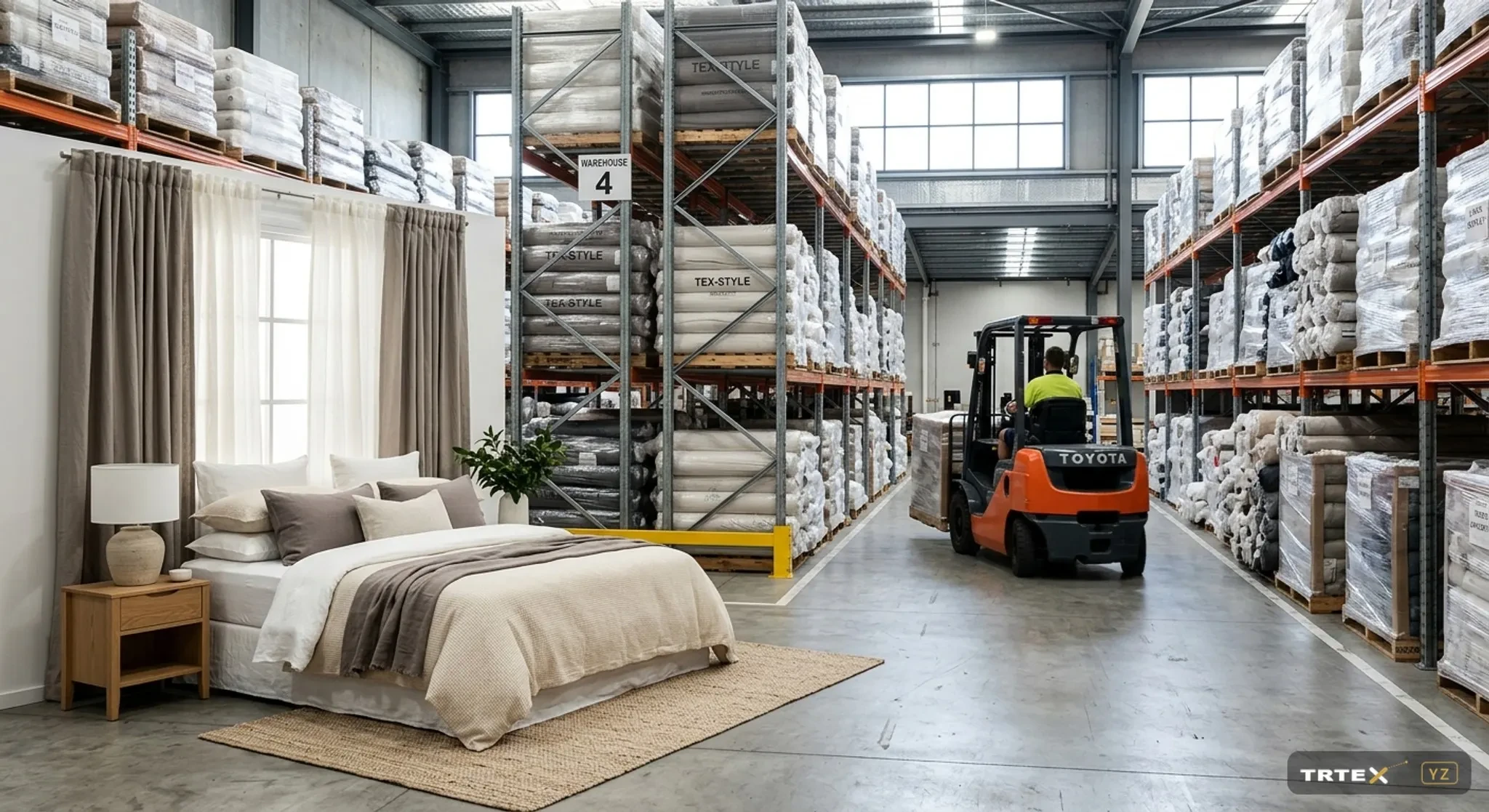
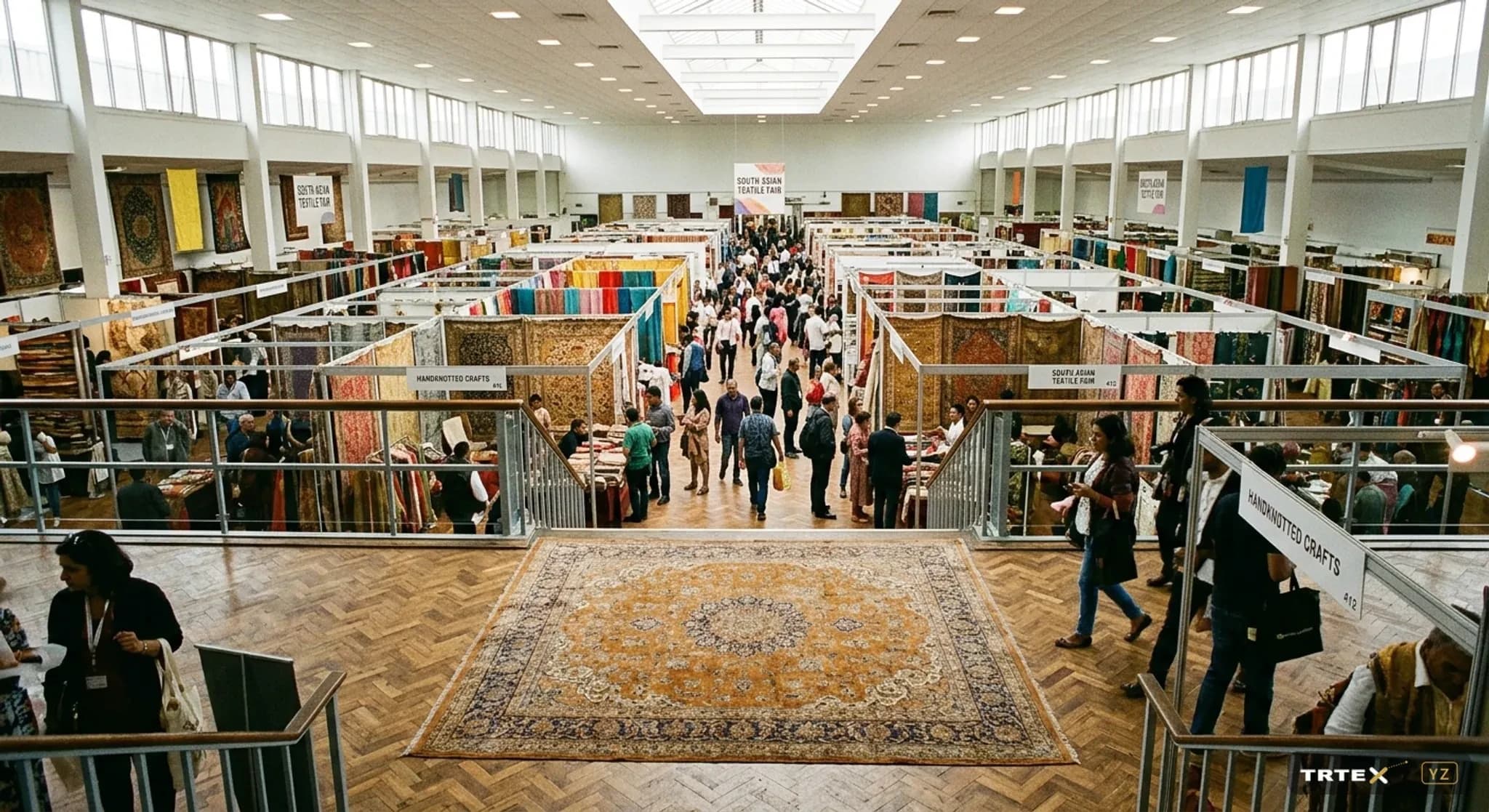
According to a Textile Insights report, India, which has one of the world's broadest production networks from yarn to home textiles, aims to transform its scattered manufacturing structure into integrated ecosystems in line with global brands' expectations for large-scale, fast supply from a single hub.
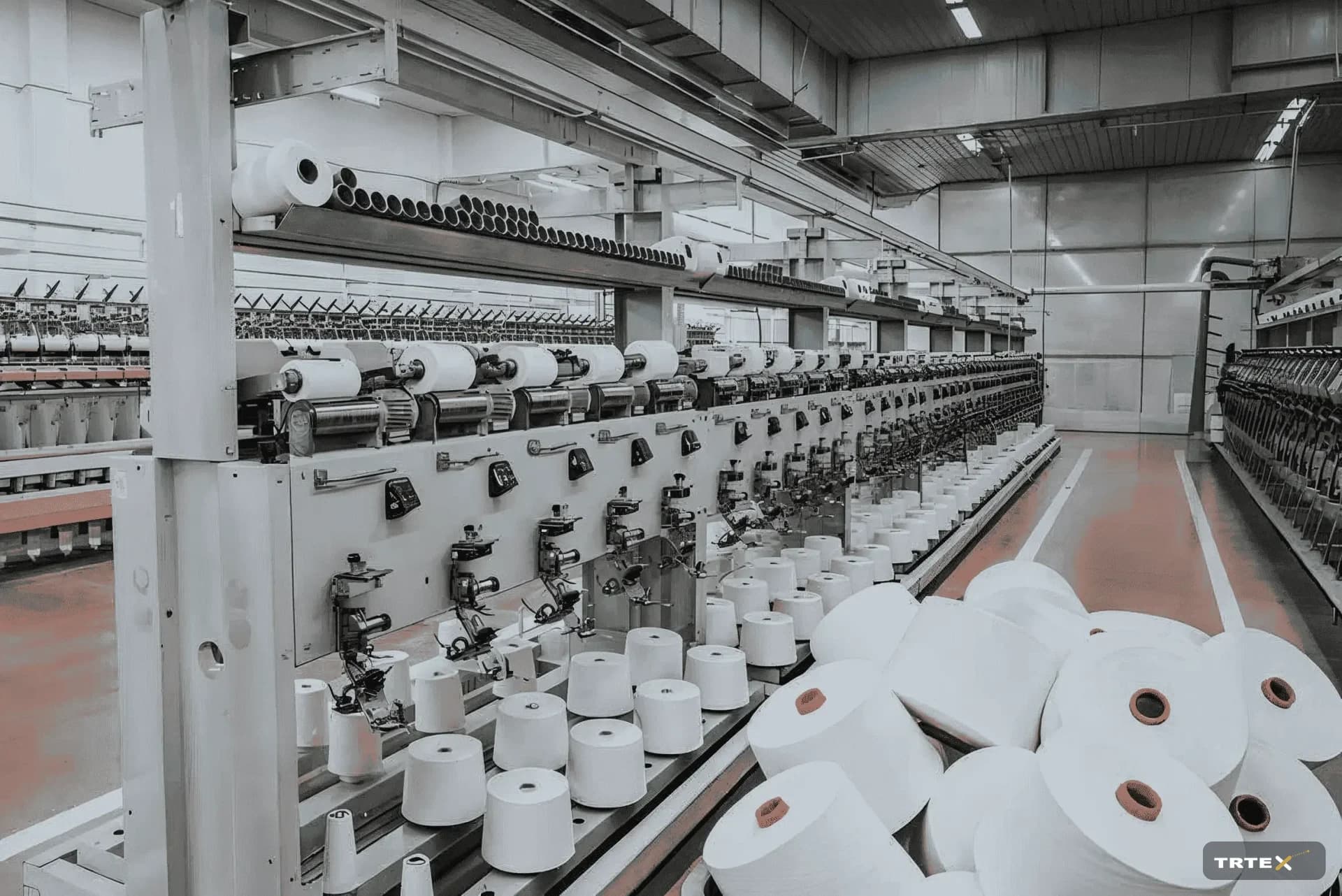
The analysis, which notes that global buyers are turning to traceable, sustainable, standard-quality products and short-lead-time orders, states that having yarn, weaving, dyeing, finishing, packaging and logistics in separate businesses across centers such as Tiruppur, Ahmedabad, Surat, Panipat and Ludhiana creates coordination difficulties. The seven PM MITRA (PM Mega Integrated Textile Region and Apparel) parks planned by the Government of India aim to reduce logistics costs, attract investment and bring the value chain together on shared infrastructure. The analysis highlights the importance of integrated manufacturers such as Welspun Living, Arvind, Vardhman Textiles, KPR Mill and Gokaldas Exports in quality and delivery control, while emphasizing that this transformation should be carried out without excluding SMEs that provide employment.
Background
Drawing lessons from organically grown network structures such as the one in Tiruppur, India aims to build its own industrial ecosystem rather than copying the Chinese and Vietnamese models directly. It is considered key to success that PM MITRA parks not be limited to factory buildings alone, but be supported by uninterrupted electricity and water, wastewater treatment plants, workers' housing, testing laboratories and logistics centers.
Why it matters
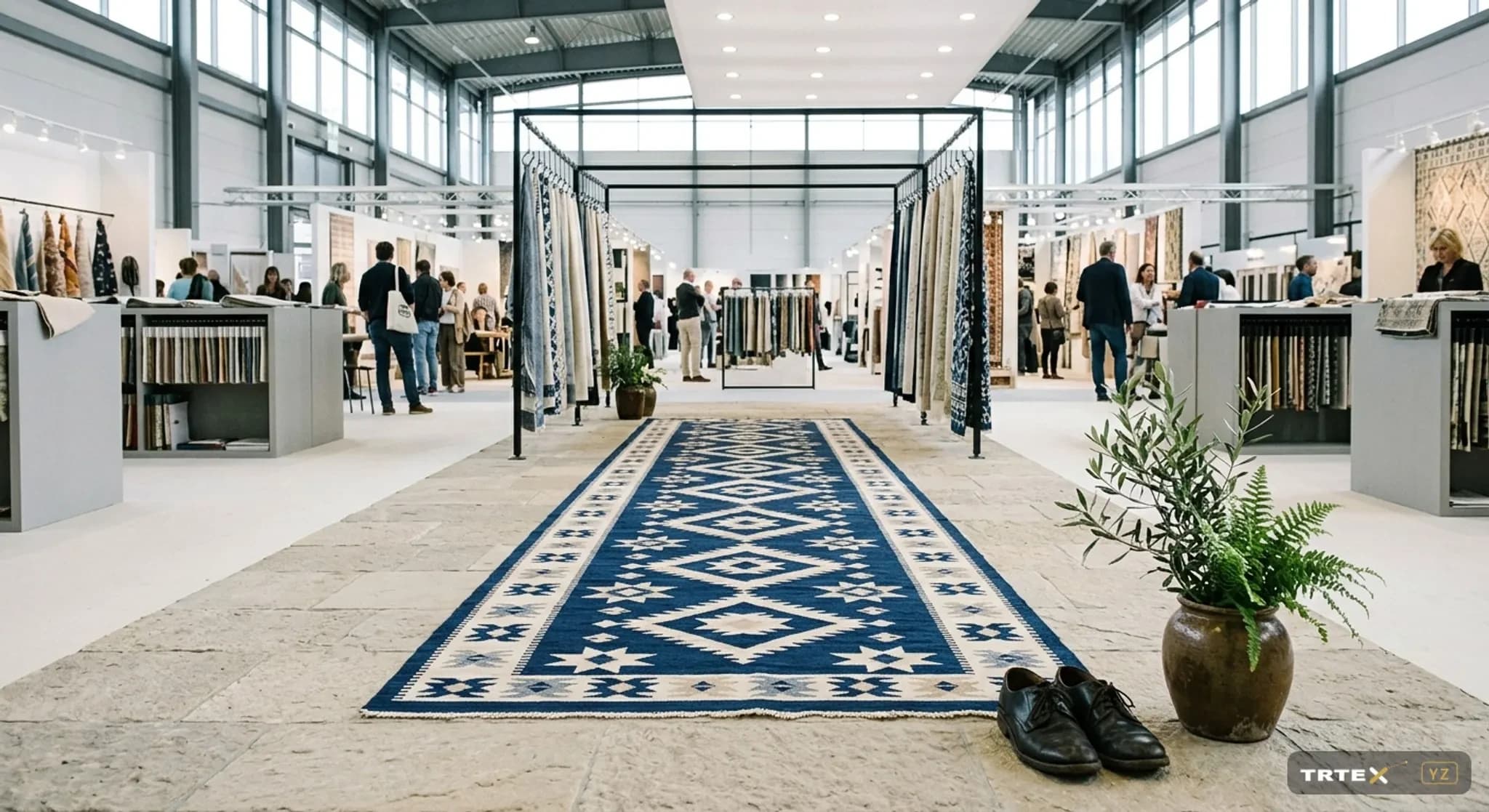
Because of the multi-layered structure of India's supply of home textiles, curtains and upholstery fabrics, the lead-time and coordination challenges it faces had created a fast-delivery advantage for Turkish producers. The country's shift toward large-scale and integrated production centers could directly affect competitive balances in Turkey's traditional export markets, particularly for bulk home textile orders.
What members can do
Turkish producers should strengthen sustainable, certified and traceable supply chain models demanded by global buyers. In addition, the flexibility of small-batch production and the advantage of fast sample delivery should be preserved, and market share should be secured through high value-added curtain and upholstery collections via digital B2B platforms.
This content was compiled with AI assistance from the cited source — Textile Insights. (EU 2024/1689 Art. 50)