Organic Cotton Crisis Hits Home Textiles: Supply Chains at Risk
The Cotlook Index, a primary global benchmark for organic cotton, reports surges in fiber prices driven by persistent logistics disruptions across West African shipping ports.

Global organic cotton fiber prices raised alarms across the home textile sector following a record 6.2% weekly jump reported in the June 2026 market analysis. Escalating logistical backlogs and weather-related disruptions across primary West African export terminals directly threaten the sustainable supply chains of major producers like Izmir-based Akdeniz Ev Tekstili A.Ş. This bottleneck drives up manufacturing costs and introduces severe lead time volatility for companies manufacturing bed linen, towels, curtains, and upholstery fabrics bound for European destinations. Brands anchored in organic certifications find themselves forced to overhaul production schedules amid tightening fiber availability.
Persistent Bottlenecks at West African Ports and Global Repercussions
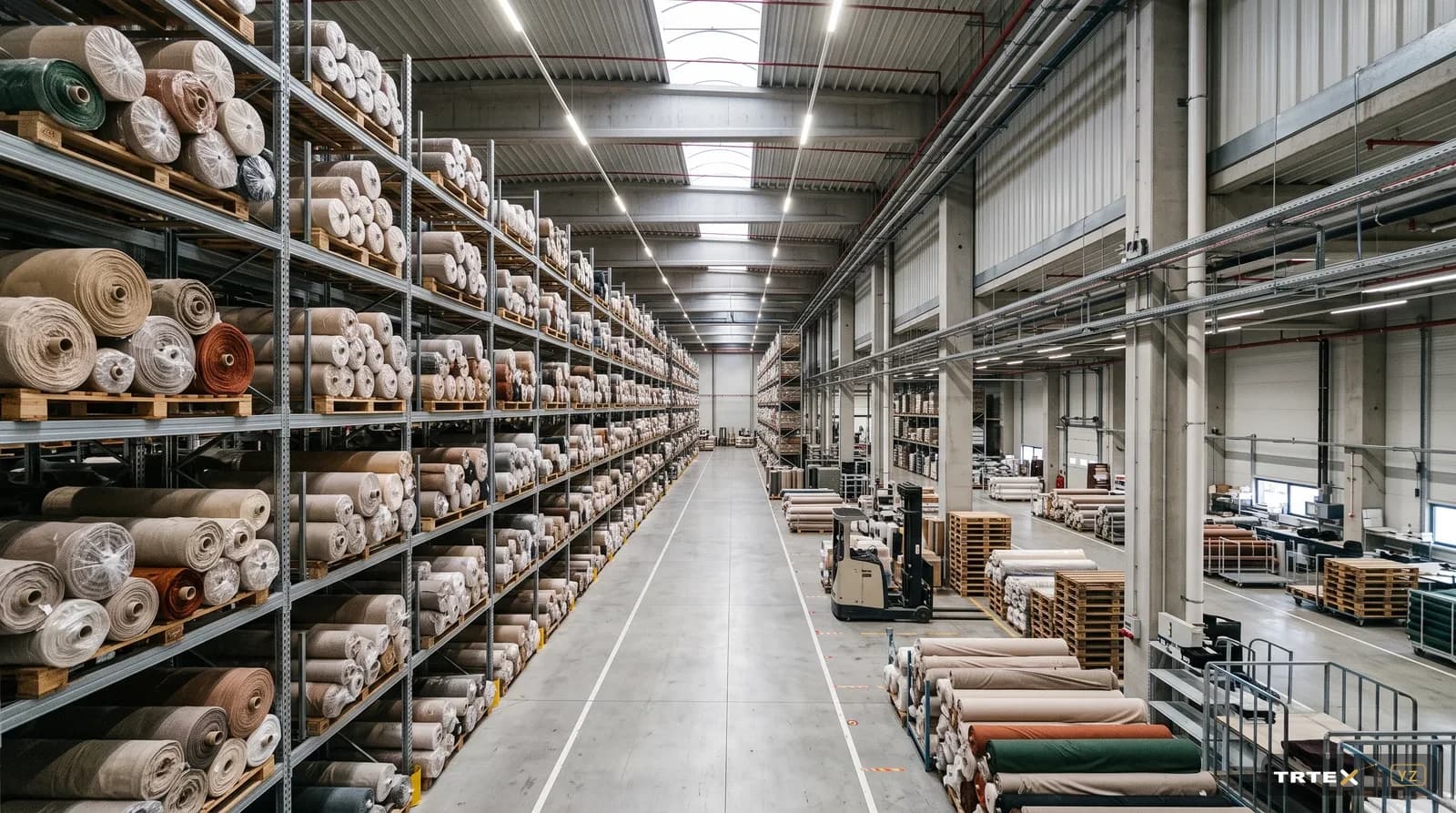
Inadequate port facilities across key producer nations—notably Benin, Côte d'Ivoire, and Burkina Faso—compounded by torrential rains and surging maritime traffic, have severely crippled sea freight schedules. Vessel turnaround and cargo loading times extending up to 18 days delay the arrival of fiber consignments at European spinning and weaving mills. These logistical snarls trigger a domino effect across global textile pipelines, pulling manufacturer buffer inventories down to alarming thresholds. Leading European retail groups and private labels report receiving initial force majeure notices from fabric suppliers.
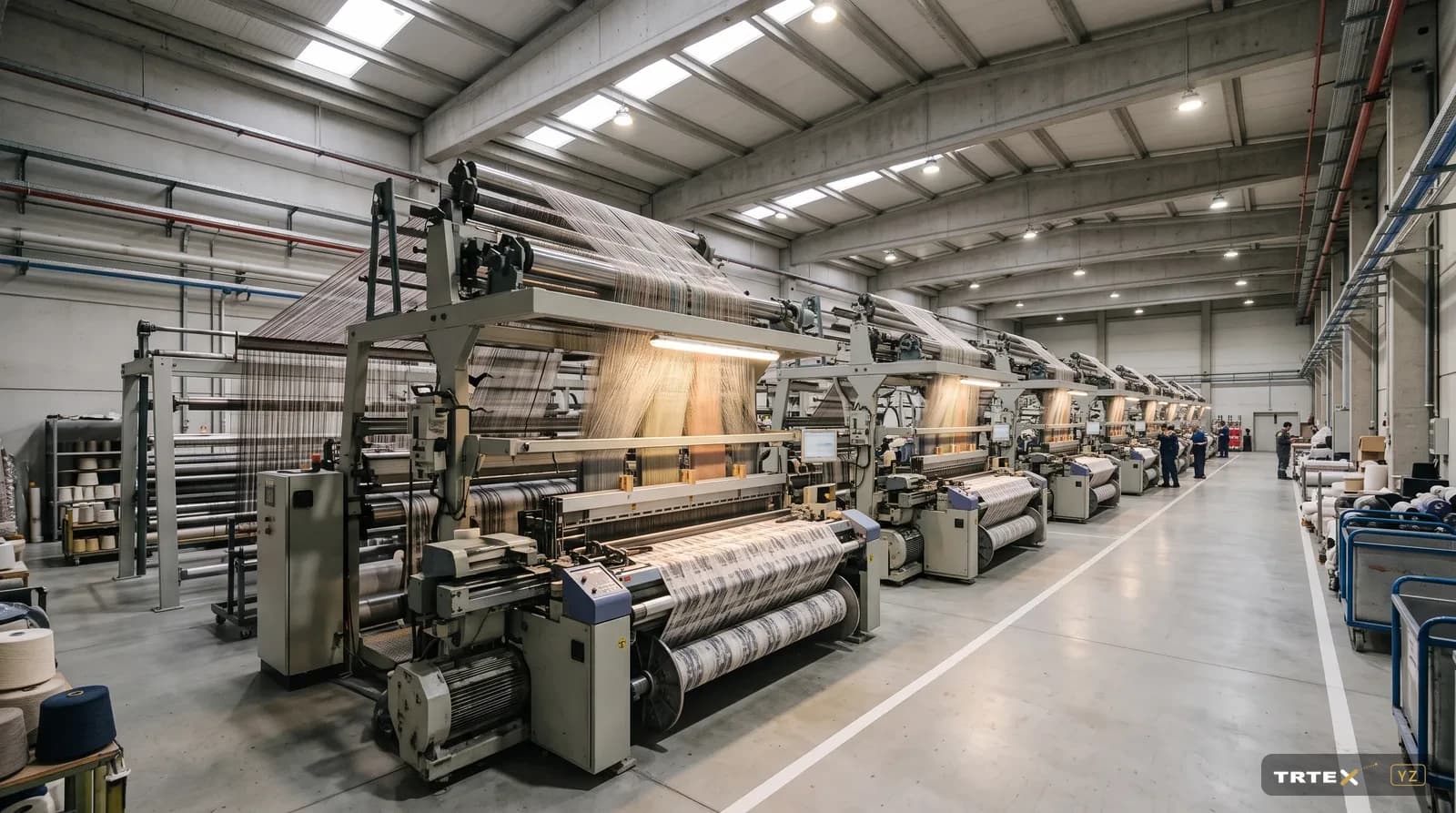
Home textile mills operating under specific ecological benchmarks like GOTS (Global Organic Textile Standard) bear the heaviest brunt of this supply squeeze. With numerous mills forced to readjust delivery calendars, shipping uncertainties strain retailer partnerships and erode market confidence. Companies producing premium organic sheets, bath towels, mats, and decorative cushions struggle to pass inflated raw fiber costs onto finished product price points. Consequently, profit margins contract, threatening corporate momentum toward broader sustainability roadmaps.

Sustainability Commitments and Alternative Sourcing Strategies
Over recent seasons, multinational brands committed to expanding collections governed by ethical and green production principles. The organic cotton crisis poses a formidable hurdle to fulfilling these public pledges, prompting strategic reviews among several fashion and home chains. To overcome immediate deficits and insulate against future supply shocks, textile executives are actively assessing alternative sourcing corridors. Expanding allocations from other organic cotton producers, including India, China, and Turkey, is under review, though price levels and fiber specifications vary compared to West African crops.
Industry spokespersons stress the imperative of diversifying vendor bases and scaling up regional spinning capacities. Simultaneously, appetite is growing for alternative natural and circular fibers such as recycled cotton, linen, and hemp blends. Representatives of the Turkish Home Textile Industrialists' Association (TETSIAD) express serious concerns over mid-to-long-term market impacts, calling for accelerated multilateral coordination. As consumer appetite for sustainable home goods continues to surge, meeting demand mandates reliable and systemic supply chain answers.
Future-Ready Solutions and Industry-Wide Transformation
As the raw material crisis deepens, industry leaders re-examine the role of digital innovation across supply network governance. Deploying tracking platforms and blockchain ledgers from field to finished fabric enhances provenance transparency while establishing early-warning alerts against logistics bottlenecks. Furthermore, channeling capital into climate-resilient farming practices and regenerative agriculture represents a core pillar for long-term viability. Aligned with European Green Deal guidelines, the home textile ecosystem must embrace structural agility to forge an ecologically sound footing.
This global organic cotton squeeze starkly exposes the inherent vulnerabilities embedded within global home textile supply networks. To withstand comparable disruptions ahead, enterprises must advance beyond purely cost-driven procurement toward holistic risk management and circular practices. While testing the sector's operational resolve, this challenging juncture provides a timely catalyst for pivoting toward resilient, transparent, and sustainable manufacturing paradigms.