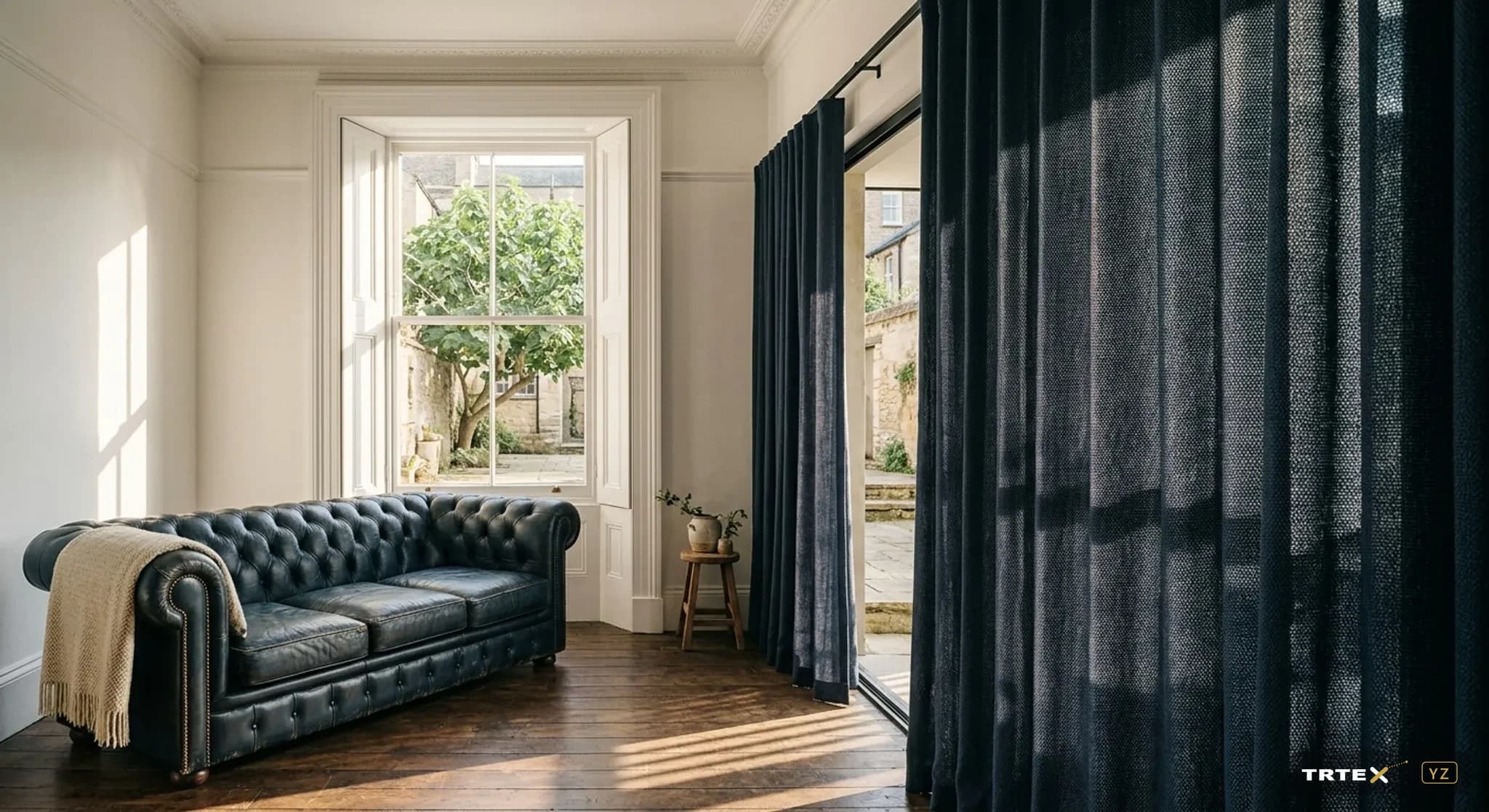
Innovative Fabric Techniques in Home Textiles

The home textile sector turns toward innovative fabric manufacturing techniques and next-generation materials to deliver lighter, more durable, and functional products, with microfibers and modal fibers taking center stage.
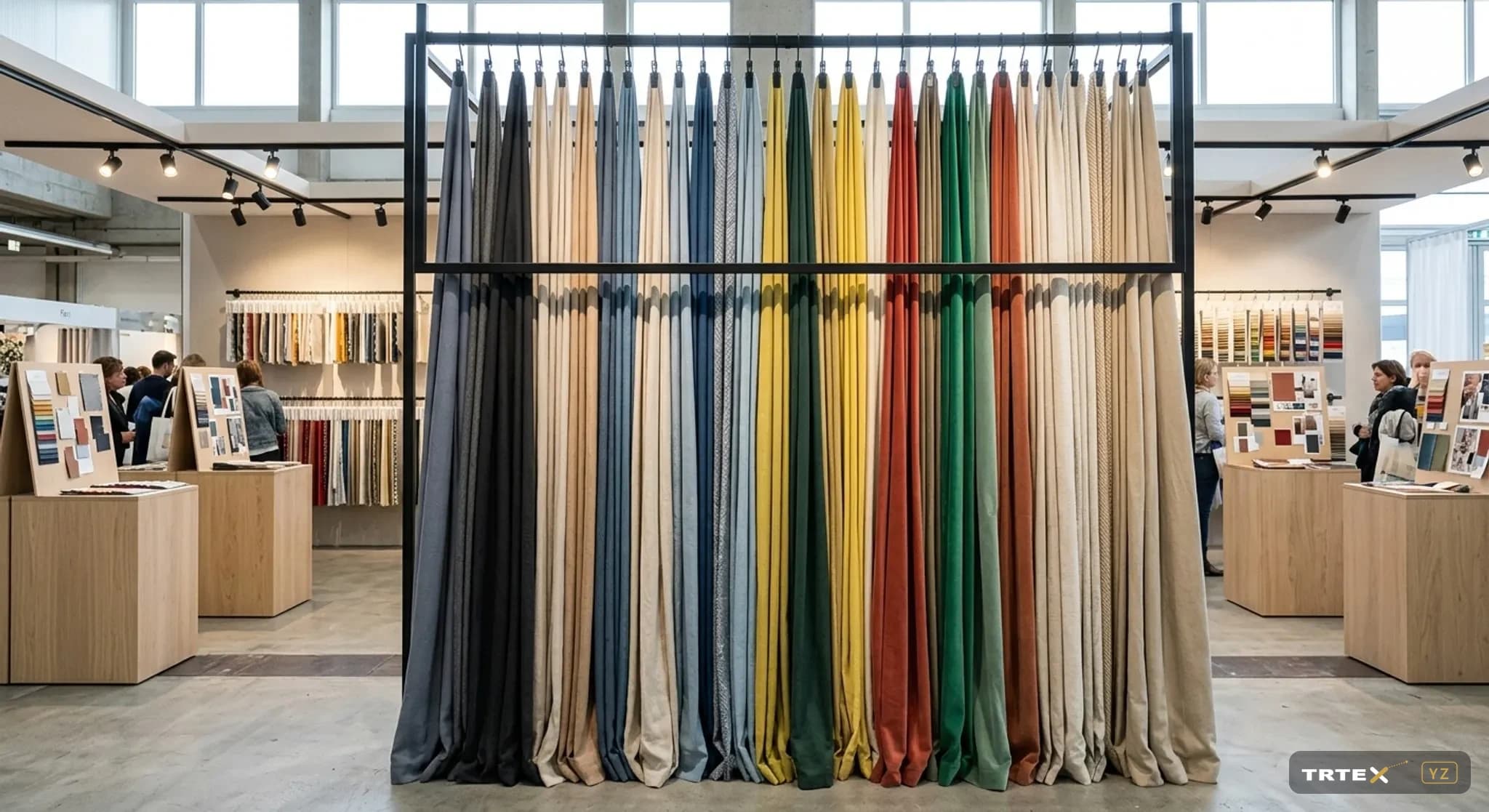
Shaping the future of the home textile industry, the International Textile Machinery Exhibition ITM 2026 was held on June 4-8 at the Istanbul Tüyap Fair and Congress Center. Structured around sustainability and digitalization, this prestigious event showcased pioneering innovations, delivering cutting-edge solutions across key home textile product segments including drapery, upholstery, toweling, and bed linen. Bringing together over 1,250 domestic and international machinery and technology manufacturers, the exhibition facilitated commercial contracts valued at approximately 1.5 billion euros. ITM 2026 consolidated Turkey's strategic position in transforming global home textile manufacturing, serving as a premier platform uniting industry leaders.
Among the most remarkable sections of the fair were the exhibition zones highlighting clean technologies that fundamentally transform home textile manufacturing. In particular, supercritical carbon dioxide (CO2)-based waterless dyeing systems presented a breakthrough solution to the intensive water and chemical consumption historically burdening the industry. These advanced systems carry immense transformation potential for water-intensive product lines such as terry towels, bed linens, bathroom rugs, and kitchen textiles. By dramatically slashing effluent treatment overheads and thermal energy consumption, they elevate operational profitability and directly preserve water reserves.
Leveraging these eco-friendly technologies, home textile brands gained the capability to manufacture with a substantially lower carbon footprint, directly addressing the soaring consumer demand for certified green and sustainable home products. Other notable innovations featured across the venue included upholstery fabrics woven from recycled post-consumer polymers, organic cotton bed sheet collections, and curtain fabrics dyed with botanical plant extracts. Manufacturers optimized their facilities toward zero-waste benchmarks while establishing circular life-cycle management frameworks. These methodologies represent core pillars for the industry's future growth roadmap.
Eco-Friendly Manufacturing and Circular Economy in Home Textiles
ITM 2026 served as a vibrant showcase demonstrating the accelerating digital transformation across the home textile sector. Artificial intelligence (AI)-powered pattern generation software, IoT-connected smart weaving lines, and robotic confection automation systems elevated manufacturing efficiency and agile customization to unprecedented levels. These technologies yield critical competitive advantages in jacquard curtain weaving, automated abrasion endurance testing for sofa coverings, and computer-vision quality inspection for toweling. Smart factory architectures monitor end-to-end production in real time, minimizing defect rates and streamlining energy expenditure.
Digitalization also drove substantial improvements in supply chain governance. Blockchain-powered traceability frameworks provide complete transparency from virgin fiber sourcing to finished consumer packages, equipping shoppers with verified data regarding origin, carbon metrics, and ethical labor standards. This transparency firmly substantiates brand sustainability claims. Alongside the exponential expansion of digital sales channels, 3D visualization tools and virtual reality (VR) spatial applications enable decorators to preview fabrics within realistic living spaces, accelerating purchasing decisions and elevating satisfaction.

Digitalization and Industry 4.0: A New Era for Home Textiles
The innovations unveiled at ITM 2026 hold immense potential to amplify the global competitiveness of the home textile industry. Turkey, endowed with an advantageous geographic position and centuries of textile manufacturing heritage, plays a trailblazing role in this industrial evolution. Focusing on technology modernization and design innovation, Turkish manufacturers are expanding market share across Europe, North America, and the Middle East with high-grade, sustainable offerings. In high-margin niches such as luxury hotel textiles and contract upholstery, they stand apart through tailored customization and rapid fulfillment capabilities.
The trade fair provided vital momentum for establishing cross-border partnerships and entering new export destinations. In particular, small and medium-sized enterprises (SMEs) seized the opportunity to assimilate these state-of-the-art technologies into their production lines. This technological integration is indispensable for reducing unit overheads, elevating productivity, and complying with stringent global regulatory standards. Amid the ongoing restructuring of international supply networks, the Turkish home textile sector firmly reinforced its reputation as a resilient and reliable manufacturing partner.
In summary, ITM 2026 unequivocally demonstrated the home textile sector's resolute progression toward environmental stewardship and digital excellence. Offering attendees an authoritative perspective on future manufacturing standards and market demands, the exhibition illuminated the industry's modernization trajectory. Home textile manufacturers that swiftly embrace these innovations will secure sustained competitive advantages across global markets.
The home textile sector turns toward innovative fabric manufacturing techniques and next-generation materials to deliver lighter, more durable, and functional products, with microfibers and modal fibers taking center stage.