Global Design Trends: Minimalism
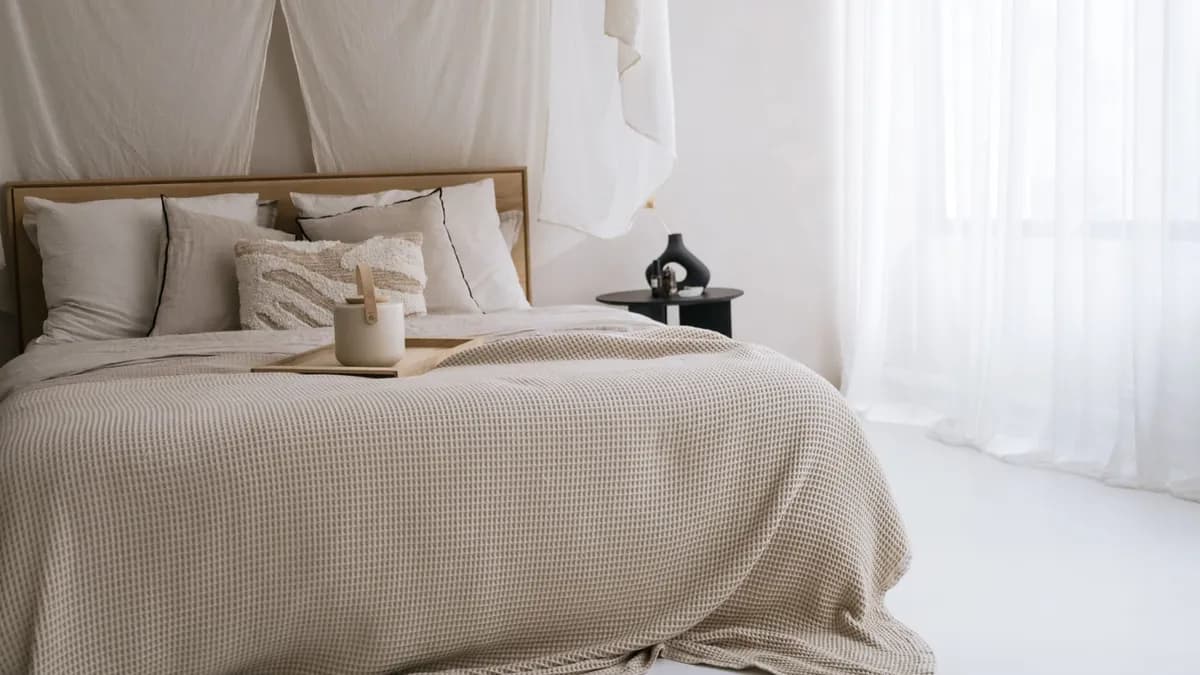
Global design trends in the home textile sector bring minimalist sensibilities and organic textures to the forefront. Understatement, tranquility, and circular sustainability become the cardinal inspirations for next-generation textile collections.
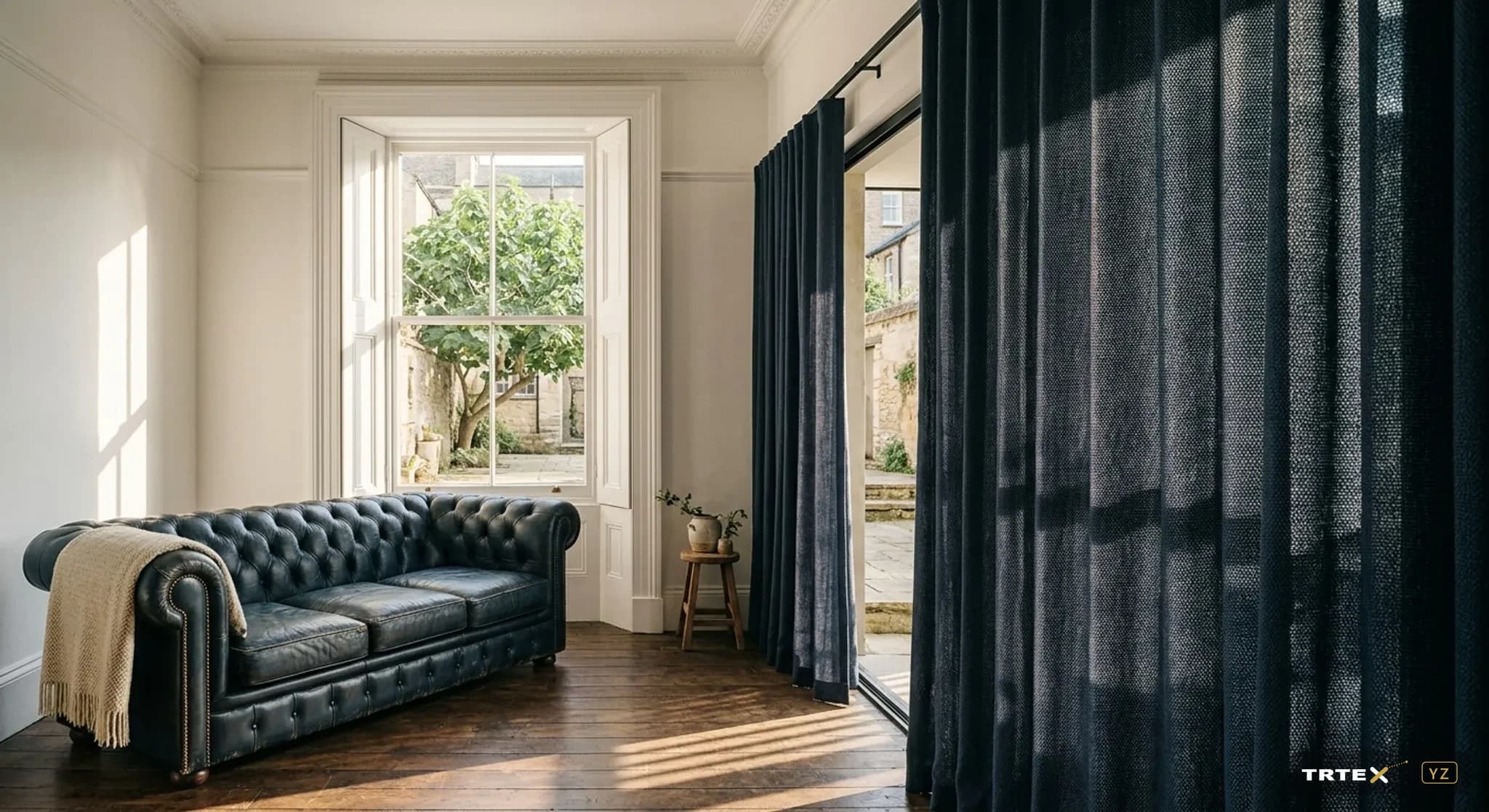
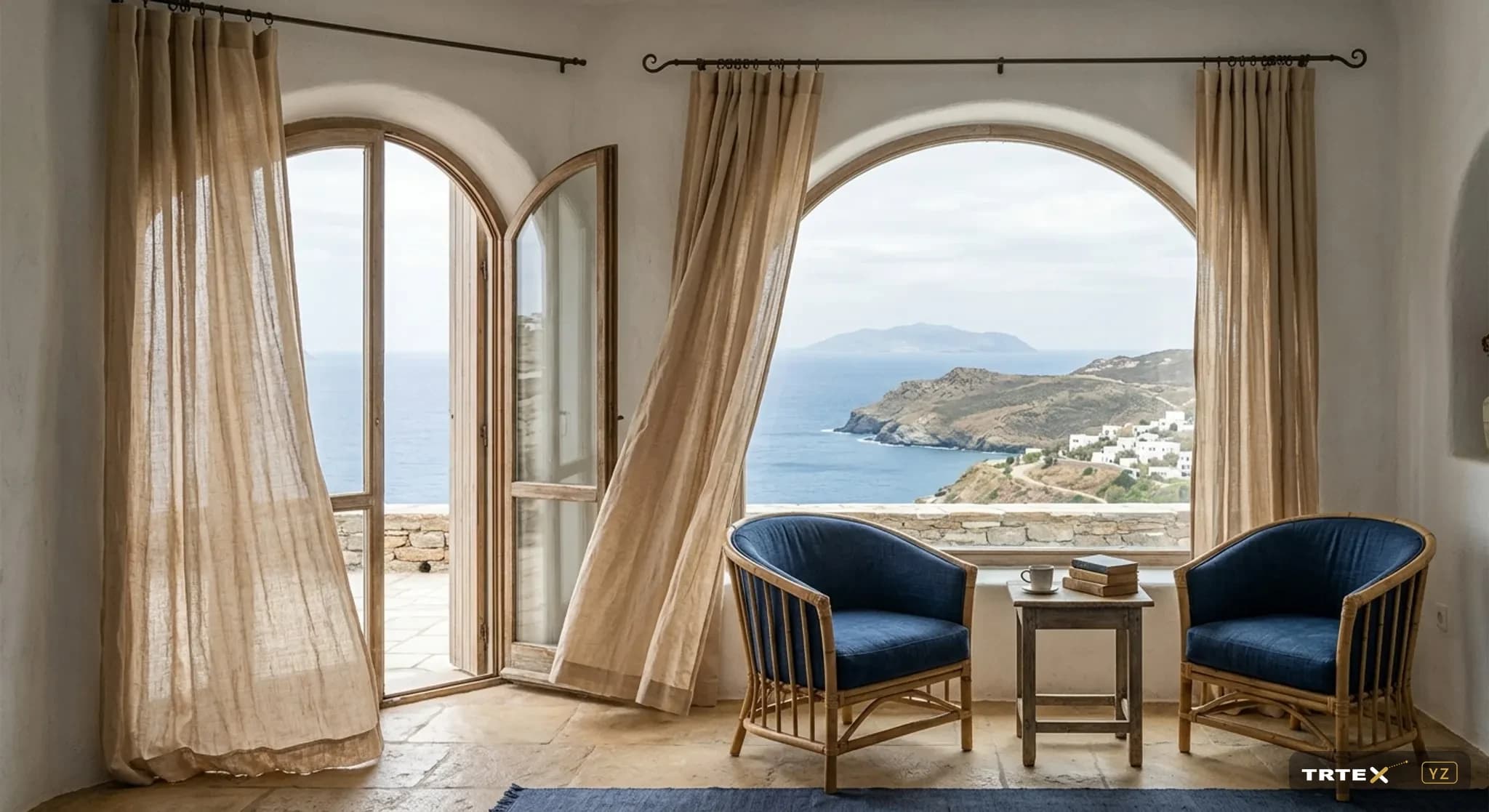
Guiding the future of global home textile aesthetics, international design directives for the upcoming seasons are anchored in minimalist discipline, where deliberate understatement and raw tactile textures reign supreme. Across prestigious global design forums and high-tech textile exhibitions like ITM 2026, the transition toward organic simplicity has redefined collections of window draperies, architectural upholstery, luxury towels, and minimalist bedding suites. Over 1,250 international mills and design houses converged to formalize partnerships valued at 1.5 billion Euros, affirming that minimalism represents not merely an aesthetic choice, but a functional production paradigm for enduring commercial longevity.
A vital pillar of contemporary minimalist design is the radical elimination of decorative excess in favor of pure, environmentally restorative manufacturing processes. Supercritical carbon dioxide (CO2) dyeing systems, operating without process water or chemical fixatives, embody this minimalist philosophy by stripping the finishing stage down to its absolute ecological essence. For luxury terry towels, organic cotton bed linens, and contract draperies, this technology delivers pristine, deep color saturation while preserving fiber softness. Furthermore, eliminating effluent discharge and cutting thermal requirements minimizes the environmental footprint while optimizing production efficiency.
Through this synthesis of minimalist aesthetics and clean engineering, home textile editors are producing collections that resonate with consumers who value uncluttered, serene living environments. Highlights across leading design forums include unbleached linen draperies, textured bouclé upholstery woven from mechanically recycled post-industrial yarn, and bed linens finished with natural mineral pigments. By paring back visual complexity, manufacturers emphasize authentic craftsmanship and closed-loop material purity, establishing new standards for timeless, circular interior collections.
Eco-Friendly Manufacturing and Circular Economy Paradigms in Home Textiles
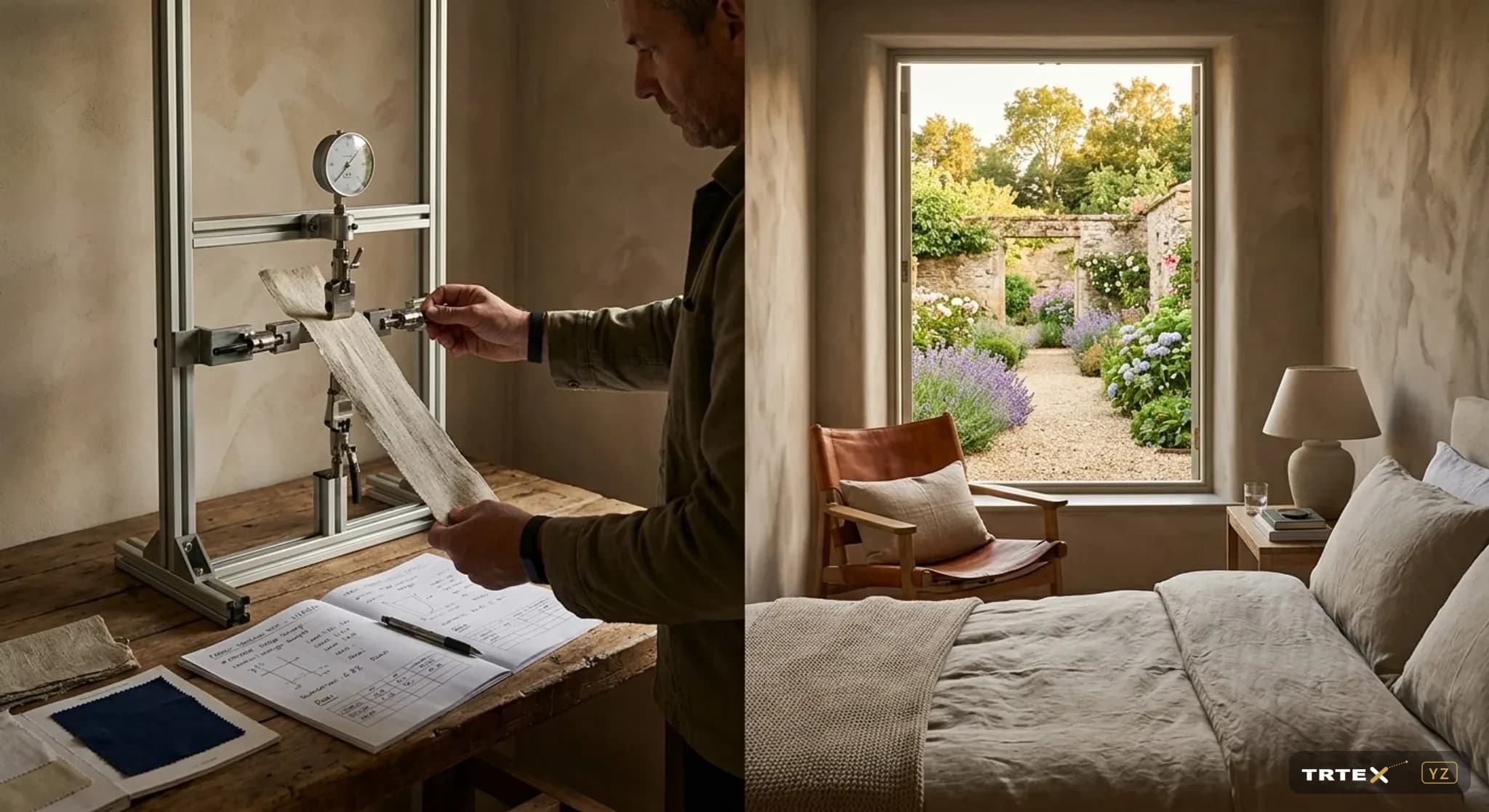
The minimalist movement across contemporary home textiles is deeply intertwined with digital precision and Industry 4.0 automation. Generative AI design tools, automated looms connected via industrial IoT, and computerized cutting systems allow mills to achieve architectural precision with zero unnecessary material waste. In understated jacquard draperies and high-performance minimalist upholstery, these automated lines eliminate weaving imperfections while executing micro-textures with extraordinary fidelity. Real-time digital telemetry monitors operational parameters, preventing resource waste and ensuring consistent tactile quality.
Digital architecture also brings profound clarity to supply chain provenance. Blockchain verification protocols track raw fibers from organic farms through spinning and weaving to the finished home collection, providing clients with unequivocal transparency regarding ecological authenticity. In addition, interactive 3D digital rendering and virtual reality (VR) tools allow architects and interior designers to visualize minimalist curtains and upholstery fabrics within physical room layouts prior to procurement, streamlining purchasing decisions and curbing return rates.

A New Era in Home Textiles with Digitalization and Industry 4.0
The minimalist evolution in home textiles provides manufacturers with decisive competitive leverage across discerning international markets. Turkey, situated at the crossroads of European design sophistication and advanced manufacturing infrastructure, serves as a primary hub for this design transition. By investing in precision manufacturing and sustainable textile engineering, Turkish mills are rapidly expanding their presence across Europe, North America, and the Middle East, supplying luxury hotels and residential projects with architectural draperies and refined upholstery collections.
International design partnerships established during recent trade fairs have enabled manufacturers of all scales to integrate modern technological standards into their minimalist production runs. This alignment is vital for lowering unit production overhead, perfecting fabric handle, and fulfilling international environmental accreditations. Amid the ongoing restructuring of global sourcing networks, the Turkish home textile sector has solidly reinforced its reputation as a premier supplier of high-end minimalist design.
In conclusion, the convergence of minimalism, sustainable engineering, and digital automation represents the defining design paradigm for the global home textile sector. By illuminating the harmony between aesthetic restraint and high-performance manufacturing, current industry developments chart a clear course for future growth. Textile producers who master the art of minimalist craftsmanship and ecological integrity will continue to set the benchmark for interior living spaces worldwide.
Global design trends in the home textile sector bring minimalist sensibilities and organic textures to the forefront. Understatement, tranquility, and circular sustainability become the cardinal inspirations for next-generation textile collections.