ITM 2026 Injects Sustainable and Digital Momentum into Home Textiles
Concluded at Istanbul Tüyap, ITM 2026 witnessed groundbreaking B2B partnerships centered on water-saving dyeing machinery and AI-integrated weaving systems.
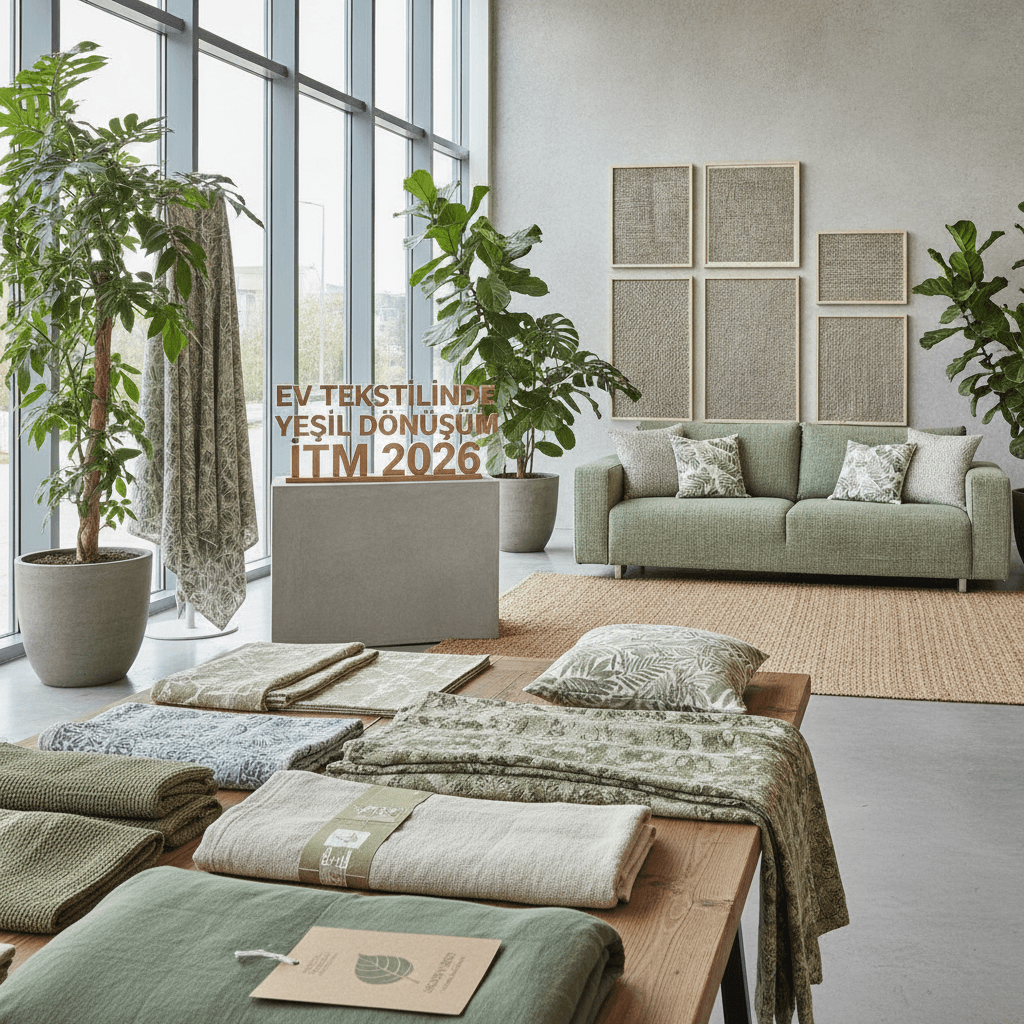
Shaping the future of the home textile industry, the International Textile Machinery Exhibition ITM 2026 took place on June 4-8 at the Istanbul Tüyap Fair and Congress Center. Highlighting groundbreaking innovations centered around sustainability and digitalization, this prestigious event presented advanced solutions across vital home textile categories including drapery, upholstery, towels, and bed linen. Bringing together over 1,250 domestic and international machinery manufacturers, the fair facilitated commercial agreements totaling approximately 1.5 billion Euros. ITM 2026 served as a preeminent platform reinforcing Turkey's strategic standing in the global manufacturing transformation.
Among the most striking highlights were dedicated exhibition zones presenting clean technologies that fundamentally reshape home textile production. In particular, waterless supercritical carbon dioxide (CO2) dyeing systems delivered a revolutionary answer to the environmental footprint caused by intensive chemical and water usage. These cutting-edge systems offer extraordinary transformation potential for water-intensive product lines such as terry towels, bedsheets, bathrobes, and kitchen textiles. By substantially reducing wastewater treatment costs and power consumption, they significantly elevate operational productivity and foster water stewardship.
These eco-friendly technologies empower home textile brands to manufacture with a drastically lower carbon footprint, directly fulfilling the expectations of environmentally conscious consumers seeking verified "green" collections. Other featured innovations included upholstery textiles spun from recycled polymers, organic cotton bedding sets, and drapery dyed with botanical pigments. Manufacturers optimized processing lines toward zero-waste benchmarks while discovering refined ways to manage product life cycles. These paradigms play a pivotal role in formulating sustainable future growth strategies.
Eco-Friendly Manufacturing and Circular Economy Paradigms in Home Textiles
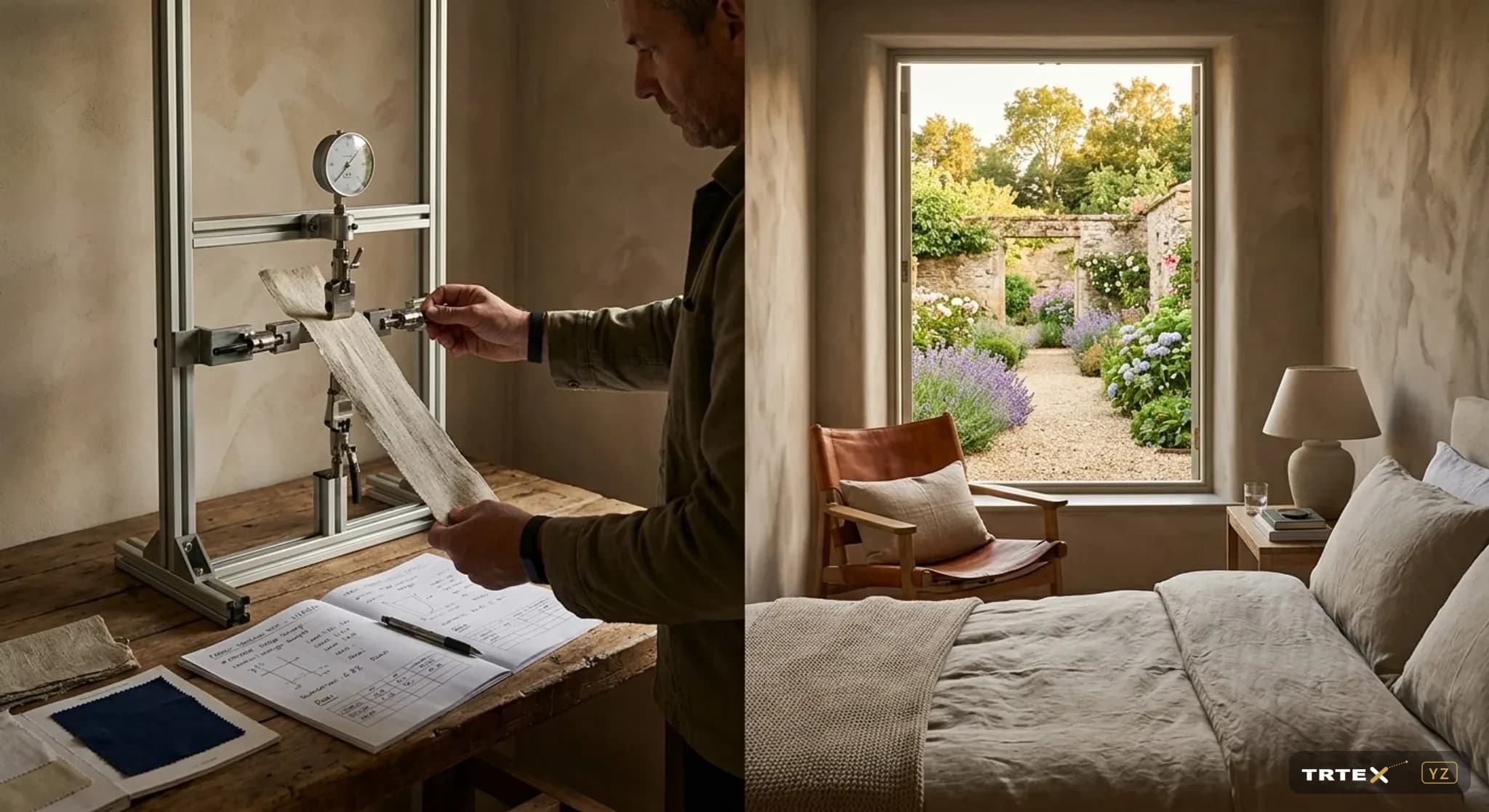
ITM 2026 showcased state-of-the-art developments demonstrating the accelerated pace of digital transformation across home textiles. Artificial intelligence (AI) pattern design suites, IoT-integrated production floors, and robotic automated sewing systems elevate processing efficiency and personalization capabilities to unprecedented heights. These innovations provide substantial advantages, particularly in complex jacquard curtain weaving, automated upholstery abrasion testing, and optical towel quality inspection. Smart factory ecosystems monitor production loops in real-time, drastically reducing defect rates and optimizing energy consumption.
Digitalization has introduced profound advancements in supply chain management. Blockchain architectures enhance end-to-end traceability from raw fiber to packaged goods, delivering authentic provenance data regarding origin and ethical labor conditions to end consumers. This verified transparency underpins brands' environmental claims. Concurrently with the surge in digital procurement channels, 3D room visualization and virtual reality (VR) configurations empower clients to experience textile drapery in real domestic environments, accelerating sales cycles and enhancing customer satisfaction.
Digital Transformation and Industry 4.0: A New Era for Home Textiles
The innovations showcased at ITM 2026 significantly enhance the global competitiveness of the home textile industry. Turkey, endowed with a prime logistical geography and an illustrious textile manufacturing heritage, spearheads this industrial evolution. By intensifying investments in advanced technology and creative design, Turkish manufacturers continue to expand their market share across Europe, North America, and the Middle East with high-value, sustainable collections. In high-margin segments like luxury hospitality linens and contract draperies, they stand out through agile customization and rapid lead times.
The exhibition served as an instrumental catalyst for forging cross-border joint ventures and penetrating foreign markets. Small and medium-sized enterprises (SMEs) seized the opportunity to assimilate novel machinery and software into their manufacturing floors. This assimilation proves essential for curbing overhead costs, elevating productivity, and complying with international standards. In the ongoing restructuring of global supply chains, the Turkish home textile sector has solidly reinforced its reputation as a resilient, flexible, and dependable partner.
In conclusion, ITM 2026 clearly demonstrated the determined strides taken by the home textile industry at the nexus of sustainability and digitalization. Providing stakeholders with crucial insights into tomorrow's production standards and evolving consumer appetites, the event illuminated the industry's transformation journey. Home textile manufacturers that decisively adopt these pioneering technologies will seize sustained competitive advantages and cement their global leadership.
Concluded at Istanbul Tüyap, ITM 2026 witnessed groundbreaking B2B partnerships centered on water-saving dyeing machinery and AI-integrated weaving systems.