Silence as the New Luxury: Rise of Acoustic Textiles
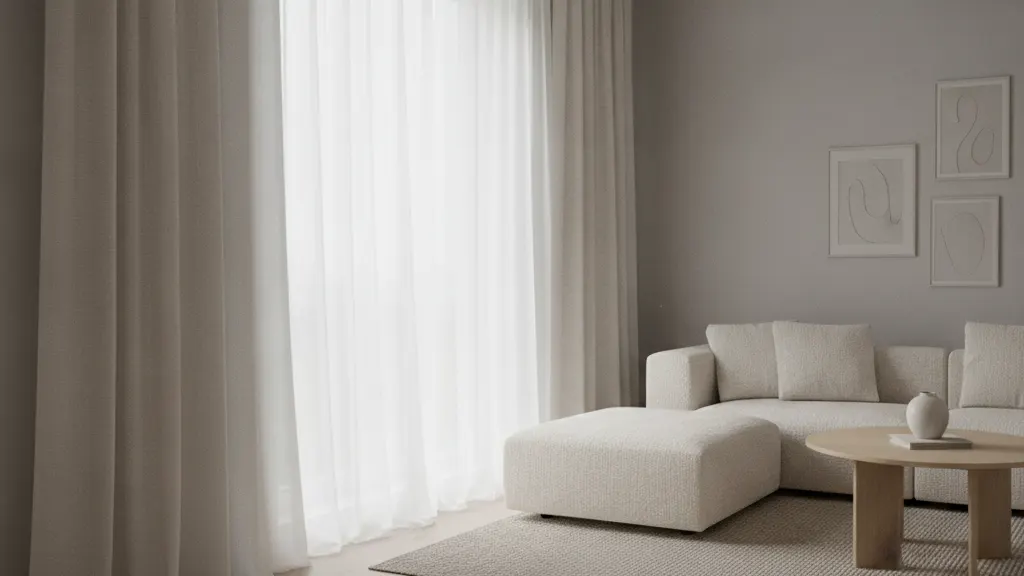
Explore the global acoustic textile surge driven by quiet luxury, with soundproof drapery markets expanding from $3.53B in 2025 to $4.04B in 2026.
In today's rapidly urbanizing and hyper-connected global environment, acoustic tranquility is emerging as an ultra-premium commodity. This cultural evolution is propelling a significant structural transformation across the home textile, drapery, and contract upholstery sectors: the surging demand for certified acoustic textile solutions. Particularly across high-end hotels, corporate campuses, and luxury residential projects, sound attenuation has evolved far beyond decorative aesthetics into a fundamental prerequisite for cognitive well-being and health.
For Turkish textile mills, wholesalers, and exporters, this macro trend delivers substantial commercial avenues for technical innovation and global market expansion. As clinical awareness regarding the detrimental physiological impacts of environmental noise pollution spreads, interior textiles engineered with verified sound absorption capabilities are shifting from discretionary upgrades into mandatory architectural specifications.
Market Growth Dynamics and the 'Quiet Luxury' Design Movement
International industry intelligence forecasts remarkable commercial expansion for the global soundproof drapery sector. Market analysts project the sector will surge from $3.53 billion in 2025 to over $4.04 billion by 2026. These metrics signal a definitive procurement shift: acoustic engineering will form an inseparable cornerstone of next-generation interior architecture. Concurrently, the 'quiet luxury' movement has established itself as the defining design philosophy for 2026, prioritizing understated architectural restraint, tactile authenticity, and serene sensory retreat.
Acoustic textiles extend far beyond window draperies to encompass upholstered wall paneling, ceiling baffles, modular space dividers, and heavy-duty seating upholstery. This functional versatility empowers textile mills to diversify collections across multiple contract domains. Sound-absorbing fabrics find urgent application within dense open-plan offices, conference amphitheaters, hotel atrium lounges, and Michelin-starred restaurants where mitigating reverberation is critical.
Technical Architecture and Industrial Engineering Opportunities
The technical architecture of acoustic fabrics is engineered to maximize sound wave absorption. A premier engineering construction integrates a tactile decorative outer face with an inherently flame-resistant natural wool fleece core, bonded securely to an acoustic lining sandwich. This multi-layered composite traps sound waves within micro-fibrous chambers, dramatically dampening echo and ambient decibels. For mills, developing semi-sheer acoustic voiles that seamlessly balance natural daylight transmission with verified sound dampening represents a lucrative high-margin niche.
- Hospitality and Corporate Projects: Developing contract acoustic drapery and upholstery tailored to high-density hotel lobbies and executive boardrooms represents a premier growth channel for Turkish weavers requiring certified decibel dampening.
- Fire Safety Compliance: Across commercial and civic installations, fire resistance is non-negotiable. Certifying acoustic fabrics under stringent international flammability codes such as BS 5867 provides a decisive competitive edge in international tenders.
- Material Innovation: Incorporating recycled circular yarns and pure wool fleeces aligns acoustic performance with stringent circular economy criteria, capitalizing on the innate acoustic superiority of dense natural animal fibers.
- Design Versatility: Blending technical acoustic damping with refined jacquard weaving enables collections to integrate effortlessly into both minimalist architectural schemes and heritage decorative projects.
Testing Standards, Certifications, and Installation Physics
Securing broad market adoption for acoustic textiles requires rigorous laboratory testing. The Noise Reduction Coefficient (NRC) and Sound Absorption Average (SAA) objectively quantify acoustic efficacy. Validating fabrics through accredited independent acoustic testing laboratories provides immediate commercial credibility among architectural specifiers. Concurrently, conformity with BS 5867 flame retardancy standards guarantees legal compliance across demanding contract jurisdictions.
Physical installation physics heavily governs acoustic efficacy. Achieving full wall-to-wall and floor-to-ceiling drapery coverage with generous wave or box-pleat fullness significantly expands operative surface area, enhancing low-to-mid frequency sound absorption. In upholstered wall panels, proper air gap spacing behind mounting substrates further optimizes reverberation damping.
Future Outlook and Strategic Directives for the Turkish Industry
The ascendancy of acoustic textiles represents a permanent structural transformation rather than an ephemeral decorative trend. Deepening global awareness of sensory wellness combined with the enduring prestige of quiet luxury will accelerate contract demand throughout the decade. Turkish mills are uniquely positioned to capture dominant market share by leveraging superior spinning infrastructure, advanced jacquard weaving, and agile custom manufacturing.
By investing resolutely in accredited acoustic R&D, certifying collections under global flammability standards, and targeting major architectural practices, Turkish textile enterprises will establish themselves as indispensable tier-1 partners worldwide. This engineering elevation will not only drive robust export earnings, but permanently solidify Turkey's reputation as a global leader in high-performance functional luxury.