Warm Neutrals Return: Beige and Clay Tones for 2026
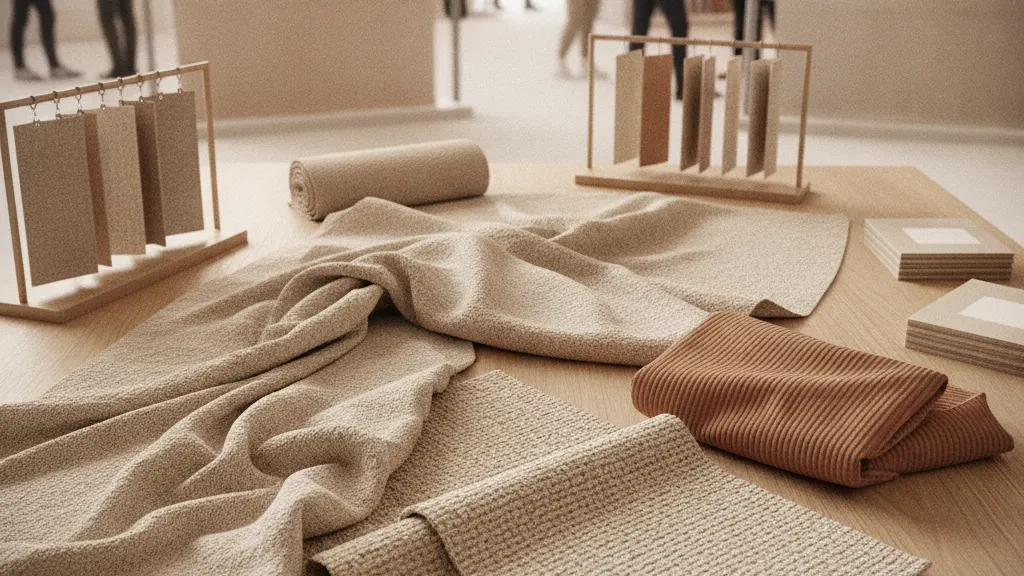
Mayer Fabrics' 2026 commercial forecast highlights the shift to warm beige, caramel, and clay tones. Strategic opportunities for Turkish home textile mills.
The home textile, drapery, and contract upholstery sectors continue to closely monitor structural shifts in global color and architectural design trends. According to the 2026 commercial fabric trend report released by Mayer Fabrics, a major authority in the international textile market, the stark whites and cold industrial grays that long dominated interior specifications are being decisively replaced by deep, warm neutral palettes. This evolution marks the triumphant resurgence of grounded earth tones such as beige, soft coffee, caramel, and terracotta clay, breathing renewed warmth and understated sophistication into contract environments.
This aesthetic transition stems from a collective desire across hospitality venues and executive corporate lounges to soften interior atmospheres while preserving an impeccably polished, high-end appearance. Field observations from NeoCon 2026 reinforce that commercial interiors are firmly pivoting toward warmer, more tactile, and deeply inviting environments. For Turkish textile manufacturers, converter wholesalers, and exporters, this macro trend presents a clear strategic blueprint for upcoming collection development and international market positioning.
The 2026 Color Palette: Resurgence of Deep Earth Neutrals
The Mayer Fabrics 2026 forecast underscores a palpable evolution in architectural color palettes. In sharp contrast to the stark, minimalist sterility of recent decades, future spaces will be enriched with an organic, grounded sensibility. Beige is no longer relegated to a passive background neutral; through nuanced multi-tonal variations and expressive weaves, it has become a compelling design focal point in its own right. Gentle coffee tones, particularly warm latte and velvety cappuccino hues, introduce tranquility and emotional comfort, while rich caramel notes impart depth and luxurious warmth. Clay and terracotta tones contribute an authentic, raw tactile resonance, channeling the unadorned beauty of natural earth directly into modern interiors.
These welcoming palettes are rapidly gaining favor in contract upholstery for boutique hotel guestrooms, expansive reception lobbies, fine dining restaurants, and executive meeting lounges. The overarching goal is to craft spaces that feel hospitable, calming, and human-centric. The clinical austerity of cool grays has given way to shades that harmonize effortlessly with natural daylight, alleviate visual fatigue, and support sustained psychological comfort. Furthermore, this transition aligns seamlessly with circular design principles, as earthy hues pair naturally with unbleached sustainable fibers and organic wood finishes.
For the Turkish home textile industry, this movement requires far more than surface color adjustments; it demands fresh innovation across tactile textures and pattern configurations. Alongside premium natural fibers like linen, combed cotton, and pure wool, recycled polyester and circular synthetic yarns can be dyed in these nuanced shades to satisfy both rigorous aesthetic demands and uncompromising environmental criteria.
Strategic Opportunities for Turkish Home Textile Manufacturers
Turkish textile mills possess the agility and industrial capacity to integrate this palette into upcoming collections, establishing a decisive competitive advantage across export markets. Across both contract drapery and heavy-duty upholstery categories, the application versatility of warm neutrals is virtually limitless. Forward-looking manufacturers should capitalize on several key development pathways:
- Rich Textures in Contract Drapery: Draperies woven in warm beige, caramel, and clay tones function as organic light diffusers. Integrating slubbed linen, textured cotton, or bamboo blends yields luxurious body and gentle drape. For international hotel developments, developing three-pass blackout fabrics featuring warm neutral decorative faces represents an exceptionally lucrative niche.
- Tactility and Comfort in Commercial Upholstery: In seating upholstery for armchairs, modular sofas, and ottomans, combining warm neutrals with tactile surfaces such as velvet, bouclé, and chenille delivers peak comfort and luxury. Clay and mocha upholstery complements natural timber casegoods perfectly, provided abrasion resistance and stain repellency meet stringent commercial specifications.
- Minimalist Patterns and Tonal Weaving: The warm neutral aesthetic favors sophisticated restraint over ostentatious patterning. Subtle tone-on-tone jacquards, micro-geometric structures, and organic slub patterns elevate fabric depth without overwhelming interiors, with subtle yarn variations imparting distinctive three-dimensional character.
- Coordinated Soft Furnishings and Accessories: Mills should extend these harmonious palettes into decorative accessories, including woven cushion covers, throws, and table linens. Layering contrasting shades of oat, caramel, and terracotta creates visual richness that pairs impeccably with ceramic accents and artisanal woodwork.
Sustainability Benchmarks and Chemical Compliance
The 2026 design trajectory extends beyond visual aesthetics into responsible manufacturing chemistry. Updated OEKO-TEX 2026 guidelines have introduced substantially stricter thresholds for persistent chemicals such as PFAS and hazardous azo colorants in residential and commercial furnishings, reinforcing consumer well-being and ecological safety. Consequently, Turkish producers must align their operations not only with visual trends, but with world-class chemical compliance and transparency protocols. Because warm earth tones can often be achieved using bio-based and organic mineral pigments, this palette provides a natural catalyst for adopting cleaner, water-efficient dyeing technologies.
When developing commercial ranges, mills must evaluate the lifecycle impact of all processing chemistry alongside aesthetic appeal. Implementing closed-loop water treatment, utilizing certified post-consumer recycled yarns, and maintaining verified supply chain traceability are increasingly mandatory for global procurement teams. Fabric ranges backed by OEKO-TEX Standard 100 or Eco-Passport certifications consistently secure preferred vendor status in competitive tenders.
Industry Outlook and Strategic Vision for Turkish Textiles
The return of warm neutrals marks the dawn of an enduring aesthetic era in commercial furnishings rather than a passing decorative whim. Turkish textile enterprises that proactively embed these palettes into their product development cycles stand to capture substantial domestic and international market share. With advanced jacquard machinery, dependable raw material supply chains, and agile prototyping capabilities, Turkish manufacturers are uniquely equipped to lead this global evolution.
Modern interior architecture increasingly prioritizes spaces that nurture emotional wellbeing alongside functional utility. Warm neutral fabrics fulfill this demand with timeless grace. By combining design innovation with certified sustainable manufacturing, the Turkish textile sector will strengthen its global authority and cement its role as a preferred partner for international interior architects and contract specifiers.