Germany Home Textiles Market: Acoustic Curtains & Contracts
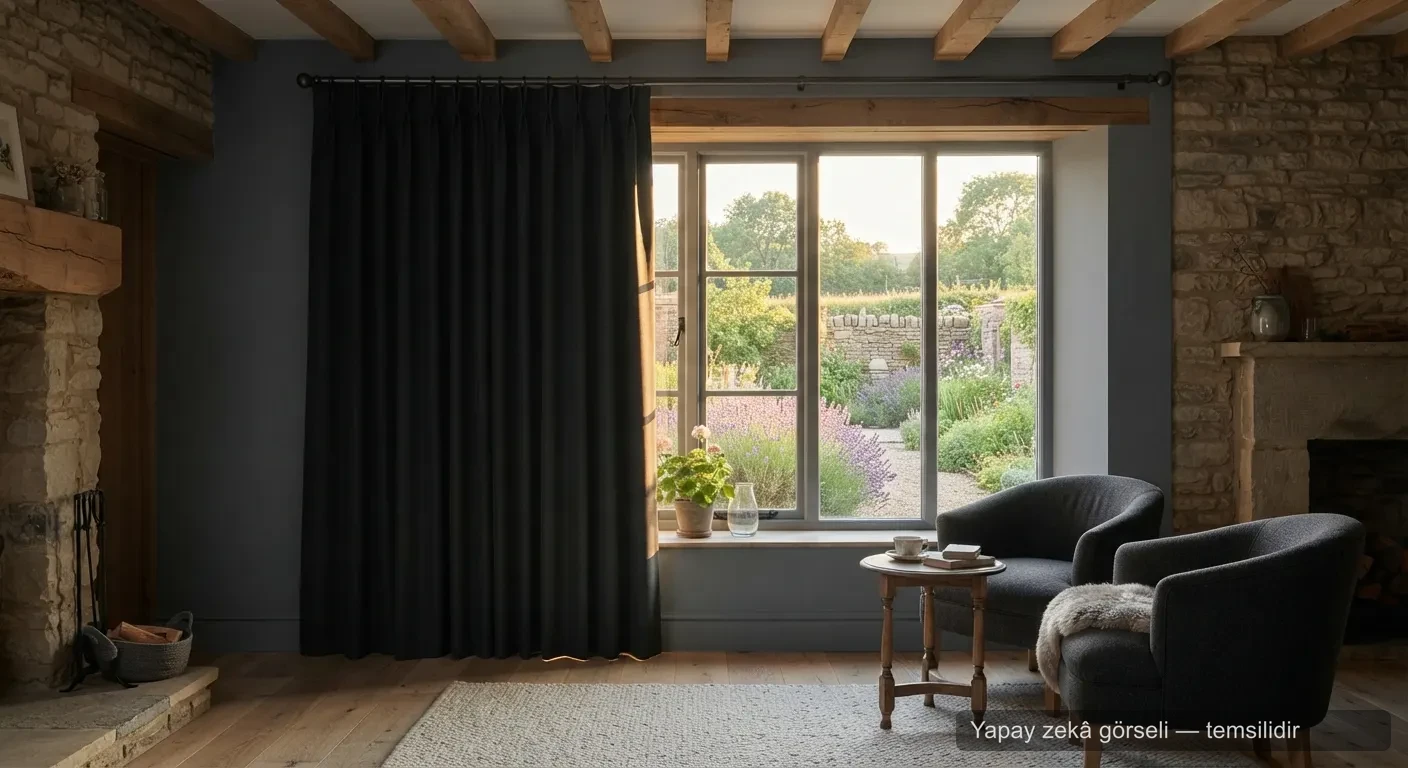
As the largest economy within the European Union, Germany represents an indispensable export destination for home textile and curtain manufacturers, distinguished by rigorous product standards and substantial trade volume. Sophisticated consumer awareness, sustainability regulations, and swelling demand for technical fabrics establish Germany as a premier strategic priority. However, entering this discerning market requires navigating stringent certification frameworks, strict environmental due diligence, and structured distribution protocols.
For international textile and drapery fabricators, Germany offers unique logistical synergies and commercial stability. Shifting architectural preferences in commercial interiors and contract hospitality have fueled remarkable demand across specialized niche product lines. In this comprehensive country briefing, we analyze commercial dynamics, emerging opportunities, and structural trade risks across the German home textiles landscape.
1) Market Overview (Scale, Growth, and Import Shares)
Germany ranks among Europe's largest importers of finished home textiles, curtains, and upholstery fabrics. Commercial trends detailed in the trade.gov Country Commercial Guide illustrate that while overall retail volumes reflect mature stability, specialized technical fabrics and contract furnishings demonstrate accelerated growth rates.
Global suppliers with rapid fulfillment capabilities capture substantial import market shares. Benefiting from preferential European customs arrangements and flexible minimum order quantities, agile mills maintain competitive advantages over far-flung competitors burdened by extended maritime transit times.
2) What Sells (Fabrics, Made-ups, Yarns, Fibers) and Prevailing Trends
German interior culture mandates that utilitarian functionality integrate seamlessly with minimalist aesthetics. Discerning commercial specifiers prioritize technical window treatments that provide thermal insulation, precise light regulation, and acoustic sound absorption. Demand for certified sound-dampening acoustic drapes across residential and commercial office spaces has reached historic highs.
For Autumn-Winter 2026 contract collections, sheer linen draperies and textured bouclé upholstery fabrics are expanding rapidly across upscale hospitality developments. German buyers prioritize eco-friendly, circular, and certified chemical-free fabrics. Durable, easily maintained textiles consistently outperform competing commodity alternatives across commercial evaluations.
3) Buyer Archetypes (Retailers, Contract Specifiers, Wholesalers)
Procurement channels across the German home textiles sector operate with exceptional structural professionalism. The primary purchasing tier comprises established national wholesalers maintaining comprehensive distribution networks, who purchase substantial fabric volumes to supply regional decor ateliers and specialist furnishers.
The second vital channel is the contract project sector (Objektbereich). Specifiers servicing hotels, healthcare facilities, and corporate headquarters demand certified flame-retardant bouclé fabrics and acoustic drape assemblies. The third channel consists of specialized interior decorating boutiques (Raumausstatter), department store groups, and DIY chains serving private consumers.
4) Market Access: Customs Tariffs, Origin Rules, Mandatory Labeling
Under bilateral European trade frameworks, manufactured industrial goods and processed textiles enter Germany tariff-free provided origin compliance is substantiated. Exporters must verify current statutory tariff rates, origin criteria, and customs formalities for curtains and draperies under HS Code 6303 via the official AB Access2Markets TR→DE perde database.
All home textile goods dispatched to Germany require rigorous German-language labeling detailing fiber composition, mandatory care symbols, and registered importer data. Exporters should verify classification specifics and technical nomenclature utilizing the AB TARIC gümrük tarifesi portal, consulting accredited customs brokers for official clearance protocols.
5) Taxation, Payment Terms, and Financial Risk Management
Import turnover tax (Einfuhrumsatzsteuer) and national VAT regulations govern cross-border commercial transactions in Germany. German corporate purchasing culture maintains rigid, extended payment terms, often exceeding 60 to 90 days. Nevertheless, German corporate buyers exhibit premier credit ratings and prompt contractual settlement reliability.
Operating in Euros insulates suppliers against exchange volatility, yet financing extended working capital requires prudent cashflow planning. Exporters should leverage trade credit insurance to mitigate counterparty defaults. Official state trade facilitation guidelines and financial export incentives can be monitored via the T.C. Ticaret Bakanlığı — İhracat web platform.
6) Strategic Market Drivers (Three Concrete Opportunities)
- Acoustic and Technical Textile Demand: Contemporary open-plan offices and urban apartments drive booming demand for certified acoustic sound-absorbing drapes, commanding premium price margins.
- 2026 Season Contract Hospitality Boom: Surging demand for textured bouclé upholstery fabrics and elegant sheer curtains across hotel renovations generates substantial contract volume.
- Logistical Proximity and Lead-Time Agility: Nearshore manufacturers deliver transit times under 72 hours, outmaneuvering Asian mills on seasonal replenishments and quick-ship custom jobs.
7) Potential Market Headwinds (Three Concrete Constraints)
- Rigorous Testing and Certification Thresholds: German contract buyers mandate stringent flammability standards (DIN 4102 B1) and eco-labels (OEKO-TEX, GOTS); non-certified mills cannot access bids.
- Strict Supply Chain Due Diligence and Sanctions: The German Supply Chain Act mandates full environmental and human rights traceability, alongside strict compliance audited via the AB Yaptırım Haritası regime.
- Conservative Buyer Loyalty and Switching Barriers: German procurement directors remain exceptionally loyal to incumbent vendors, requiring sustained sample testing and persistence to displace incumbents.
8) Initial Action Roadmap for Textile Exporters
Mills planning to penetrate the German marketplace must first obtain accredited technical certifications, prioritizing DIN 4102 fire-retardant ratings and ISO acoustic testing reports to establish verifiable technical credibility with German commercial specifiers.
Secondly, marketing executives should schedule attendance across major German trade exhibitions like Heimtextil Frankfurt to establish direct contact with active wholesale buyers. Finally, exporters should coordinate with official trade commercial attaches via the T.C. Ticaret Bakanlığı — Yurtdışı Teşkilatı international desks to validate legal contracts and local distributor partnerships.
TRTex Editorial Team
Prepared with AI assistance · TRTex AI
This content was prepared with AI assistance (EU AI Act 2024/1689, Article 50). Information with a source is given with a link to that source; if you notice incorrect or missing information, please write to us via the contact page.