Milan Design Week Lessons: Luxury Space Dressing
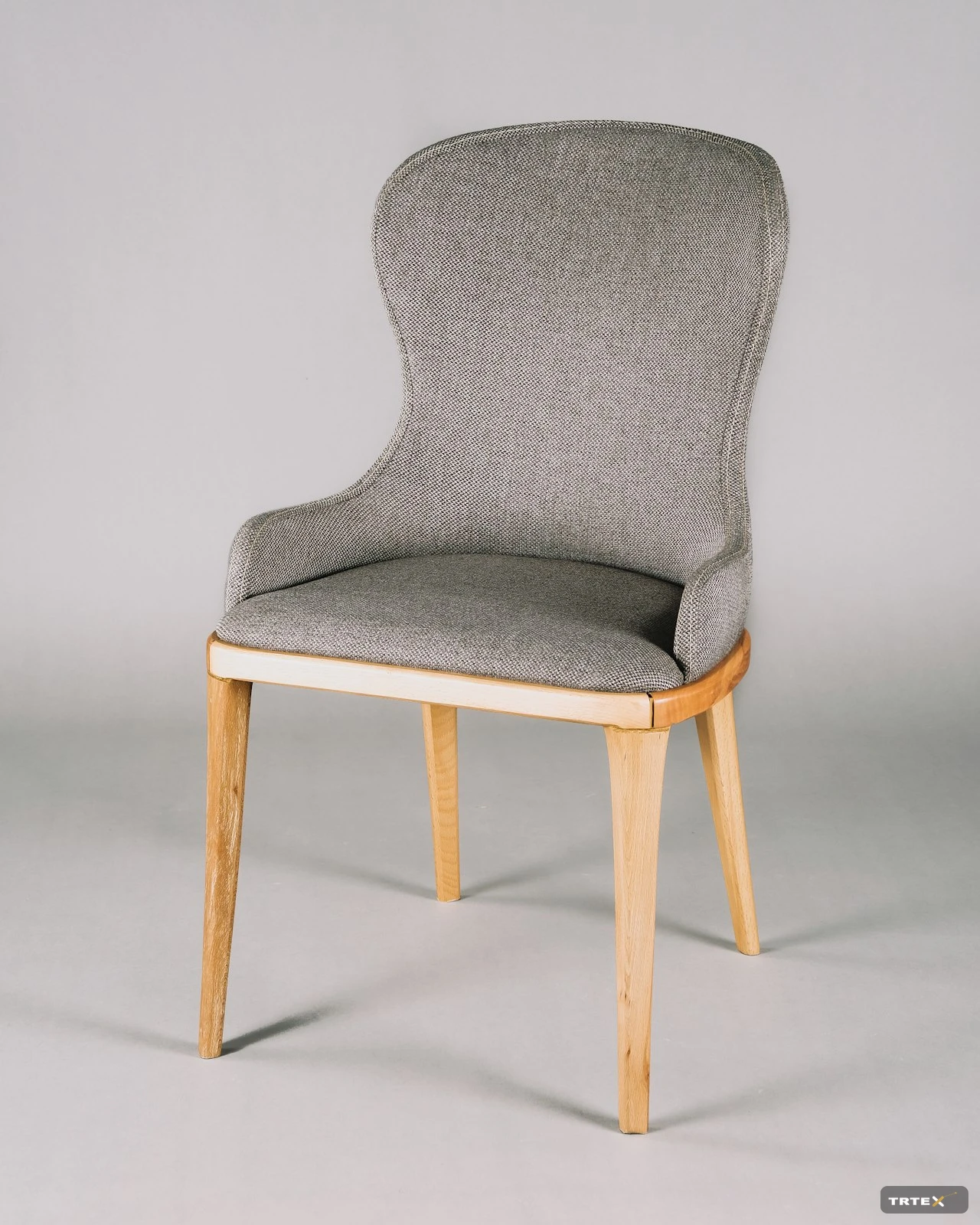
Milan Design Week and Salone del Mobile highlight essential textile lessons: tactile authenticity, architectural light control, and cohesive luxury space dressing.
Held annually in Italy, Milan Design Week and Salone del Mobile represent the preeminent global gathering dictating the pulse of furniture, spatial architecture, and high-end interior design. Evaluated through the lens of contract and residential home textiles, this world-renowned summit delivers far more than a typical commercial product showcase: it articulates transformative directives governing raw material integrity, luminescent modulation, and cohesive environmental composition.
Material Authenticity Takes Center Stage
A resounding and recurring thesis from Milan is the elevation of raw material into the undisputed protagonist of interior design. The innate tactile depth, textural nuance, and structural purity of the textile fiber decisively surpass artificial gloss, reflective lacquers, and superficial ornament. Heavy slubbed linens, untreated carded wools, dense cotton velvets, and artisanal natural blends with unadorned matte surfaces now define the core architectural personality and emotional resonance of contemporary rooms.
The Interplay Between Light and Architectural Texture
Within masterfully realized residential and hospitality spaces, textiles are increasingly deployed as sophisticated optical instruments engineered to calibrate natural daylight. The measured manner in which drapery weaves filter incoming sunbeams, the subtle interplay of light and shadow across textured upholstery, and the thoughtful layering of sheer and opaque draperies represent deliberate architectural calculations rather than mere decorative choices. Milan continuously demonstrates that regulating light through fabric is a foundational architectural discipline.
The Philosophy of Holistic Space Dressing
In high-end luxury interiors, the dominant philosophy prioritizes overarching aesthetic cohesion over disjointed ostentation. Uncompromising consistency across color palettes, organic dialogue between disparate tactile finishes, and meticulous detailing across seams and edges establish a vastly more enduring impression than isolated statement furnishings. For textile mills and converters, the critical lesson is clear: collections must be conceived as a comprehensive, harmonious design vocabulary rather than a fragmented assortment of standalone fabrics.