2026 Curtain & Upholstery Trends: The Power of Color
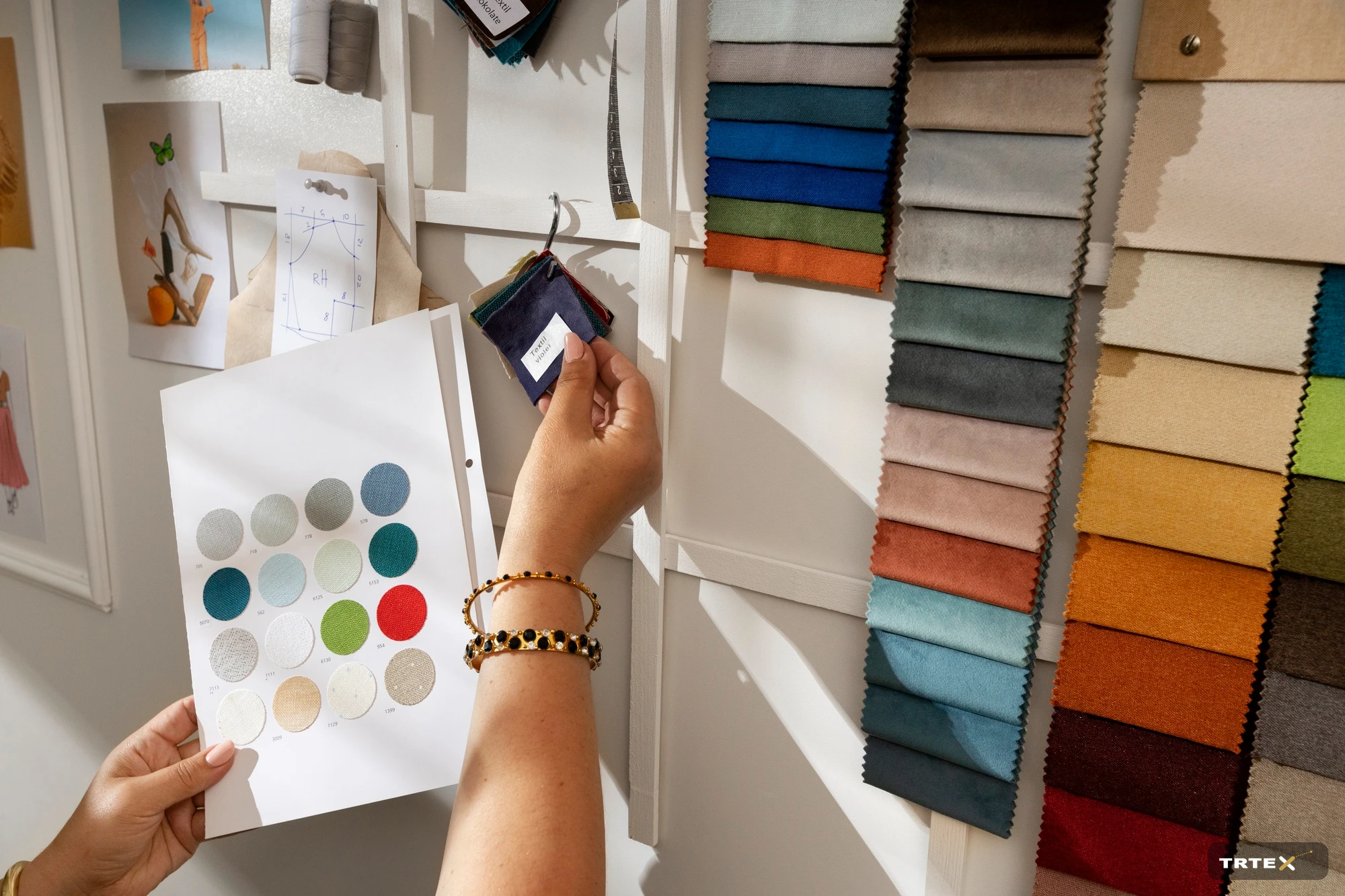
Exploring the rise of color in 2026 curtains and upholstery. Strategic color choices, market psychology, and production techniques for textile mills.
The year 2026 heralds profound structural changes across the home textile and curtain industries. Shaped by evolving consumer expectations, heightened environmental awareness, and rapid technological breakthroughs, window coverings and upholstery fabrics are evolving beyond mere functional utility into vehicles of aesthetic and emotional expression. Color palettes emerge as the single most critical factor establishing atmospheric character within modern interiors. For Turkish textile mills, wholesalers, and exporters, decoding these movements provides the essential blueprint for outperforming global competitors and capturing valuable market share.
This comprehensive analysis examines anticipated 2026 color directions, detailing why specific shades resonate and outlining their commercial ramifications across global supply chains. A mill's agility in adopting these palettes directly governs its competitive standing across international export channels. As demonstrated at leading industry showcases like Heimtextil, pairing artisanal craftsmanship with intelligent weaving technologies and decisive color strategies forms the primary engine driving sustainable commercial growth.
2026 Color Palettes: Nature-Inspired Tones and Digital Vibrancy
Dominant color palettes for 2026 fuse the serene calm of nature with the energetic pulse of contemporary digital culture. Rich earth pigments, soothing pastel greens, maritime blues, and warm sand beiges emerge as foundational selections for residential and commercial spaces seeking sanctuary and mindful calm. In addition to fostering relaxed living atmospheres, these shades reinforce themes of environmental stewardship and biophilic connectivity. At Heimtextil 2026, collections colored with certified organic pigments across natural plant fibers confirmed that these palettes represent both visual elegance and environmental responsibility.
Simultaneously, the widespread influence of digital aesthetics is fueling the targeted ascent of vibrant accent colors across specific market demographics. Especially within youthful residential lofts and creative corporate workspaces, vivid infusions of coral, turquoise, and spicy mustard yellow inject dynamic vitality. When juxtaposed against minimalist Scandinavian furniture and contemporary architectural lines, these accent colors impart a sophisticated, high-design visual impact. Blending these contrasting palettes harmoniously across sheer drapes and heavy upholstery allows producers to satisfy diverse client demographics while boosting tactile comfort.
In contrast to the stark color contrasts prevalent in past seasons, 2026 favors gentle gradations and layered tone-on-tone harmonies. This nuanced design approach enables varied shades to interact cohesively within a single interior, granting architects and end consumers unprecedented customization possibilities. Turkish textile manufacturers who integrate these rich gradients into their commercial sample books will answer nuanced demands across Europe and the Americas.
Commercial Strategies and the Market Potential of Color
Selecting an intentional color story represents far more than an artistic whim; it forms the cornerstone of a lucrative commercial strategy. Cohesive collections developed around verified trend colors significantly elevate retail merchandising appeal, boost sell-through velocities, and elevate brand reputation. Key market drivers justifying the adoption of 2026 color trends include:
- Consumer Psychology: Soothing pastels and earthen pigments help counteract everyday metropolitan stress by creating nurturing living cocoons. Conversely, spirited accent tones stimulate intellectual vitality and creative momentum, making them ideal for creative home studios and collaborative workspaces.
- Perceived Sustainability: Unbleached and botanical hues communicate direct alignment with ecological purity. For environmentally conscientious shoppers, these natural tones reinforce the perception of certified green fabrication, especially when woven with unblended organic yarns.
- Spatial Functionality: Luminous neutral tones optically expand compact living quarters, while saturated, deeper shades cultivate intimate, luxurious warmth. The versatile 2026 palettes provide tailored optical solutions for both compact apartments and expansive hospitality suites, especially when paired with motorized drapery systems.
- Global Market Alignment: Confirmed across leading design forecasts and international trend platforms, these shades carry the authority of worldwide fashion institutions. Adopting them ensures Turkish export collections align seamlessly with global buyer expectations, thereby expediting international purchase approvals.
Weaving these predictive color schemes directly into structured product development cycles grants Turkish manufacturers undeniable export superiority. When combined with practical attributes such as inherent stain resistance and durable rub fastness, trend-forward upholstery fabrics command significant wholesale price premiums.
Technical Specifications and Adaptation in Manufacturing Workflows
Translating 2026 color palettes into commercial production requires precise technical calibrations across wet processing and weaving facilities. Perfect dye reproducibility, dependable lightfastness, and reduced environmental footprint represent crucial technical hurdles for production managers. Heightened scrutiny around chemical management dictates the adoption of cleaner dyehouse chemistries and low-impact auxiliaries.
Natural botanical dyes, water-saving cold pad-batch dyeing setups, and non-toxic finishing chemistry underpin 2026 manufacturing compliance. Maintaining certified management systems like ISO 14001 satisfies international auditing benchmarks while cementing manufacturer prestige among global retail groups. Furthermore, rigorous laboratory testing for lightfastness, crocking resistance, and wash stability ensures fabrics retain their radiant visual depth under demanding commercial usage conditions.
High-precision digital textile printing and computerized jacquard looms empower mills to execute intricate color transitions with exceptional sharpness. These modern technologies furnish extensive aesthetic versatility while slashing production lead times. Rapid sample prototyping and low minimum order runs allow mills to respond instantaneously to localized consumer shifts without incurring heavy inventory costs.
Market Projections and Recommendations for Turkish Textile Mills
The 2026 decorative textile landscape demonstrates that deliberate color curation functions as an indispensable strategic weapon rather than a cosmetic afterthought. Rejuvenating earth tones and energetic digital palettes cater directly to evolving lifestyle aspirations worldwide. Turkish mills must monitor these design benchmarks closely, continually aligning collection books with verified ecological production practices.
With an established textile lineage and nimble production infrastructure, the Turkish textile sector possesses all necessary capabilities to capitalize on this global momentum. Insights from international trade exhibitions and authoritative color forecasts illuminate clear pathways for product development. Sustained investments in clean technology, smart automation, and disciplined color research will secure Turkey's role as an indispensable supplier to world markets. The color palettes of 2026 serve as a transformative roadmap guiding the future vitality of the industry.