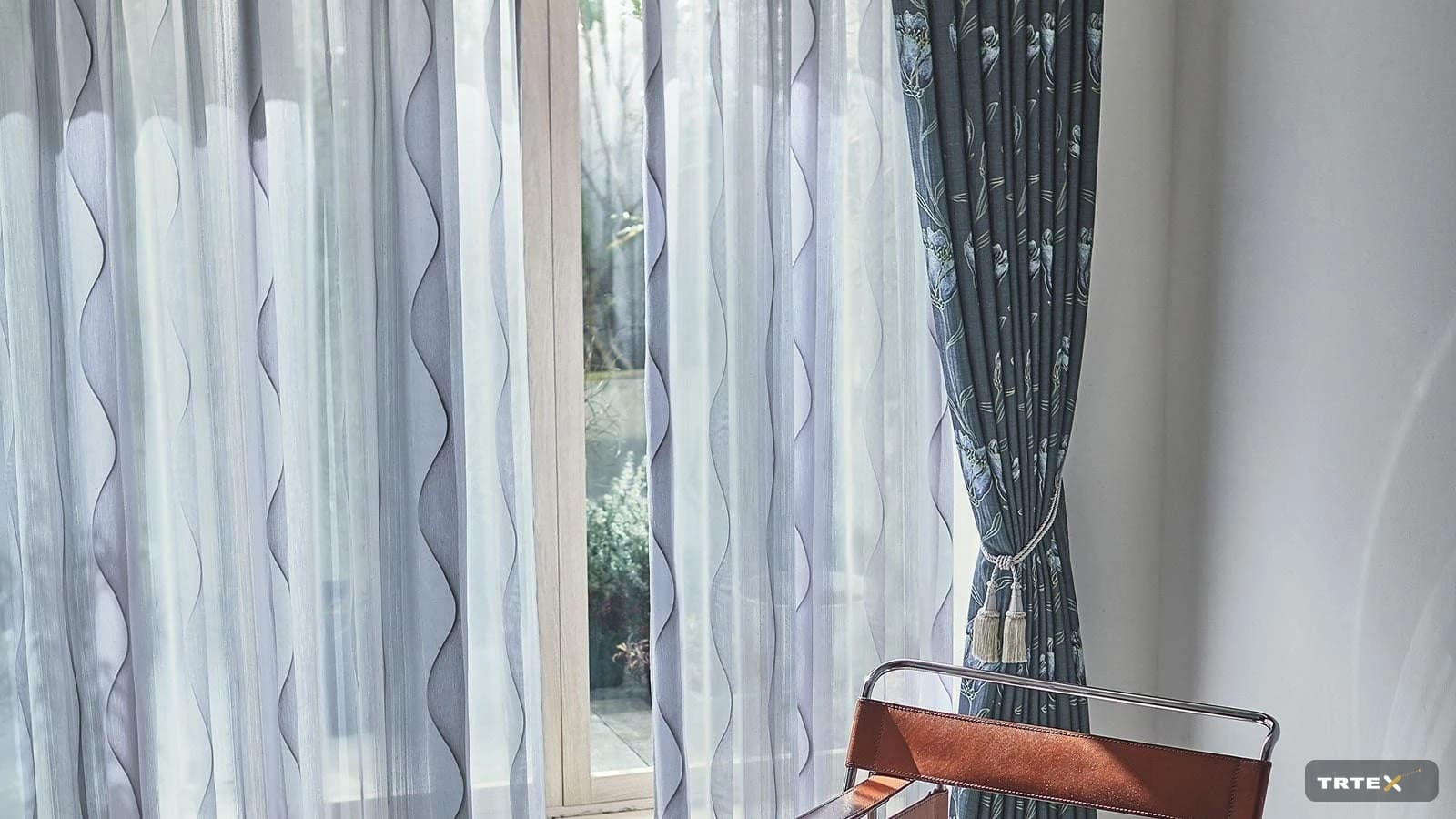
Naturalness and Quiet Elegance Trends in 2026/2027 Home Textiles
Natural fiber textures and a calming pastel palette designated for the 2026/2027 autumn-winter collections by Pantone Color Institute and the Global Design Council offer manufacturers raw material diversification and high-value product opportunities.
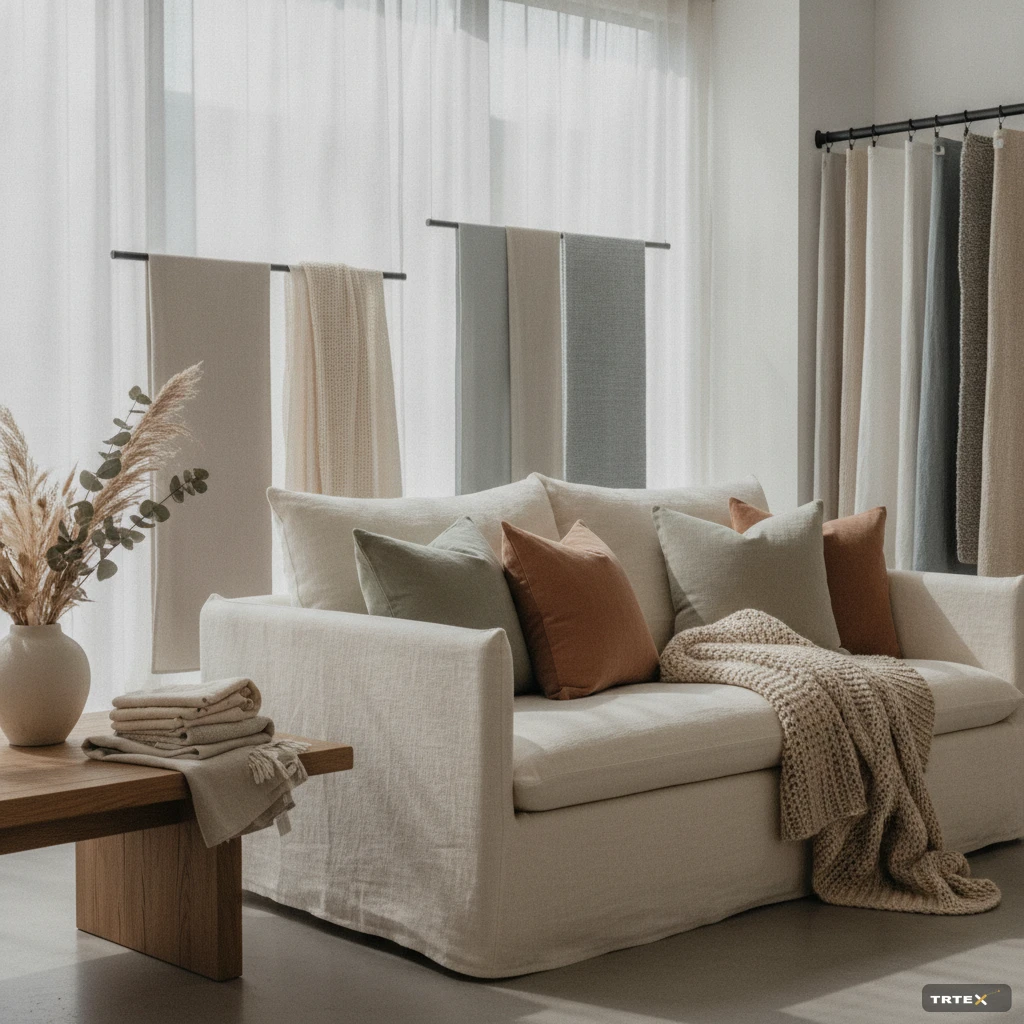
The 2026/2027 Autumn-Winter season in the home textile industry is defined by natural textures and soothing color palettes that embody a philosophy of mindful living. According to joint research reports from global trend forecasting analysts, earthy tones and home furnishings crafted from pure organic fibers—such as linen, hemp, and bamboo—are asserting dominance across curtains, upholstery fabrics, and luxury bedding. Consumers' dedicated pursuit of environmentally benign, long-lasting furnishings brings the ethos of 'quiet elegance' into residential spaces, propelling industry leaders to engineer collections tailored to this refined sensibility.
The rapid acceleration of environmental consciousness over recent years has precipitated permanent shifts in purchasing behavior, profoundly reshaping the interior furnishing landscape. A widespread retreat from petrochemical synthetic fibers has driven remarkable spikes in demand for certified organic and natural-fiber wares. Discerning buyers evaluate not merely visual aesthetics, but scrutinize life-cycle manufacturing protocols, ecological footprints, and non-toxic health benefits. This paradigm shift compels mills to audit supply chains and deploy closed-loop, sustainable finishing solutions.
For home textile manufacturers, this epoch provides a historic window to restructure collection portfolios and forge high-value strategic partnerships. Projections from the International Textile Manufacturers Federation (ITMF) indicate that natural fiber utilization across the global home furnishings market will expand by 12% over the next three years. This projection provides a clear navigational compass for yarn spinners and weaving mills alike. Correspondingly, contemporary marketing and brand narratives now place prime emphasis on botanical provenance and verified sustainability credentials.
Natural Fibers and Weaving Innovations: Material Selections Centered on Sustainability
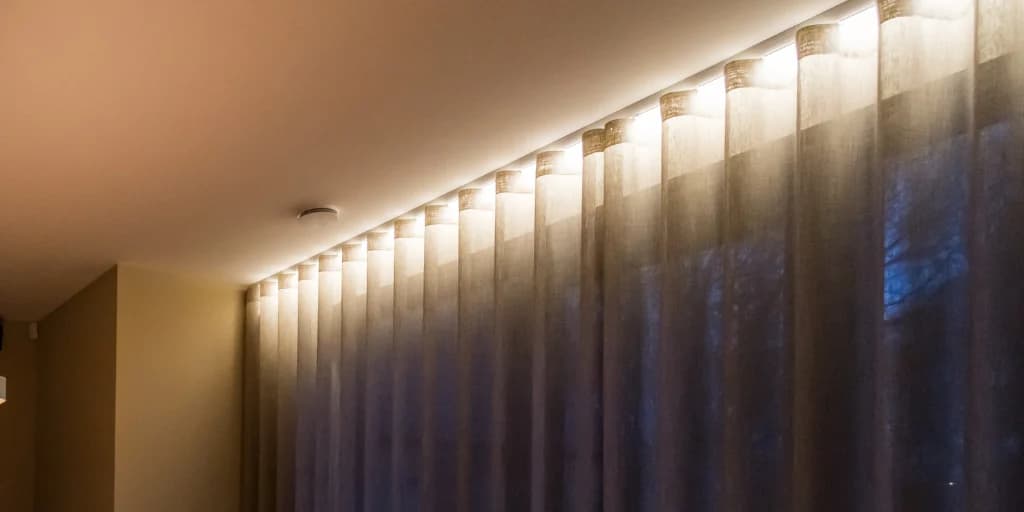
Across upcoming seasonal releases, natural fibers stand apart not solely as an aesthetic preference, but due to their exceptional functional superiority. Flax linen (Linum usitatissimum) maintains an indispensable status across luxury draperies, coverlets, and bath towels thanks to its high moisture absorption and innate antibacterial qualities. Typically specified in fabric weights spanning 180 to 280 g/m², pure linen weaves deliver the versatile drape needed for flowing sheer curtains alongside the structural durability required for demanding upholstery installations. Growing softer and gaining unique character with each wash, linen directly underpins the longevity principles of circular design.
Industrial hemp (Cannabis sativa) is rapidly establishing itself as the quintessential fiber of the future, driven by its unparalleled capacity for environmental regeneration. Requiring markedly less irrigation per hectare than conventional cotton and exhibiting superior carbon sequestration capabilities, hemp serves as a strategic cornerstone for climate-positive textile lines. To temper its inherent rustic hand-feel and yield a supple touch, spinning mills increasingly blend hemp with Belgian linen or combed organic cotton, achieving an ideal balance of tensile strength, drape, and tactile comfort.
Bamboo viscose continues to command immense market appetite, particularly throughout the bed linen and duvet ensemble category, renowned for its silky softness and gentle natural sheen. Highly breathable, hypoallergenic, and gentle on sensitive skin, bamboo viscose maximizes sleep comfort while appealing to wellness-focused households. Although manufacturing requires controlled wet processing, ongoing innovations in closed-loop solvent recovery steadily reduce ecological impacts, consolidating its position as an accessible luxury staple in contemporary bedding.
In harmonious alignment with circular economic frameworks, recycled cotton blends constitute another critical pillar of the quiet elegance movement. Salvaging post-industrial cutting scrap and post-consumer textile waste, advanced mechanical garnetting breathes new life into regenerated yarns while curbing landfill burdens. These sustainable yarns are particularly favored in tactile jacquard throws, textured cushions, and rustic upholstery fabrics. Co-spinning recycled cotton with virgin organic cotton or long flax fibers delivers exceptional durability and soft-touch appeal.
The Harmonious Dance of Color and Texture: Serene Aesthetics in Interior Spaces
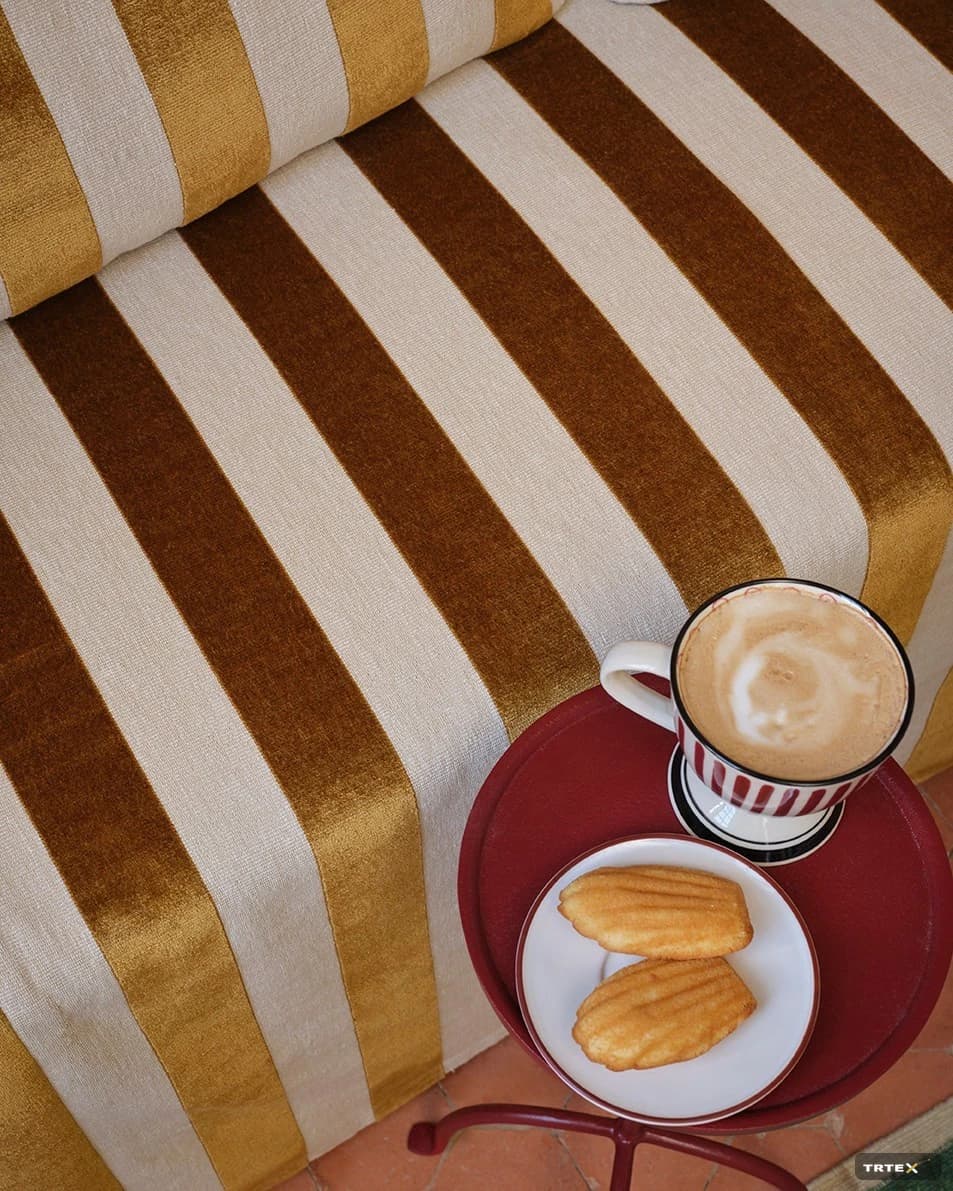
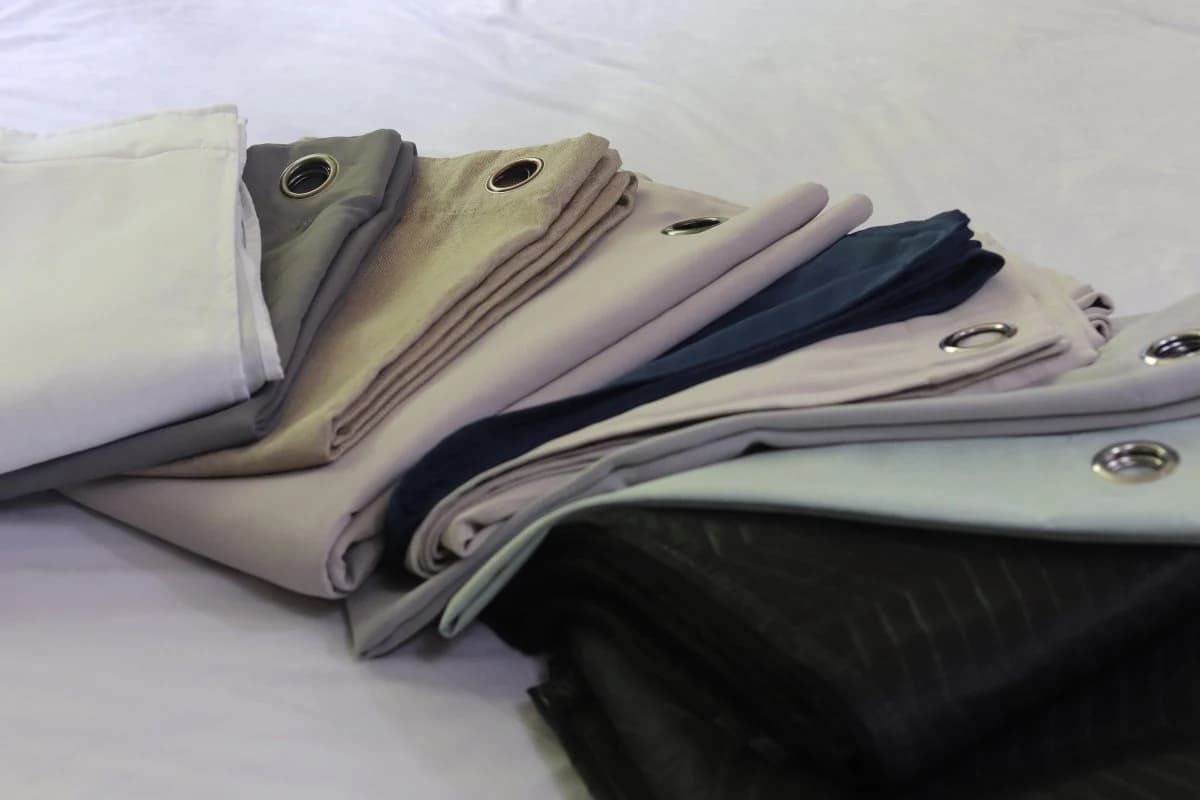
The 2026/2027 Autumn-Winter chromatic palette is characterized by soft pastels, warm earth tones, and timeless neutrals that accentuate the organic serenity of natural fibers. Foundational tones such as oatmeal beige, warm ecru, pale limestone grey, and golden sand establish peaceful, ageless interior atmospheres. These grounding bases are elevated through delicate pastel accents including chalky lavender, dried sage green, blush terracotta, and dusty powder blue, ensuring soft furnishings integrate effortlessly into eclectic living environments.
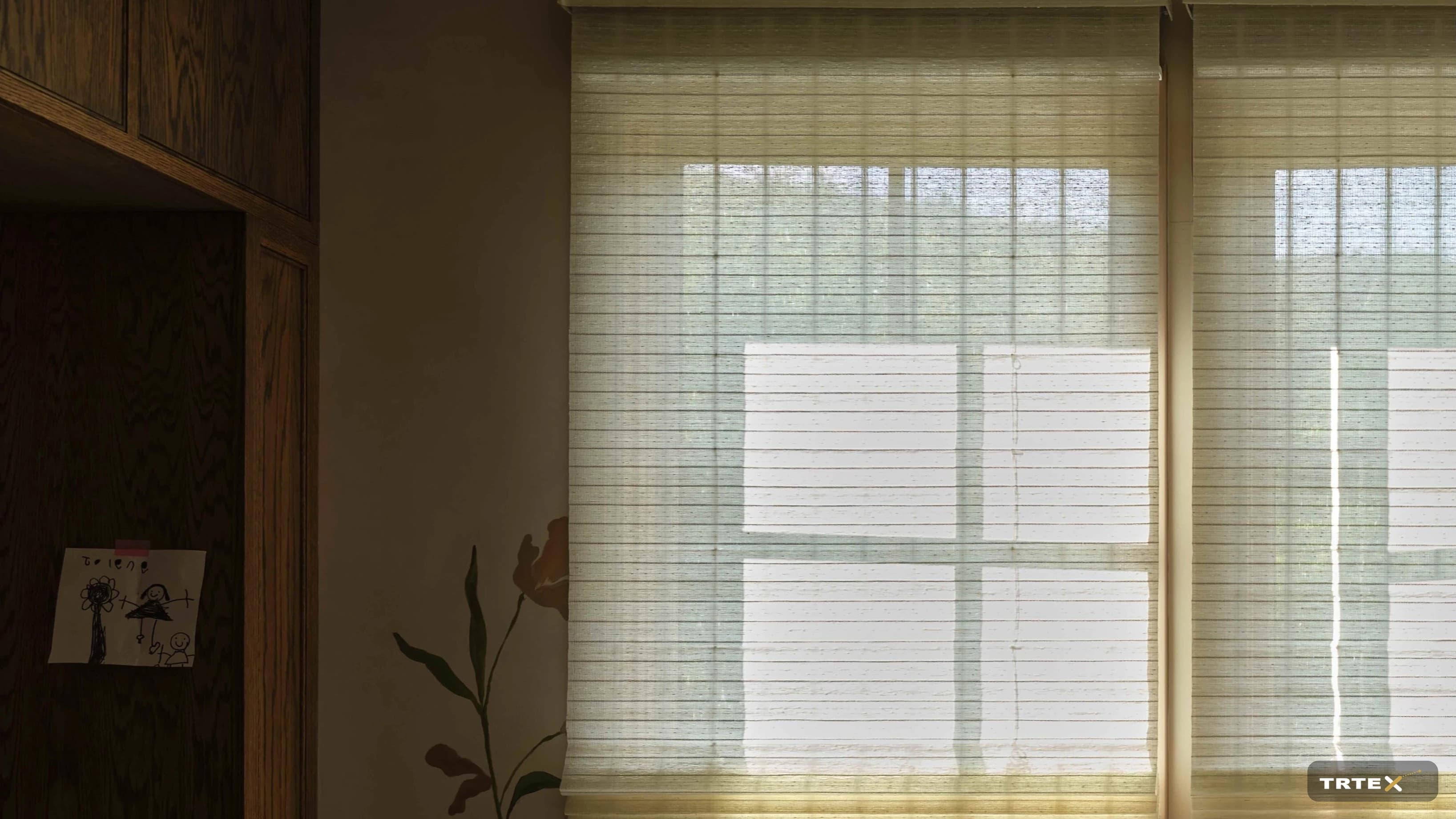
Beyond chromatic harmony, rich textural complexity represents the defining hallmark of this design movement. The natural crinkled slub of pure linen, the dry rustic grain of industrial hemp, and the fluid drape of bamboo viscose interplay to generate sophisticated tactile depth within living spaces. Chunky waffle-knit throws, gauzy open-weave curtains, and matte velvety upholsteries provide sensory richness, imbuing minimalist architecture with inviting warmth and organic character.
Innovative eco-friendly finishing treatments further unlock the technical versatility of natural fibers without compromising their organic integrity. Bio-based water repellency, fluorocarbon-free stain resistance, and botanical antimicrobial treatments broaden application envelopes into high-traffic dining and wellness areas. Consequently, natural fabrics provide practical, hygienic, and easy-care utility across both private residences and boutique hospitality projects, proving that technical performance and ecological purity can coexist seamlessly.
The forthcoming season heralds a sophisticated era where visual artistry and ethical responsibility coalesce. Through the tranquil touch of natural fibers, verifiable closed-loop production, and the meditative harmony of muted pastels, interior spaces evolve beyond functional quarters into personal sanctuaries that restore spirit and connect with the natural world. Mindful consumer patronage is actively steering the home textile sector toward an inspiring, transparent, and regenerative tomorrow.