EU Ban on Destroying Unsold Textiles Entered into Force in July 2026
The European Union's ban on destroying unsold goods entered into force in July 2026, introducing major shifts in ordering patterns, risk sharing, and environmental disclosures for Turkish textile exporters.
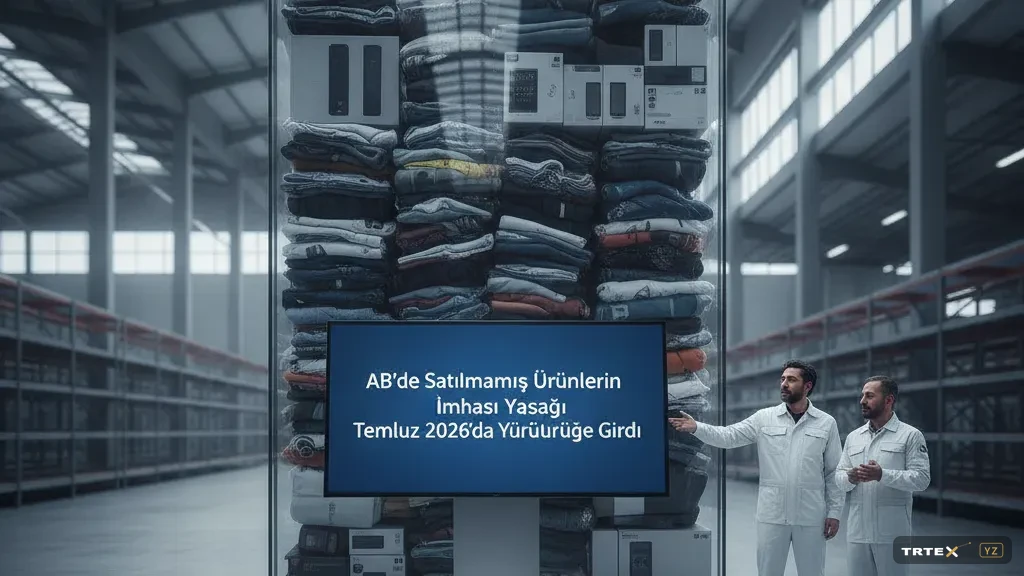
According to Innovation in Textiles, Europe's ban on the destruction of unsold goods officially took effect in July 2026. Beginning in 2027, apparel and home textile brands will be legally mandated to publish comprehensive disclosures detailing all unsold inventory in an effort to eliminate systemic overproduction.
The same report highlights that an estimated 4% to 9% of all apparel and textile products manufactured for Europe are destroyed annually without ever being used, generating approximately 5.6 million tonnes of CO2 emissions. This statutory ban represents an integral pillar of the EU's sweeping regulatory framework aimed at reversing this environmental impact.
Who Falls Within the Scope of the Regulation?
The directive applies directly to all commercial brands placing goods onto the EU internal market, thereby exerting direct contractual influence down their global manufacturing supply chains. In the home textiles arena, the immediate practical manifestation will emerge across buyer ordering behavior: facing mandatory reporting and an absolute ban on product destruction, European buyers are pivoting toward conservative forecasting, smaller initial order volumes, and automated replenishment replenishment models.
Practical Implications for Turkish Textile Exporters
First, purchasing rhythms are undergoing fundamental realignment: rather than placing single, large seasonal volume commitments, buyers will transition toward frequent, localized replenishment orders; rapid delivery capability thus transforms into a premier selling proposition. Second, buyers seeking to transfer the risk of unsold inventory onto manufacturing partners may attempt to insert stringent contractual buy-back or consignment clauses, requiring vigilant scrutiny during quotation negotiations. Third, corporate environmental reporting mandates will cascade down the supply chain, expanding the depth of compliance data required from manufacturers.
Throughout the initial year of implementation, primary attention will center on administrative audit mechanisms and the required granularity of annual inventory reporting. Guidance dossiers published by European trade associations and buying groups represent the most practical source of alignment; sharing these guidelines across sales and production planning teams as they emerge serves as the lowest-risk approach to spreading compliance expenditures over time.
With mandatory inventory disclosures taking effect in 2027, manufacturing mills and international brand partners have an approximate one-year preparation window; enterprises utilizing this period to institute real-time inventory visibility and transparent tracking will face zero friction during inaugural audits.
The implementation roadmap and reporting templates will be finalized through secondary European Commission directives. Source: Innovation in Textiles — report reflects data verified at source.