Wooden Blind Market Revitalizes: Sustainability and Aesthetic Trends
The wooden blind sector is gaining momentum driven by environmental consciousness and the return to natural aesthetics. Offering new market opportunities and competitive advantages for Turkish manufacturers, this trend boosts export potential.
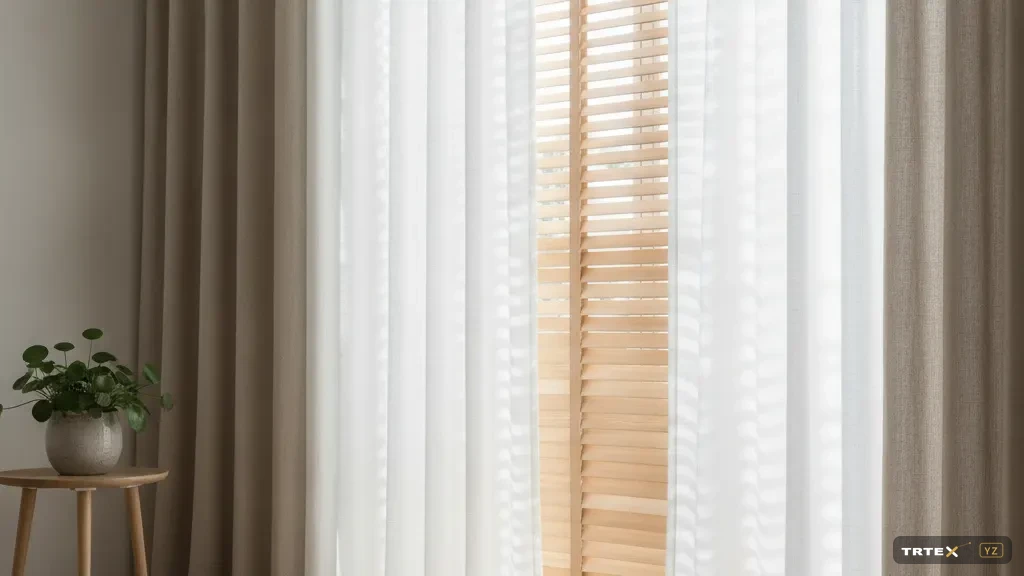
One of the most notable developments recently observed in the home textile and window covering sector has been the resurgence in demand for wooden blinds. In particular, sustainability-oriented consumer trends and growing interest in natural materials are turning wooden blinds into an indispensable part of contemporary interior spaces. As the wooden blind segment in the global market is projected to deliver an average annual growth exceeding 5% over the next five years, this momentum harbors significant commercial potential for Turkish textile manufacturers, wholesalers, and exporters.
This revitalization is driven not solely by aesthetic preferences, but equally by the inherent thermal and acoustic insulation advantages provided by natural timber. Boasting an extensive production infrastructure spanning raw materials to finished goods, the Turkish textile industry stands in a prime position to convert this rising trend into a long-term competitive advantage. Robust and increasing demand for wooden blinds across European and North American markets opens strategic avenues for export-focused enterprises.
Key Dynamics Driving the Rise of Wooden Blinds
Several pivotal dynamics underpin the escalating popularity of wooden blinds. Foremost is the consumer inclination toward eco-friendly, sustainable interior decor solutions. The utilization of FSC (Forest Stewardship Council) certified timber emerges as a primary benchmark of this environmental consciousness. Secondly, the widespread adoption of minimalist and Scandinavian interior designs has spurred demand for organic, warm textures. Natural wood instantly infuses architectural spaces with tactile warmth and authentic elegance.
Thirdly, technological innovations have drastically enhanced the operational convenience and longevity of wooden blinds. Motorized operating systems, remote control interfaces, and smart home automation integrations make timber shading significantly more compelling for modern residential living. Furthermore, diverse wood species—such as bamboo, abachi, and basswood—paired with comprehensive color and stain palettes, provide interior designers and end-users with versatile aesthetic choices.
Market intelligence demonstrates a distinct surge in wooden blind specifications, especially across high-end residential developments and boutique hospitality projects. This structural demand carve out a highly lucrative niche market for Turkish manufacturers specialized in premium, bespoke wooden blind fabrication.
Global Market Opportunities and the Strategic Role of Turkish Textile
The robust expansion of the global wooden blind market presents high-margin export prospects for Turkish manufacturers. Major destinations including European Union member states, the United Kingdom, and the United States exhibit strong demand for superior quality, competitively priced wooden shading systems. Turkey's strategic geographic proximity, agile logistics networks, and flexible manufacturing capabilities enable rapid, dependable delivery to these premium markets.
- Emphasis on Sustainability: Sourcing FSC-certified or sustainably reclaimed timber delivers a formidable competitive edge across export channels. Certified sustainable blinds are explicitly prioritized by eco-conscious consumers throughout Europe.
- Design and Bespoke Customization: Manufacturers capable of offering custom color matching, specialized surface textures, and precise dimensional sizing move beyond generic commodities into high-value contract manufacturing. Architects and interior designers constantly seek tailor-made solutions.
- Technological Integration: Developing motorized shading mechanisms fully compatible with smart home automation ecosystems unlocks entry into affluent market segments. Premium residential and commercial tenders routinely require automated shading compatibility.
- E-Commerce and B2B Digital Marketing: Reaching international architectural specifiers and commercial buyers through dedicated digital B2B portals and omnichannel platforms is essential to gaining global market share. Rich technical specifications, BIM files, and high-resolution visuals streamline procurement decisions.
Manufacturing Processes and Technical Quality Standards
In wooden blind production, technical quality represents the deciding determinant for both visual aesthetics and long-term durability. Raw timber selection, kiln-drying precision, precision profiling, and assembly tolerances directly dictate structural performance. An exemplary manufacturing workflow entails selecting high-grade, moisture-stabilized wooden slats; precision cutting and multi-stage sanding; application of specialized UV-resistant lacquers, stains, or protective coatings; and millimeter-accurate integration of mechanical headrails and cordage.
Critical engineering considerations include controlled kiln-drying protocols to eliminate slat warping, bowing, or surface cracking under varying ambient humidity. Advanced UV-filtering topcoats safeguard rich timber hues and tactile grain from solar discoloration. Additionally, rigorous durability testing of tilt gears, lift drums, and brake assemblies is fundamental to ensuring smooth operational cycles. Accredited certifications such as ISO 9001 quality management systems remain indispensable for establishing commercial trust across international trade.
Future Outlook and Strategic Forecast for the Turkish Textile Industry
The renaissance of the wooden blind market presents a vibrant new growth frontier for the Turkish home textile and window covering sector. Synthesizing sustainability, craftsmanship, and architectural utility, wooden blinds occupy a distinguished stature within the luxury decor segment. To capture this momentum and secure enduring global competitiveness, Turkish manufacturers must focus heavily on targeted R&D, design-led fabrication, and rigorous compliance with international norms.
Looking ahead, seamless integration with intelligent home ecosystems, expanding bespoke finish configurations, and transitioning to low-emission, eco-certified finishing processes will define industry benchmarks. By actively embracing these transformations, Turkish textile and blind manufacturers will not only reinforce their domestic footprint but also capture expansive market share across global export destinations. Direct digital engagement with international contract buyers via B2B trade platforms provides the decisive catalyst for establishing enduring commercial partnerships.
Background: our earlier coverage
- Critical Shift in German and French Home Textiles: Surging Demand for Acoustic Curtains
In Europe's leading markets of Germany and France, the home textile industry is gravitating towards decorative sound-absorbing curtains, ushering in a new era combining acoustic comfort with interior aesthetics.
- Acoustic Engineering in Curtain Manufacturing: Sound Insulation Solutions for Homes and Commercial Workspaces
The curtain manufacturing sector is pioneering decorative acoustic draperies designed to absorb ambient noise, enhancing acoustic comfort and privacy across bustling urban residences and open-plan corporate workspaces.