EU and North American requirement for children's room textile makers: chemical and mechanical safety is mandatory
Safety and functionality take center stage in children's room decor. Blackout draperies, cordless mechanical systems, and organic fabrics are establishing new benchmarks across global markets.
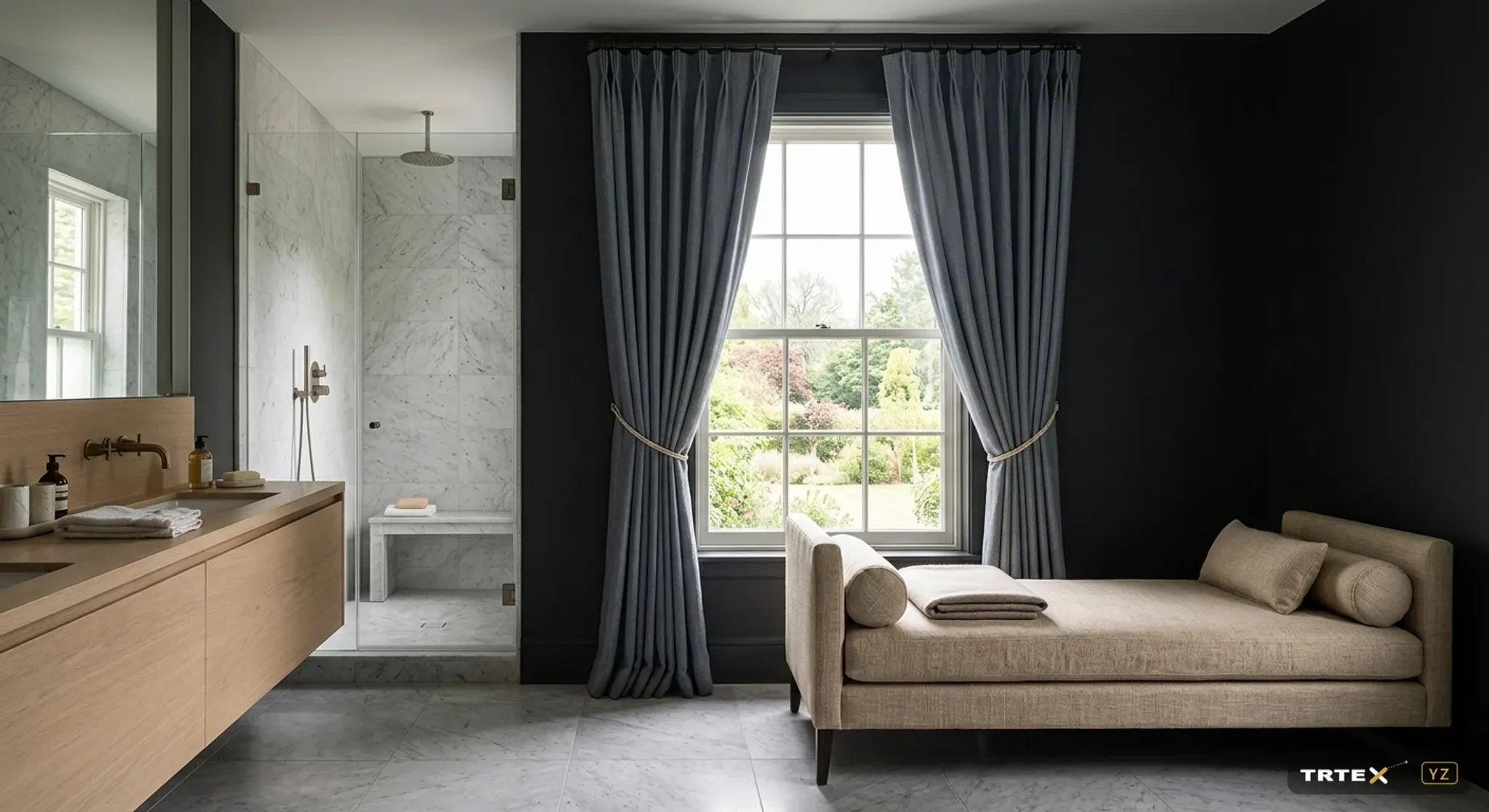
In children's room decoration, home textiles, draperies, and upholstery fabrics are shaped not merely by aesthetic considerations, but by functional parameters such as pediatric health, child safety, and restorative sleep quality. Driven by conscious consumers and retail procurement benchmarks worldwide, technical standards for children's room textiles are tightening continuously. For textile manufacturers and exporters, this segment represents a high-value strategic category governed by rigorous certification processes and dedicated R&D demands. Evolving production technologies make innovative solutions essential across roller blinds, vertical shades, cordless motorized systems, upholstery, and duvet collections designed for children's living spaces.
In this context, understanding how the textile components of a modern nursery or youth bedroom should be engineered provides the key to securing international competitive advantages. Manufacturers must focus not only on emerging design and palette trends, but equally on technical fabric performance, chemical safety thresholds, and mechanical safety regulations. Especially when exporting into high-standard markets such as the European Union and North America, meeting these compliance criteria serves as a mandatory prerequisite.
Functionality in Children's Drapery: Blackout Technology for Daytime Rest
The secretion of growth hormone, vital to early physiological development, is intimately linked to sleeping in complete darkness. Consequently, blackout curtains have evolved from an optional decorative choice into a functional necessity within children's bedroom design. Offering 100% light blockage for daytime naps, blackout textiles regulate interior light levels flawlessly to elevate sleep duration and depth. Engineered through acrylic or polyurethane multi-pass coating technologies, these technical fabrics also provide thermal and acoustic insulation, helping foster an optimal microclimate inside children's quarters.
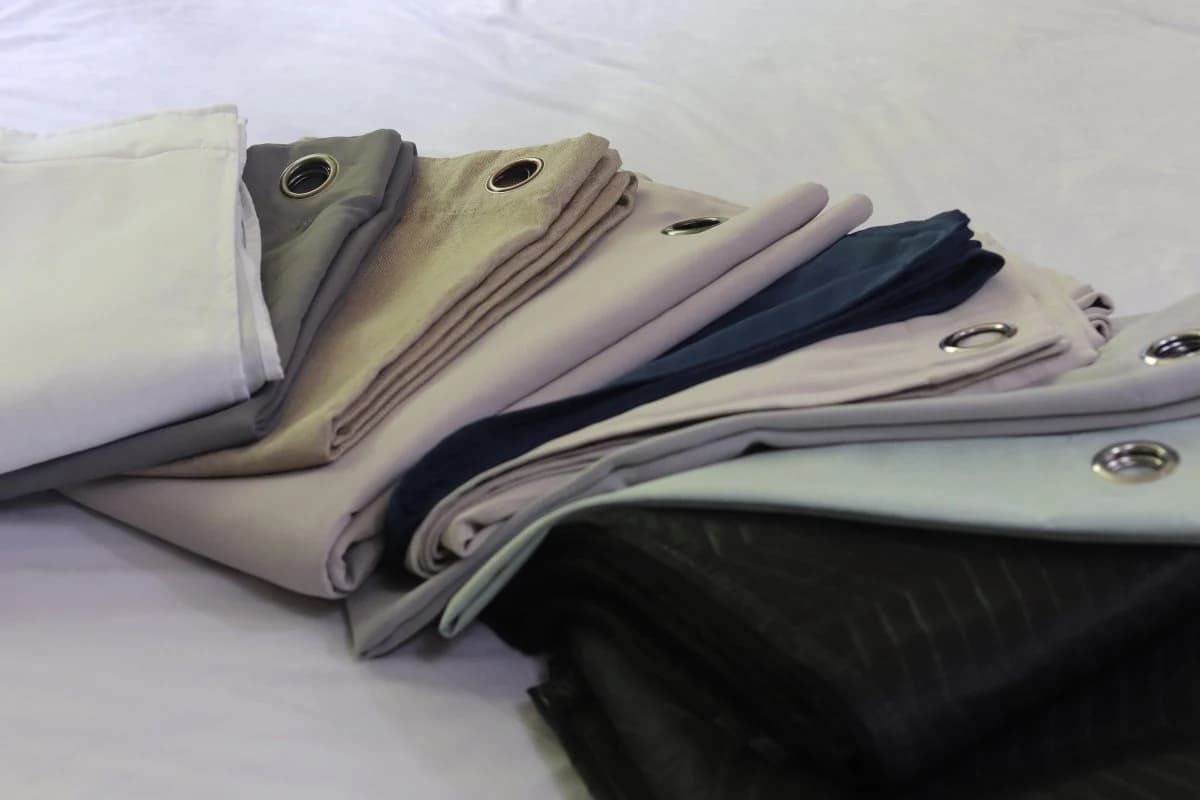
Regarding color and design selection, soothing pastel tones are increasingly combined with motifs that stimulate imagination without over-stimulation. Moving past stereotypical gender binaries, contemporary palettes feature neutral beige, warm greys, sage/mint greens, and soft butter yellows. For mechanical shade manufacturers, integrating these fabrics into roller or vertical blind assemblies delivers sleek aesthetics alongside intuitive child-safe operation. Furthermore, nocturnal deep tones such as navy blue and slate anthracite feature prominently in collections to reinforce a circadian-friendly sleeping environment.
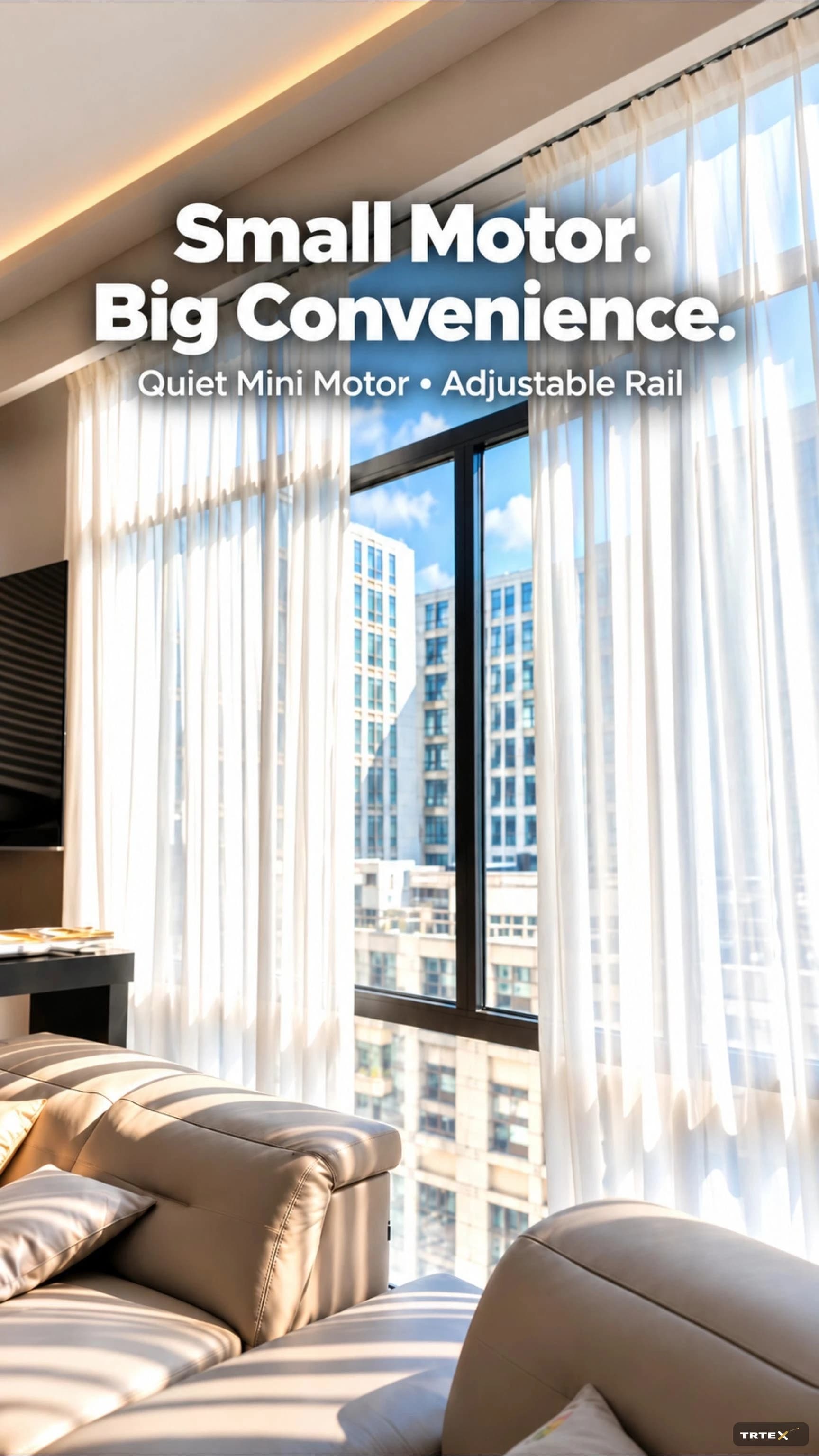
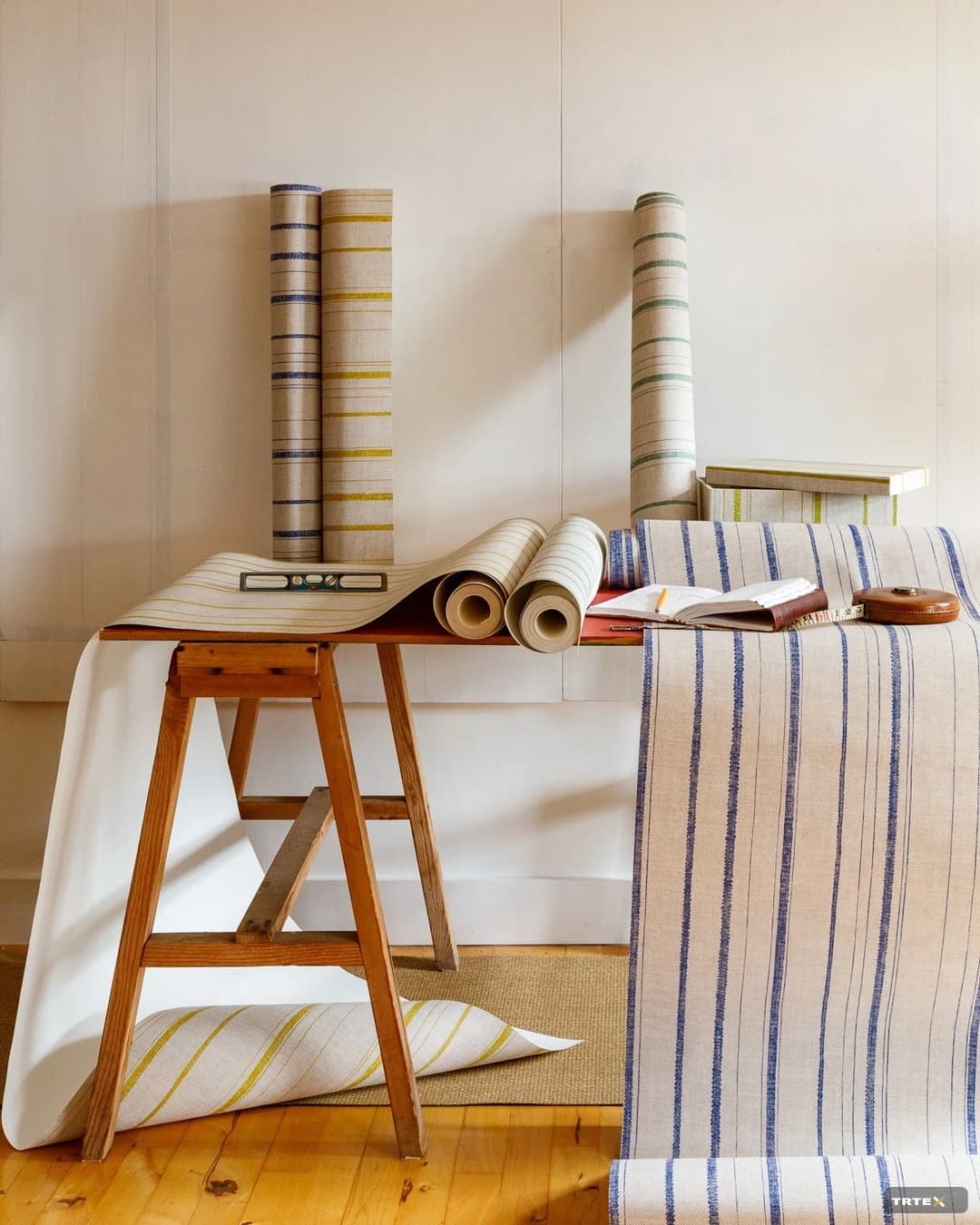
While traditional children's rooms previously relied on sheer voiles paired with standard heavy drapes, contemporary demand is steered decisively toward combinations of precision roller blinds and blackout shades. Supported by digital textile printing advancements, this shift facilitates personalized and thematic production. Manufacturers utilize certified water-based pigment inks to develop odorless, non-hazardous printed blackout fabrics offering exceptional lightfastness without compromising indoor air quality.
Safety and Health Standards: International Child Safety Regulations
Within youth textile and window covering systems, safety consistently takes precedence over aesthetics. Operating cords and chains on mechanical blinds have historically presented severe strangulation hazards to toddlers. International standards enacted to eliminate these hazards impose stringent operational rules upon fabricators. Foremost among these, the European standard EN 13120 defines explicit child safety requirements for interior blinds, requiring cordless mechanisms, enclosed gearboxes, or certified safety tensioners.
- Compliance with Standard EN 13120: Mechanical blind systems must limit exposed chain loops, utilize break-away safety devices, or transition entirely to cordless manual or motorized/battery-powered actuation.
- OEKO-TEX Standard 100 Class 1 Certification: The highest certification grade, validating that textile goods engineered for babies and children up to 36 months are completely devoid of harmful heavy metals, free formaldehyde, and allergenic colorants.
- Flame Retardant (FR) Performance: To ensure fire security in residential and communal environments (such as daycare facilities, kindergartens, and pediatric clinics), drapery and upholstery fabrics must incorporate inherently flame-retardant fibers or certified FR finishes.
- Stain Repellency and Easy-Clean Maintenance: Incorporating environmentally safe water- and oil-repellent finishes alongside easy-clean fabric technologies extends furniture lifespans while simplifying hygiene management in active play spaces.
Purity in Upholstery and Bedding: Organic Cotton and Antimicrobial Fibers
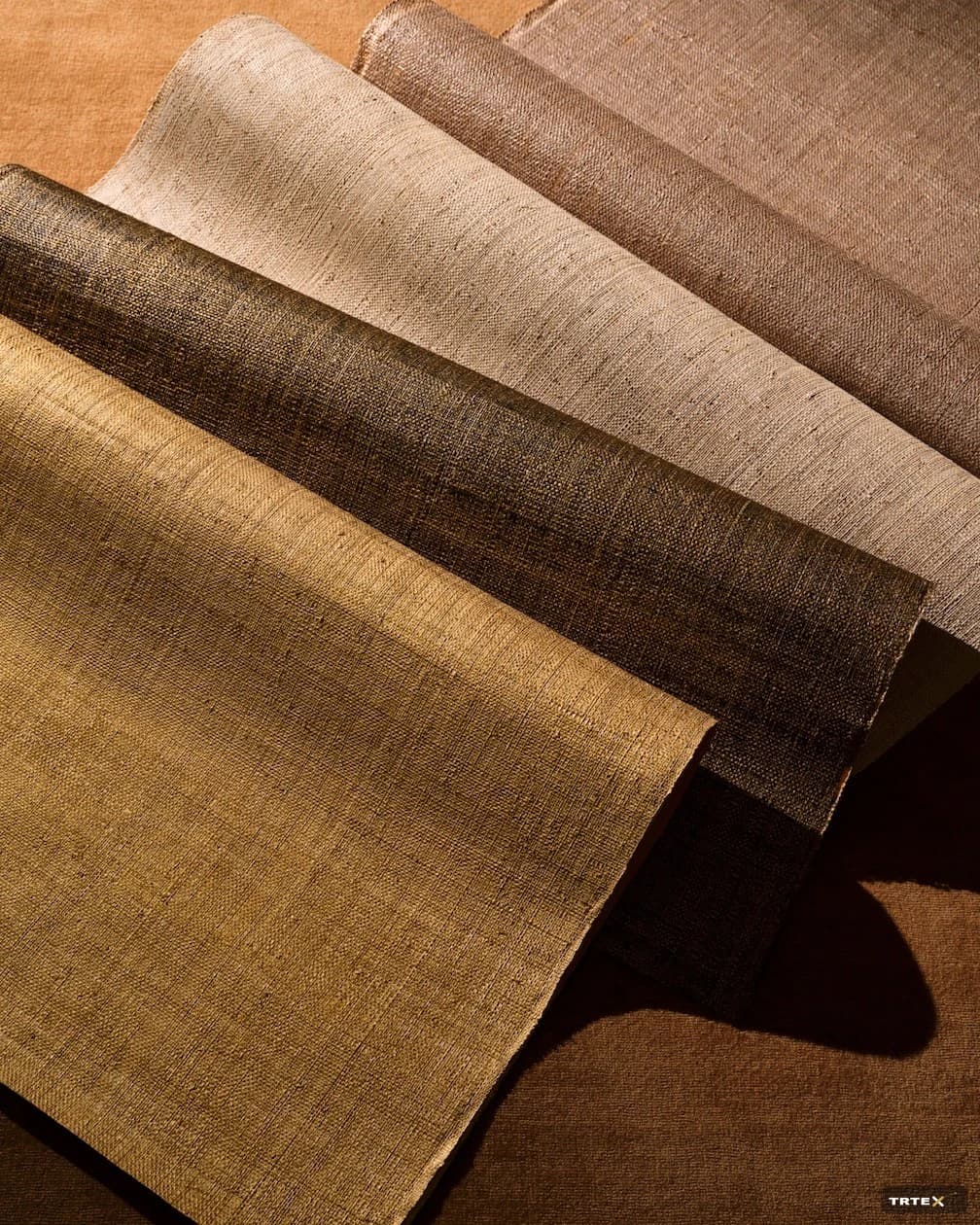
Because bed linen, crib sheets, and upholstery fabrics maintain prolonged direct contact with young skin, material selection demands utmost scrutiny. To avoid static electricity generation and excessive perspiration risks associated with conventional synthetics, bedding manufacturers prioritize natural fibers such as GOTS-certified (Global Organic Textile Standard) organic cotton, bamboo, and pure flax linen. These botanic fibers provide superior moisture regulation and natural breathability, helping stabilize juvenile body temperatures throughout deep sleep cycles.
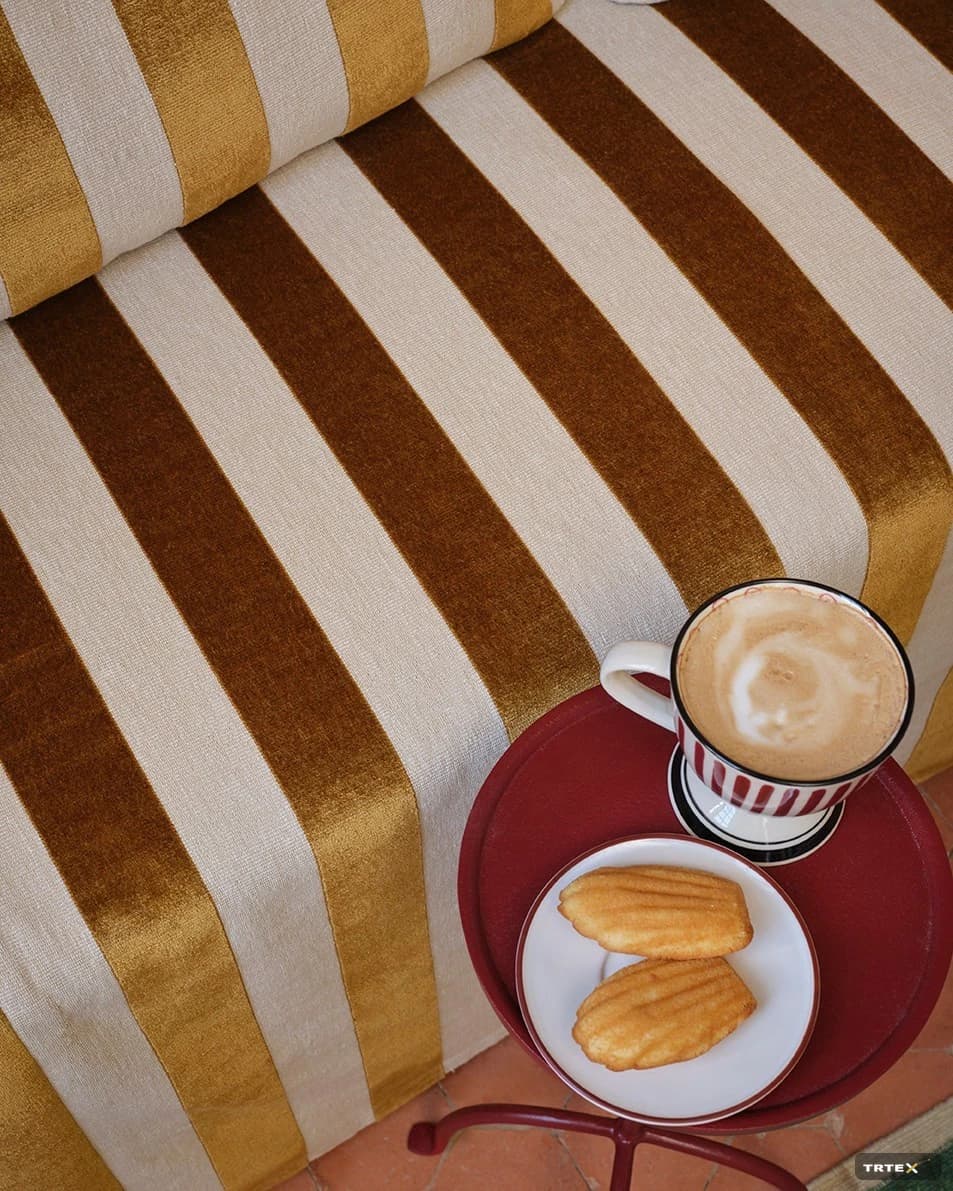
For children's armchairs, poufs, and playroom floor cushions, durability and chemical safety must be meticulously balanced. Upholstery fabrics must comfortably surpass 30,000 Martindale abrasion rubs while remaining totally free from azo dyes and volatile compounds. High rub fastness prevents dye bleeding and chemical transfer to sensitive skin. Advanced silver-ion finishing and plant-based antimicrobial agents inhibit bacterial colonization and dust mite propagation, securing allergen-safe environments for children prone to asthma.
Strategic Roadmap and Export Horizons for Quality Textile Producers
The global children's room textile category exhibits steady expansion as parents allocate larger budgets toward certified child health and wellbeing. Capturing greater global market share requires shifting away from generic commodity manufacturing toward high-spec, certified collections. Manufacturers that pair distinctive styling with strict compliance to international safety norms can secure commanding positions across European, North American, and Middle Eastern markets. Establishing dedicated R&D programs focused on child-safe hardware and sustainable raw materials remains essential.
Looking ahead, smart home-integrated motorized children's blinds, eco-efficient blackout textiles derived from recycled polyester (rPET), and non-toxic digitally printed bedding will dominate global consumer preferences. Vertically integrated textile manufacturing—spanning spinning, weaving, non-toxic finishing, and certified assembly—grants end-to-end traceability that global retail buyers value immensely. Prioritizing standard compliance, circular innovation, and design sophistication will solidify enduring leadership in the premium youth textile sector.