Retailers Adopt Measured Pricing Strategies Amid Raw Material Volatility
According to a Nuvama report, retailers are moderating price hikes amidst input cost fluctuations, re-engineering global sourcing frameworks to protect consumer demand.
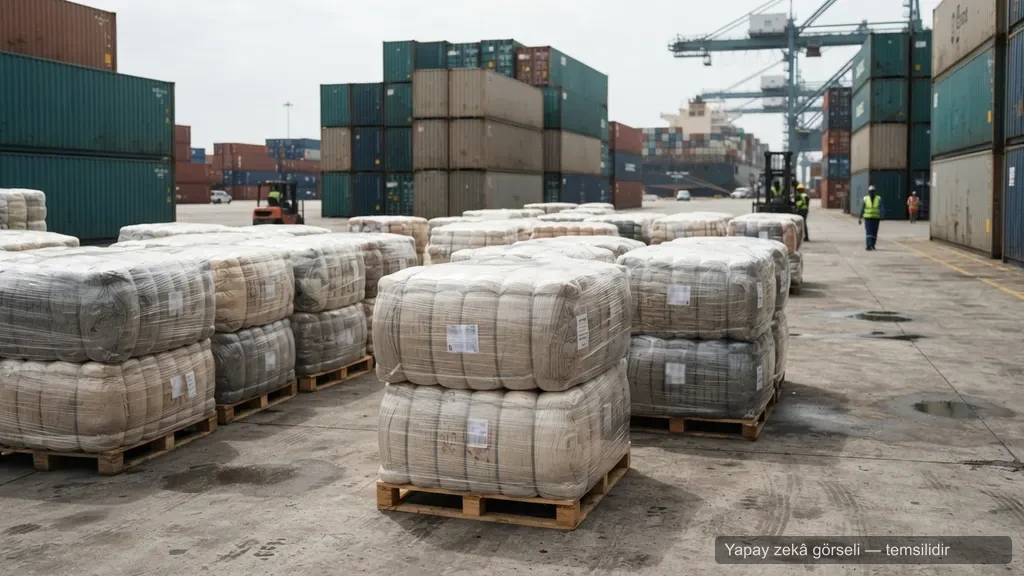
Across global textile markets, raw material pricing volatility and compounding geopolitical risks are directly altering retail pricing architecture and supply chain governance. According to an industry report published by Apparel Resources based on research from asset management firm Nuvama, retailers in India are maintaining measured, restrained price increases to navigate volatility in fabric, yarn, and raw cotton prices alongside supply chain disruptions stemming from the West Asia crisis. The Nuvama report underscores that retail brands are actively restructuring supplier portfolios and executing risk-mitigation frameworks to shield end-market demand.
Core Analysis
These global macroeconomic headwinds are severely complicating the preservation of retail operating margins. Nuvama research indicates that rather than executing steep price hikes that risk consumer pushback, retail executives are focusing on internal cost optimization and supplier diversification. Passing volatile cotton and yarn price spikes directly to retail price tags risks triggering sharp consumer demand contractions. Consequently, retail chains are prioritizing graduated, measured price adjustments to protect baseline footfall and retain market share.
For Turkish manufacturers of home furnishings, drapery, and upholstery fabrics, this global operating environment presents concurrent opportunities and structural challenges. Industry data reveals that raw cotton futures traded near 82.45 cents/lb during Q2 2026, while drought warnings in India stoked supply deficit concerns. This inflationary pressure on pure cotton lines forces spinning mills toward synthetic blends to preserve gross margins. Conversely, petroleum stabilization and Chinese capacity surpluses drove polyester filament (POY and DTY) prices in June 2026 to their lowest marks in three years, conferring a raw material cost advantage of up to 15% on Turkish weavers. This cost dynamic strongly reinforces Turkish competitiveness in polyester-rich drapery and decorative upholstery textiles.
- Measured Pricing Governance: Retailers systematically refrain from passing volatile upstream cost spikes directly to consumer price tags to defend retail transaction volumes.
- Sourcing Diversification and Geopolitical Risks: Complexities created by the West Asia crisis impair maritime transit, highlighting the strategic necessity of dependable, nearshore supply partners.
- Raw Material Rebalancing and Blended Yarns: Constrained cotton supply and price pressure at 82.45 cents/lb compel manufacturers to evaluate engineered fiber blends to control unit costs.
- The Polyester Competitive Advantage: Polyester filament prices dropping to three-year lows in June 2026 deliver Turkish exporters strong pricing leverage across synthetic drapery and upholstery categories.
Conclusion and Strategic Recommendations
In an era where international retail conglomerates prioritize measured pricing policies, Turkish home textile and upholstery fabric exporters must deliver agile, cost-engineered collections. Weavers who synthesize the 15% polyester cost advantage with refined design aesthetics can establish compelling alternatives for global buyers seeking insulation from raw cotton price volatility. Exporters who emphasize nearshore geographical reliability and integrate performance-blended yarns into their collections will capture sustainable market share among cost-conscious international retail specifiers.
This content was compiled with AI assistance from the cited source — Apparel Resources (Asya). (EU 2024/1689 Art. 50)
Background: our earlier coverage
- Polyester yarn costs rise in Surat, India: margins shrink for weaving mills
In Surat, India's major textile hub, surging polyester yarn prices forced weaving mills to voluntarily curtail loom operations, sending shockwaves across global supply chains.
- Profit Margin Squeeze for Yarn Spinners: Fiber Costs Challenge the Weaving Industry
Confronting margin compression driven by cotton commodity spikes and hyper-competitive market dynamics, yarn manufacturers are pivoting toward fiber blends to safeguard profitability.