Rise of Italy and Spain in Turkish Upholstery Fabric Exports
Turkish upholstery fabric exports to Italy and Spain are gaining remarkable momentum. Superior quality, design innovation, and competitive logistics advantages drive export growth.
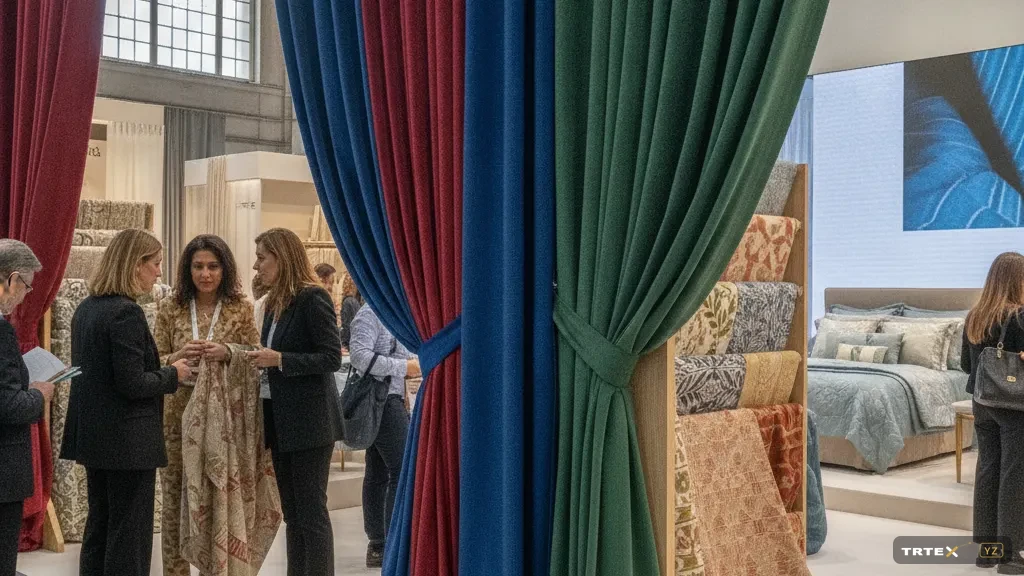
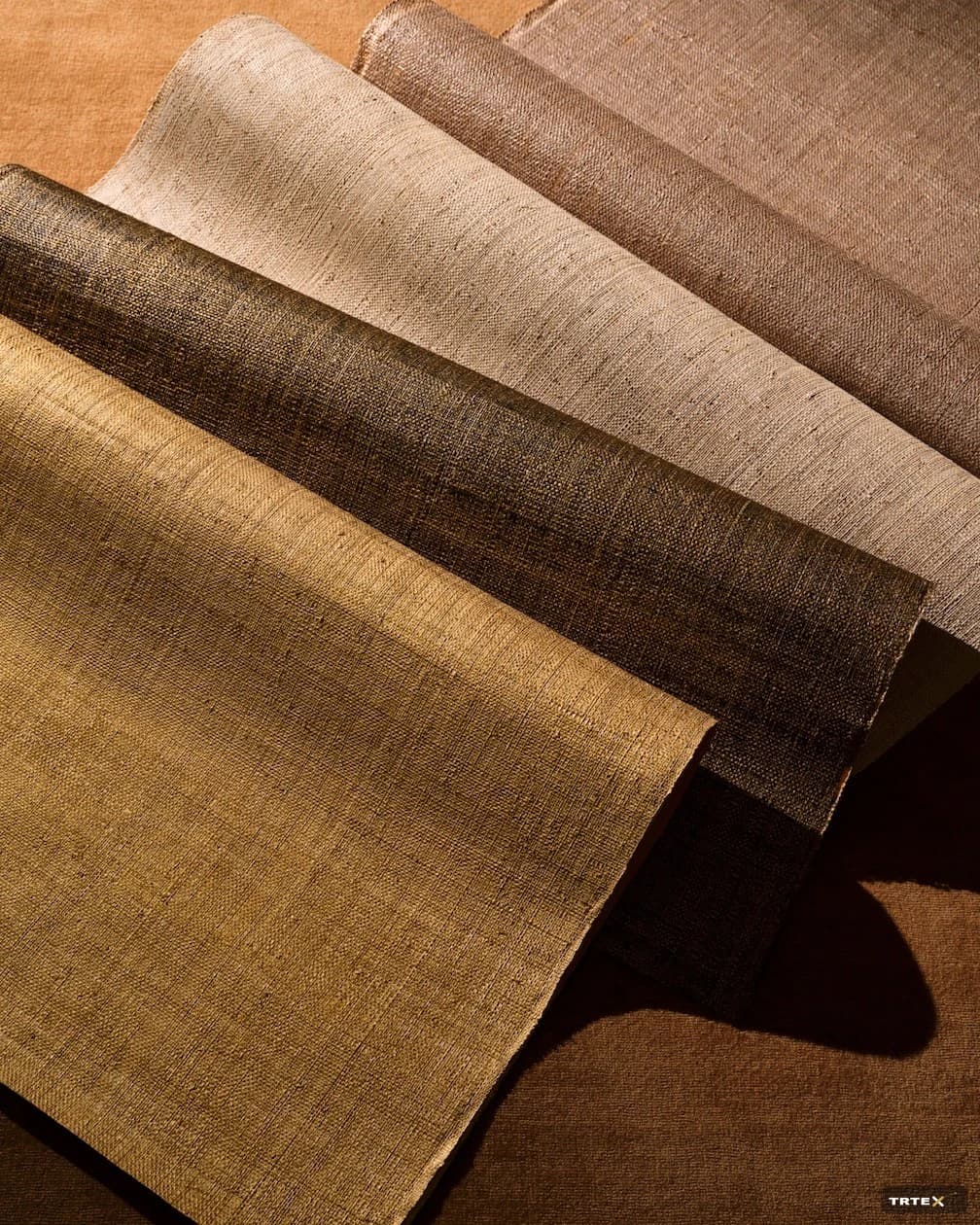
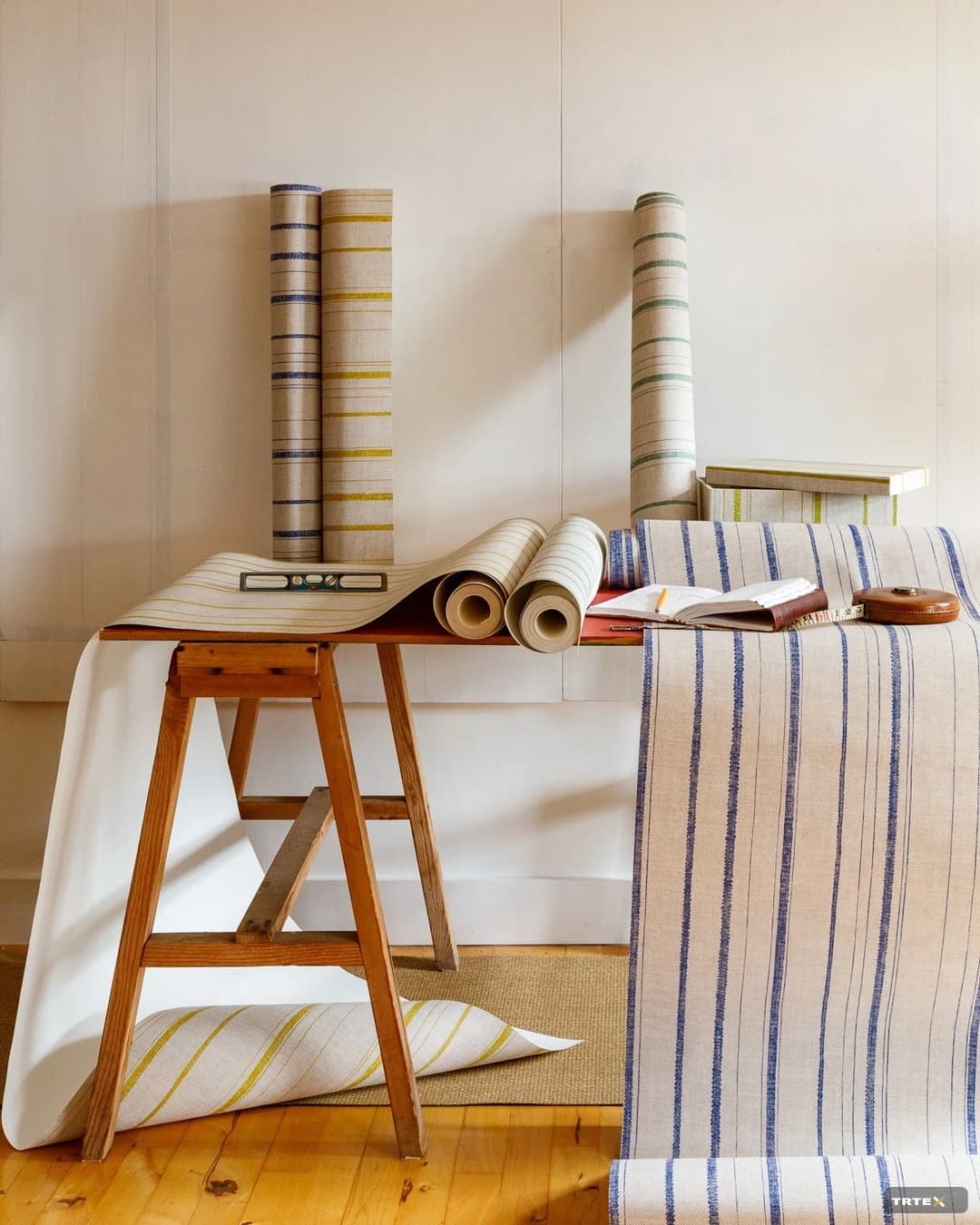
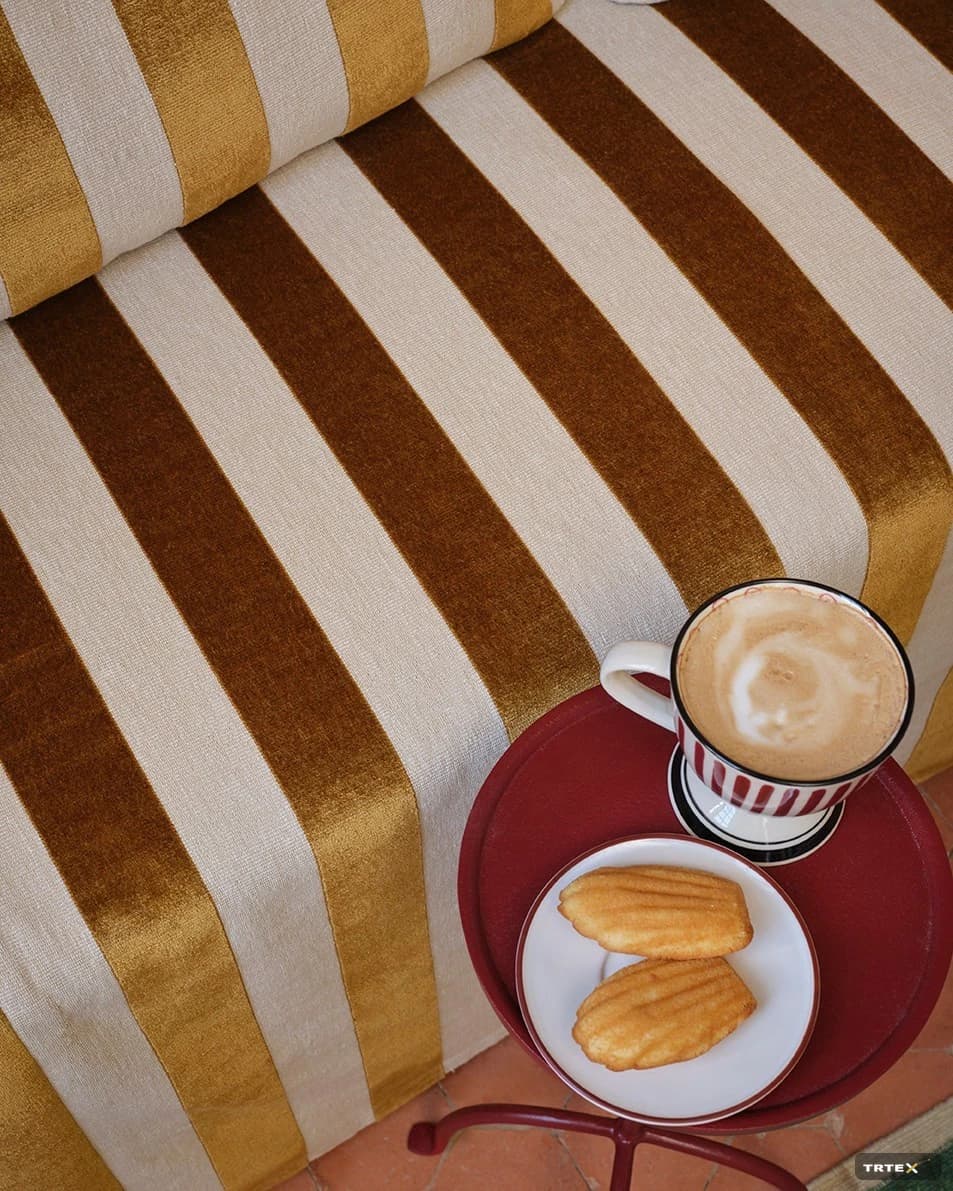
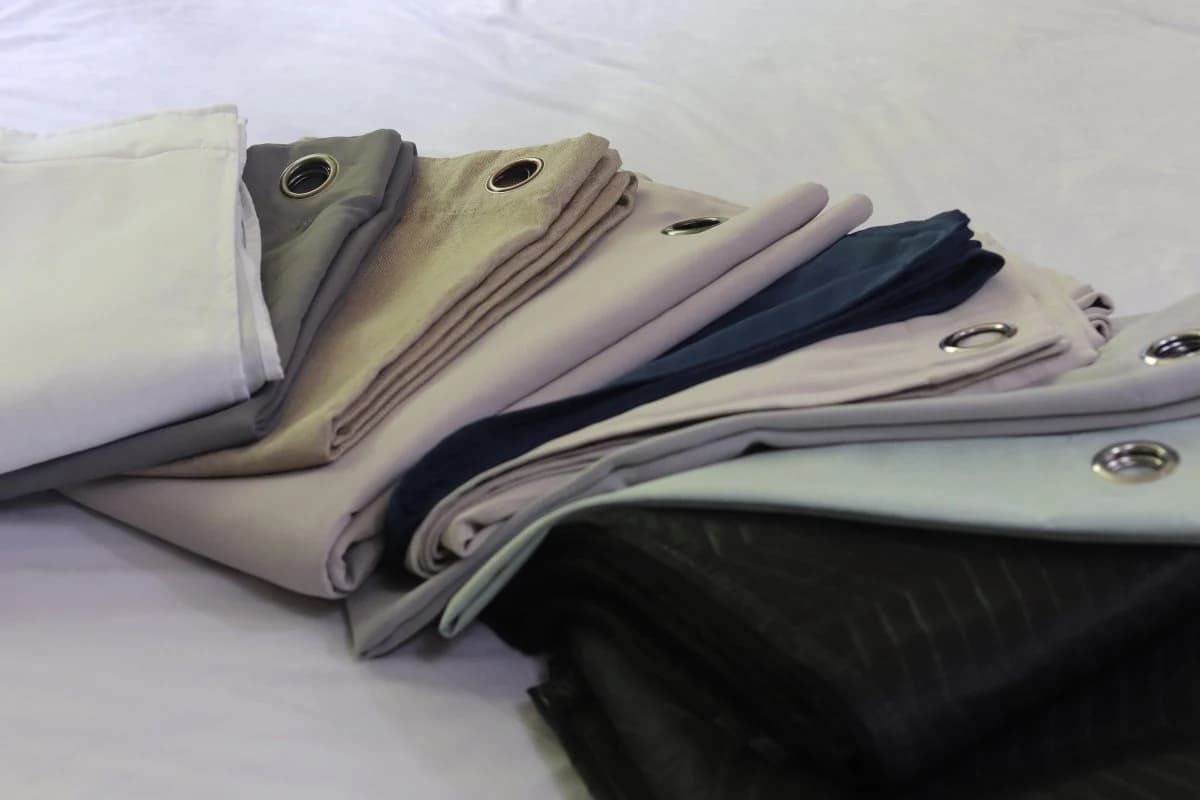
Upholstery fabric exports, a locomotive sector of the Turkish home textile industry, have recently gained remarkable momentum across European markets. In traditional textile manufacturing hubs and major consumer markets like Italy and Spain, the market share of Turkish fabrics is surging noticeably. This rise is fueled by Turkish manufacturers successfully combining fabric quality, trendsetting design, and competitive price points. In addition, post-pandemic realignments in global supply chains and elevated maritime freight expenses highlight Turkey's distinct logistical and geographical advantages.
While opening expansive commercial horizons for Turkish textile mills, wholesalers, and exporters, this breakthrough underscores the overarching operational resilience and agility of the sector. Consolidating positions within traditional Mediterranean markets plays an instrumental role in meeting national export milestones. In particular, global polyester filament yarn prices dropping to their lowest points in three years provides Turkish mills with a vital cost advantage, further sharpening export competitiveness.
The Mediterranean Surge of Turkish Upholstery: Key Data and Strategies
Italy and Spain rank among Europe's largest producers and consumers of high-end upholstered furniture and fabrics. Penetrating these demanding territories and expanding market share proves that Turkish industry competes not merely on low pricing, but through impeccable quality, design innovation, and agile fulfillment. Turkish mills differentiate themselves by launching region-specific collections, catering to local aesthetic trends, and deploying flexible manufacturing models that satisfy bespoke orders swiftly. Breathable, stain-resistant, and high-durability fabrics engineered specifically for Mediterranean lifestyles enjoy intense commercial demand.
In markets previously dominated by Far Eastern commodity suppliers, Turkish fabrics gain decisive preference due to geographical proximity, overnight trucking options, and zero-tariff privileges guaranteed by the EU-Turkey Customs Union. Furthermore, substantial green investments across Turkish finishing and weaving plants align seamlessly with the surging eco-awareness among European furniture manufacturers and retail buyers.
Although Italy and Spain boast celebrated domestic textile heritages, Turkish mills have secured an indisputable foothold, particularly across mid-to-high-end upholstery segments. This achievement demonstrates that Turkey is rapidly transforming from a mere production workshop into an acknowledged center of design mastery and brand prestige.
Market Opportunities and Forward-Looking Trends
The remarkable ascent of Turkish upholstery fabrics in Italy and Spain establishes a blueprint for expansion across wider European markets. Purchasing dynamics in these regions increasingly gravitate toward innovative, multifunctional, and aesthetically layered textiles. Alongside natural fibers such as linen, combed cotton, and wool, sustainable circular synthetics—especially GRS-certified recycled polyester—attract immense commercial interest. These micro-trends generate fertile avenues for bespoke product engineering and brand elevation.
- Sustainability-Driven Manufacturing: Across Europe, eco-responsibility has shifted from an optional marketing claim to a non-negotiable prerequisite. Mills investing in environmental certifications and closed-loop water/energy saving protocols gain an enduring competitive advantage.
- Digital Marketing and B2B Commerce: Reaching international purchasing agents through curated B2B digital platforms and interactive virtual showrooms represents an indispensable mechanism for capturing market share.
- Design Excellence and Brand Equity: Developing original, trend-setting design studios and fostering recognized brand identity allows mills to secure high profit margins. Italian and Spanish furniture houses attach paramount importance to distinct design language.
- Agile Production and Rapid Fulfillment: The ability to accommodate small-to-midsize custom dye lots and execute rapid deliveries within days provides a decisive edge over Asian contenders, leveraging Turkey's terrestrial freight corridors.
Technical Specifications and Certification Frameworks
Exporting contract upholstery textiles to the European Union requires rigorous adherence to European safety and technical norms. Key performance tests include flame retardancy standards (e.g., EN 1021-1, EN 1021-2), Martindale abrasion resistance, lightfastness, rub fastness, and tensile tear resistance. Recognized ecological certifications such as OEKO-TEX Standard 100, GOTS (Global Organic Textile Standard), and GRS (Global Recycled Standard) officially validate chemical safety and social compliance, instilling supreme buyer confidence.
Manufacturers must rigorously test product lines in accredited laboratories and furnish complete technical dossiers to prospective buyers. These test certificates represent mandatory prerequisites for contract furniture producers and European retail conglomerates. Additionally, strict adherence to the EU REACH chemicals regulation is vital. Mastering these technical workflows ensures long-term commercial dominance for Turkish exporters.
Future Outlook and Strategic Projections for Turkish Textiles
The expanding footprint of Turkish upholstery fabrics in Italy and Spain delivers a compelling strategic indicator for long-term international expansion. This momentum solidifies the industry's capacity to command global recognition and penetrate emergent commercial regions. By maintaining strategic investments in R&D, digital printing, and green finishing, Turkish mills will sustain this upward trajectory. Capitalizing effectively on raw material cost advantages will further bolster profitability.
Moving forward, the Turkish textile sector's strategy to complement traditional European relationships with aggressive market development across the Middle East, Africa, and the Americas will secure volume growth and hedge against regional recessions. The resounding success in Italy and Spain marks a transformative milestone on Turkey's journey to global textile leadership.