Sustainable Manufacturing Drive by Harput Tekstil with Recycled Yarn
Harput Tekstil inaugurated its recycled yarn plant in the Bursa Organized Industrial Zone, completed with a 15 million Euro investment and an annual output capacity of 12,000 tons.
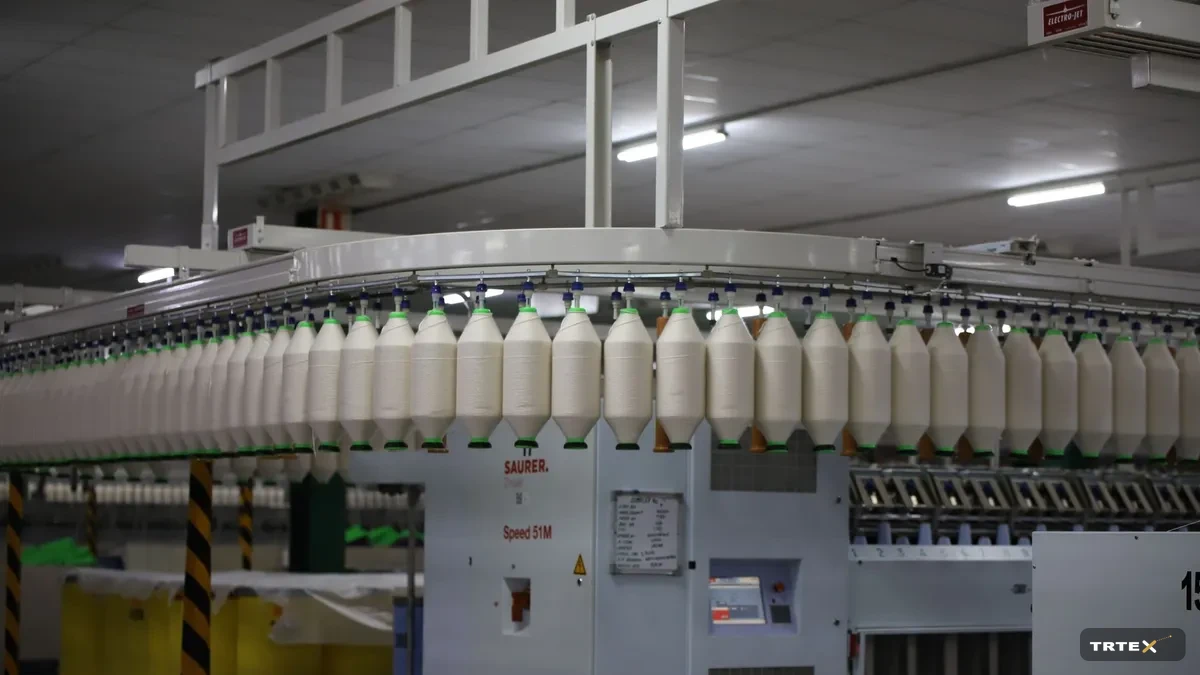
Marking a decisive sustainability investment in the home textile sector, Harput Tekstil commissioned its state-of-the-art recycled polyester and cotton yarn manufacturing facility in the Bursa Organized Industrial Zone (BOSB). This strategic initiative embodies the vision of converting textile post-industrial waste into premium fibers, providing Turkish home textile mills with eco-friendly, cost-effective feedstock. While accelerating the adoption of circular economy models across regional industry, the facility reinforces Turkey's role in advancing international sustainability benchmarks. Beyond mitigating dependence on imported raw materials, the new capacity delivers tangible economic momentum to the local supply chain.
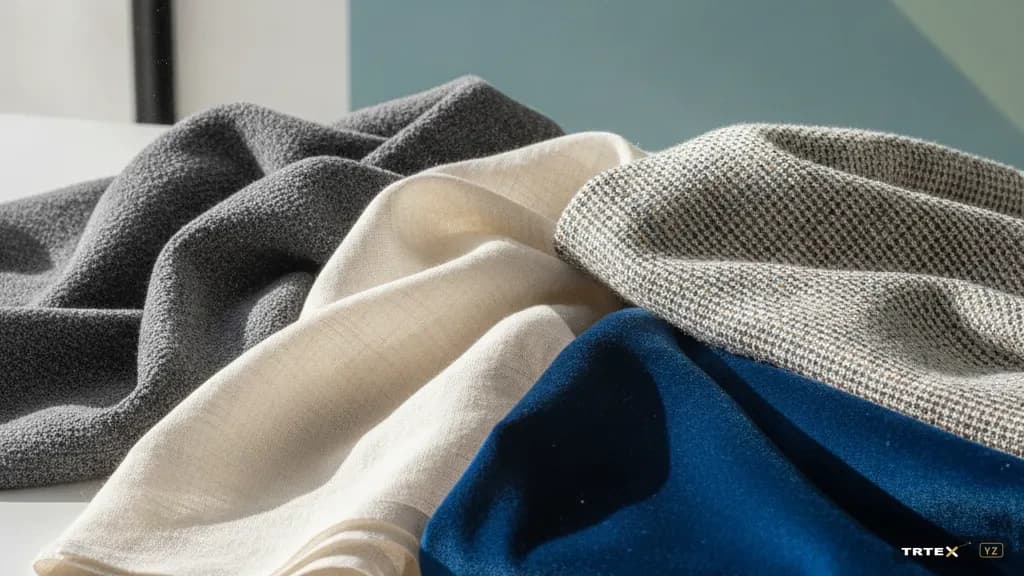
Harput Tekstil's pioneering investment was shaped by surging environmental consciousness and consumer demand for demonstrably sustainable lifestyle goods. Stricter global regulatory frameworks, including the EU Green Deal mandates for recycled and low-carbon textile inputs, elevate the strategic necessity for such facilities. The Bursa facility will engineer versatile yarns formulated for residential categories including drapery, upholstery, bed linen, and terry towels. By delivering these eco-engineered yarns, the plant empowers manufacturing partners to reach verified corporate emissions targets while offering consumers responsible home decor choices. Regular updates regarding annual output metrics will be shared with industry partners.
Circular Economy and Green Manufacturing Strategies
Harput Tekstil's recycled spinning plant plays an instrumental role in reclaiming textile waste—particularly cutting-room scraps and post-consumer discards—as premium industrial raw materials. Utilizing sophisticated automated sorting and refining processes, polyester and cotton materials are recycled into durable yarns while preserving fiber integrity. This closed-loop paradigm directly conserves virgin natural resources, curtails production energy demands, and relieves landfill stress. Approaching its net-zero waste vision, the enterprise demonstrates early alignment with tomorrow's environmental manufacturing standards.
The technical configuration of the facility ensures that recycled fibers match virgin materials in longevity, tensile strength, dye uptake, and weave performance. Consequently, home textile mills can seamlessly incorporate sustainable yarns into existing looms without extensive process recalibration. This compatibility slashes supply chain carbon footprints while localized manufacturing trims shipping freight costs and lead times. These forward-looking steps enhance Turkish textile export competitiveness and command solid attention across international retail buyers.
Contributions to Home Textiles and Market Dynamics
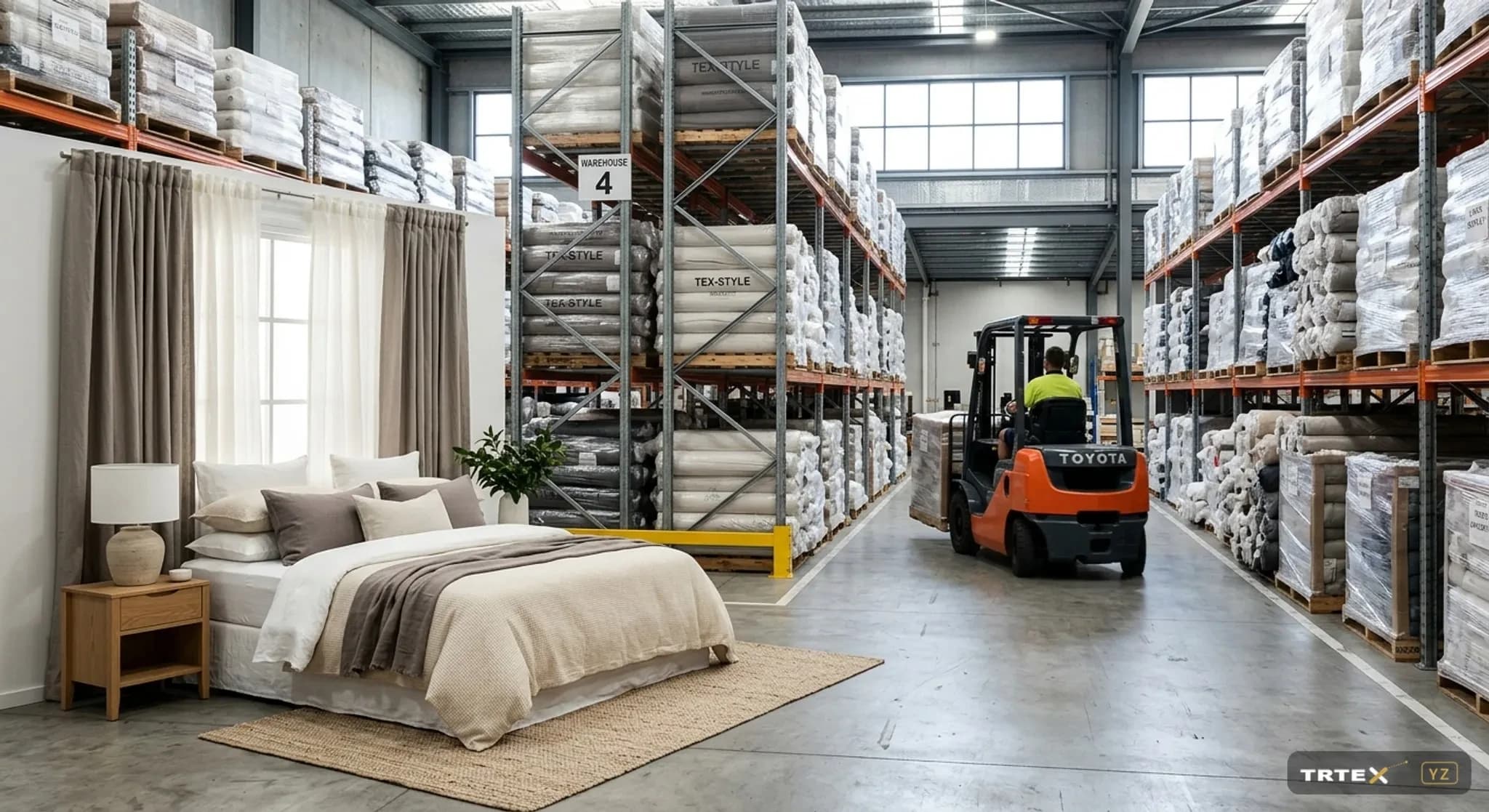
Harput Tekstil's Bursa investment represents a strategic leap bolstering the global positioning of the Turkish home textile industry. Through dependable domestic supplies of sustainable raw materials, exporters gain substantial competitive leverage, especially in demanding European markets governed by strict environmental standards. Manufacturers of curtain fabrics, contract upholstery, and home linens can now deliver eco-certified collections with shorter lead times and improved margin structures. This evolution sparks a competitive wave across the industry, invigorating R&D initiatives.
Analyzing consumer dynamics reveals an accelerating preference for environmentally conscious brands. Home textile products woven from certified recycled yarns offer an optimal solution meeting this global demand. Through this facility, Harput Tekstil not only fortifies its corporate portfolio, but also provides an inspiring manufacturing blueprint for the wider textile cluster. Turkey's heritage in spinning, weaving, and textile engineering merges with circular innovation to drive next-generation home products, solidifying domestic producers as essential strategic partners for international brands.
Harput Tekstil's recycled yarn plant in the Bursa OSB is far more than an industrial facility; it represents a visionary investment in the future of Turkish home textiles. Rooted in circular sustainability, technological innovation, and optimized resource efficiency, the facility spearheads the industry's green transition while strengthening global export power. Through this milestone, Harput Tekstil emphatically reaffirms its commitment to ecological and commercial leadership.