NUNO Corporation Shares Story Behind TAPE TWIST Fabric
NUNO Corporation shared on Instagram the story of its tape technique, which emerged from a production accident in fabric manufacturing. The post featured the TAPE TWIST and Shutters fabrics.
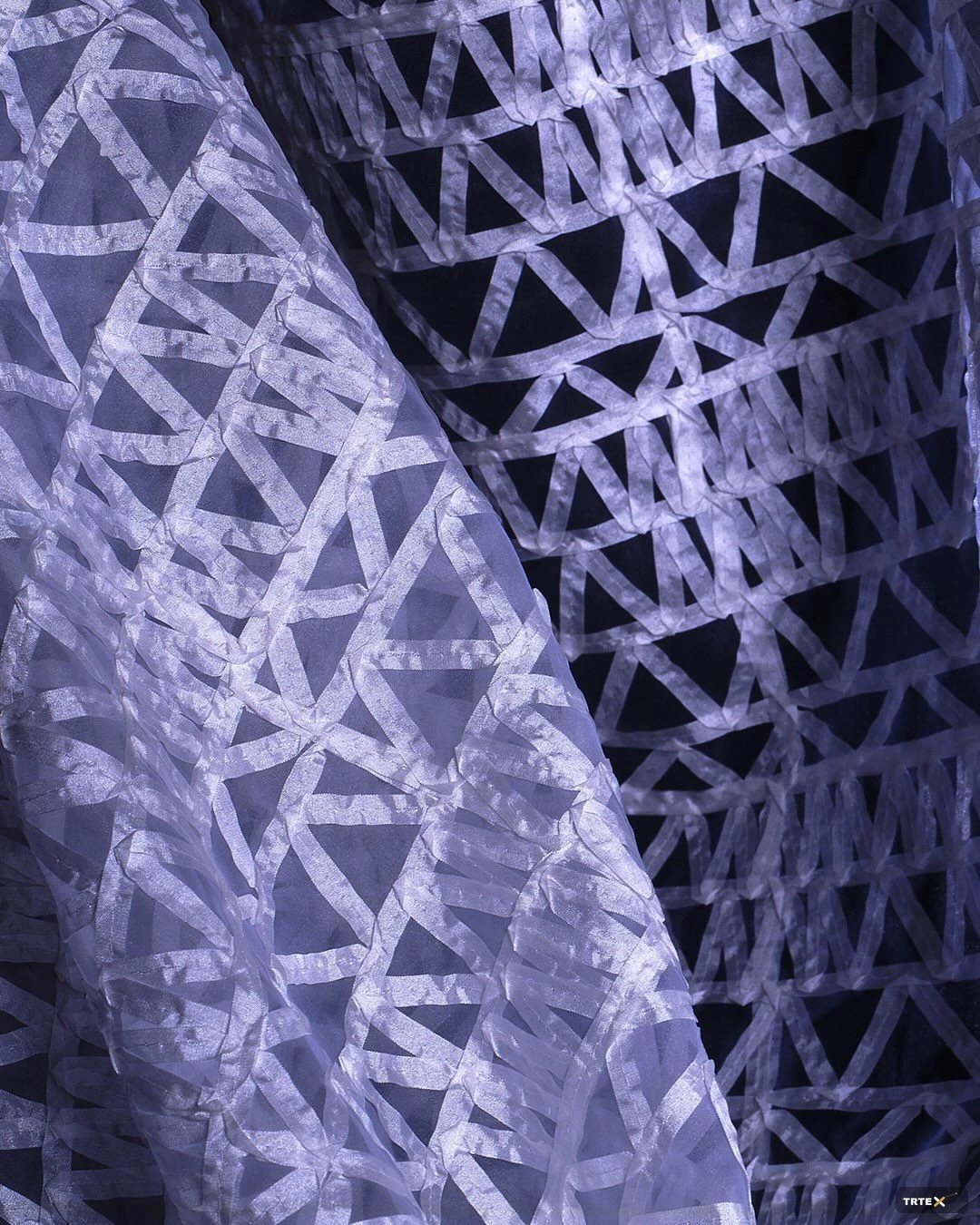
NUNO Corporation, in a post shared on its Instagram account under the heading "NUNOの布づくり:失敗は成功のもと", described how an accident in the production process turned into a product line. The post focuses on fabrics the company developed through trial and error and highlights the origin story of the "tape", or strip, technique.
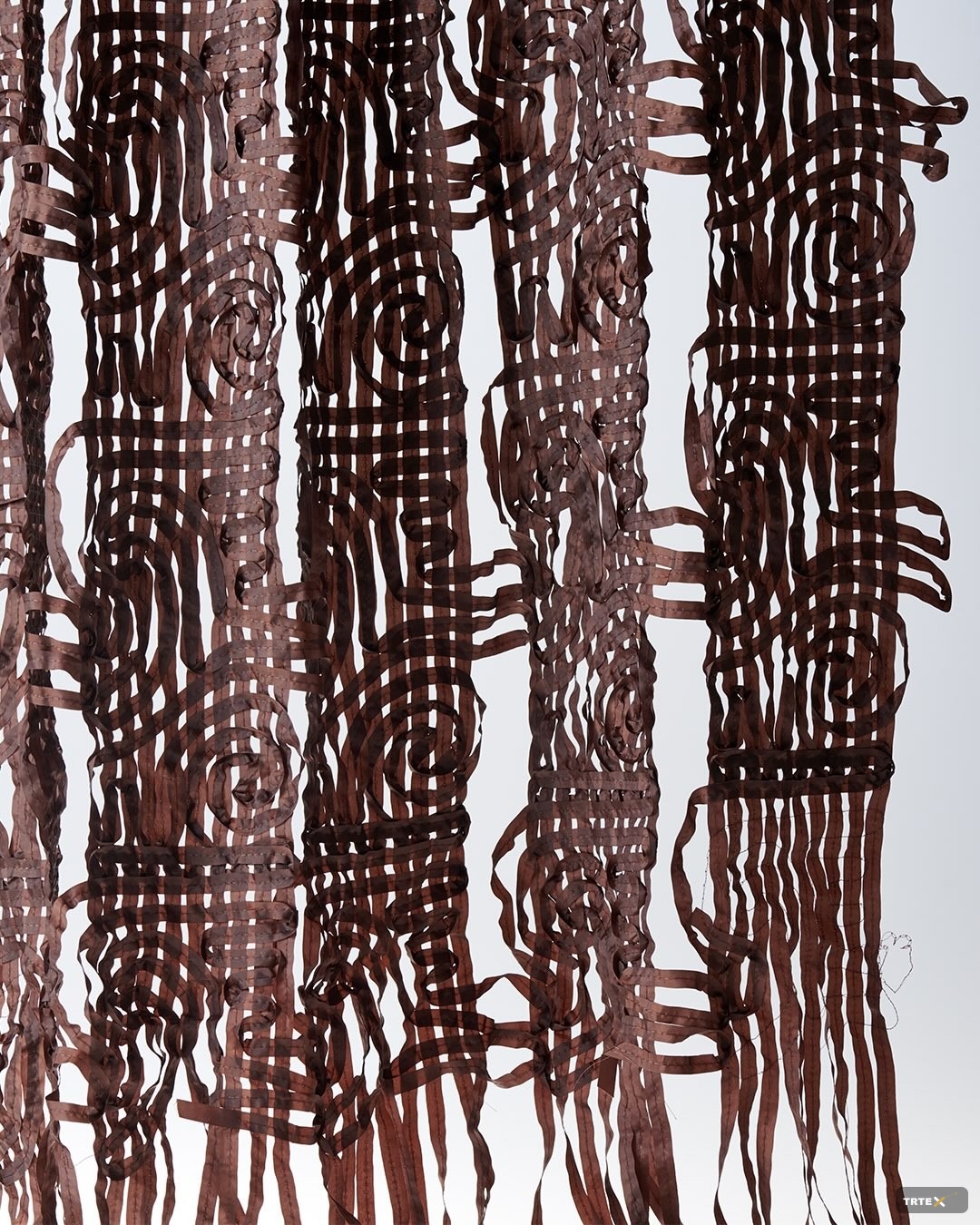
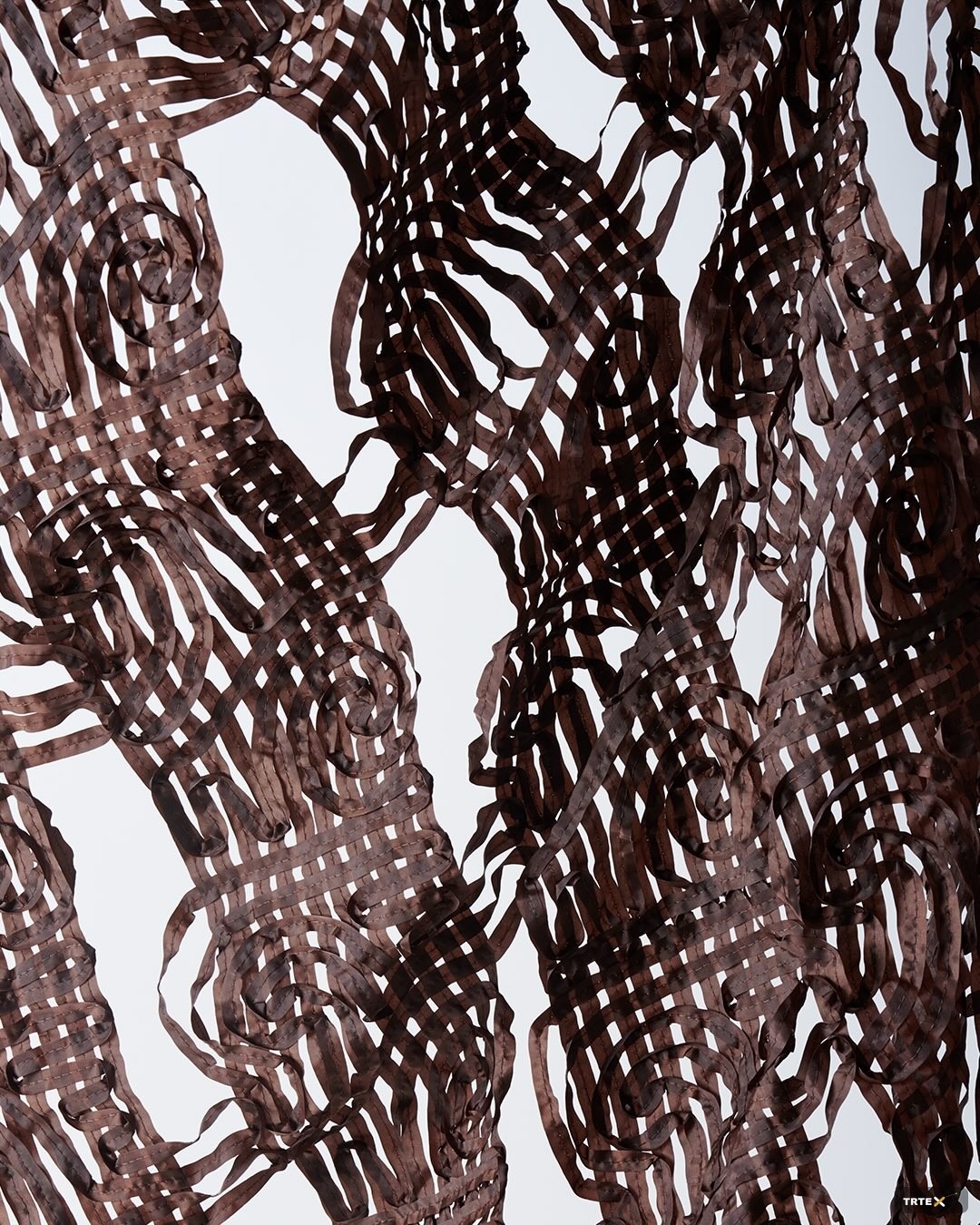
The company states that at that time nylon strip was available on the market, while polyester strip did not exist. The strip born from the accident later evolved into interior-oriented fabrics with "tape" finishing, extending to the TAPE TWIST and Shutters lines, which are cited among the company's representative works. NUNO also emphasizes that its production does not always consist of smooth experiments, and that some fabrics emerged after unexpected accidents and an intensive trial process.
TAPE TWIST: polyester and nylon strip
The post lists the fabric material as "Polyester" and the material of the strip used as 100 percent nylon. The image of the fabric was shared with a credit to photographer Sue McNab.
Another fabric in the post, Shutters, is listed under the code 09-257. The images consist of photographs by Masayuki Hayashi.
Hiroshima collection and points of sale
In the post, NUNO also included collection information: "2006 Hiroshima City University, Museum of Art, Hiroshima". The post also does not specify the intended end use of the fabrics.
The information in the post also offers a framework for how the fabrics as products may be evaluated. When choosing upholstery and drapery fabric, the density of the weave, the scale of the pattern and the intended use of the space are considered together. For drapery, how the fabric falls and how much light it filters is decisive, while for upholstery, the intensity of use is determined. Large patterns appear more balanced on wide surfaces, while small patterns and solid colors look more balanced in smaller pieces. A fabric with a surface animated by the strip technique should likewise be selected using these criteria, considering the scale of the space and its harmony with other fabrics.
On its website, the company notes that NUNO means "fabric" in Japanese. Since 1984, the company has worked with weaving and dyeing workshops in Japan, combining traditional methods with new materials and technologies. NUNO Corporation also announces that its fabrics are held in the permanent collections of various museums around the world. NUNO WORKS, which began in 2002, focuses on fabrics produced with various printing techniques such as block printing, screen printing and transfer. The company describes textiles as "a language beyond words" and says it adopts a "modern fabric" approach that brings together traditional weaving and dyeing techniques with contemporary technology.
The company's post offers an interesting reference, particularly for manufacturers and interior architects seeking distinctive surfaces, as an example of how a production error can be turned into product development.
This content was compiled with AI assistance from the cited source. (EU 2024/1689 Art. 50)