Dedar showcases new Pazling voile collection in Col.2 Perle colourway
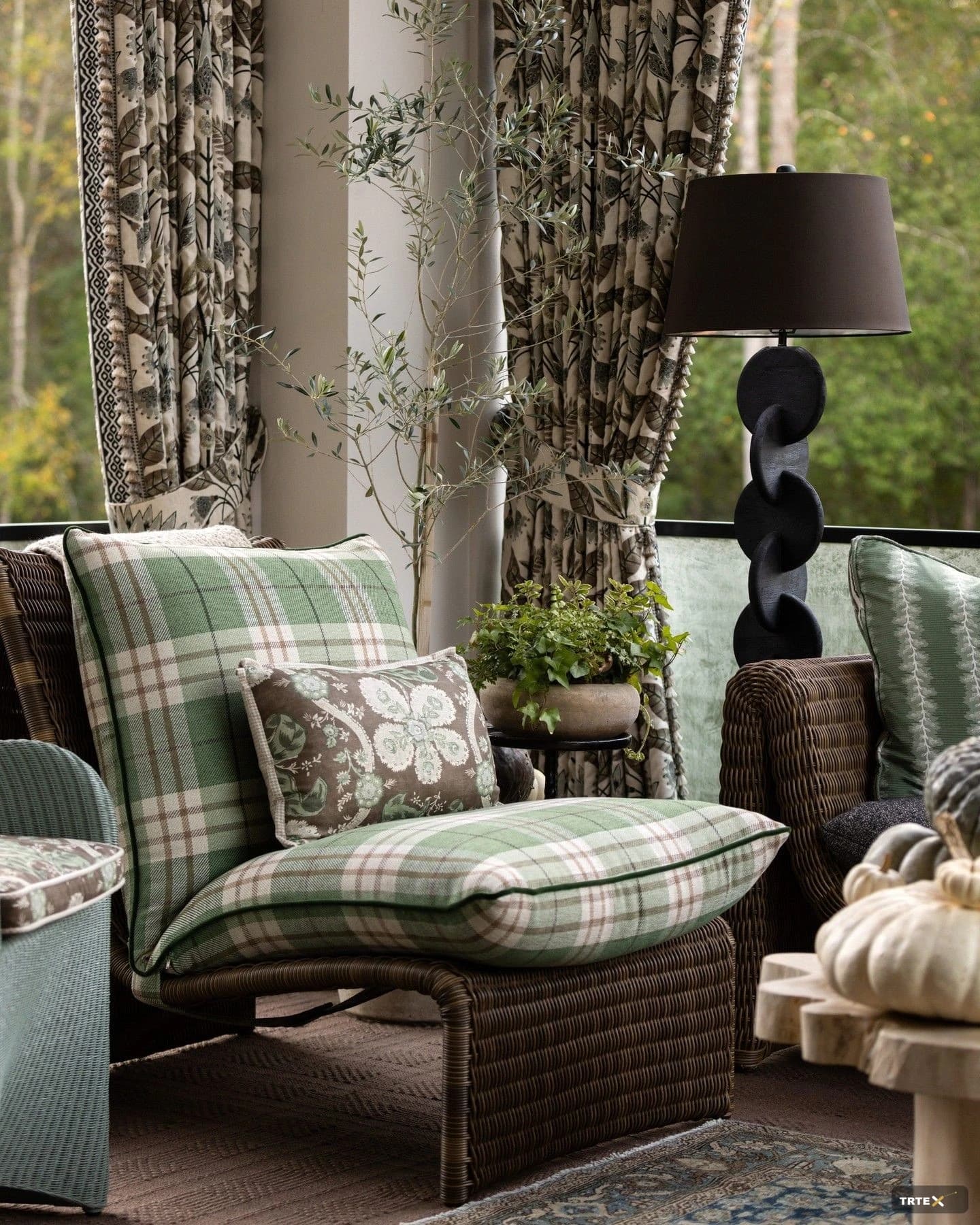
Dedar showcased its Pazling voile in the Col.2 "Perle" colourway. The fabric, with one side textured with cut-fringed coupé and the other side plain, is designed for full, even-draping curtains.
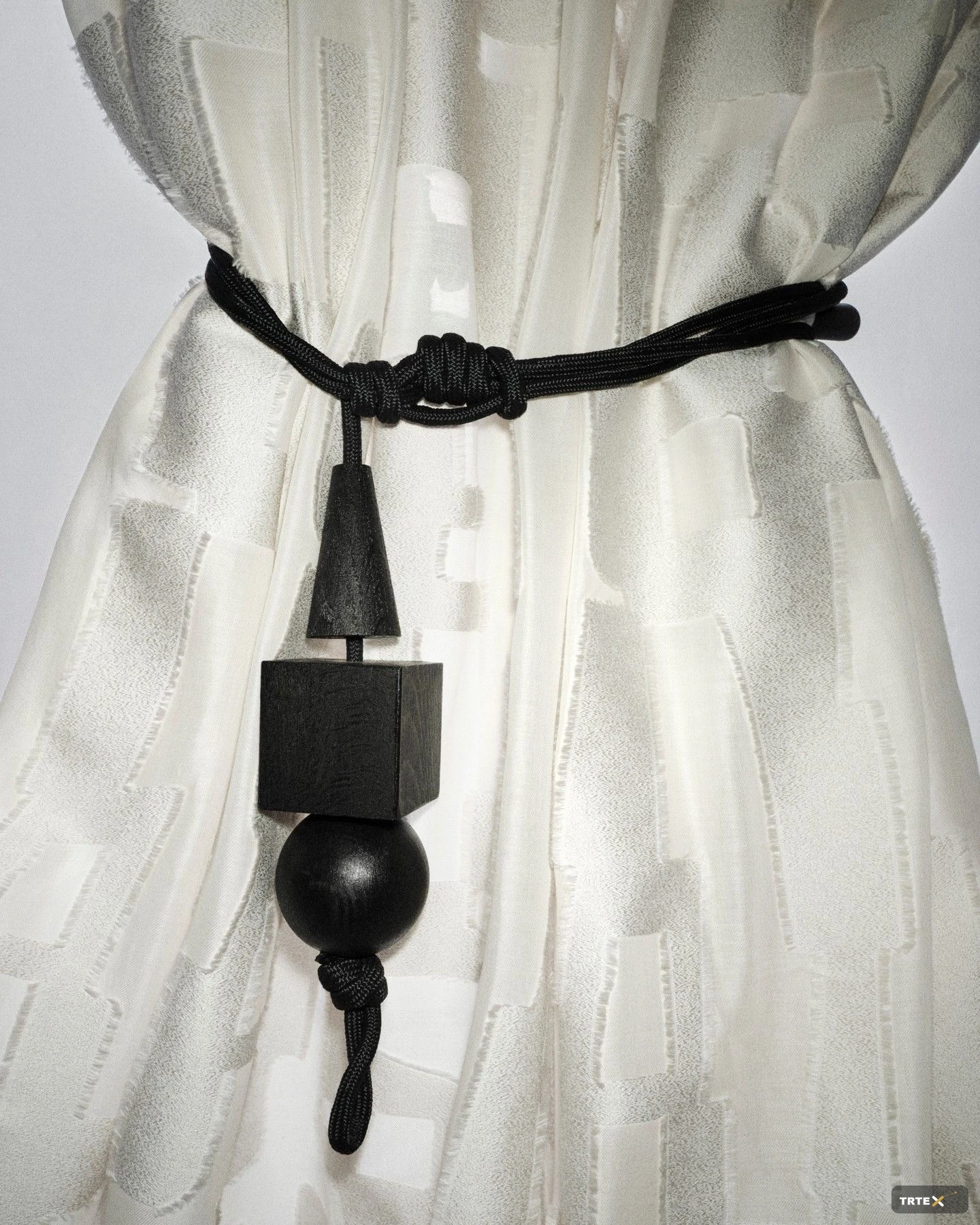
Dedar has showcased its new Pazling collection in the Col.2 "Perle" colourway. The Italian company describes Pazling as a voile reinterpreted through the lens of avant-garde art movements, featuring soft, rooted geometric motifs. The motifs emerge on a translucent ground with varying intensities of the chiaroscuro (light-dark) effect.
According to the company, the voile has a dual character. One side is distinctly textured and three-dimensional, while the other side is kept flatter and plainer. The fabric has a matte, slightly lustrous appearance and offers a dry, lively handle. Dedar notes that these features make Pazling suitable for curtains that require a full and disciplined drape.
A two-faced construction in sheer curtains
Sheer fabrics such as voile belong to the category of curtain types that filter daylight, providing privacy during the day while preserving the brightness of the room. The combination of a textured face and a plain face in Pazling gives designers a choice over which side faces into the room. The side used inward can be determined according to the textural balance of the space and the desired visual effect.
For sheer curtains to drape full and balanced, it is recommended that they be made noticeably wider than the window width, with allowance left for pleating. Voile is usually layered with a backdrop curtain or a blind, so that daytime and evening needs can be met at the same window.
In introducing the new collection, the company refers readers to the collection page featuring the Col.2 "Perle" colourway for further details.
A family company near Como
Dedar is an Italian textile house founded in 1976 and run as a family business. The company produces fabrics, wall coverings and trimmings for interiors. Its headquarters are located near Como, at the heart of a production region. The company says it works in continuous dialogue with craftspeople and textile specialists who have the closest command of the techniques used to produce exceptional fabrics, experimenting and innovating constantly.
Dedar describes its contemporary collections as an expression of a personal style. Its fabrics are characterised by seductive colour palettes and unexpected patterns. The company says it combines precious yarns with fibre technology research, offering a range of timelessly elegant solutions for curtains, upholstery and wall coverings.
The structure of Pazling, which brings a textured face and a plain face together in one fabric, is consistent with this direction focused on pattern and texture. The inclusion of the voile in the collection adds a sheer, textured option to the company's curtain offering. Coordinated collections of this kind serve as a reference point for interior architects who pair wall coverings, curtains and upholstery in the same colour family to create a unified decor.
Looking at the sector, home textile exports reached 109.6 billion US dollars in 2025. China ranked first with a 54.5 percent share, while Turkey ranked sixth with 2.70 billion US dollars (Republic of Turkey Ministry of Trade, Home Textiles Sector Report 2026). In this market, new texture- and pattern-led collections from European brands are among the examples followed by curtain and upholstery manufacturers.
This content was compiled with AI assistance from the cited source. (EU 2024/1689 Art. 50)
Source: Dedar Instagram ↗