La Maison Pierre Frey Presents GALWAY Rug with Original Tartan-Inspired Design
La Maison Pierre Frey has presented the GALWAY rug, woven from New Zealand wool on traditional hand looms, with a tartan-inspired pattern that flows without repeating across the surface.
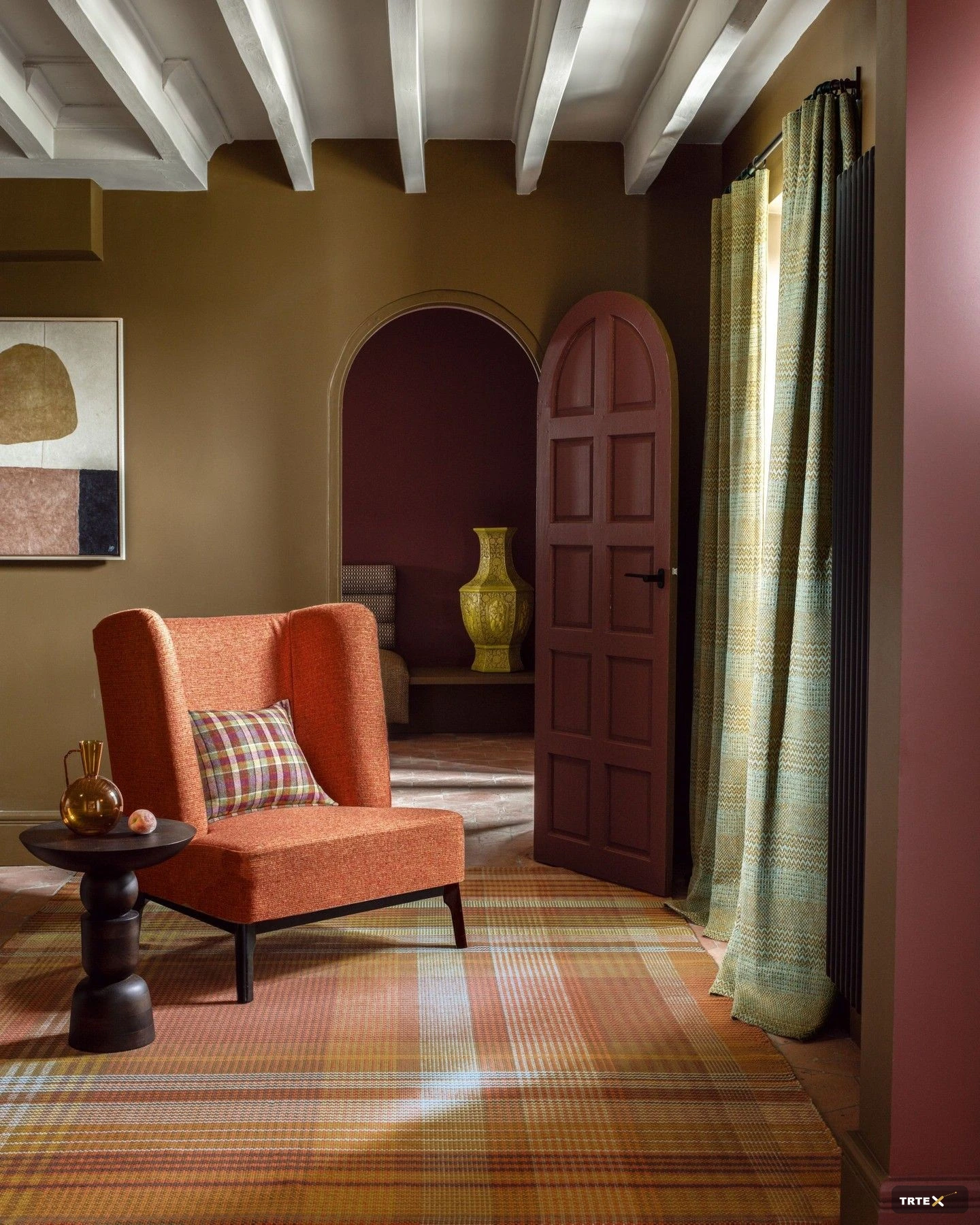
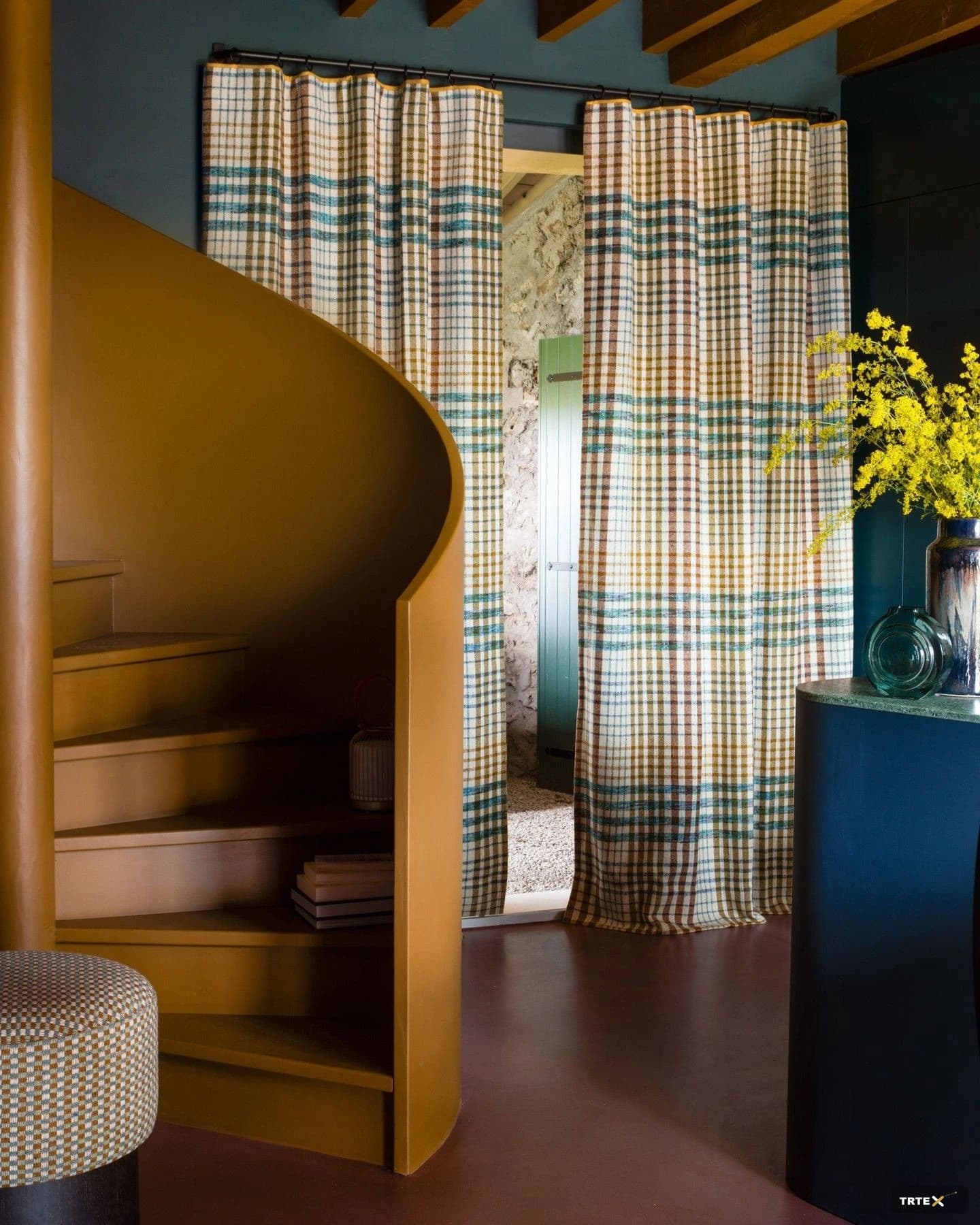
La Maison Pierre Frey has presented the GALWAY rug. The firm describes the rug as a work built on the interplay of warp and weft: the pattern emerges from a carefully composed colour palette. The rhythm of the motifs evokes an original tartan that unfolds across the surface of the rug without falling into repetition.
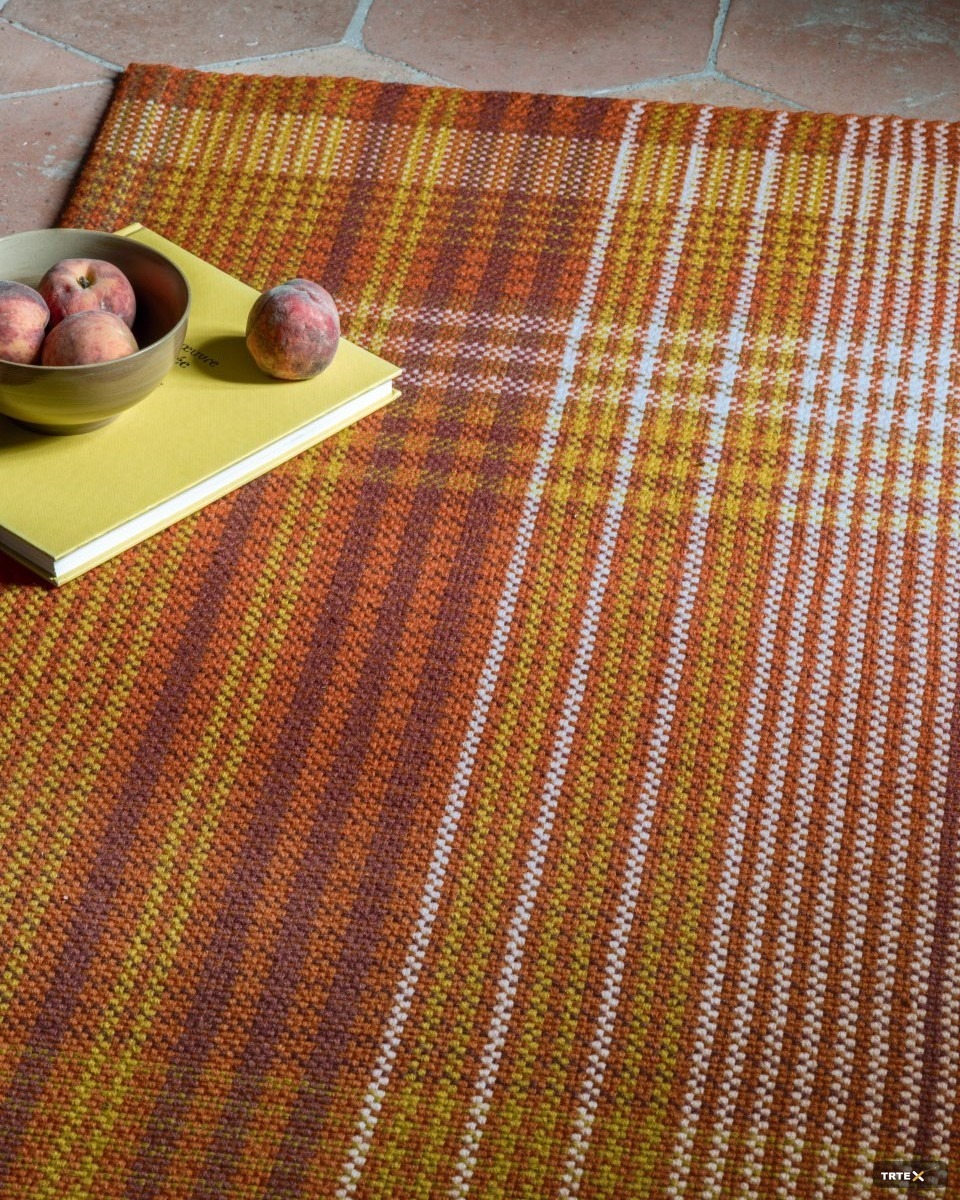
According to the firm, GALWAY is woven by hand on traditional looms from New Zealand wool. This production method gives the rug a soft yet rustic tactile quality. La Maison Pierre Frey says the texture carries the viewer into the middle of Irish plains. The rug belongs to the firm's rug line; the connection to the model is given in the biography section of the firm's social media account.
Tartan-inspired pattern, a non-repeating surface
Tartan patterns are generally recognised by the regular repetition of crossing lines and bands. In GALWAY, however, the firm emphasises the opposite approach: the motifs spread across the scale of the rug without repeating. It is stressed that the pattern emerges through the cooperation of warp and weft, that is, through the weave structure itself. This means the pattern was not applied to the surface afterwards but originates from within the fabric.
For this reason, it is not possible to say anything definite about the size options and sales conditions of the rug; for that information, the firm's product page should be consulted.
Room planning and placement for rugs
Rugs and kilims function as floor textiles that define a floor and divide large spaces into areas of use. The size of a rug is chosen according to the furniture layout; placing the front legs of seating groups on the rug helps the group integrate with the floor. When a patterned rug creates a focal point in a room, the surrounding fabrics and wall surfaces are kept simpler to maintain balance. A non-repeating pattern with a composed colour palette such as GALWAY offers an example that could be considered in projects seeking a focal surface.
Hand-woven rugs generally form a category preferred in the sector for custom and project work. For interior architects, what matters most in such products is how the pattern and colour will read under the light of the space; for this reason, deciding on the basis of a sample where possible is an established practice.
Firm and sector context
France-based La Maison Pierre Frey operates in the curtain and upholstery fabric field. The firm had previously showcased a selection of embroidered fabrics and wallpapers and, at the end of the post, asked its audience which product they preferred. The firm had also described one of its choices as a reflection of the Maison's appreciation for time-honoured craftsmanship. GALWAY's hand weaving on a traditional loom follows the same line, showing the importance given to handwork.
In the rug market, Turkey ranked first worldwide in machine-made rug exports (HS 5702) in 2024 with 2.24 billion dollars; China stood at 0.80 and India at 0.70 billion dollars (UN Comtrade 2024). Hand-woven and machine-made rugs serve different production and price segments; GALWAY, in the firm's description, is positioned as an example of a craft-focused, original-patterned upper-segment rug.
Source: La Maison Pierre Frey, social media post.
This content was compiled with AI assistance from the cited source. (EU 2024/1689 Art. 50)
Source: La Maison Pierre Frey Instagram ↗