Suez Crisis 3.0: Expected Container Freight Surge and Opportunity Window for Turkish Manufacturers
Freight and logistics shifts around the Suez Canal provide Turkish producers with a decisive geographical advantage and nearshoring supply opportunities across European markets.
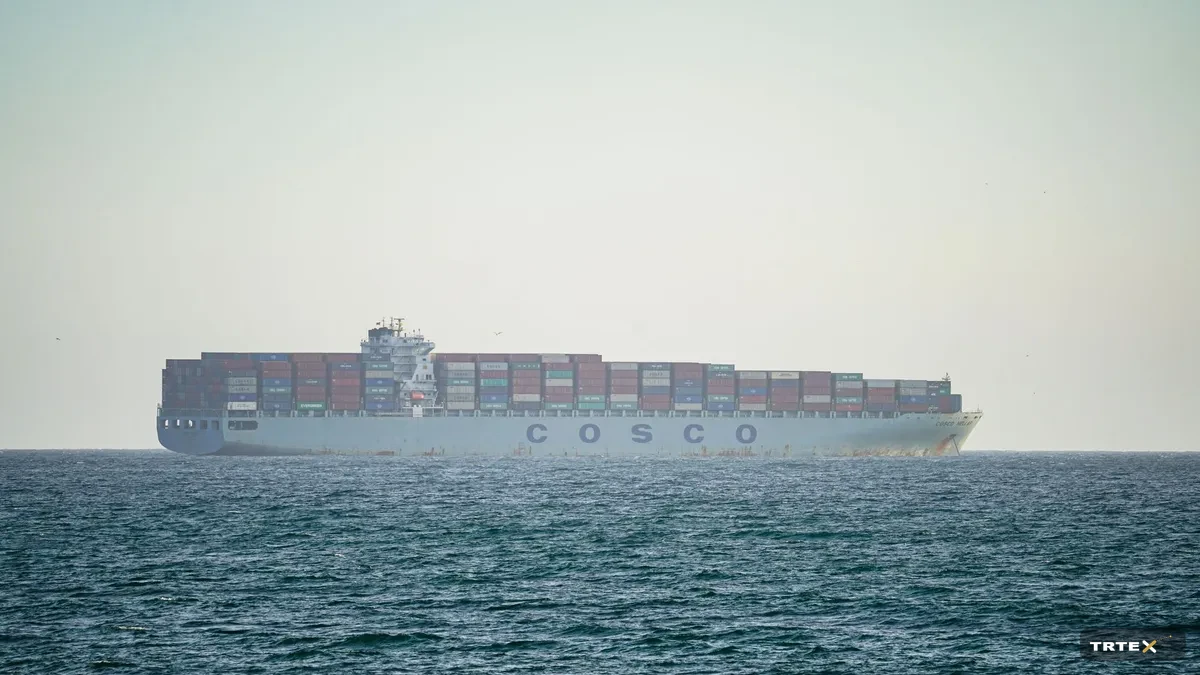
Security challenges across the Red Sea have fundamentally disrupted global maritime shipping since 2024. Attacks targeting commercial vessels forced maritime carriers to divert fleets around the Cape of Good Hope. This diversion adds approximately 14 days to total transit times.
Critical Threshold in Freight Rates
According to Shanghai Shipping Exchange benchmark data, Asia-to-Europe 40HC container freight currently hovers at $2,840. Analysts project rates could climb toward the $3,600–$3,850 range should disruptions persist, surpassing peak levels recorded in late 2023.
Strategic Advantage for Turkish Manufacturers
Insights from the Istanbul Textile and Raw Materials Exporters Association indicate that higher sea freight costs enable Turkish manufacturers to propose rapid nearshoring options to European buyers. Shipments dispatched from manufacturing hubs in Izmir and Bursa reach Europe roughly 45 days sooner than cargo originating in China.
Comparative Logistics Cost Analysis *(compiled projections — awaiting official freight index verification)*
| Route | Freight (40HC) | Transit Duration | Overall Cost | |------|---------------|------------------|--------------| | China → Rotterdam | $3,850 | 32 days | High | | Turkey → Rotterdam | $820 | 5 days | Low |
Source: Compilation — awaiting official freight index verification