Artificial Intelligence in the Textile Industry: Transformation from Design to Manufacturing
Artificial intelligence is revolutionizing the textile industry across design, production scheduling, quality assurance, and predictive trend analysis, elevating productivity and customized manufacturing.

The textile industry is increasingly leveraging artificial intelligence (AI) technologies to respond effectively to rapidly shifting consumer expectations and fiercely competitive market conditions. AI is sparking transformative breakthroughs across the entire value chain—spanning from conceptual product design and raw material sourcing to production scheduling, automated quality assurance, and customer service. By harnessing these intelligent systems, manufacturers deliver faster, more efficient, and highly customized products and services, securing a decisive competitive advantage in the global arena.
AI-powered design platforms conduct deep trend analytics to forecast emerging home textile and fashion aesthetics with remarkable accuracy. This predictive capability empowers designers to craft innovative collections aligned with concrete market demands. AI algorithms accelerate creative ideation by recommending bespoke color palettes, pattern combinations, and tactile fabric textures. Moreover, generative algorithms enable hyper-personalized product customization according to individual client preferences, making made-to-order manufacturing commercially viable at scale.
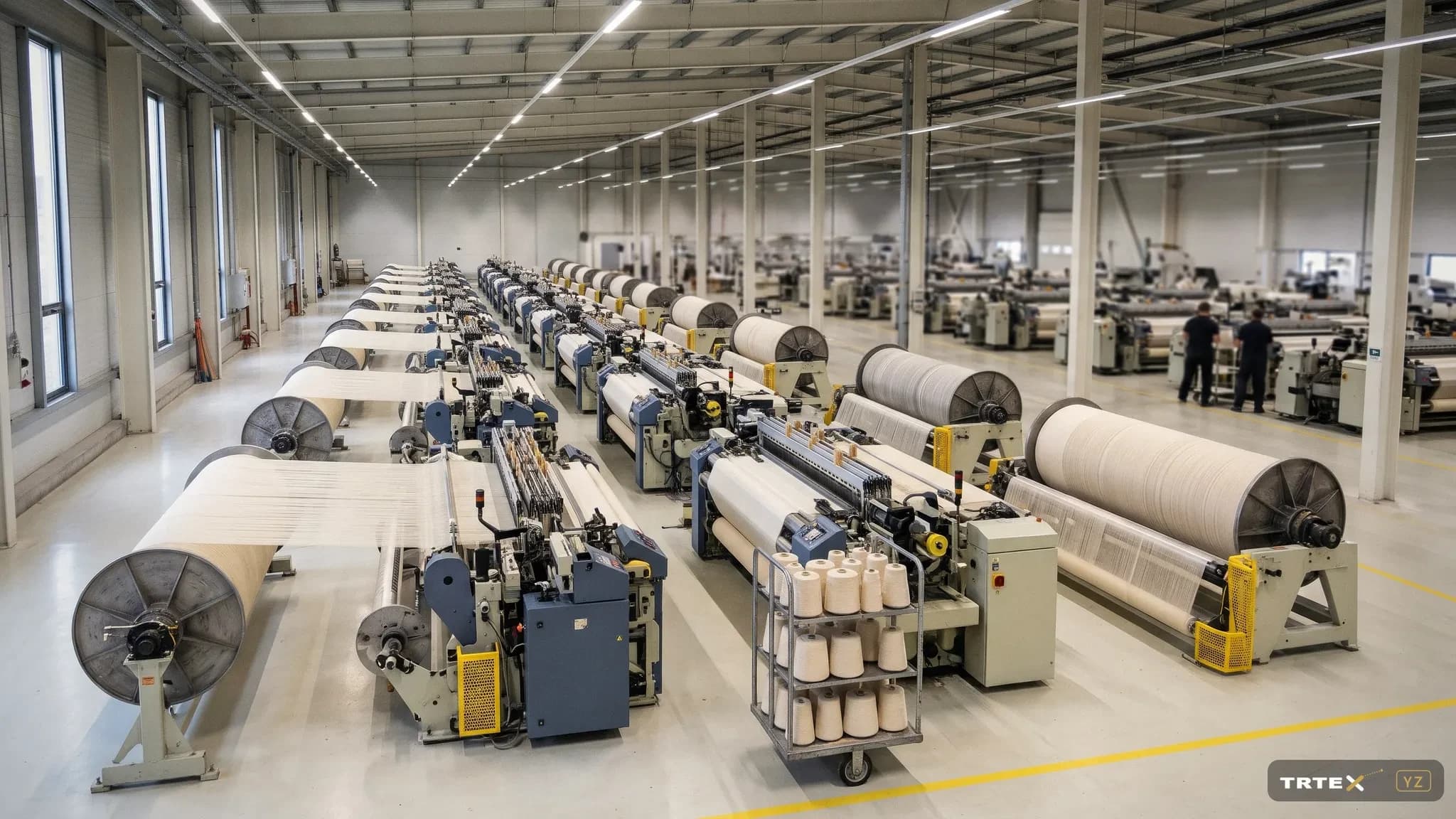
In manufacturing operations, artificial intelligence and machine learning algorithms substantially elevate operational throughput and product quality. Inside smart textile mills, AI-orchestrated robotic automation systems streamline spinning, weaving, dyeing, and automated fabric cutting. Through continuous industrial telemetry analysis, predictive maintenance models detect mechanical anomalies before they cause costly downtime, thereby maximizing equipment availability and minimizing textile waste. In the quality inspection phase, AI-based computer vision systems detect microscopic fabric flaws and weaving defects far more swiftly and accurately than manual human inspection.
Within supply chain logistics, AI delivers strategic business intelligence in inventory optimization, dynamic demand forecasting, and transport route planning. Consequently, warehouse holding costs are curtailed while customer fulfillment metrics improve significantly. In customer-facing operations, conversational AI assistants swiftly address buyer inquiries, elevating the B2B purchasing experience. Turkish textile manufacturers are actively investing in cutting-edge AI technologies, simultaneously bolstering operational efficiency and expanding innovation capabilities. Artificial intelligence is undeniably cementing itself as an indispensable core pillar of the textile industry's future.