New EU-Backed Project: Establishing On-Demand Micro-Factory Networks
A new EU-supported project aims to curb overproduction and textile waste through localized on-demand micro-factory networks. This shift opens new opportunities for agile Turkish manufacturers.
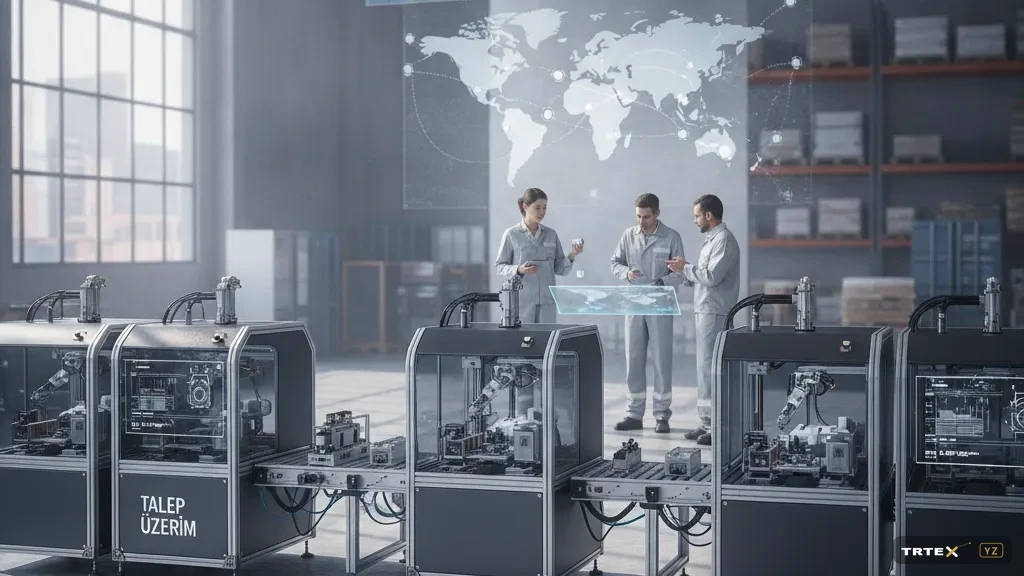
A new European Union-funded initiative aims to demonstrate that decentralized, on-demand micro-factory networks can substantially curtail systemic overproduction and material waste across European textile supply chains. According to a report by Ecotextile News dated July 10, the project unites ten prominent organizations across Germany, Romania, Belgium, France, the Czech Republic, and Italy under a unified collaborative banner.
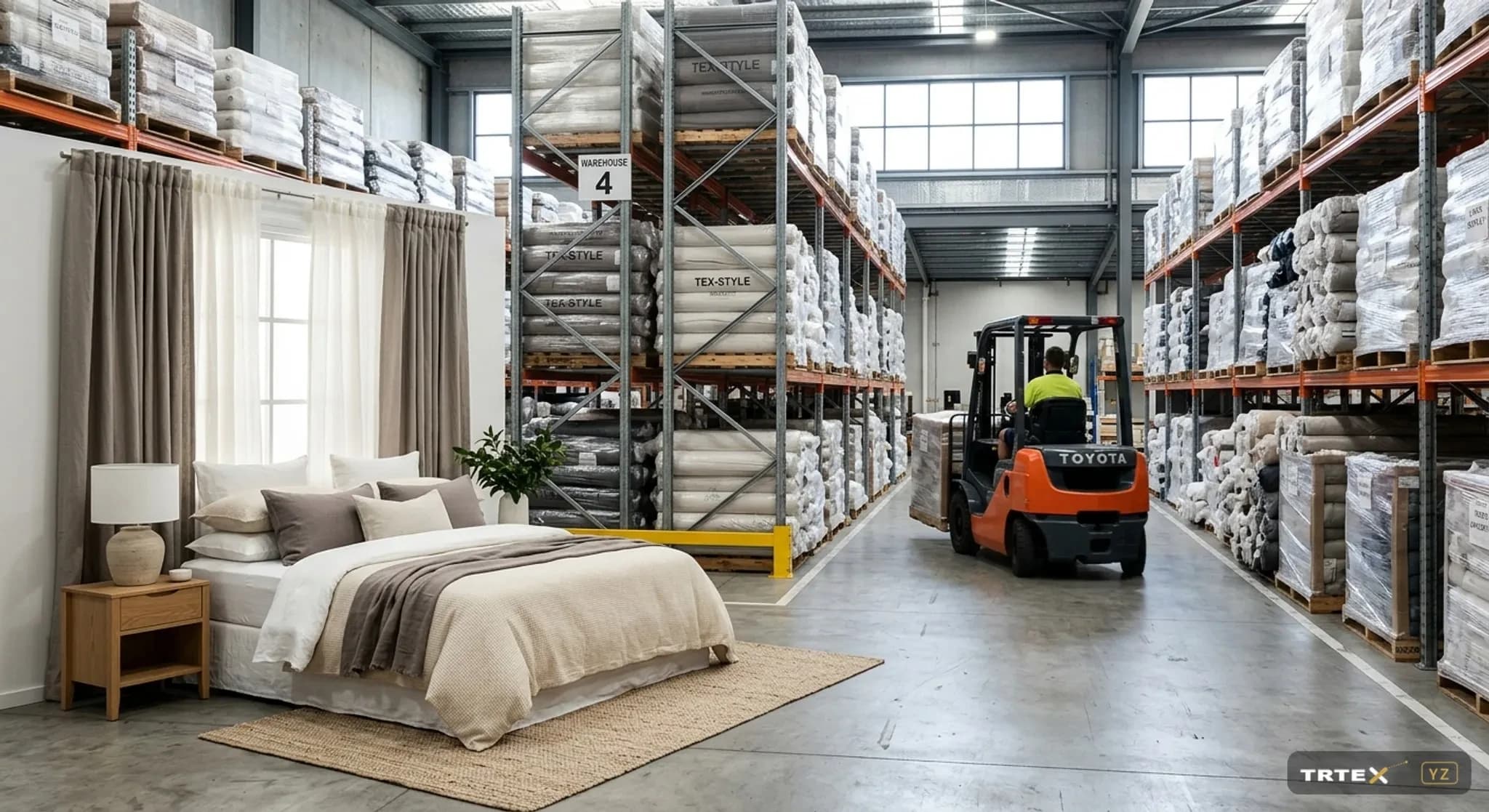
The genesis of the initiative addresses a structural bottleneck long debated across the textile industry: conventional batch manufacturing models rely heavily on speculative demand forecasts, inherently generating unsold inventories and massive landfill waste. Under the on-demand paradigm, manufacturing begins only after customer orders are finalized, completely eliminating dead stock exposure and reducing warehouse overheads.
What Does This Development Mean for Turkish Home Textile Manufacturers?
Europe's strategic initiative to cultivate localized, small-batch agile manufacturing capacity can be interpreted through two distinct lenses by nearby manufacturing hubs. On one hand, urban micro-factories may retain certain urgent, small-run replenishment orders within European borders. On the other hand, this project proves that rapid turnaround times and flexible batch sizes have become paramount selection criteria for international buyers—qualities where Turkey's immediate geographic proximity and flexible manufacturing lines already excel.
Key Developments to Monitor
Subsequent phases will determine which specific product categories will undergo pilot runs, which core technologies (high-speed digital printing, automated single-ply cutting, cloud order integration) will be deployed, and how findings will shape overarching EU textile legislation. For Turkish exporters, factoring this buyer preference for on-demand flexibility into capacity planning represents a prudent operational strategy.
Furthermore, the micro-factory concept relies heavily on digitized workflows that compress the timeframe from conceptual design to finished product; if validated, this model could permanently reshape buyer expectations across curtain and decorative textile segments where collection refresh velocity is vital. TRTex will continue monitoring pilot findings and buyer purchasing habits, updating this analysis as developments unfold.
Source: Ecotextile News — this report is strictly confined to information contained in the original publication; project specifications may be verified through source materials.