2026 Color and Pattern Trends in Home Textiles: Interior Designer and Retailer Perspectives
Color and pattern trends in 2026 home textiles are analyzed from the perspective of interior designers and retailers. Naturalness and sustainability offer Turkish manufacturers a strategic competitive advantage.
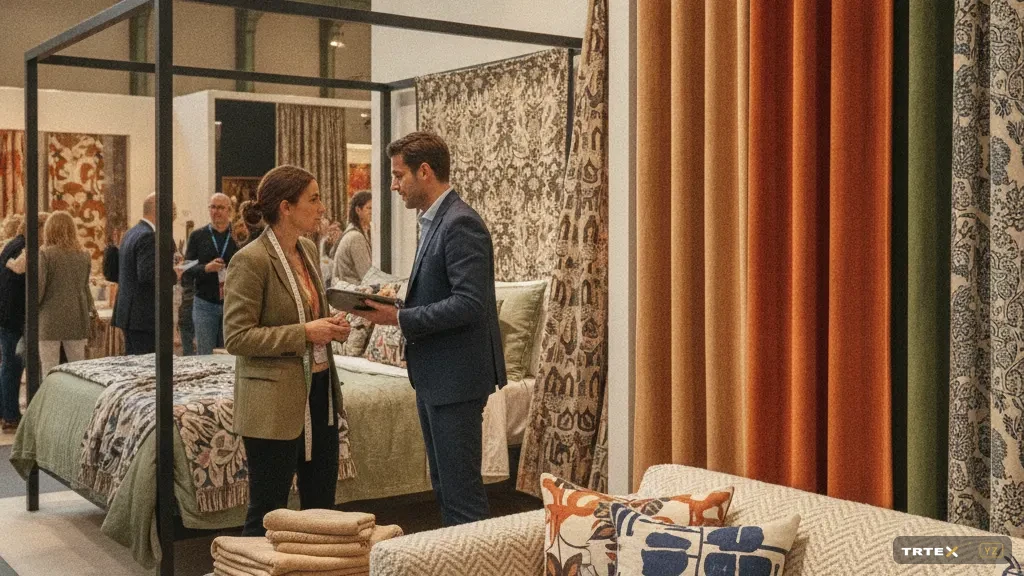
The home textile, curtain, and upholstery sector possesses a dynamic structure where global lifestyle trends and consumer preferences evolve rapidly. As 2026 approaches, color and pattern movements shaped through the lens of interior architects and retailers hold paramount importance for Turkish manufacturers, wholesalers, and exporters. Drawing insights from innovations showcased at leading international exhibitions like Heimtextil 2026, this article deeply examines the defining aesthetic and structural directions for the upcoming season.
To differentiate themselves in international markets and accelerate export growth, Turkish textile producers must accurately interpret these emerging aesthetic currents, integrate them into production lines, and refresh their collections accordingly. Across an expanding market footprint from Europe and the Middle East to Africa and the Americas, coherent color and pattern strategies will solidify the preeminent standing of Turkish home textiles.
Rising Color Palettes of 2026: Naturalness and Sustainability
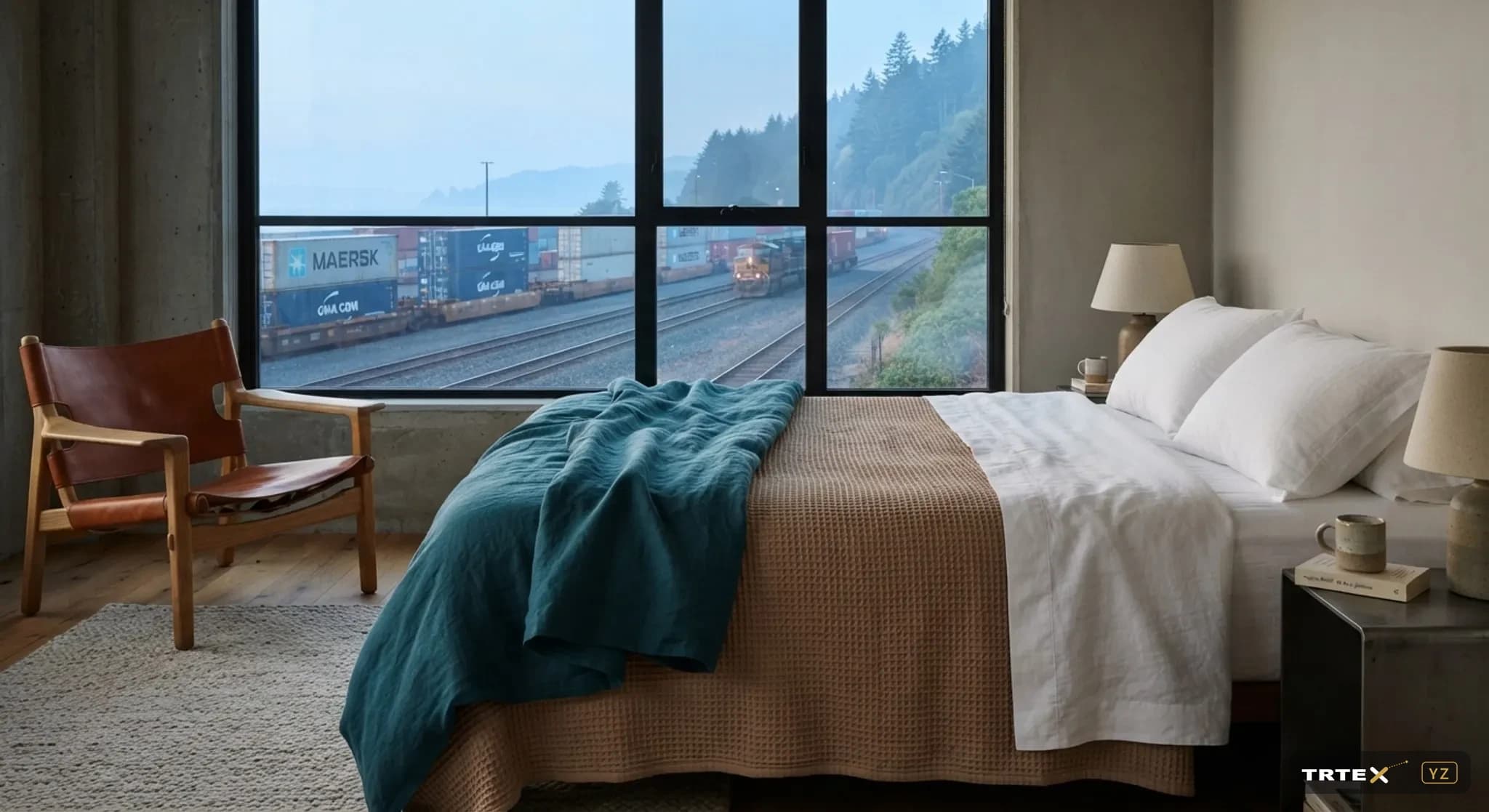
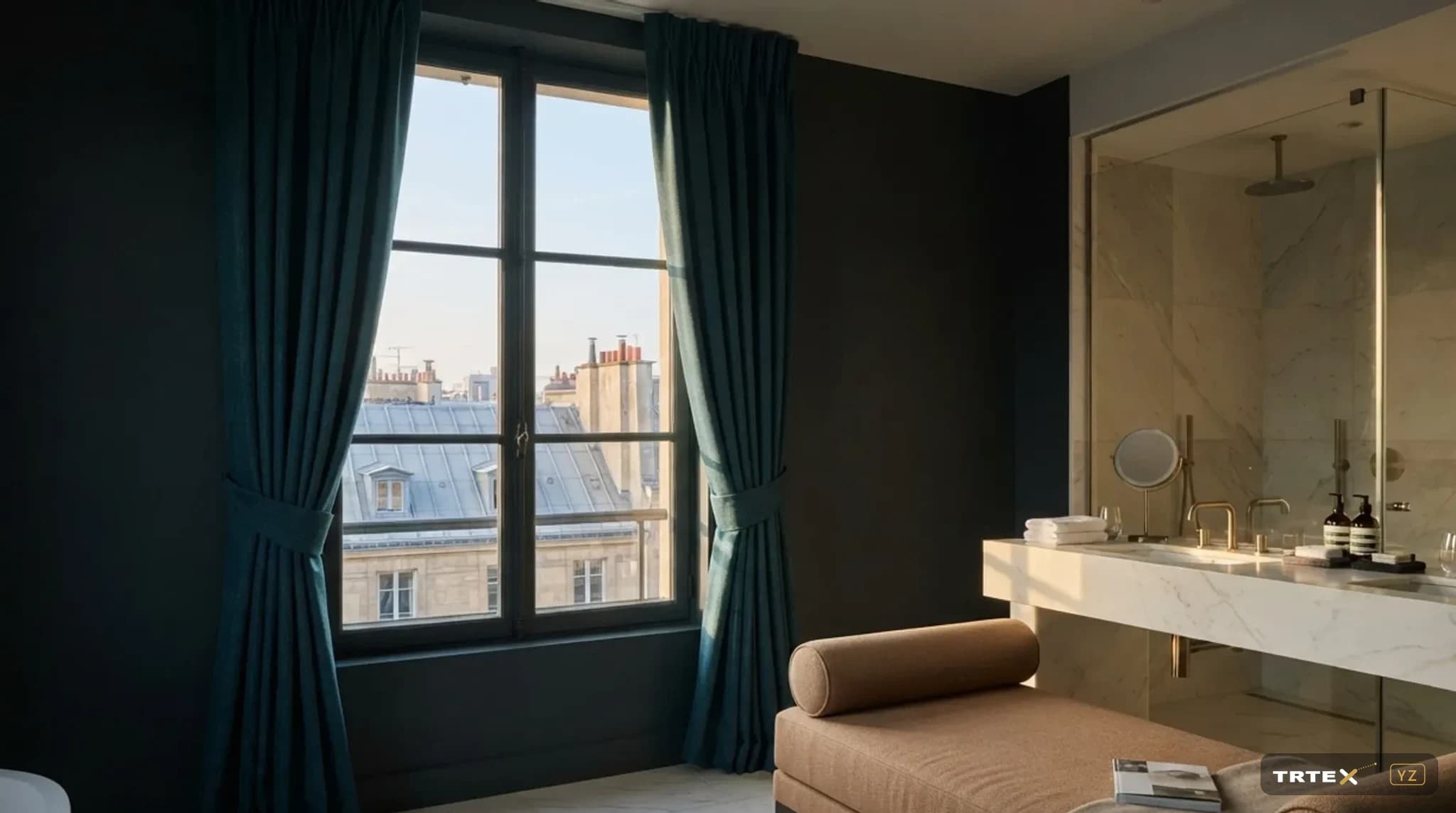
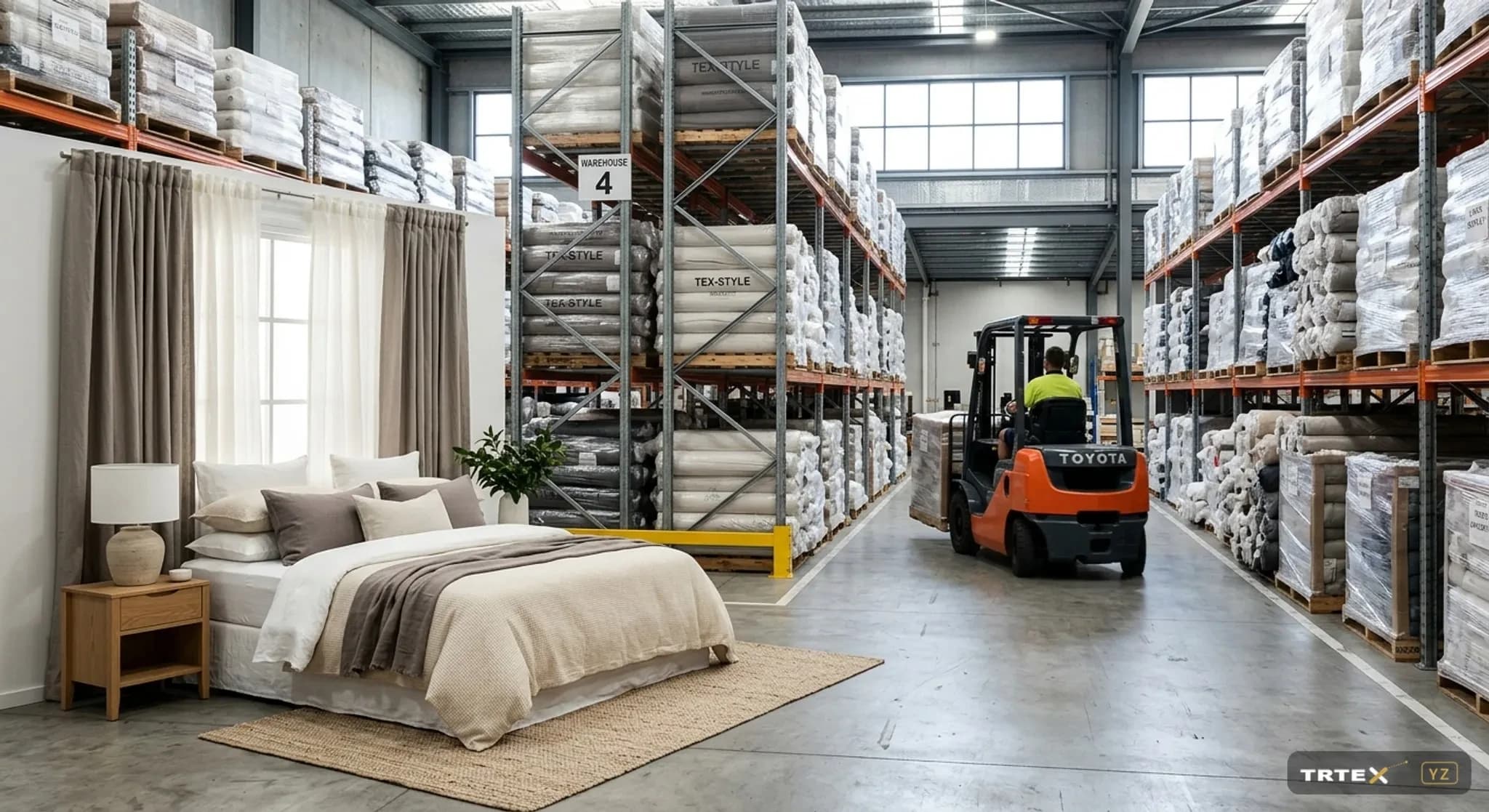
In 2026 home textile palettes, colors derived from nature and ecological responsibility play a central role. Interior designers are increasingly championing earthy tones, subtle leafy greens, warm beiges, and organic wood tints that evoke serenity and grounding. This aesthetic directly reflects the growing human desire to disconnect from urban pressures and transform living spaces into tranquil personal sanctuaries.
Retailers, acutely aware of the commercial strength of organic tones, are allocating significant space to these colorways across their retail floors and digital catalogs. Contemporary consumers prioritize not only aesthetic elegance but also non-toxic, eco-certified materials. Consequently, textiles crafted from natural fibers like organic cotton, linen, and bamboo, dyed using plant-based pigments, are steadily capturing market share. For Turkish textile mills, this shift underscores the necessity of embracing sustainable finishing practices and securing rigorous international certifications.
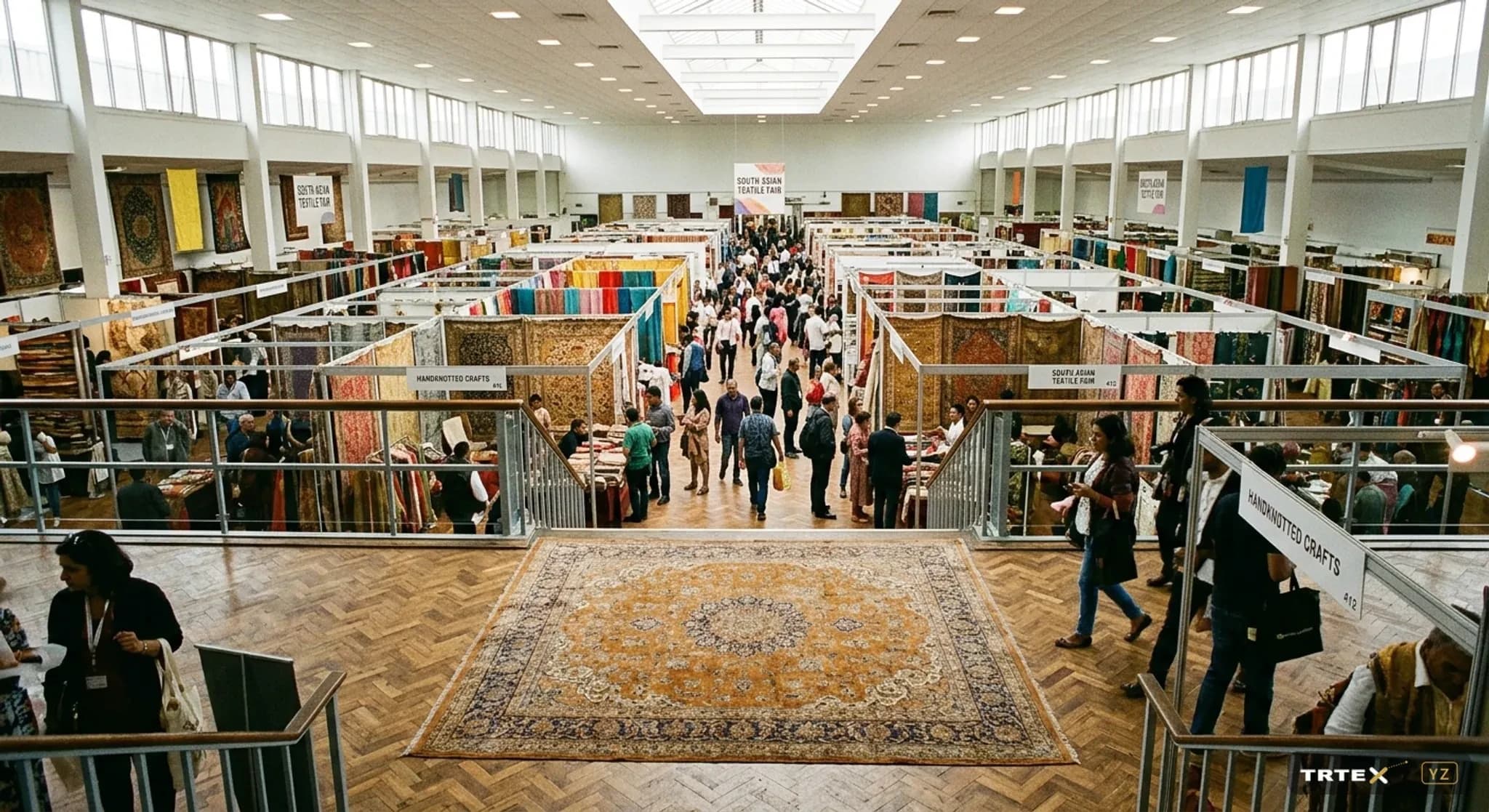
The vision of Heimtextil 2026, themed 'Craft is a Verb', aligns perfectly with this artisanal and earth-conscious movement. Handcrafted detailing, rich raw textures, and expressive motifs captivate consumers seeking to break free from the monotony of mass production. In this context, Turkey's venerable textile artisan traditions, fused with contemporary design language, offer an unparalleled competitive edge in international luxury markets.
From Minimalism to Artistic Expressions in Pattern Design
While 2026 pattern directions span a diverse spectrum, the prevailing movement marks a definitive transition from austere minimalism toward expressive, painterly narratives. Interior architects seek motifs that do not overpower a room's architectural harmony yet infuse it with distinct character. This manifests predominantly in large-scale geometric repeats or stylized botanical forms.
- Organic and Fluid Forms: Freeform, flowing motifs inspired by water, cloudscapes, cascading foliage, and floral contours introduce softness and dynamic rhythm into residential spaces.
- Abstract Painterly Touches: Expressive brushstrokes, ink washes, and tonal ombré gradients bring an art-gallery sophistication and emotional depth to residential textiles and drapes.
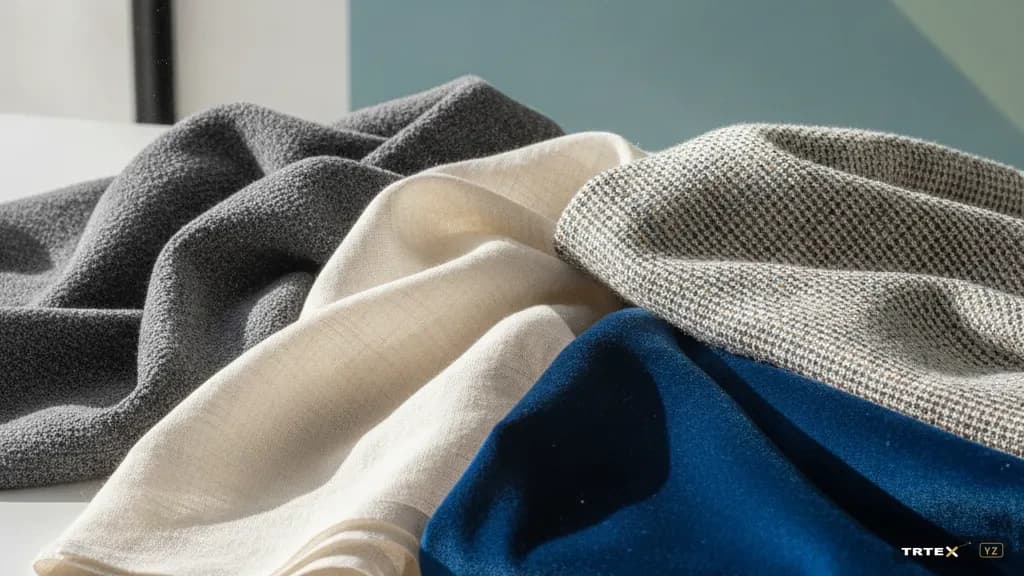
- Tactile Structural Patterns: Surfaces that enrich tactile perception are gaining immense popularity; high-relief matelassé, jacquard weaves, and boucle yarn combinations add tangible multidimensionality.
- Micro-Scale Geometric Motifs: Petite geometric patterns that appear as solid textures from afar but reveal intricate craftsmanship up close offer subtle luxury for luxury bed sets and sheer curtains.
Retailers leverage this broad pattern assortment to cater effectively to diverse consumer demographics. By harnessing their advanced digital textile printing capabilities, Turkish manufacturers can produce these complex, highly detailed designs at scale with exceptional fidelity, maintaining an edge over low-cost commodity producers in the Far East through distinct creative quality.
Technical Advancements and Innovations in Production Methods
Alongside aesthetic shifts, technical breakthroughs and modern manufacturing techniques play a vital role across the home furnishings ecosystem. Smart weaving technologies, a major highlight at Heimtextil 2026, enable the production of fabrics that seamlessly unite visual beauty with high-performance functionality.
Stain-repellent, antimicrobial, thermal-insulating, and sound-absorbing fabrics are increasingly specified by interior designers for demanding commercial and hospitality projects (contract textiles). Turkish mills must expand their R&D investments to excel in engineered functional textiles, backing them with internationally recognized certifications like OEKO-TEX Standard 100 and GOTS (Global Organic Textile Standard) to ensure instant buyer confidence.
Environmental sustainability has become an absolute mandate across every phase of production. Closed-loop water recycling, energy-efficient drying, post-consumer recycled yarn integration, and zero-waste management are no longer marketing slogans but core commercial requirements. Turkish producers leading these eco-investments will secure long-term preferred vendor status among premier global retail brands.
Strategic Outlook and Forecasts for the Turkish Textile Industry
The 2026 home textile design landscape is defined by natural palettes, sustainable integrity, expressive artistry, and technical performance. Turkish manufacturers who actively align their design studios and production capacities with these principles will capture substantial market share. Fulfilling the expectations of architects and retail buyers with authentic designs and green credentials will elevate Turkey's global brand equity.
Leveraging digital procurement platforms, global trade tenders, and international business networks, Turkish textile leaders are poised to expand their footprint across the worldwide home decor ecosystem. Innovation, design mastery, and environmental stewardship will remain the cornerstone drivers of future export success.