Home textiles are 14% of EU output: buyers want 30,000-cycle Martindale
The contraction in the European textile sector and the 14% home textile market share signal a new era focused on standards, testing, and certification for Turkish suppliers.
The European textile and clothing industry is a massive ecosystem with a turnover of 166 billion Euros and 1.2 million employees. However, recent data shows that the sector is under serious transformation and pressure. According to EURATEX Facts & Key Figures data, EU textile exports decreased by 2.9%, employment fell by 2.8%, and the foreign trade deficit with third countries continued to grow. Currently, imports have reached 122 billion Euros, more than double the exports of 61 billion Euros. In addition, approximately one-third of the textile and clothing products sold in Europe are manufactured in China. In these challenging market conditions, it is of critical importance for Turkish home textile and curtain manufacturers to stand out with the right product strategies.
Key Analysis
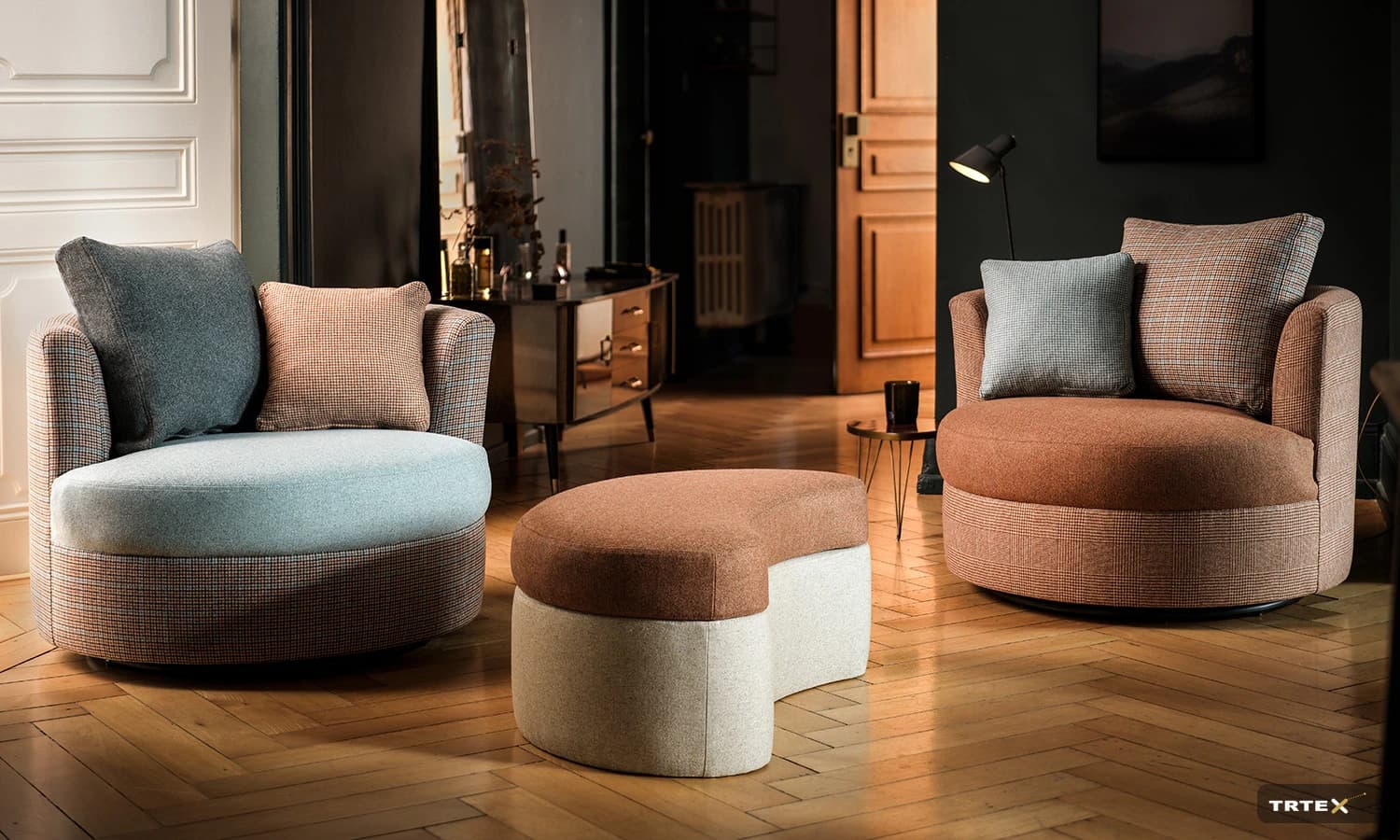
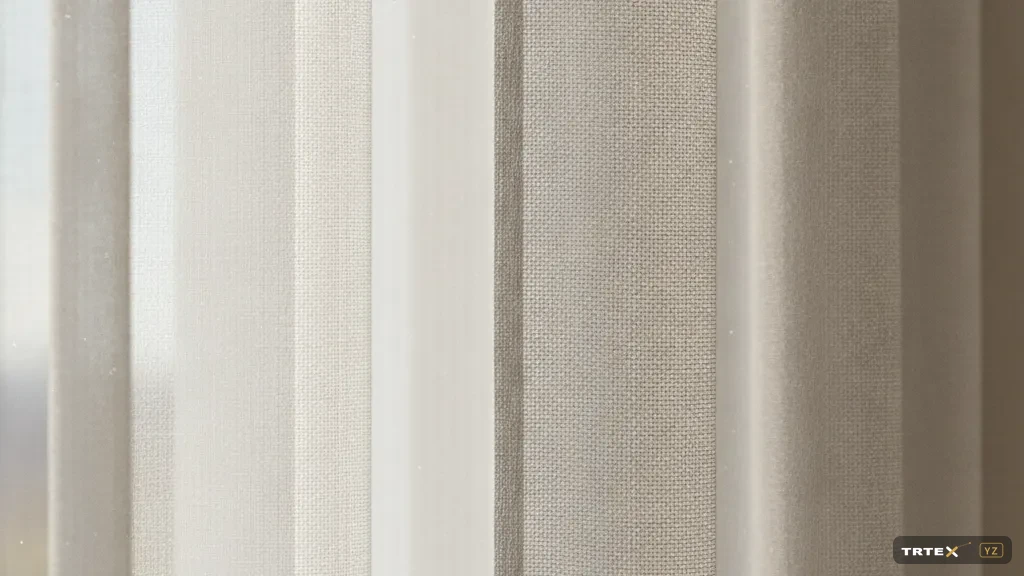
According to the EURATEX 2026 Facts & Key Figures PDF report, the "Furnishing & Home" sector, which includes products such as curtains, upholstery fabrics, carpets, and bed linen, constitutes 14% of the total production value in Europe. This rate directly reflects the sensitivity of European buyers to quality, standards, and technical specifications. European wholesalers and retailers require specific technical parameters and test certificates for the products they import:
- Material and Yarn Structure: Recycled polyester (rPET) and sustainable fiber ratios are questioned. It is essential that the fiber composition of the products is clear and verifiable.
- Performance and Wear Tests: Martindale abrasion resistance (at least 30,000 cycles), pilling resistance, and light fastness (according to the ISO 105-B02 standard) are the first technical data that buyers examine in upholstery fabrics.
- Safety and Certification: Flame Retardant standards (such as BS 5852 or EN 1021) and the OEKO-TEX Standard 100 certificate, which proves compliance with human health, are the keys to entering the EU market.
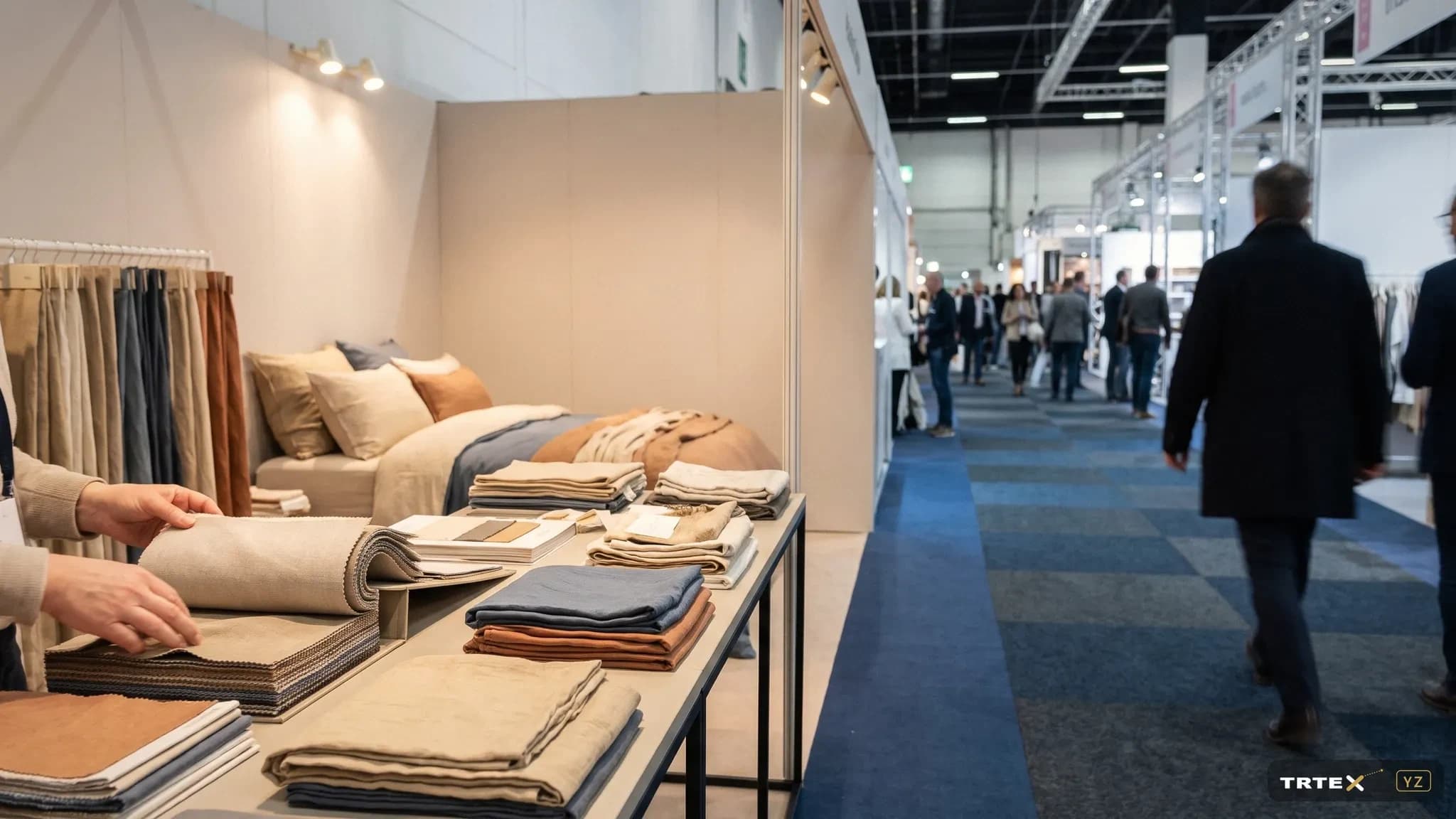
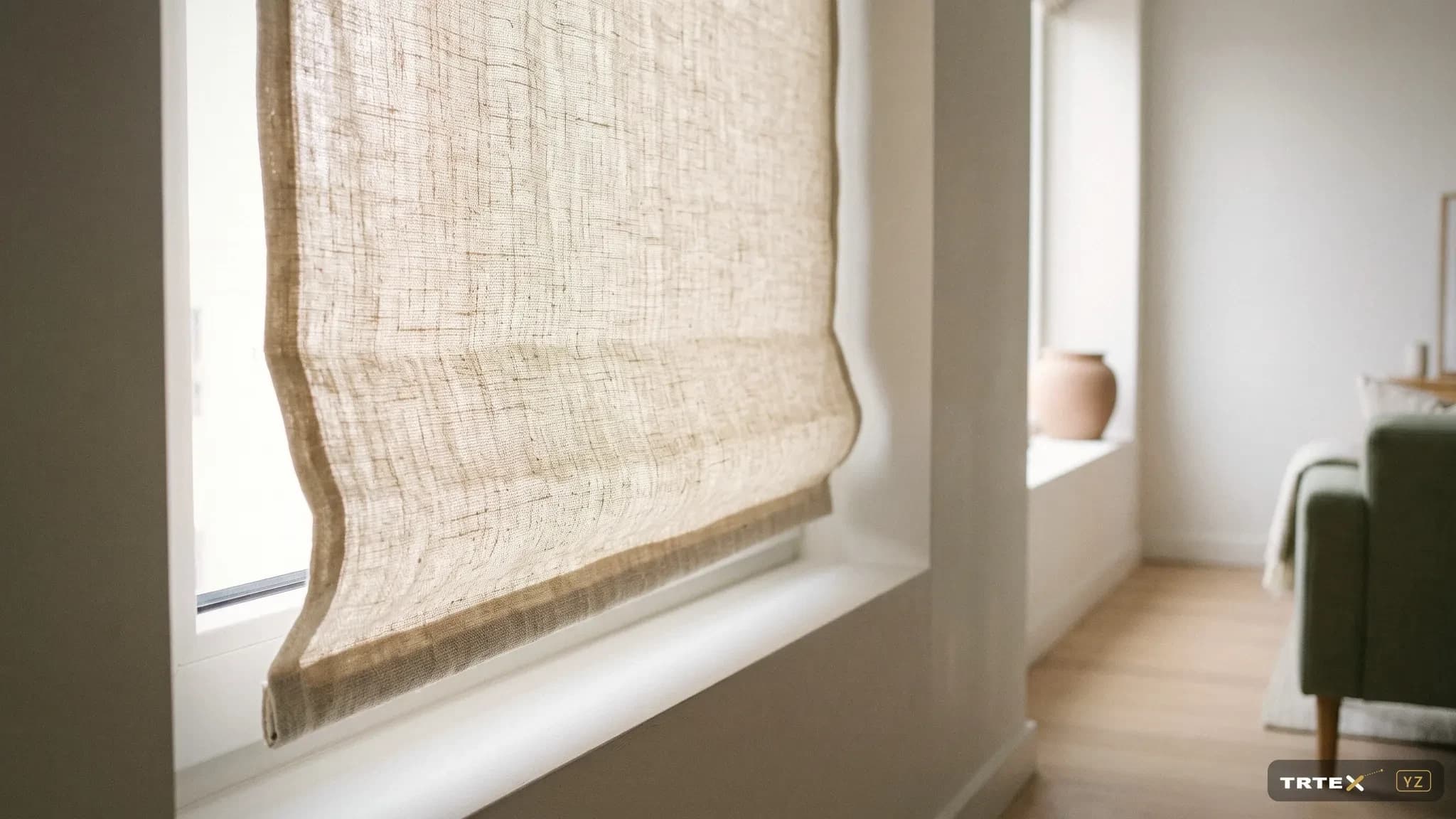
- Size and Construction: A width of 280-300 cm and flawless weaving quality are demanded in curtain fabrics, while a standard width of 140 cm and stable weight values are requested in upholstery.
Why it matters
The contraction of production in the European market and China-sourced imports reaching one-third is both a threat and an opportunity for Turkish manufacturers. Manufacturers who combine their geographical proximity advantage with technical superiority, test reports, and rapid sample supply can position themselves as reliable partners in the EU's growing foreign trade deficit.
What the member can do
To be permanent in the European market and get a share of the 14% home textile market, manufacturers should take these 3 concrete steps:
- Prepare Accredited Test Reports: Have Martindale, light fastness, and flame retardancy tests for your upholstery and curtain fabrics conducted in internationally accredited laboratories and add them to the product technical cards.
- Complete Sustainability Certificates: Ensure the validity of Global Recycled Standard (GRS) and OEKO-TEX certificates for your products; proactively present these certificates to buyers.
- Ensure Width and Weight Standardization: Set up production lines with tolerance limits close to zero, in widths of 280-300 cm for curtains and 140 cm for upholstery, in accordance with European standards.
This content was compiled with AI assistance from the cited source. (EU 2024/1689 Art. 50)