Bottlenecks and Ways Out in Denizli Home Textiles
Denizli's home textile sector is under severe price pressure due to the OEM model. This report analyzes Denizli's current standing and details three concrete pathways forward: GOTS certification, technical weaving, and antibacterial spa textiles.
Denizli, the heart of the Turkish home textile sector, realized 1,368 million USD in home textile exports in 2025, accounting for 29.2% of Türkiye's total. This performance is further underscored by meeting 76% of Türkiye's towel production, 67% of bathrobe production, and 60% of duvet cover production. Yet despite this commanding stature, the Denizli home textile sector faces acute price pressure brought about by international competition, particularly in the commodity cotton towel tier. This state of affairs compels the industry to develop fresh strategies for long-term sustainability.
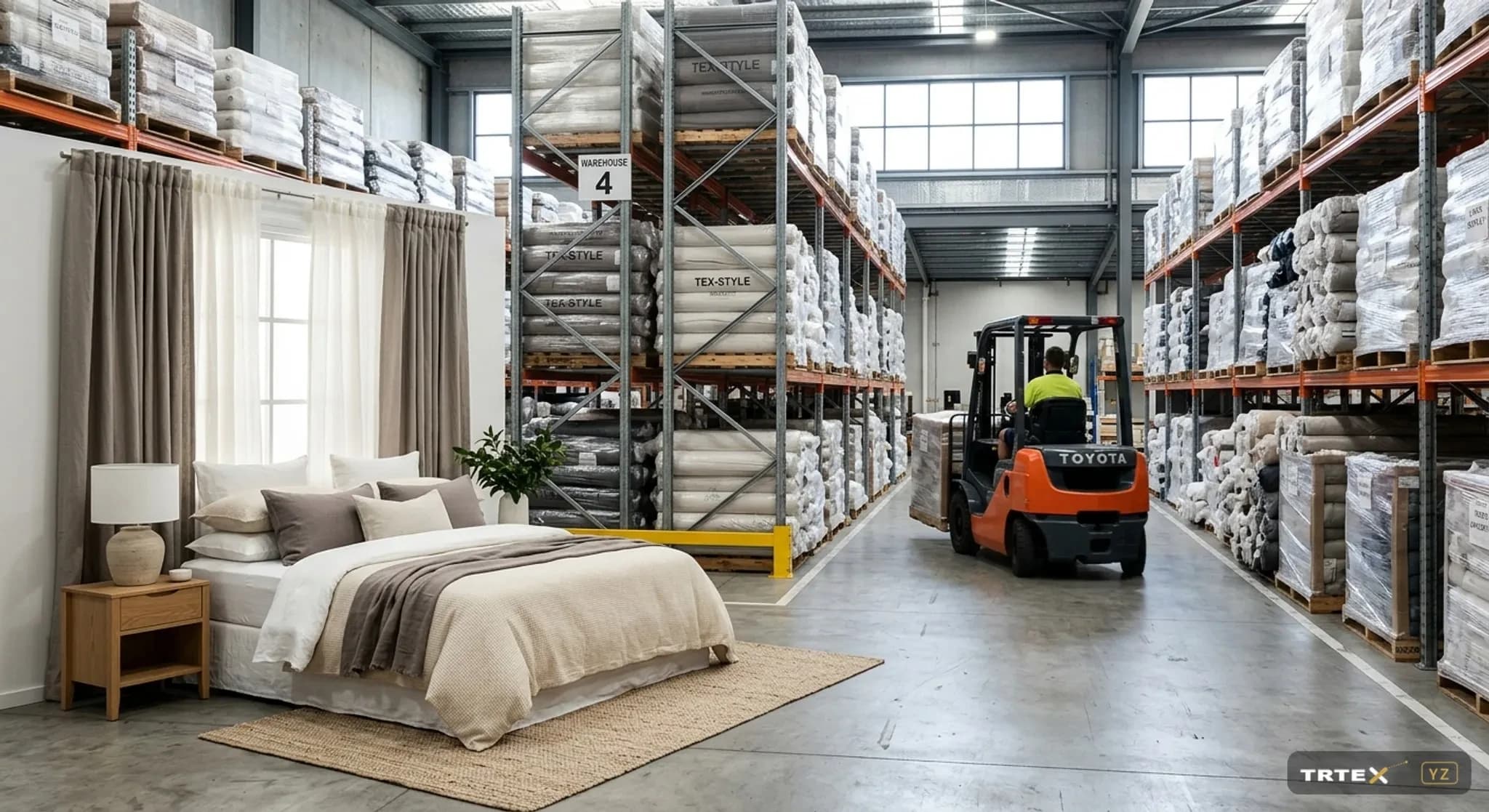
The sector deeply experiences the bottleneck imposed by the OEM (Original Equipment Manufacturer) model, where buyers retain brand and design ownership while manufacturers compete solely on price. In this setup, buyers play suppliers against each other to drive quotes down, leaving manufacturers with razor-thin production margins. This reality becomes starkly evident as countries such as Bangladesh and Pakistan offer commodity cotton towels at 20-30% below Türkiye's price levels. Such cost competition strains Denizli's traditional manufacturing leverage and highlights the imperative to pivot toward high-value-added lines.
Denizli's Current Position and the Impact of the OEM Model
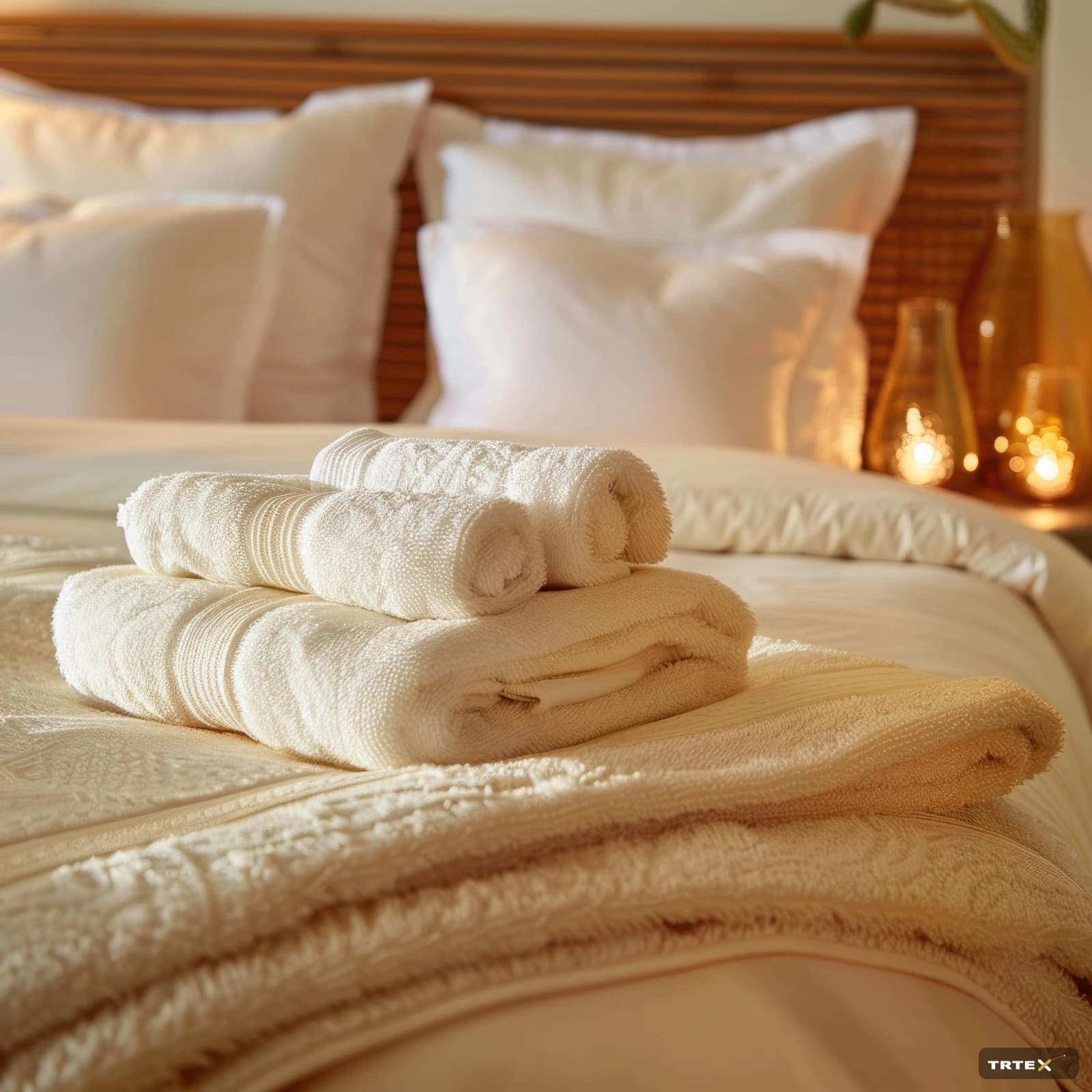
Denizli maintains Türkiye's preeminence in home textile manufacturing. It stands as an indispensable global supplier across the towel, bathrobe, and bedding categories in particular. Fully 94% of Türkiye's aggregate towel exports originate in Denizli. Within the United States' 2 billion USD towel import market, Türkiye ranks 4th with a 7.1% share. These metrics unequivocally demonstrate Denizli's industrial power. Nevertheless, the OEM model severely compresses operating margins. Complete buyer sovereignty over branding and styling restricts manufacturers' capital allocations toward innovation and brand equity, confining them to compete strictly on raw capacity and unit cost efficiency.
Over the long term, this model introduces systemic sustainability hazards. Unrelenting focus on price alone risks blunting advancements in fabric quality and environmental stewardship. Furthermore, it renders producers exceptionally vulnerable to global supply chain dislocations and raw material volatility. For Denizli to extricate itself from this margin squeeze, pivoting toward high-value, differentiated offerings and sustainable production regimes is mission-critical.
These market realities mandate that mill owners develop an acute understanding of global commercial dynamics and reshape corporate roadmaps accordingly. Alongside conventional weaving methods, incorporating cutting-edge machinery and lines that meet sophisticated international expectations is vital to securing durable competitive edge.
Pathways Out of the Bottleneck and Strategic Market Openings
Three core strategic pathways exist for Denizli's home textile sector to escape the current impasse and bolster its global competitiveness. These routes allow the sector to differentiate itself by offering high-value-added lines and aligning with rigorous sustainability criteria. Across each strategic track, holding OEKO-TEX Standard 100 certification serves as the non-negotiable baseline prerequisite.
- GOTS Certification: The Global Organic Textile Standard (GOTS) is an internationally recognized seal certifying that textiles crafted from organic fibers satisfy strict environmental and social benchmarks. Procuring this certification requires 3 to 6 months but can capture a 30-50% price premium on finished goods. Amid expanding consumer preference for sustainable and ethical fabrication, GOTS-certified items confer an immense competitive moat across European and North American retail networks.
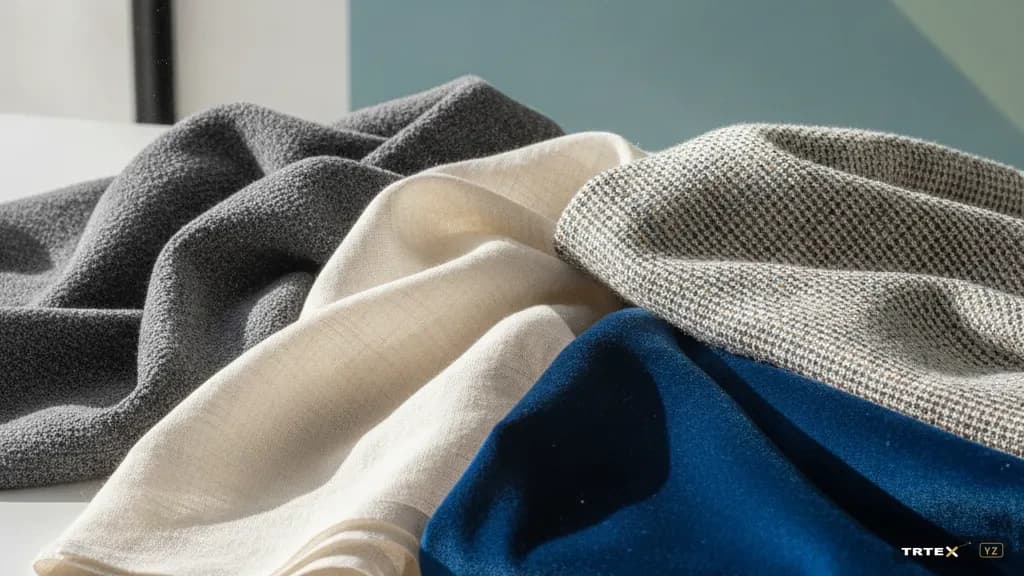
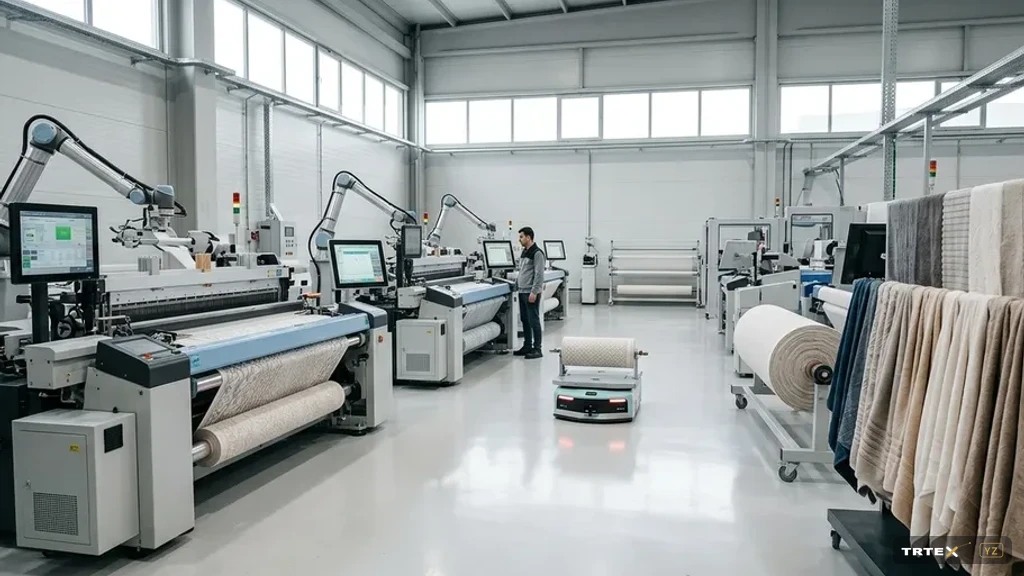
- Technical Weaving: Advanced technical weaving methods—such as jacquard, dobby, and sculpted high-relief textures—infuse articles with distinctive visual and tactile sophistication. The absence of sophisticated multi-arm loom infrastructure in low-cost competing nations like Bangladesh grants Denizli a tangible structural advantage. By yielding intricate relief patterns, variable pile depths, and tactile nuances in towels and bathrobes, these methods elevate perceived value and unlock entry into premium price tiers.
- Antibacterial Spa Textiles: Engineered specifically for hospitality, wellness, and medical spa applications, antimicrobial and antibacterial textiles harbor tremendous commercial upside in today's hygiene-conscious marketplace. These articles employ durable finishings that inhibit bacterial proliferation, delivering extended service lifecycles and uncompromised sanitary performance. Luxury hotel chains, healthcare facilities, and wellness resorts actively source such specialized solutions and gladly commit premium procurement budgets.
Certification Pathways and the OEKO-TEX 2026 Transition Window
Across all three strategic pathways outlined above, OEKO-TEX Standard 100 verification stands as the indispensable entry requirement. This credential certifies that finished textiles are entirely devoid of hazardous chemical residues, offering universal reassurance across overseas markets. Securing this status elevates supplier credibility among multinational buyers and significantly streamlines clearance into upscale distribution channels.
While formal certification procedures demand deliberate financial outlays and validation lead times, their long-term dividends in market access and pricing autonomy are unmatched. Broader certifications like GOTS mandate rigorous environmental and fair-labor protocols throughout every tier of the wet-processing and stitching chain, systematically aligning mills with ESG mandates.
According to the TRTex Knowledge Base (Section C2), the 2026 operational year offers a prime transitional window for OEKO-TEX compliance. The 2026 framework provides a comparatively favorable onboarding environment for inaugural applicants. With testing thresholds and audit stringency scheduled to tighten decisively starting in 2027, initiating certification protocols within this calendar year presents substantial operational and financial economies. This makes 2026 a decisive tactical window for leadership teams planning their certification roadmap.
Strategic Outlook and Forecast for the Turkish Textile Industry
Denizli's home textile cluster must take decisive action to transcend the price trap imposed by contract OEM manufacturing and realign capacity toward premium, high-value articles. Harnessing GOTS certification to lead green market transitions, utilizing jacquard and dobby technical weaving to drive product differentiation, and dominating niche domains like antibacterial spa textiles represent the foundational pillars for long-term viability. Capitalizing promptly on the OEKO-TEX 2026 transition advantage will enable proactive manufacturers to pull ahead of global competitors.
For Turkish textile mills, converters, and export houses, these avenues provide an escape route from cutthroat price wars toward durable expansion rooted in brand prestige, technological capability, and sustainability. This transformation will reinforce Denizli's global supremacy in home textiles and firmly cement the broader Turkish textile ecosystem in world markets. Moving forward, as sustainable and premium technical textiles capture escalating global market share, enterprises that commit to these investments today will define tomorrow's leadership.
Background: our earlier coverage
- Key to Exports in the EU Market: OEKO-TEX and GOTS Certification
OEKO-TEX and GOTS certifications represent critical keys for Turkish home textile exports to the EU. Strategies for compliance with sustainability standards and the Digital Product Passport.
- OEKO-TEX and GOTS: Strategic Roadmap for Organic Fabric Certification
As sustainability and demand for organic fabrics surge in the home textile and drapery industries, the differences, cost profiles, and workflows between OEKO-TEX and GOTS provide an essential roadmap for global exporters.