Carpet Cleaning Program: CRI 204 Neglect Voids Warranty
According to the CRI 204 standard, inadequate maintenance of commercial carpets terminates warranty rights. Approved cleaning programs directly protect the lifespan of floor coverings.
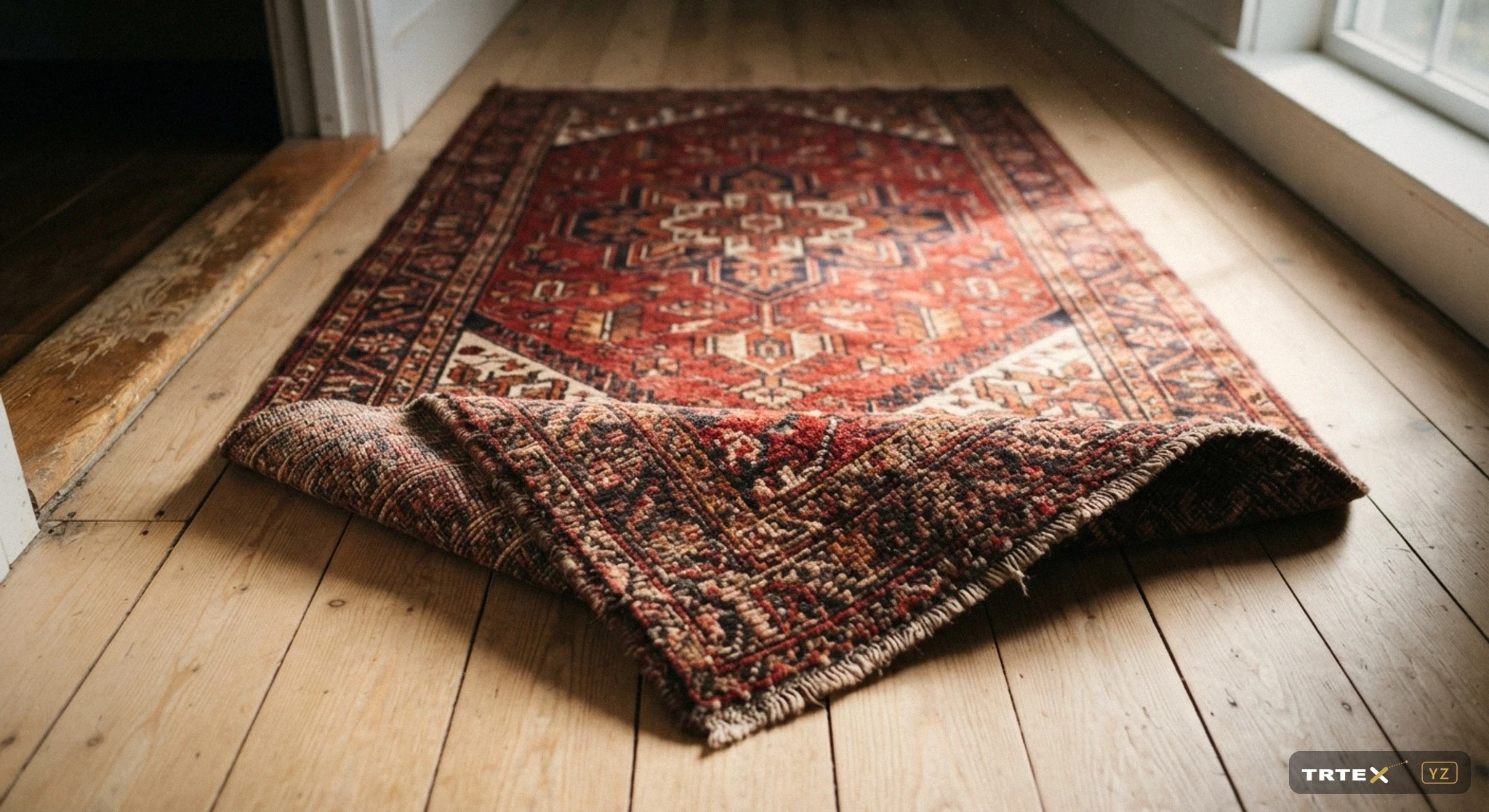
The performance of carpets and floor coverings used in commercial spaces and residential projects depends directly not only on production quality but also on the maintenance discipline applied after installation. As clearly stated in the CRI Cleaning Standards principles published by the Carpet and Rug Institute (CRI); correct cleaning practices are a fundamental requirement for the lifespan and appearance of the carpet, regardless of whether it is a home, office, or commercial facility. Businesses that do not have a planned cleaning program face the risk of premature wear on the floor covering, while facing legal and technical responsibilities in international projects.
Basic Analysis
When technical specifications in the carpet sector are examined, it is seen that maintenance processes cannot be managed with random methods. The CRI 204 Ticari Bakım Standardı, which is the basic technical reference in this field, regulates how commercial floor coverings should be protected. The standard in question is not a product certificate given to the carpet itself, but a technical procedure that determines the sustainable cleaning and maintenance management of commercial floors. As stated in the CRI 204 document, failure to comply with this standard or the carpet manufacturer's maintenance instructions may lead to the product being excluded from the warranty scope and a decrease in its long-term performance.
The success of the maintenance program is directly related to the quality of the chemicals and machines used. The effectiveness of cleaning products and equipment is addressed within the scope of the CRI Seal of Approval (SOA) program. This program is the only testing structure in the carpet industry that tests the effectiveness of cleaning chemicals and mechanical cleaning machines according to scientific criteria. Incorrect chemical selection accelerates soiling by leaving residues in the yarn structure, while untested equipment causes permanent deformation in the carpet pile structure.
- Obligation to Comply with Standards: Cleaning contrary to CRI 204 guidelines and manufacturer instructions can directly invalidate warranty conditions.
- Scientific Test Approval: Instead of random chemicals in cleaning, solutions and machines approved by the CRI Seal of Approval, the scientific test program of the carpet industry, must be selected.
- Preservation of Performance and Appearance: Correct cleaning steps directly preserve the usage period and aesthetic appearance of the floor covering in commercial facilities.
Why it matters
For exporting Turkish carpet manufacturers and commercial flooring contractors, CRI 204 criteria form the legal basis for managing customer complaints and warranty claims. When corporate buyers report a loss of performance, whether the damage is caused by a production defect or non-standard cleaning is determined by referencing these maintenance standards.
What to do
Here are 3 concrete steps that businesses and suppliers should take to prevent risks in flooring projects:
1. Add the Maintenance Manual to the Contract: Provide the buyer in writing with a comprehensive commercial maintenance and cleaning guideline referencing the CRI 204 standard in product delivery and tender specifications.
2. Require Approved Equipment and Chemicals: Inform your customers and facility managements as a mandatory condition that approved machines and solutions that have passed CRI Seal of Approval tests must be used in cleaning processes.
3. Limit Warranty Clauses to the Standard: Include a clear provision in the warranty clauses of sales contracts stating that warranty rights will be voided in case of non-compliance with manufacturer maintenance instructions or CRI 204 requirements.
This content was compiled with AI assistance from the cited source. (EU 2024/1689 Art. 50)