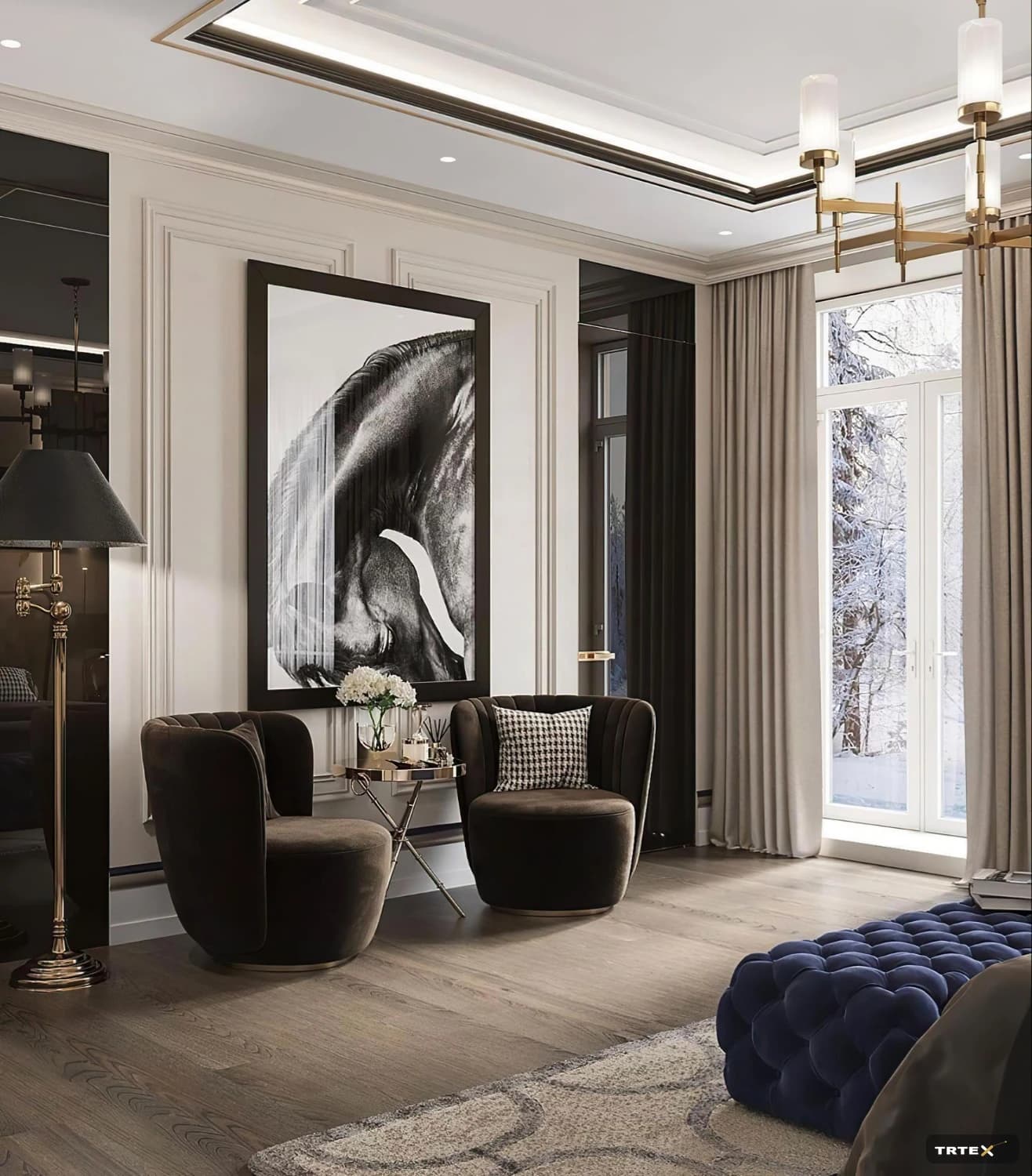
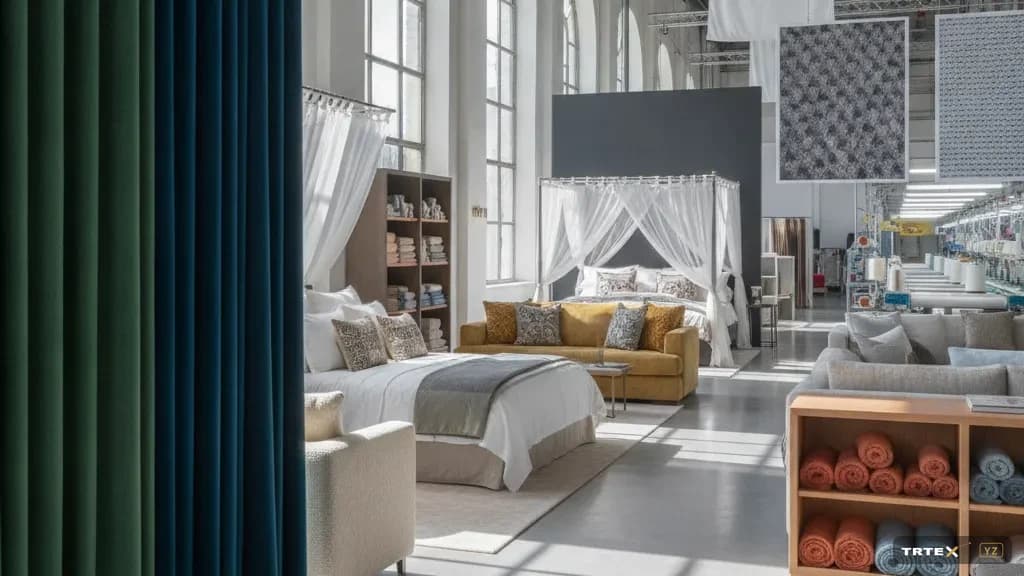
Surging Demand for Linen Curtains in Scandinavia: Norway and Sweden Sourcing Criteria
While demand for linen curtains surges in Scandinavia driven by sustainability and aesthetic expectations, the Norwegian and Swedish markets offer major opportunities for the Turkish textile industry. Compliance with international certifications is vital for Turkish manufacturers.
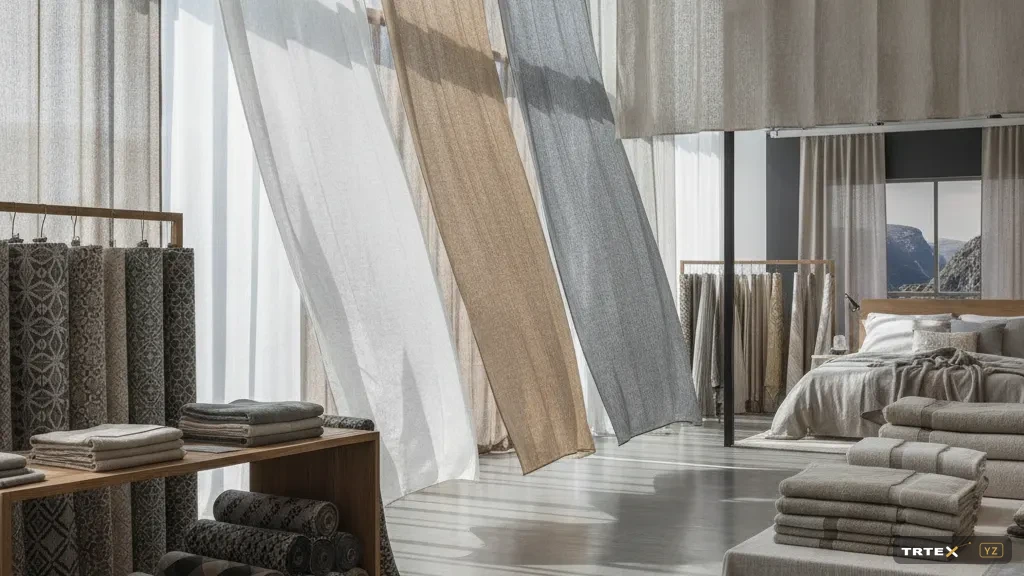
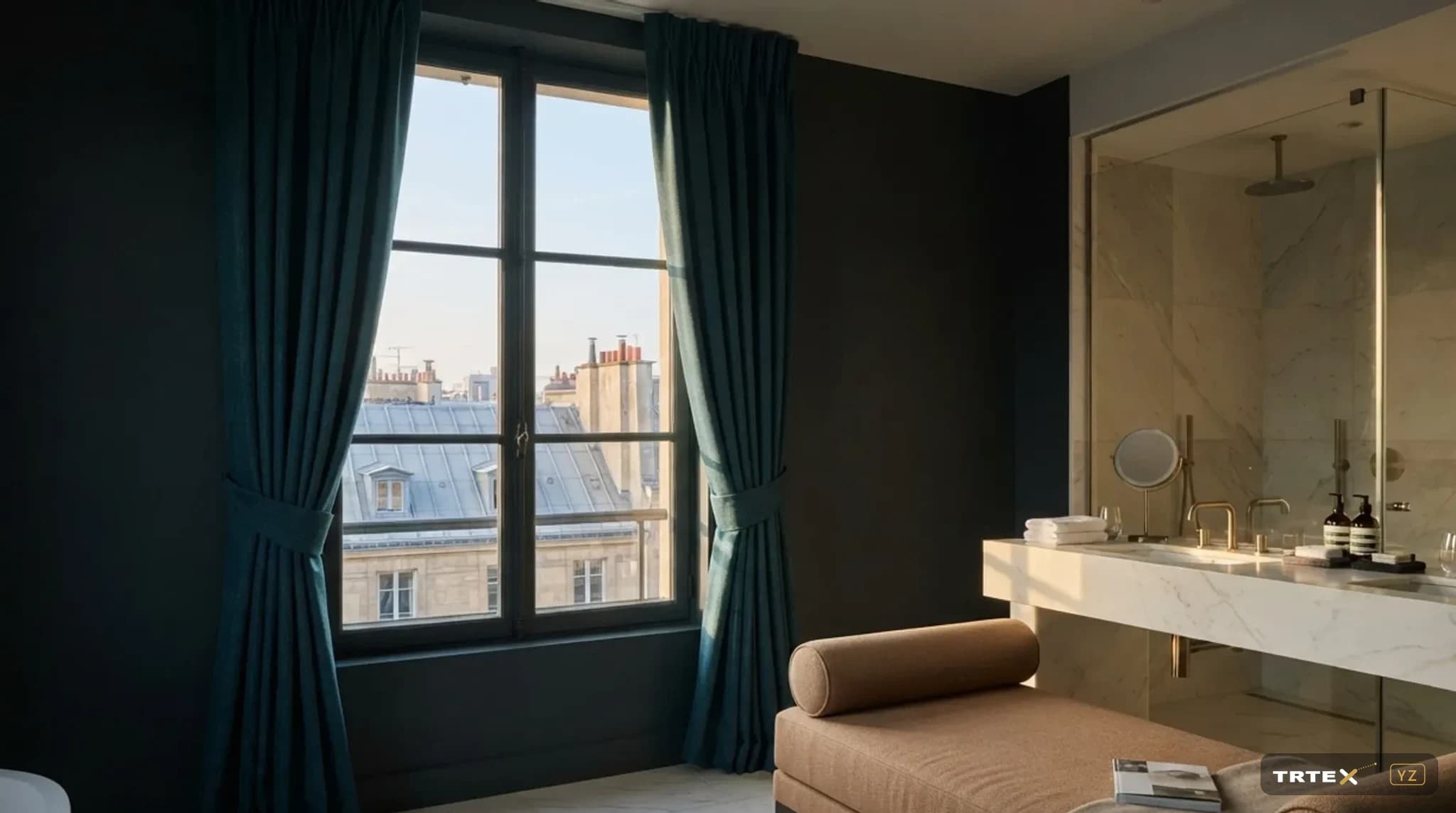
Scandinavian nations, most notably Norway and Sweden, are intensifying their pursuit of natural, sustainable, and aesthetically refined products across the home textile and curtain industries. At the absolute core of this movement are linen curtains. Within this geographic sphere characterized by minimalist lifestyles and pronounced environmental awareness, linen window treatments stand out as both functional necessities and essential decorative elements. For Turkish textile manufacturers, wholesalers, and exporters, this sophisticated market unlocks a strategic entryway for high-value-added product lines.
Linen's organic tactile texture, intrinsic durability, and breathable physical structure align perfectly with Scandinavian consumer expectations. Particularly in recent times, as paramount importance is placed on indoor air quality and passive energy efficiency, linen has become markedly more attractive than synthetic alternatives. This structural transition creates a substantial window of opportunity for the Turkish home textile sector to channel its natural fiber engineering expertise and advanced production capacity into Nordic retail channels.
Growing Scandinavian Interest in Linen Curtains and Supply Chain Dynamics
The burgeoning appetite for linen drapery across Scandinavia is nurtured not merely by aesthetic preferences, but fundamentally by ecological awareness and social responsibility. Prominent retail groups across Norway and Sweden enforce exhaustive sustainability audits on prospective suppliers, scrutinizing operational pipelines from raw agricultural cultivation to final garment finishing. These compliance audits routinely necessitate accredited international certifications such as GOTS (Global Organic Textile Standard) and OEKO-TEX Standard 100. Rigorous adherence to these benchmarks is critical for Turkish mills to secure market entry and sustained commercial viability.
Linen's understated earthy color spectrum, gently crinkled slub texture, and soft light-filtering translucency have established it as an indispensable pillar of Nordic interior design. Airy palettes—predominantly unbleached natural tones or yarns tinted with mineral pigments—harmonize seamlessly with the architectural philosophy of creating luminous, expansive living environments. Consequently, Turkish weavers must carefully align and diversify their design assortments to cater directly to Scandinavian taste profiles.
Comprehensive market research indicates that the Scandinavian home textile sector maintains resilient, stable growth, with the natural fiber segment experiencing robust double-digit expansion. This commercial trajectory is commanding intense attention from both domestic retail chains and international contract suppliers. The Turkish textile ecosystem possesses substantial potential to capture significant market share by leveraging flexible batch manufacturing, superior craftsmanship, and competitive delivery logistics.
Sourcing Criteria of Norwegian and Swedish Retail Chains: A Roadmap for Turkish Mills
Prominent retail chains across Norway and Sweden (such as JYSK, Hemtex, and Kid Interiør) exercise meticulous selectivity during supplier onboarding. To forge enduring commercial partnerships with these retail powerhouses, Turkish manufacturers must satisfy the following fundamental parameters:
- Sustainability Certifications: Accredited credentials including GOTS (for organic cotton-linen blends), OEKO-TEX Standard 100 (certifying freedom from harmful chemical substances), and European Flax (verifying certified Western European flax provenance) authenticate environmental and social compliance, conferring vital competitive advantages.
- Quality and Performance Durability: Structural longevity, dimensional stability across domestic laundering cycles, high yarn count uniformity, and colorfastness against sunlight exposure are rigorously evaluated during technical laboratory audits.
- Design and Aesthetic Harmony: Collections must embrace authentic Scandinavian minimalism, emphasizing muted organic palettes (soft beige, pale grey, ecru, and light mist blue) that accentuate the intrinsic slub texture of raw linen. Bespoke dimensional customization also constitutes a decisive commercial asset.
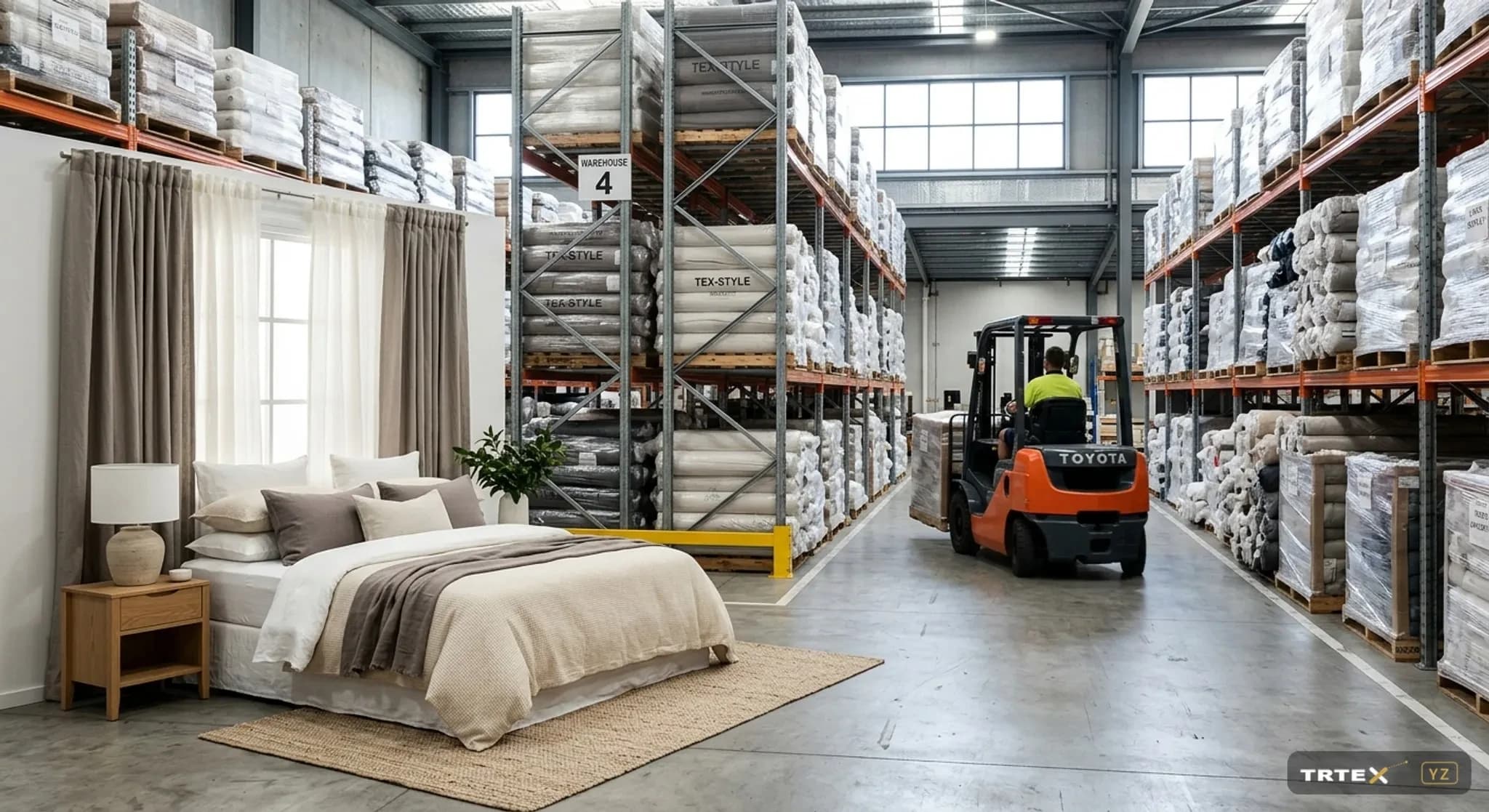
- Agile Supply Chain Management: Operational flexibility in handling medium-run production batches, compressed lead times, and established overland logistics networks are imperative for Nordic retail inventory models. A vendor's internal inventory replenishment capabilities are scrutinized closely.
- Transparency and Traceability: Complete end-to-end transparency—from raw flax harvesting through wet processing to automated sewing—is increasingly non-negotiable for Scandinavian corporate buyers committed to ESG governance and brand integrity.
Technical Specifications and Sectoral Standards
Technical execution across linen curtain manufacturing dictates whether a product successfully fulfills rigorous Nordic expectations. Every production phase, from wet-spinning and yarn bleaching to tight loom tensioning and specialized softening finishes, directly determines the end product's tactile drape. For example, thorough pre-washing, sanforizing, or mechanical tumbling is imperative to eradicate residual shrinkage and stabilize the fabric before consumer laundering. Furthermore, eco-friendly UV-stabilizing finishes that shield natural cellulose fibers against sun degradation are highly sought after.
Acoustic performance represents an increasingly influential consideration for urban residential and commercial spaces. While natural linen possesses innate sound-dampening qualities, multi-layered constructions or engineered honeycomb weave patterns can substantially amplify acoustic absorption. Such technical enhancements elevate product value, enabling distinctive differentiation across the Nordic market. Seamless integration with home automation also deserves strategic attention; motorized, remote-controlled linen draperies deliver exceptional appeal to consumers seeking modern convenience paired with organic warmth.
Actionable Strategies and Future Outlook for Turkish Textile Exporters
The robust Scandinavian appetite for premium linen draperies presents an immediate and lucrative avenue of expansion for Turkish textile mills. To fully capture this opportunity, the operational priorities are clear: invest proactively in internationally accredited sustainability certifications, tailor product styling to Scandinavian minimalist design sensibilities, and implement agile manufacturing schedules suited for fast-turn replenishment.
In the coming years, Nordic demand for natural fibers, circular sourcing, and certified sustainable interiors will expand exponentially. The Turkish textile industry—endowed with deep artisanal heritage, state-of-the-art weaving facilities, skilled human capital, and proximate geographical access—is exceptionally positioned to satisfy this demand. Manufacturers that anchor their business models in transparency, ecological stewardship, and high design standards will secure a permanent, highly profitable footprint across Scandinavia.
Background: our earlier coverage
- Major Textile Procurement Tender Launched for Prestigious Dubai Palm Jumeirah Resort
A high-profile commercial interior textile tender has been launched for a 450-room luxury resort on Palm Jumeirah, Dubai, requiring certified flame-retardant (EN 13773 Class 1 / NFPA 701) and GOTS organic terry and bedding fabrics.