Sargassum Costs for Caribbean Hotels: An Annual Cleaning Burden of Up to 30 Million Dollars
Hotels in the Mexican Caribbean spend up to 30 million dollars annually on sargassum seaweed cleanups. This environmental crisis directly shapes hoteliers' textile procurement strategies.
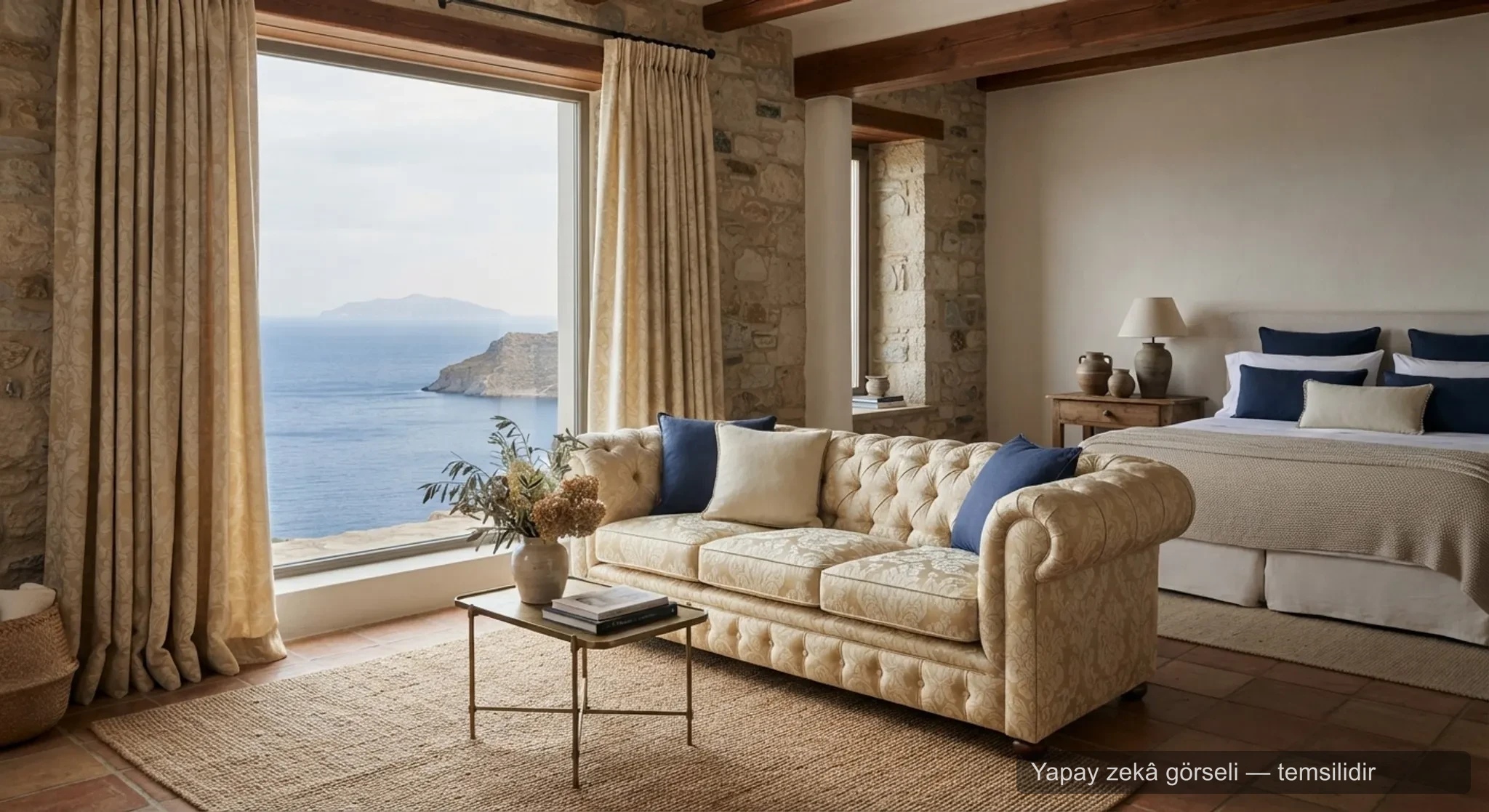
According to reports published by Spain-based tourism journal Hosteltur, the hospitality sector in the Mexican Caribbean must spend an enormous annual budget ranging between 20 and 30 million dollars to remove invasive sargassum seaweed washing ashore and prevent beach sand erosion. Disrupting regional ecological balances, this crisis substantially elevates operational overhead for resorts. Directly impacting hotel budgets, this environmental challenge accelerates the need to prioritize durable, long-lasting, and cost-effective specifications in contract textiles, upholstery fabrics, and furnishings. For Turkish home textile and drapery exporters, this shift carries significant weight for positioning suitable product ranges.
Fundamental Analysis
Data released by the Mexican Caribbean Hotel Council (Consejo Hotelero del Caribe Mexicano) and reported via the EFE agency illustrate the severe scale of the regional sargassum challenge. The severity of the crisis in 2026 has intensified dramatically compared to prior periods:
- According to Mexican Government reports, 96,151 tons of macroalgae were collected from regional coastlines as of July 30, 2026, already surpassing the 92,782 tons gathered throughout the entirety of 2025.
- Annual investments by hoteliers ranging from 20 to 30 million dollars fund offshore containment barriers, specialized harvesting vessels, heavy machinery, cleaning crews, and sand-screening restoration systems.
- Vicente Madrigal, Commercial Director of Grupo Lomas and Chairman of the Promotion Committee for the Hotel Association of Cancun, Puerto Morelos, and Isla Mujeres, highlights the mounting pressure these expenditures place on hotel operational margins.
While source reporting does not outline a specific project register detailing room counts, exact renovation timetables, or itemized textile requests (curtains, linens, towels, upholstery), coastal resorts facing steep environmental cleaning bills are actively seeking cost efficiencies in interior and exterior textile outfitting.
Conclusions and Recommendations
The substantial financial resources Mexican resorts must allocate toward coastal environmental preservation are driving heightened selectivity in procurement. For Turkish home textile manufacturers and exporters, this dynamic necessitates specific strategic actions:
First, outdoor upholstery textiles and shading solutions offering proven resistance to saltwater spray, intense UV exposure, and sand abrasion will become prime choices for coastal properties. Second, to alleviate operating budgets, manufacturers should supply contract linens, towels, and draperies engineered for high-frequency industrial laundering and extended service lives. Highlighting long-term cost efficiencies and durability across digital B2B interactions with regional procurement directors will build a decisive commercial advantage.
This content was compiled with AI assistance from the cited source — Hosteltur (İspanya otel/turizm). (EU 2024/1689 Art. 50)