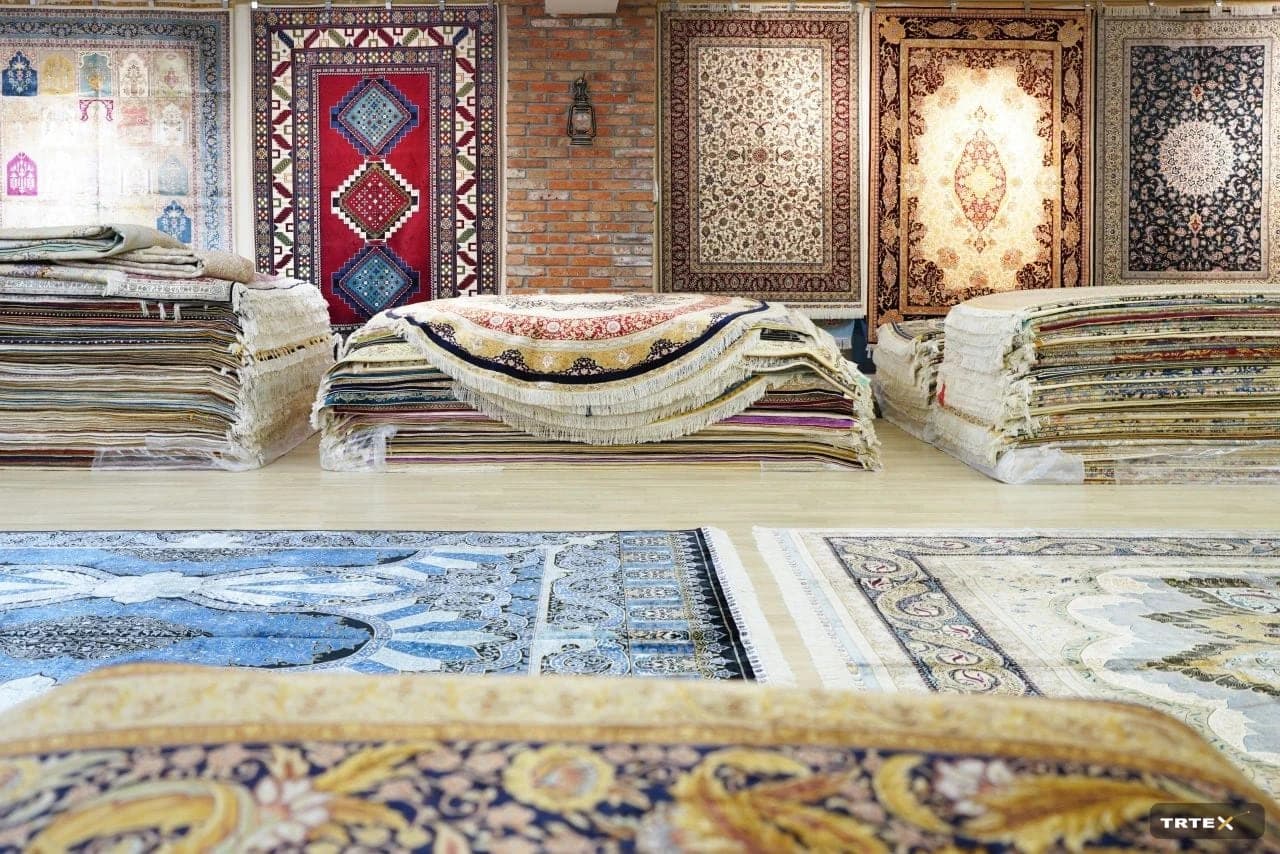
Gulf Textile Market Growth Signals: Saudi Vision 2030 and FF&E Horizons
The Gulf region, spearheaded by Saudi Arabia's Vision 2030 directives, presents substantial expansion potential across home textiles, curtains, and contract upholstery. FF&E procurement workflows unlock prime opportunities for Turkish mills.
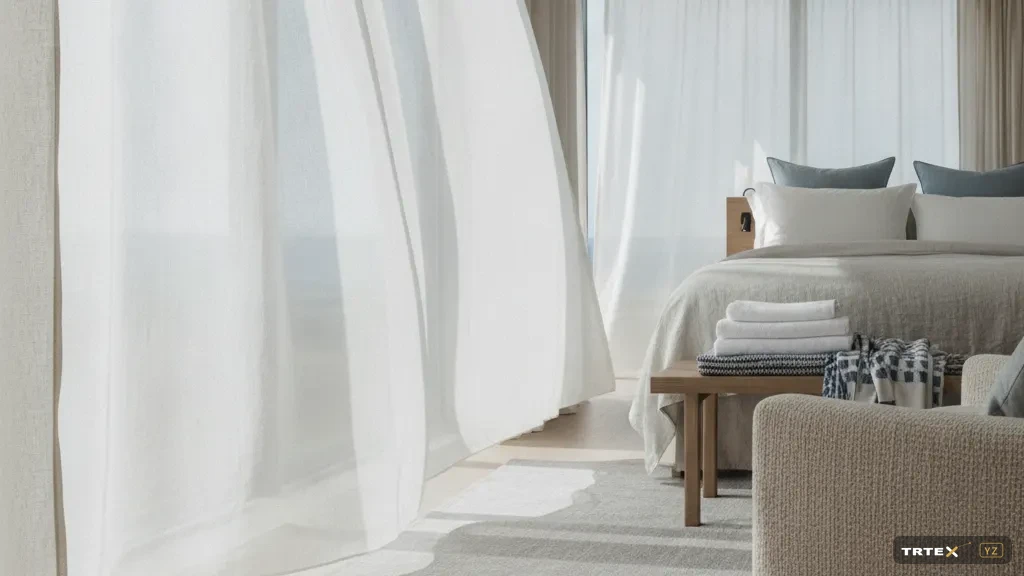
The Gulf Cooperation Council (GCC) region, anchored by the ambitious mandates of Saudi Vision 2030, is demonstrating remarkable commercial expansion across the home textile, drapery, upholstery, and motorized shading sectors. Market intelligence covering the 2026-2027 pipeline indicates that as giga-projects accelerate, prime commercial avenues are opening for Turkish textile manufacturers, converters, and export houses. Furniture, Fixtures & Equipment (FF&E) procurement cycles will play an instrumental role throughout this expansive phase, driving robust appetite for high-specification contract textiles.
When aligned with the proven engineering capacity and design excellence of the Turkish textile cluster, these market dynamics present an unparalleled opening to secure strategic dominance across Gulf supply networks. Accelerating capital expenditure in luxury hospitality assets, master-planned residential towers, and civic facilities elevates demand for bespoke, high-performance textile engineering. For Turkish mills, taking proactive measures to institutionalize their commercial footprint in this dynamic theatre is paramount.
Structural Impact of Saudi Vision 2030 on Contract Textiles
Saudi Vision 2030 constitutes a sweeping blueprint aimed at macroeconomic diversification, infrastructural modernization, and socioeconomic transformation. Within this strategic canvas, giga-developments—including NEOM, The Red Sea Destination, and Qiddiya—are being realized through capital allocations measured in tens of billions of dollars. These developments incorporate vast numbers of ultra-luxury resorts, branded residences, commercial hubs, and leisure precincts. Each individual asset generates colossal demand for interior soft furnishings, blackout draperies, heavy upholstery cloths, and engineered architectural shading systems.
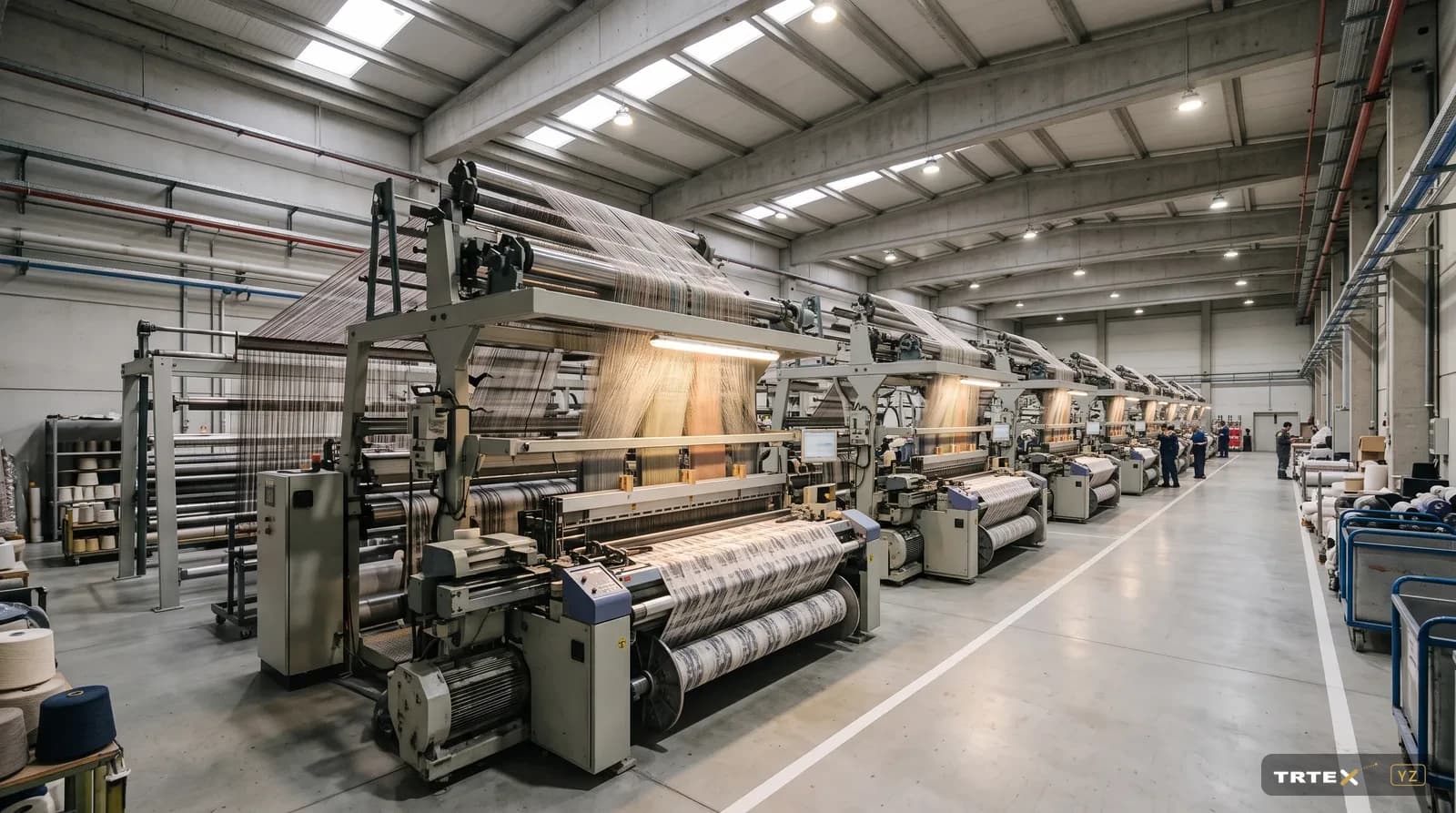
For example, the rapid buildout of five-star hospitality keys has propelled capacity utilization rates across Bursa's specialized jacquard weaving cluster to peak operating levels. High-specification jacquards deliver the requisite blend of aesthetic opulence and contract durability required for luxury hotel suites, lobbies, and fine-dining venues, catering precisely to Gulf architectural expectations. Concurrently, the pervasive integration of building management systems has driven regional demand for motorized shading assemblies to unprecedented heights. Across Saudi Arabia and the UAE, Turkish-engineered motorized tracks and drapery systems have gained widespread specification due to flawless automation compatibility and mechanical reliability.
Procurement frameworks across these mega-developments mandate strict adherence to international testing standards, substantial volume fabrication capacity, and uncompromising delivery timelines. For Turkish fabricators, this presents an exceptional opportunity to demonstrate production quality while leveraging territorial geographic proximity for agile supply chain management.
FF&E Procurement Windows and Strategic Directives for Turkish Fabricators
FF&E (Furniture, Fixtures & Equipment) procurement frameworks represent the operational linchpin for outfitting newly erected or comprehensively refurbished hotel, residential, and institutional developments. This scope encompasses finished soft goods, architectural draperies, high-abrasion upholstery fabrics, and engineered shading installations. Considering the sheer scale of developments underway across the Gulf, the regional FF&E procurement pipeline is projected to command multi-billion-dollar outlays over the next operational cycle.
- Project-Centric Architecture: Turkish fabricators must actively monitor regional master development tenders, register directly with primary general contracting conglomerates, and deliver tailored project-specific value engineering proposals.
- Certified Quality Benchmarks: Across prime GCC developments, accredited laboratory test certifications represent non-negotiable entry requirements. Documented compliance with ISO, OEKO-TEX, and recognized fire-safety norms forms the foundation of commercial acceptance.
- Automation Integration: Motorized roller shades and drapery hardware engineered for plug-and-play integration with mainstream KNX and smart building management protocols confer decisive competitive leverage in tender reviews.
- Logistical and Supply Agility: Punctual, milestone-synchronized site deliveries dictate project profitability in FF&E rollouts. Established maritime and road logistics links from Türkiye offer distinct transit lead-time advantages over Asian competitors.
- Local Joint Ventures: Structuring strategic distribution arrangements, local agency partnerships, or registered GCC subsidiaries materially streamlines commercial licensing and accelerates regional contract execution.
Performance Standards, Regulatory Accreditations, and Commercial Vectors
Across the Gulf contract drapery, upholstery, and soft furnishings market, structural quality must be paired with stringent regulatory certification. Major hospitality operators routinely require certified flame-retardant compliance (such as NFPA 701, BS 5867, and DIN 4102-B1), hospital-grade antimicrobial finishes, and verified eco-certifications. Turkish mills must maintain accredited test data sheets on file to pass rigid technical evaluations conducted by international interior consultants.
Analyzing commercial dynamics reveals that high household disposable incomes and luxury lifestyle preferences in Saudi Arabia and the UAE sustain strong demand for top-tier collections. This environment rewards mills equipped to supply bespoke pattern runs, intricate artisanal embroidery, and rapid-turn custom weave developments. In tandem, burgeoning digital enterprise platforms enable direct communication between Turkish export executives and Gulf procurement directors.
Strategic Forecast and Tactical Directives for the Turkish Textile Sector
Projected commercial expansion across the Gulf textile arena through 2026-2027 represents a critical strategic window for Turkish home textile, curtain, and upholstery manufacturers. The monumental construction pipelines driven by Saudi Vision 2030 offer vast scope, particularly within contract FF&E packages. Securing long-term leadership in this market requires disciplined corporate positioning.
All macroeconomic indicators confirm that infrastructure and hospitality investments across the Gulf will accelerate throughout the decade. This sustains strong momentum for Turkish textile houses seeking to scale overseas trade volumes and fortify global brand equity. Flagship trade fairs such as Heimtextil Frankfurt provide an indispensable setting for Turkish executives to interface directly with Gulf procurement boards and finalize long-term supply agreements. Securing prominent exhibition presence well in advance represents an essential strategic investment. Backed by agile manufacturing, sophisticated design capabilities, and geographical transit advantages, the Turkish textile ecosystem is ideally equipped to capture the full dividend of this Gulf construction boom.